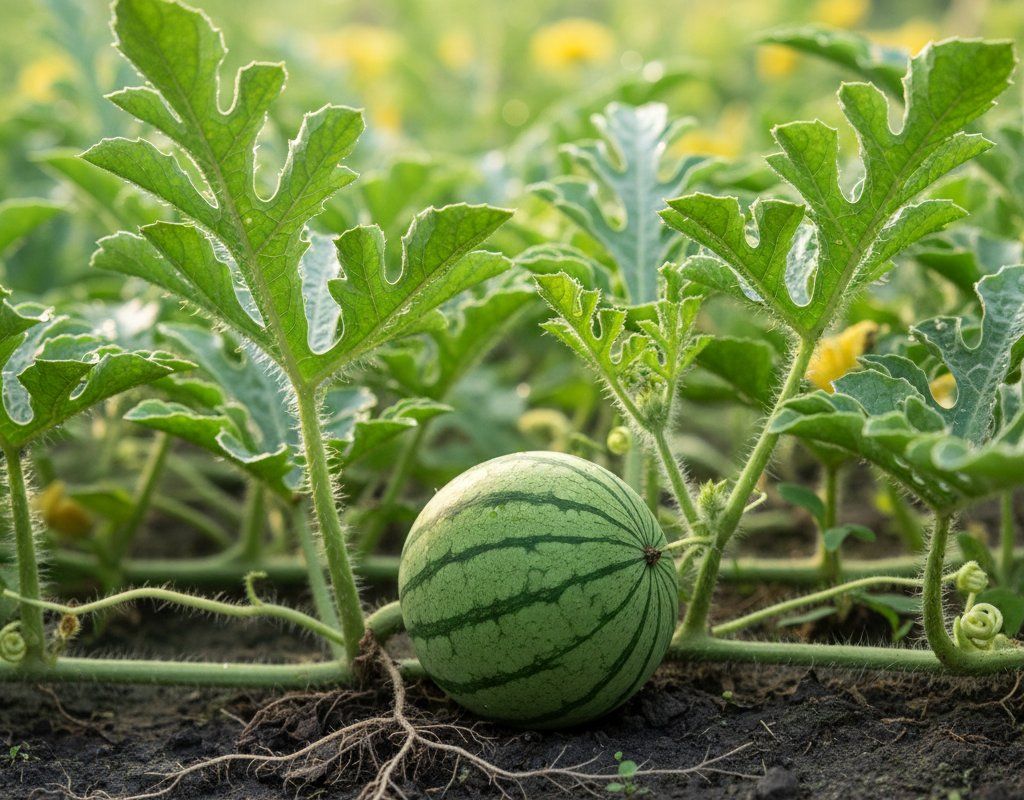
Watermelon in Zone 3B — Great Plains
Citrullus lanatus · Your Complete 2026 Planting Guide
Planning Ahead — Great!
You’re ahead of the season. Here’s when to start.
Mark Your Calendar
How to Plant Watermelon in Zone 3B — Great Plains
Here are all your options for getting watermelon in the ground, from the easiest method to more advanced approaches.
Direct Sow Seeds
RecommendedEarly June
around June 3
Direct sow as soon as conditions allow.
Needs warm soil. Direct sow works in zones 6+. Start indoors in colder zones.
Buy Starts
Works WellEarly June
around June 3
Plant purchased starts after last frost (May 20).
Start Seeds Indoors
Works WellEarly to late May
around May 13
Then transplant: Early June
Start seeds 3-5 weeks before transplanting outdoors.
Handle seedlings carefully — melons resent root disturbance.
Transplant Outdoors
Timing InfoEarly June
around June 3
Wait until nighttime temperatures stay above 50°F.
Plan to transplant within a few weeks of your target date.
Overview
Growing watermelon in Zone 3B on the Great Plains might seem ambitious, but our intense sunshine and fertile prairie soils create surprisingly good conditions for these heat-loving vines. Nothing beats the satisfaction of slicing into a perfectly ripe melon you've grown yourself during our blazing summer heat, and the sweet, juicy reward makes every effort worthwhile. The key is working with our climate's strengths—that relentless Plains sun and those long, hot summer days.
With our 118-day growing season, you have just enough time to grow watermelons successfully if you time everything right. Our variable spring weather and the risk of late frosts mean you'll need to be patient with planting, but once established, melons thrive in our hot, sunny summers. The extreme temperature swings and potential for hail add some excitement to the process, but proper timing and a bit of wind protection will see you through to harvest.
Starting Seeds Indoors
Starting watermelon seeds indoors makes sense if you want to maximize your growing window or if you're gardening in the northern parts of our zone where the season runs shorter. Start your seeds early to late May, about three weeks before you plan to transplant them outdoors in early June. This gives you a head start when our variable spring weather might delay direct sowing.
Set up your seed trays in a warm spot—watermelon seeds need soil temperatures around 70-75°F to germinate well. Bottom watering works best for melon seedlings since it keeps the leaves dry and prevents damping-off disease. Use a heat mat if your house runs cool, and provide bright light once seedlings emerge.
Handle watermelon seedlings with extra care since they resent root disturbance more than most crops. Use larger individual pots or biodegradable containers that can go directly into the ground. The plants grow quickly once they get going, so don't start them too early or they'll outgrow their containers before it's safe to plant outside.
Transplanting Outdoors
Transplant your watermelon seedlings outdoors in early June, once soil temperatures have warmed consistently and nighttime lows stay above 50°F. Our Great Plains nights can still surprise you with cool temperatures even into early summer, so don't rush this step. Wait until you're confident that warm weather is here to stay.
Harden off your seedlings gradually over a week by setting them outside for longer periods each day. Start with just a few hours in a protected spot, then gradually increase their exposure to our Plains wind and intense sun. This process is especially important here since the transition from indoor growing to full Great Plains conditions can be dramatic.
Space your transplants 6-8 feet apart in all directions—watermelon vines spread extensively and need room to roam. Plant them in your warmest, most protected spot with some wind protection if possible. Our constant Plains wind can stress young transplants, so consider temporary row covers or a windbreak until they establish.
Direct Sowing
Direct sowing is the preferred method for watermelons in our region since they develop better root systems when grown in place from the start. Sow your seeds in early June when soil temperatures reach at least 65°F consistently and nighttime temperatures stay reliably above 50°F. Our prairie soils warm up beautifully in late spring, but patience pays off here.
Prepare your planting area by working plenty of compost into the soil—watermelons are heavy feeders and our sometimes-challenging Great Plains growing conditions demand rich, well-draining soil. Plant seeds about an inch deep and space them 6-8 feet apart in all directions. These vines will sprawl across a surprising amount of territory once they get established.
Consider planting in slightly raised rows or mounds to improve drainage and help the soil warm faster in our variable spring conditions. The extra drainage also helps during those inevitable summer thunderstorms that can dump several inches of rain at once. Mulch around the plants once they're established to conserve moisture during our hot, dry spells and to keep the developing melons clean.
Watering Watermelon in Zone 3B (Great Plains)
Watermelons need consistent, deep watering throughout the growing season, which can be challenging with our variable Great Plains rainfall patterns. Plan on providing about 1-2 inches of water per week, including rainfall, but be prepared to supplement heavily during our inevitable dry spells. Our low-to-moderate humidity means water evaporates quickly, especially with our constant wind.
Water deeply at the base of the plants rather than overhead to avoid wetting the leaves, which can lead to fungal problems even in our relatively dry climate. The finger test works well—stick your finger 2 inches into the soil, and if it's dry at that depth, it's time to water. During fruit development, watermelons need the most water, sometimes requiring daily irrigation during hot, windy stretches.
Watch for signs of water stress like wilting during the heat of the day or stunted growth. However, overwatering shows up as yellowing leaves and poor fruit development. Our prairie soils generally drain well, but heavy clay areas can hold too much water during wet periods.
As harvest approaches in late August, reduce watering gradually over the final 1-2 weeks. This concentrates the sugars and improves flavor, but don't let the plants become severely stressed. Apply a thick layer of straw mulch around the plants to conserve soil moisture and protect developing fruits from direct soil contact, which helps prevent rot and pest issues.
🧪Fertilizing Watermelon
Feeding Schedule
Organic Fertilizer Options
Harvest Time
Your first watermelons will be ready for harvest from late August through mid-September, right around 85 days from planting if conditions have been favorable. In our Great Plains climate, timing often coincides with the beginning of cooler nights, which actually helps concentrate sugars in the final weeks of ripening.
Look for several signs of ripeness occurring together: the ground spot (where the melon rests on soil) changes from white to creamy yellow, the tendril nearest the fruit attachment point turns brown and dry, and the melon sounds hollow when thumped. The skin also becomes dull rather than shiny, and you might notice the characteristic watermelon aroma at the blossom end.
Harvest watermelons by cutting the stem with sharp pruners rather than pulling them off the vine. Handle them carefully since even small bruises can lead to quick spoilage. Unlike some melons, watermelons won't continue ripening once removed from the vine, so wait until you're confident they're fully mature.
With our first frost typically arriving in mid-September, you'll want to harvest any remaining melons before temperatures drop below 50°F at night. If frost threatens and you have nearly mature melons, you can try covering the vines overnight, but focus your protection efforts on the fruits closest to full ripeness. Green melons won't survive our Plains temperature swings, so harvest what you can and accept that the season is ending.
Common Problems in Zone 3B (Great Plains)
Fusarium Wilt This soil-borne disease shows up as wilting on one side of the plant first, gradually spreading until the entire vine collapses. You'll notice yellowing leaves starting on one side, and if you cut the stem open, you'll see brown streaks inside. Our hot Great Plains summers create ideal conditions for this fungus to thrive in the soil.
The fungus enters through the roots and persists in soil for years, making crop rotation essential. Once a plant is infected, there's no cure—remove and destroy it immediately. Prevention is your best strategy: plant varieties marked with 'F' for fusarium resistance, rotate your melon crops on a 4-year cycle, and keep soil pH above 6.5. Our alkaline prairie soils often help naturally with this last point.
Anthracnose Look for sunken, dark circular spots on fruits, stems, and leaves. During humid periods or after rain, you might see pink or orange spore masses in the center of these spots. While our generally dry Plains climate limits this disease compared to more humid regions, it can still strike during wet spells or if you're overhead watering.
Prevent anthracnose by avoiding overhead irrigation and ensuring good air circulation around plants—challenging in our windy conditions but important for disease prevention. Remove any infected plant debris immediately and apply copper fungicide preventatively if you've had problems in previous years. Always use certified disease-free seeds and rotate crops to break the disease cycle.
Poor Pollination You'll see flowers blooming but falling off without setting fruit, or small, misshapen melons that develop unevenly. This often happens when extreme heat (over 95°F) or sudden temperature drops stress the plants during flowering, both common occurrences in our volatile Great Plains climate.
Our intense summer heat can actually inhibit pollination if temperatures soar above 95°F for extended periods. Ensure adequate water during hot spells and consider providing some afternoon shade during extreme heat waves. Plant pollinator-friendly flowers nearby to attract bees, and avoid using pesticides during flowering. If natural pollination is failing, hand-pollinate using a small brush to transfer pollen from male to female flowers in the early morning.
Great Plains Specific Challenges: Our combination of hot summers, variable rainfall, and constant wind creates unique stresses for watermelons. The intense sun is beneficial, but extreme heat waves can halt fruit development temporarily. Wind can damage vines and increase water needs significantly, while our tendency toward boom-or-bust rainfall patterns means you'll likely need supplemental irrigation even in years with adequate total precipitation.
Best Companions for Watermelon
Plant these nearby for healthier Watermelon and better harvests.

Keep Away From
Companion Planting Details
Corn makes an excellent companion for watermelons in Great Plains gardens since the tall stalks provide some wind protection for the sprawling vines while not competing for the same soil space. Plant your corn rows on the windward side of your melon patch to create a natural windbreak. Radishes work well as early-season companions since they mature quickly and help break up soil compaction, then get out of the way as the melon vines spread.
Sunflowers planted around the edges of your melon patch attract beneficial pollinators and provide additional wind protection, both crucial in our climate. However, keep them far enough away that they don't shade the melons—remember that these heat-lovers need full Plains sun to develop properly. Avoid planting potatoes anywhere near your watermelons since they can harbor similar diseases and compete heavily for nutrients in our already-challenging growing conditions.
🌸Best Flowers to Plant with Watermelon
These flowers protect your Watermelon from pests and attract pollinators for better harvests.


Get a Reminder When It's Time to Plant
We'll email you when key planting windows open for your zone.