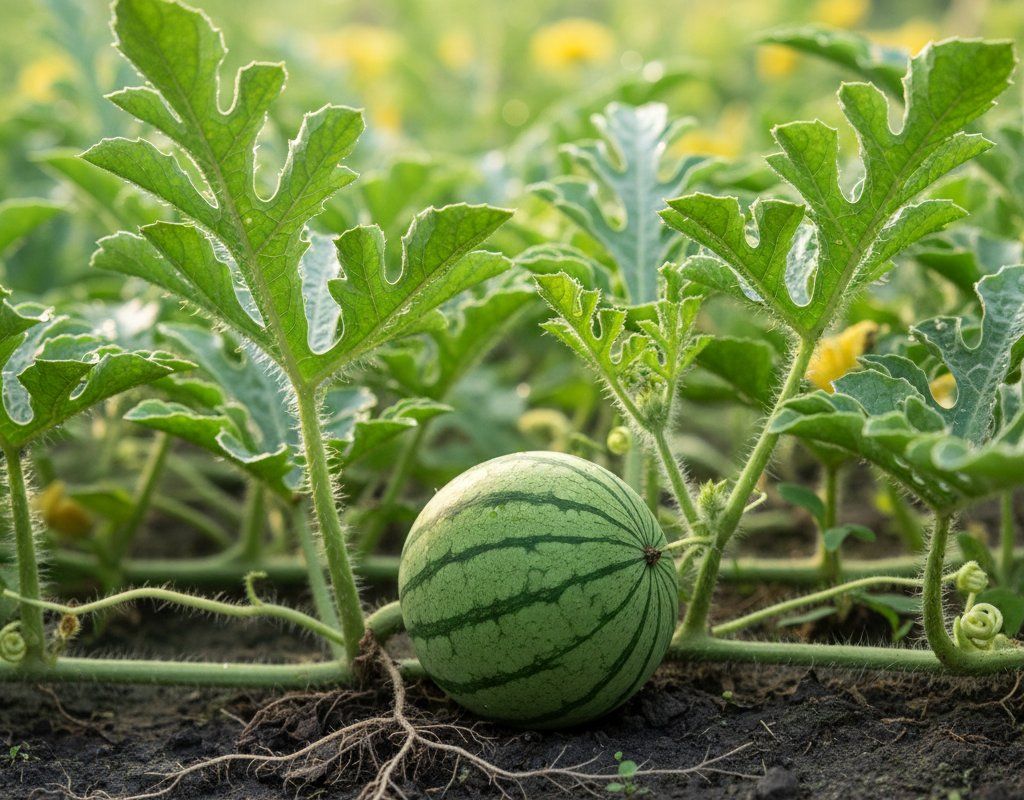
Watermelon in Zone 4B — Great Plains
Citrullus lanatus · Your Complete 2026 Planting Guide
Planning Ahead — Great!
You’re ahead of the season. Here’s when to start.
Mark Your Calendar
How to Plant Watermelon in Zone 4B — Great Plains
Here are all your options for getting watermelon in the ground, from the easiest method to more advanced approaches.
Direct Sow Seeds
RecommendedMid May through late June
around May 19
Direct sow as soon as conditions allow.
Needs warm soil. Direct sow works in zones 6+. Start indoors in colder zones.
Buy Starts
Works WellMid May through mid June
around May 19
Plant purchased starts after last frost (May 5).
Start Seeds Indoors
Works WellLate April through mid May
around April 28
Then transplant: Mid May through mid June
Start seeds 3-5 weeks before transplanting outdoors.
Handle seedlings carefully — melons resent root disturbance.
Transplant Outdoors
Timing InfoMid May through mid June
around May 19
Wait until nighttime temperatures stay above 50°F.
You have a nice window — no need to rush.
Overview
Growing watermelon in Zone 4B's Great Plains country gives you access to some of the sweetest melons you'll ever taste, thanks to our intense Prairie sunshine and hot summer days. The combination of fertile prairie soil and those blazing 93°F afternoons creates ideal conditions for developing the deep, complex sweetness that store-bought melons can never match.
Our 149-day growing season is just long enough for watermelons if you time things right, though our variable spring weather and early October frost date mean you need to be strategic. The key is working with our climate's advantages—that incredible sunshine and low disease pressure—while managing the challenges of wind, temperature swings, and our relatively short season.
Starting Seeds Indoors
Starting watermelon seeds indoors isn't the preferred method here, but it can buy you valuable time if you're pushing the season or dealing with a particularly cool spring. Start seeds late April through mid-May, about 3 weeks before your planned transplant date when soil has consistently warmed.
Use individual peat pots or cell trays since watermelons hate root disturbance. Keep soil temperature around 80°F for good germination—a heat mat helps during our variable spring weather. Bottom watering works best to prevent damping off while keeping that crucial soil warmth consistent.
The biggest challenge is our unpredictable late spring weather. You might start seeds during a warm spell only to face a cold snap that delays transplanting by weeks. Only start indoors if you're confident about your transplant timing and have protection ready for those inevitable temperature swings.
Transplanting Outdoors
Transplant your indoor-started watermelon seedlings from mid-May through mid-June, once soil temperature stays consistently above 65°F and nighttime temperatures don't drop below 50°F. In the Plains, this timing can shift week to week depending on weather patterns, so soil temperature is your best guide.
Harden off seedlings gradually over a full week—our intense sunshine and constant wind can shock tender plants quickly. Start with just an hour of morning sun, then gradually increase exposure. Handle transplants extremely carefully since watermelons resent any root disturbance.
Space transplants 6-8 feet apart in all directions, giving them room to sprawl across our prairie soil. Plant on raised beds or mounds for better drainage and faster soil warming. Have row covers or plastic tunnels ready—our temperature swings can still catch you off guard even in late May.
Direct Sowing
Direct sowing is your best bet for watermelons in the Great Plains, avoiding transplant shock while taking advantage of our warm soil and intense summer heat. Sow seeds from mid-May through late June, waiting until soil temperature reaches at least 70°F consistently.
Prepare planting areas by working compost into our naturally fertile prairie soil and creating slight mounds for drainage and heat absorption. Plant seeds 1 inch deep in groups of 3-4, spacing these planting hills 6-8 feet apart. Our variable spring rainfall means you'll need to water gently but consistently until germination.
The beauty of direct sowing here is that seeds germinate quickly in our warming soil and plants establish strong root systems before our heat kicks in. Thin to the strongest 1-2 plants per hill once seedlings have their first true leaves. This method works perfectly with our climate pattern—cool spring soil warming rapidly into hot summer conditions.
Watering Watermelon in Zone 4B (Great Plains)
Watermelons are thirsty plants that need consistent moisture throughout their growing season, which can be challenging in our variable rainfall climate. Plan on providing 1-2 inches of water per week, adjusting based on our notoriously unpredictable precipitation patterns.
Deep, infrequent watering works best in our prairie conditions—water thoroughly 2-3 times per week rather than light daily watering. Use the finger test: stick your finger 2 inches into the soil near the base of plants. If it's dry at that depth, it's time to water. Our low-to-moderate humidity means plants lose moisture faster than in more humid regions.
Water at the base of plants rather than overhead to prevent disease issues, though our dry air and constant wind help prevent the fungal problems that plague more humid areas. During fruit development, maintain consistent soil moisture—irregular watering in our extreme temperature swings can cause fruit to crack or develop poor flavor.
As harvest approaches in late August through September, reduce watering by about half for the final 1-2 weeks. This concentrates sugars and prevents bland, watery melons. A thick layer of prairie grass mulch helps retain moisture during our hot spells while keeping weeds down in our fertile soil.
🧪Fertilizing Watermelon
Feeding Schedule
Organic Fertilizer Options
Harvest Time
Your first watermelons will be ready from mid-August through early October, typically 85 days from planting. In our Plains climate, most varieties hit their peak in late August when our hot days and mild nights create perfect ripening conditions.
Look for three key signs of ripeness: the ground spot (where the melon touches soil) turns from white to creamy yellow, the curly tendril nearest the fruit turns brown and dry, and the melon produces a deep, hollow sound when thumped. The rind also loses its glossy sheen and becomes dull when fully ripe.
Harvest during the cooler morning hours when possible, cutting the stem with clean shears rather than pulling the fruit. Unlike some melons, watermelons won't continue ripening once picked, so don't harvest too early.
As our first frost date approaches in early October, you may need to harvest slightly underripe melons and hope for the best, or provide protection during light frost warnings. Any melons still developing by late September are unlikely to fully ripen before hard frost ends your season.
Common Problems in Zone 4B (Great Plains)
Fusarium Wilt This soil-borne disease shows up as wilting on one side of the plant first, progressing to yellow leaves and eventual plant death. Cut open the stem near soil level and look for brown streaks—that's your confirmation of fusarium wilt.
Our warm prairie soils and hot summers create ideal conditions for this fungus, which persists in soil for years. The pathogen enters through roots and moves up through the vascular system, essentially plugging the plant's water transport.
Plant resistant varieties marked with 'F' on seed packets, rotate watermelons to different areas of your garden on a 4-year cycle, and maintain soil pH above 6.5. Once a plant is infected, remove and destroy it immediately—there's no cure, only prevention.
Anthracnose Watch for dark, sunken circular spots on fruits, leaves, and stems. In our variable rainfall periods, you might see pink or orange spore masses on these spots when humidity rises.
This fungal disease thrives during warm, wet periods and spreads through rain splash—even our brief thunderstorms can spread spores rapidly across your patch. Contaminated seeds can also introduce the problem.
Avoid overhead watering, remove infected plant debris promptly, and consider preventive copper fungicide applications if anthracnose has been a problem. Our typically dry air helps limit this disease compared to more humid regions.
Poor Pollination Flowers bloom but fall off without setting fruit, or you get small, misshapen melons that develop unevenly. This is particularly frustrating when plants look healthy but produce poorly.
Our extreme temperature swings can interfere with pollination—bees are less active during very hot or cool periods, and pollen viability drops when temperatures exceed 95°F or fall below 60°F at night. Wind can also make pollinator visits more challenging.
Plant pollinator-friendly flowers nearby, provide windbreaks if possible, and consider hand-pollinating with a small brush during peak bloom. Time plantings so flowering occurs during more moderate weather periods when possible.
Great Plains Specific Challenges: Our combination of intense heat, constant wind, and variable moisture creates unique stresses for watermelons. The good news is our low humidity and abundant sunshine actually reduce many common diseases, while our fertile prairie soil provides excellent nutrition for heavy-feeding melons.
Best Companions for Watermelon
Plant these nearby for healthier Watermelon and better harvests.

Keep Away From
Companion Planting Details
Corn makes an excellent companion for watermelons in Plains conditions, providing crucial windbreak protection while the melons spread beneath the stalks. The corn's vertical growth doesn't compete with the sprawling melon vines, and both crops appreciate similar soil fertility and watering schedules.
Radishes planted around the melon patch help deter cucumber beetles and other pests while their quick growth and harvest doesn't interfere with the expanding vines. Sunflowers work well along the edges, attracting beneficial insects and providing some wind protection, though keep them far enough away to avoid shading the heat-loving melons.
Avoid planting near potatoes, which can harbor similar pests and diseases, and compete for soil nutrients. In our Prairie conditions where wind protection is crucial, focus on companions that provide shelter while supporting the pollinators your watermelons desperately need.
🌸Best Flowers to Plant with Watermelon
These flowers protect your Watermelon from pests and attract pollinators for better harvests.


Get a Reminder When It's Time to Plant
We'll email you when key planting windows open for your zone.