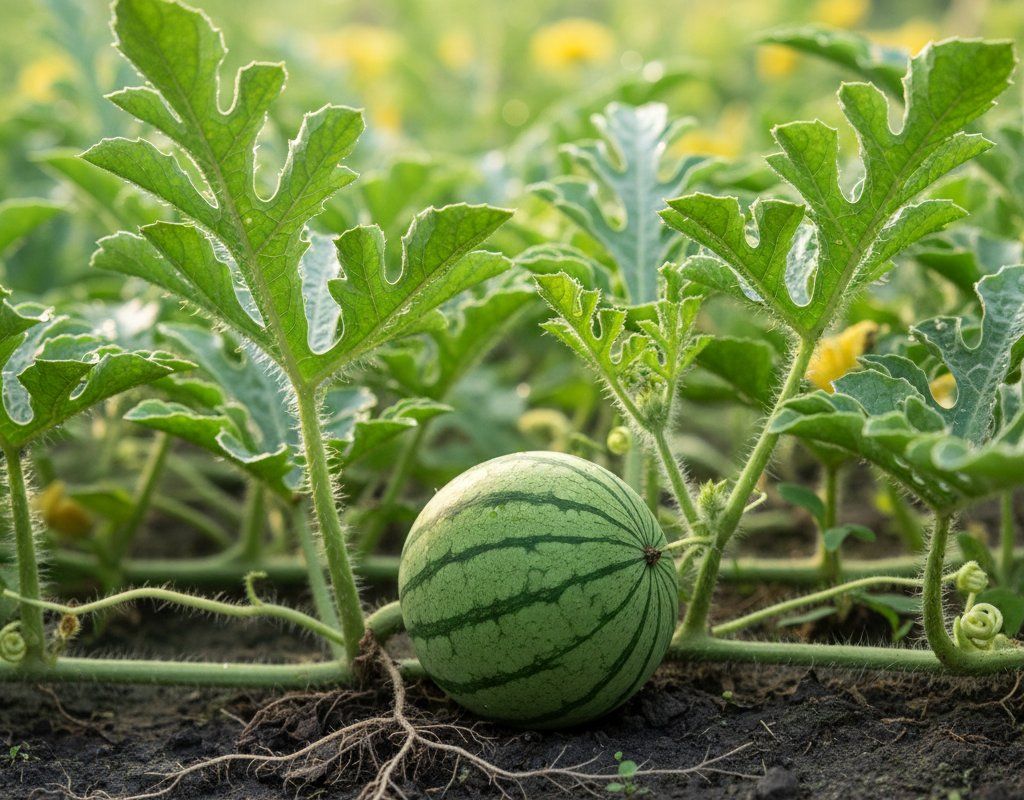
Watermelon in Zone 6A — Pacific Northwest
Citrullus lanatus · Your Complete 2026 Planting Guide
Planning Ahead — Great!
You’re ahead of the season. Here’s when to start.
Mark Your Calendar
How to Plant Watermelon in Zone 6A — Pacific Northwest
Here are all your options for getting watermelon in the ground, from the easiest method to more advanced approaches.
Direct Sow Seeds
RecommendedLate May through late June
around May 24
Direct sow as soon as conditions allow.
Needs warm soil. Direct sow works in zones 6+. Start indoors in colder zones.
Buy Starts
Works WellLate May through late June
around May 24
Plant purchased starts after last frost (May 10).
Start Seeds Indoors
Works WellLate April through mid May
around May 3
Then transplant: Late May through late June
Start seeds 3-5 weeks before transplanting outdoors.
Handle seedlings carefully — melons resent root disturbance.
Transplant Outdoors
Timing InfoLate May through late June
around May 24
Wait until nighttime temperatures stay above 50°F.
You have a nice window — no need to rush.
Overview
Growing watermelon in Zone 6A might seem ambitious, but our 148-day growing season and mild Pacific Northwest summers create surprisingly good conditions for these sweet giants. While our cool nights keep temperatures pleasant for gardening, they also concentrate sugars in the fruit, often producing melons with more intense flavor than those grown in blazing heat. The satisfaction of slicing into a homegrown watermelon after our dry summer months is unmatched.
Our PNW climate does present challenges—cool spring soil delays planting, and watermelons need more heat than our mild summers naturally provide. But with proper timing and a few regional tricks, you can successfully grow watermelons here. The key is working with our growing season rather than against it.
Starting Seeds Indoors
Starting watermelon seeds indoors makes sense if you want to maximize your growing season or try varieties that need the full 85+ days to mature. Start seeds from late April through mid-May, about three weeks before you plan to transplant outside. Our slow spring means soil takes longer to warm up, so indoor starting can give you that crucial head start.
Use individual peat pots or biodegradable containers since watermelon seedlings hate root disturbance. Keep soil temperature around 70-75°F for best germination—a heat mat helps during our cool spring days. Bottom watering works well to prevent damping off in our humid spring conditions.
Handle seedlings like they're made of glass. Watermelons are notorious for transplant shock, so avoid disturbing the roots at all costs. If you're new to melon growing, direct sowing might be less stressful for both you and the plants.
Transplanting Outdoors
Transplant watermelon seedlings outdoors from late May through late June, once nighttime temperatures consistently stay above 50°F and soil has warmed to at least 65°F. In the Pacific Northwest, this timing usually coincides with when our spring rains start tapering off and we get more consistent sunny days.
Harden off seedlings gradually over a full week—our temperature swings between day and night can shock tender plants. Start with just 2-3 hours of outdoor exposure in a protected spot, gradually increasing time and reducing protection. Space transplants 6-8 feet apart in all directions, as these vines need room to sprawl.
Plant on a warm, calm day if possible. Our spring weather can still surprise us with cool, overcast stretches that stress newly transplanted melons. Consider using row covers or Wall O' Water protectors for the first few weeks if temperatures dip unexpectedly.
Direct Sowing
Direct sowing is the preferred method for watermelons in our zone—it avoids transplant shock and takes advantage of naturally warming soil. Sow seeds from late May through late June when soil temperature reaches at least 65°F at planting depth. Use a soil thermometer rather than guessing; our overcast spring days can fool you into thinking soil is warmer than it actually is.
Prepare planting areas by working in plenty of compost and creating slight mounds for better drainage and faster soil warming. Plant 3-4 seeds per mound, spacing mounds 6-8 feet apart. The wide spacing might seem excessive, but watermelon vines can easily spread 10+ feet in our long growing season.
Cover seeds with black plastic or row covers to capture extra heat during germination. Once seedlings emerge and establish their first true leaves, thin to the strongest plant per mound. In our mild climate, direct-sown plants often outperform transplants by avoiding root stress entirely.
Watering Watermelon in Zone 6A (Pacific Northwest)
Watermelons are heavy drinkers, especially during fruit development, but our dry Pacific Northwest summers mean you'll need to supplement natural rainfall significantly. During our wet spring months, focus on drainage rather than additional watering—soggy soil leads to root problems and delayed growth.
Once our dry season begins in late June or early July, watermelons need about 1-2 inches of water per week. Check soil moisture with the finger test—if it's dry 2 inches down, it's time to water. Water deeply at soil level rather than overhead; our low humidity means less disease pressure, but ground watering still conserves moisture better and prevents leaf issues.
Apply water slowly and thoroughly, soaking the root zone completely. A soaker hose or drip irrigation works well for the sprawling vines. Mulch around plants with straw or grass clippings to retain moisture during our dry summer months—this is especially important since watermelons aren't drought tolerant.
About 1-2 weeks before harvest (when melons start developing their ground spot), reduce watering to concentrate sugars. Don't stop entirely, but cut back to prevent splitting and improve flavor. Watch for signs of stress like wilting during the heat of the day—even in our mild 82°F summers, large-leafed vines can struggle without adequate moisture.
🧪Fertilizing Watermelon
Feeding Schedule
Organic Fertilizer Options
Harvest Time
Expect your first watermelons from mid-August through early October, depending on when you planted and which variety you chose. Our 85+ day varieties usually hit peak ripeness during the warm, dry days of late summer—perfect timing for enjoying fresh melon before fall rains return.
Look for several ripeness indicators together: the ground spot (where the melon touches soil) turns from white to creamy yellow, the tendril nearest the fruit attachment turns brown and dry, and the melon sounds hollow when you thump it with your knuckles. The surface also develops a dull sheen rather than the glossy look of unripe fruit.
Cut melons from the vine with pruning shears rather than pulling—this prevents damage to the plant and other developing fruits. Unlike some fruits, watermelons won't continue ripening once harvested, so make sure they're truly ready.
As our first frost approaches in early October, harvest any remaining melons even if they're not perfectly ripe. Large green melons can sometimes finish ripening indoors in a warm spot, though they won't develop full sweetness. Our long mild fall often gives you extra time, but don't gamble with a sudden cold snap.
Common Problems in Zone 6A (Pacific Northwest)
Fusarium Wilt Watch for wilting that starts on one side of the plant, then spreads as leaves turn yellow and brown. When you cut open the stem, you'll see brown streaks running through the vascular tissue. This soil-borne fungus persists for years and enters through the roots, thriving in our warming summer soils.
Plant resistant varieties marked with 'F' on seed packets, and rotate your melon crops to different garden areas on a 4-year cycle. Raise soil pH above 6.5 if needed—our naturally acidic PNW soils often benefit from lime anyway. Once plants are infected, remove and destroy them completely; there's no cure.
Anthracnose Look for sunken, dark circular spots on fruits, stems, and leaves. During wet weather, you might notice pink or orange spore masses in the centers of these spots. This fungal disease spreads through rain splash and can ruin fruit just before harvest.
Remove any infected plant debris immediately and avoid overhead watering during our occasional summer showers. Copper fungicide applications work preventatively, especially important during humid spells. Good air circulation between plants helps—another reason for that wide 6-8 foot spacing.
Poor Pollination Small, misshapen fruits or flowers that bloom but drop off indicate pollination problems. Watermelons need insects to transfer pollen from male to female flowers, and timing has to be just right. Cool nights or lack of pollinators during our mild summers can cause issues.
Hand-pollinate using a small brush if you notice problems—transfer pollen from male flowers (which appear first) to female flowers (which have a small swelling behind the bloom). Plant pollinator-attracting flowers like sunflowers nearby, and avoid pesticides during flowering. A shallow water source helps keep beneficial insects happy.
Pacific Northwest Specific Challenges: Our region's combination of cool spring soil and mild summer heat means watermelons need extra help getting established and staying warm. Slugs can damage seedlings during wet spring weather, and late blight pressure from our humid springs can stress plants. However, our dry summers and cool nights actually benefit fruit quality once plants are established.
Best Companions for Watermelon
Plant these nearby for healthier Watermelon and better harvests.

Keep Away From
Companion Planting Details
Corn makes an excellent companion for watermelons in Pacific Northwest gardens—the tall stalks provide wind protection during our occasional summer storms while corn's deep roots don't compete with watermelon's surface feeding roots. Plant corn on the north side to avoid shading. Radishes work well as a living mulch early in the season, breaking up soil and finishing their cycle before watermelon vines spread widely.
Sunflowers serve double duty as companions, attracting the pollinators watermelons need while providing some afternoon shade during any unexpected hot spells. Avoid planting watermelons near potatoes, as both are susceptible to similar soil-borne diseases, and potatoes can harbor pests that move to melons. The wide spacing watermelons need in our climate gives you plenty of room to plan thoughtful companion plantings.
🌸Best Flowers to Plant with Watermelon
These flowers protect your Watermelon from pests and attract pollinators for better harvests.


Get a Reminder When It's Time to Plant
We'll email you when key planting windows open for your zone.