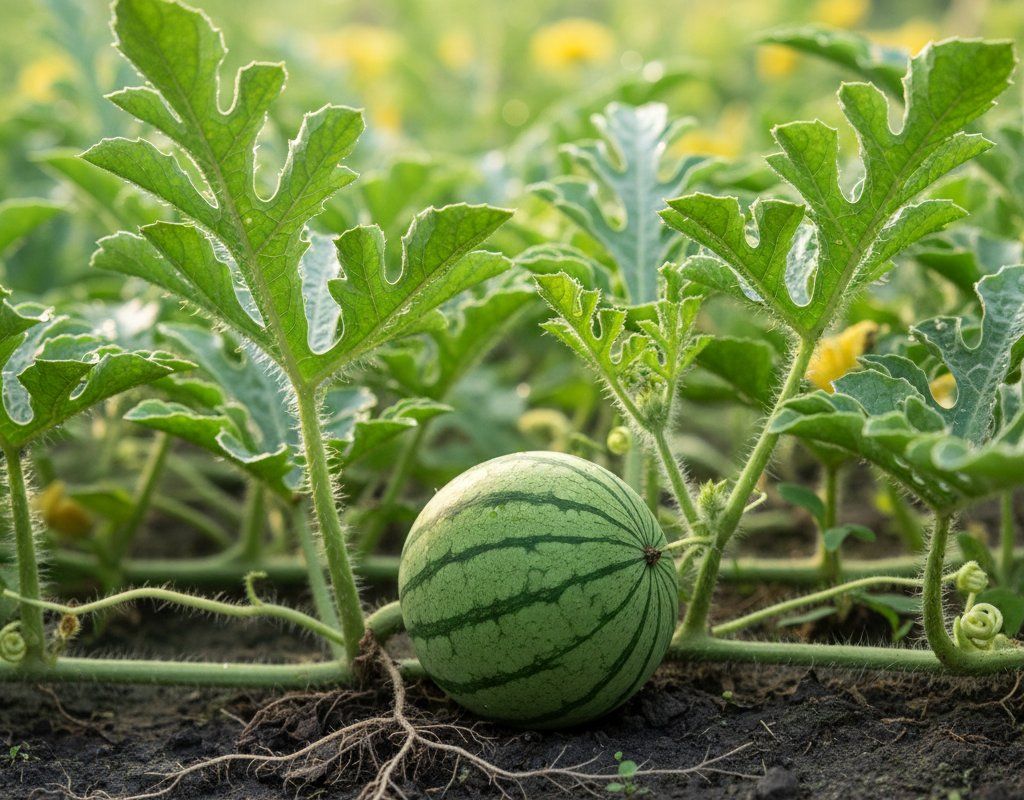
Watermelon in Zone 6B — Mountain West
Citrullus lanatus · Your Complete 2026 Planting Guide
Planning Ahead — Great!
You’re ahead of the season. Here’s when to start.
Mark Your Calendar
How to Plant Watermelon in Zone 6B — Mountain West
Here are all your options for getting watermelon in the ground, from the easiest method to more advanced approaches.
Direct Sow Seeds
RecommendedEarly May through late June
around May 9
Consider succession planting every 2-3 weeks for continuous harvest.
Needs warm soil. Direct sow works in zones 6+. Start indoors in colder zones.
Buy Starts
Works WellEarly May through early June
around May 9
Plant purchased starts after last frost (April 25).
Start Seeds Indoors
Works WellMid April through early May
around April 18
Then transplant: Early May through early June
Start seeds 3-5 weeks before transplanting outdoors.
Handle seedlings carefully — melons resent root disturbance.
Transplant Outdoors
Timing InfoEarly May through early June
around May 9
Wait until nighttime temperatures stay above 50°F.
You have a nice window — no need to rush.
Overview
Watermelon brings the taste of summer to your Mountain West garden like nothing else can. Our intense high-altitude sunshine creates exceptional sugar development in these heat-loving vines, while our cool nights help concentrate those flavors into incredibly sweet fruit. There's something deeply satisfying about growing your own watermelon at elevation, especially when you bite into that first perfectly ripe slice knowing it thrived in our challenging mountain conditions.
Growing watermelon in Zone 6B does require working with our short season and temperature swings, but the 163-day growing season gives you just enough time if you plan carefully. Our late springs mean patience with soil warming, and those early October frosts demand attention to timing, but the payoff is worth every bit of extra effort.
Starting Seeds Indoors
Starting watermelon seeds indoors makes sense when you want to maximize your short growing season, though it's not the primary method most Mountain gardeners use. If you choose this route, start seeds mid-April through early May, about three weeks before you plan to transplant outdoors.
Set up seed trays with quality potting mix and keep them consistently warm - watermelon seeds need soil temperatures around 80°F to germinate well. Use bottom watering to keep the soil evenly moist without disturbing the seeds. Our late mountain springs make indoor starting appealing since you can get a head start while outdoor soil is still too cold.
Handle seedlings with extreme care when transplanting. Watermelons resent root disturbance more than most crops, so consider using biodegradable pots that can be planted directly in the ground to minimize shock.
Transplanting Outdoors
Transplant watermelon seedlings outdoors from early May through early June, once soil temperatures consistently reach 65°F and night temperatures stay above 50°F. In our mountain climate, this timing can vary significantly depending on elevation and specific location, so use soil temperature as your guide rather than calendar dates.
Spend a full week hardening off your seedlings gradually. Start with just an hour of morning sun, then gradually increase exposure time and intensity. Our intense mountain UV can shock tender indoor-grown plants quickly, so this step is crucial for success.
Space plants 72 to 96 inches apart - watermelon vines need serious room to spread. Choose your sunniest, most wind-protected spot since late spring weather in the mountains can still bring unexpected temperature drops and strong winds that stress young transplants.
Direct Sowing
Direct sowing is the recommended method for watermelon in our mountain region. Sow seeds from early May through late June, waiting until soil temperature reaches at least 65°F consistently. Our intense sunshine warms soil quickly once the weather settles, making direct sowing very successful.
Prepare your planting area by working compost into the native soil to improve drainage - watermelons hate wet feet, especially in our clay-heavy mountain soils. Plant seeds 1 inch deep in groups of 3-4 seeds, spacing these planting spots 72 to 96 inches apart. The wide spacing accommodates the massive vines these plants produce.
Choose a south-facing location with maximum sun exposure and some wind protection if possible. Our intense UV and dry conditions actually favor watermelons once they're established, but young seedlings need consistent moisture until their deep taproot develops.
Watering Watermelon in Zone 6B (Mountain West)
Watermelons have high water needs throughout their growing season, which presents unique challenges in our dry mountain climate. With only 10-20 inches of annual rainfall, you'll need to provide most of their water needs through irrigation. Plan on providing about 2 inches of water per week during active growth and fruit development.
Water deeply at the base of plants rather than overhead. Our low humidity means water evaporates quickly from leaves, and overhead watering can promote the few fungal diseases that do occur at our elevation. Use the finger test regularly - stick your finger 2 inches into the soil near the base of the plant. If it's dry at that depth, it's time to water.
During our moderate-at-altitude summers with typical highs around 85°F, consistent deep watering becomes even more critical because of our intense UV and low humidity. Apply a 3-4 inch layer of organic mulch around plants to retain soil moisture and prevent the rapid drying that's common in mountain gardens.
Reduce watering about 1-2 weeks before harvest to concentrate sugars in the fruit. Signs of underwatering include wilted leaves during the hottest part of the day and slow fruit development. Overwatering shows up as yellowing leaves and increased disease pressure, though disease issues are generally minimal in our dry climate.
🧪Fertilizing Watermelon
Feeding Schedule
Organic Fertilizer Options
Harvest Time
Expect your first watermelons from early August through early October, depending on when you planted and which variety you chose. With our 163-day growing season, timing your planting correctly is essential to get fruit before that first hard frost arrives in early October.
Look for three key signs of ripeness: the ground spot (where the watermelon touches the soil) turns from white to creamy yellow, the tendril nearest to the fruit stem turns brown and dry, and the watermelon produces a hollow sound when thumped. In our intense mountain sun, the surface color often develops well before the fruit is actually ripe, so don't rely on overall color alone.
Harvest by cutting the stem with sharp pruners rather than pulling the fruit loose. This prevents damage to the vine and reduces the chance of introducing disease. Watermelons don't continue ripening once picked, so wait for all ripeness indicators before harvesting.
As early October approaches and frost threatens, harvest any remaining large fruits even if they're not perfectly ripe. Green watermelons won't ripen further, but fruits that are close to maturity may continue developing if stored in a warm location for a few days.
Common Problems in Zone 6B (Mountain West)
Fusarium Wilt This soil-borne disease shows up as wilting on one side of the plant first, then gradually spreads. You'll notice yellow leaves starting on one side, and if you cut into the stem, you'll see brown streaks. Our alkaline mountain soils and intense heat during mid-summer create conditions where this fungus thrives once it's present.
Fusarium wilt has no cure once it infects your plants - remove and destroy affected plants immediately. Prevention is key: choose varieties with 'F' resistance on the seed packet, rotate watermelon crops on a 4-year cycle, and work to raise your soil pH above 6.5 (which is often naturally high in our alkaline mountain soils anyway).
Anthracnose Look for sunken, dark, circular spots on fruit, stems, and leaves. In our dry climate, you're less likely to see the pink or orange spore masses that appear in humid conditions, but the dark spots are distinctive. This fungal disease can develop when we do get summer moisture from afternoon thunderstorms.
Remove infected plant debris promptly and avoid overhead watering. Our low humidity actually works in your favor here - anthracnose struggles in dry conditions. If you do see signs, apply copper fungicide preventatively and make sure to use clean, disease-free seeds next season.
Poor Pollination Fruits that are small, misshapen, or fail to develop usually indicate pollination problems. You might see flowers blooming and then dropping off, or partially developed fruits that grow unevenly. Our intense UV and occasional cool nighttime temperatures, even in summer, can interfere with pollinator activity.
Plant pollinator-friendly flowers nearby and avoid any pesticide use during flowering. Hand-pollinate with a small brush if needed - transfer pollen from male flowers (on stems) to female flowers (with small fruits already visible). Our generally low disease pressure means you can focus on encouraging beneficial insects rather than fighting pests.
Mountain West Specific Challenges Our combination of intense UV, low humidity, and alkaline soils creates unique growing conditions for watermelons. While the dry air reduces many fungal diseases, it increases water stress and can interfere with pollination during temperature extremes. The short growing season means any setbacks from hail or late cold snaps can significantly impact your harvest timing.
Best Companions for Watermelon
Plant these nearby for healthier Watermelon and better harvests.

Keep Away From
Companion Planting Details
Corn makes an excellent companion for watermelon in mountain gardens because it provides some wind protection for the sprawling vines without creating too much shade. The corn's upright growth habit works well with watermelon's ground-hugging spread, and both crops appreciate similar watering schedules in our dry climate. Radishes planted around the watermelon patch can help break up heavy clay soil while deterring some pests, and they'll be harvested well before the watermelon vines need the space.
Sunflowers planted on the north side of your watermelon patch create a natural windbreak while attracting pollinators crucial for fruit set. Avoid planting potatoes anywhere near watermelons - they compete for similar soil nutrients and both are susceptible to similar soil-borne diseases, which can build up more quickly in our intense growing conditions.
🌸Best Flowers to Plant with Watermelon
These flowers protect your Watermelon from pests and attract pollinators for better harvests.


Get a Reminder When It's Time to Plant
We'll email you when key planting windows open for your zone.