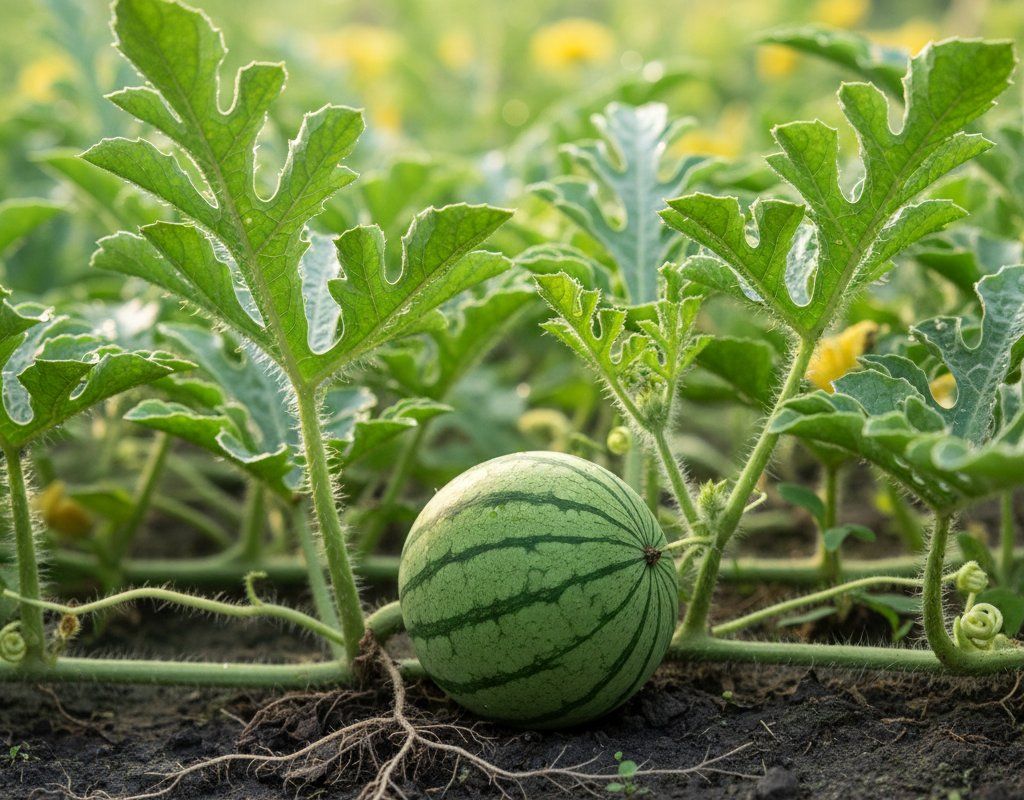
Watermelon in Zone 7A — Pacific Northwest
Citrullus lanatus · Your Complete 2026 Planting Guide
Planning Ahead — Great!
You’re ahead of the season. Here’s when to start.
Mark Your Calendar
How to Plant Watermelon in Zone 7A — Pacific Northwest
Here are all your options for getting watermelon in the ground, from the easiest method to more advanced approaches.
Direct Sow Seeds
RecommendedEarly May through mid July
around May 4
Consider succession planting every 2-3 weeks for continuous harvest.
Needs warm soil. Direct sow works in zones 6+. Start indoors in colder zones.
Buy Starts
Works WellEarly May through early June
around May 4
Plant purchased starts after last frost (April 20).
Start Seeds Indoors
Works WellEarly to late April
around April 13
Then transplant: Early May through early June
Start seeds 3-5 weeks before transplanting outdoors.
Handle seedlings carefully — melons resent root disturbance.
Transplant Outdoors
Timing InfoEarly May through early June
around May 4
Wait until nighttime temperatures stay above 50°F.
You have a nice window — no need to rush.
Overview
Watermelon in the Pacific Northwest? Absolutely. While our mild summers might seem too cool for this classic heat-lover, choosing the right varieties and timing can reward you with sweet, homegrown melons that put grocery store options to shame. Our cool nights actually help concentrate sugars in the fruit, creating surprisingly flavorful watermelons when you give them enough time and warmth.
Yes, watermelons prefer more heat than our typical 82°F summer highs provide, but don't let that discourage you. With our generous 183-day growing season and strategic planting, you can successfully grow smaller, early-maturing varieties. The key is starting early enough to capture every bit of available warmth and choosing varieties bred for shorter seasons.
Starting Seeds Indoors
Starting watermelon seeds indoors makes sense in the Pacific Northwest when you want to maximize your growing season or try larger varieties that need extra time. Start seeds early to late April, about 3 weeks before you plan to transplant them outside. This gives you a head start while our soils are still warming up from those overcast spring days.
Use biodegradable peat pots or newspaper pots since watermelons hate root disturbance. Plant 2-3 seeds per pot and keep them warm (75-80°F) for best germination. Bottom watering works well to avoid disturbing the emerging seedlings. Provide bright light once they sprout, either from a sunny south window or grow lights.
Handle the seedlings gently throughout the process. Melons are notoriously fussy about transplanting, so the less you disturb their roots, the better they'll establish in your garden. Thin to the strongest seedling per pot once they develop their first true leaves.
Transplanting Outdoors
Transplant your indoor-started watermelon seedlings from early May through early June, after soil temperatures consistently stay above 60°F. In our region, this usually means waiting until mid-May to be safe, though you can risk it earlier if you're watching the weather closely.
Harden off seedlings gradually over a full week, starting with just 2-3 hours of outdoor exposure and building up to full days. Our spring weather can swing dramatically, so don't rush this process. Space transplants 6-8 feet apart - watermelon vines spread extensively and need room to roam.
Choose your warmest, most protected spot with excellent drainage. Consider using black plastic mulch or row covers for the first few weeks to help retain soil warmth. Remove covers once flowers appear so pollinators can do their work.
Direct Sowing
Direct sowing is actually the preferred method for watermelons in the Pacific Northwest since they dislike root disturbance. Sow seeds from early May through mid-July, with the sweet spot being mid to late May when soil temperatures reach 65°F consistently. Use a soil thermometer to be sure - cool soil leads to poor germination and weak plants.
Prepare your planting area by working in plenty of compost and ensuring excellent drainage. Plant 3-4 seeds in hills spaced 6-8 feet apart, or sow in rows with the same spacing between plants. Plant seeds 1 inch deep and keep soil consistently moist until germination occurs in 7-14 days.
Thin to the strongest plant per location once seedlings develop their first true leaves. Direct-sown melons often outperform transplants since their roots establish without shock. The trade-off is a later harvest, but in our long fall season, you still have plenty of time for fruit to develop.
Watering Watermelon in Zone 7A (Pacific Northwest)
Watermelons are thirsty plants that need consistent moisture throughout their growing season, but watering strategy in the Pacific Northwest differs significantly from hotter, more humid regions. During our dry summer months, you'll need to provide about 1-2 inches of water per week, focusing on deep, infrequent watering rather than daily sprinkles.
Water at soil level rather than overhead to prevent fungal issues and conserve water in our low-humidity summers. The finger test works well - stick your finger 2 inches into the soil near the base of the plant. If it's dry, it's time to water deeply. Soaker hoses or drip irrigation work particularly well for watermelons.
Pay special attention during fruit development when plants need the most water. However, reduce watering significantly 1-2 weeks before harvest to concentrate sugars and prevent bland, watery fruit. This timing trick works especially well in our climate since late summer rains are rare.
Apply a 2-3 inch layer of organic mulch around plants to retain moisture and keep soil temperatures stable. Grass clippings, straw, or shredded leaves work well and help extend the time between waterings during our typically dry August and September.
🧪Fertilizing Watermelon
Feeding Schedule
Organic Fertilizer Options
Harvest Time
Your first watermelons will be ready from late July through mid-October, with most varieties taking their full 85 days to mature. In the Pacific Northwest, timing depends heavily on when you planted and which variety you chose - early varieties planted in May often produce their first ripe fruit by late August.
Look for three key ripeness indicators: the ground spot (where the melon touches soil) changes from white to creamy yellow, the tendril nearest the fruit stem turns brown and dry, and the melon sounds hollow when thumped. The classic "thump test" takes practice, but ripe melons have a deeper, more resonant sound than unripe ones.
Cut the stem with sharp pruners rather than pulling the fruit, leaving about an inch of stem attached. Harvest in the morning when fruits are cool and handle gently to avoid bruising. Unlike some fruits, watermelons won't continue ripening once picked, so wait for full maturity indicators.
As our first frost approaches in mid-October, harvest any nearly ripe melons and bring them indoors. While they won't sweeten further, they may soften slightly. Smaller, obviously unripe fruits won't improve off the vine, so focus your efforts on the promising ones that just need a few more degrees of warmth.
Common Problems in Zone 7A (Pacific Northwest)
Fusarium Wilt Watch for wilting that starts on one side of the plant before spreading to the entire vine, often accompanied by yellowing leaves that begin on just one side. When you cut open an affected stem, you'll see brown streaks running through the interior. This soil-borne fungus thrives in our gradually warming spring soils and can persist for years.
Plant resistant varieties marked with 'F' on seed packets and maintain a 4-year rotation with non-cucurbit crops. Raising soil pH above 6.5 helps suppress the fungus. Once a plant is infected, remove and destroy it immediately - there's no cure, only prevention.
Anthracnose This fungal disease appears as sunken, dark circular spots on fruits, stems, and leaves. During wet weather, you might notice pink or orange spore masses in the center of spots. While less common in our dry summers, it can strike during unusually wet periods or if you're using overhead watering.
Prevent anthracnose by watering at soil level and ensuring good air circulation around plants. Remove any infected plant debris promptly and consider applying copper fungicide preventatively if you've had problems before. Always use disease-free seeds from reputable sources.
Poor Pollination Fruits that are small, misshapen, or fail to develop properly often indicate pollination problems. You might see flowers blooming and dropping off, or fruits that start developing but remain small and oddly shaped. This can happen when pollinators are scarce or when cool, overcast weather interferes with their activity.
Hand-pollinate with a small paintbrush during morning hours when flowers are fully open. Plant bee-friendly flowers nearby and avoid using pesticides during blooming. Our cool spring weather can delay pollinator activity, so be patient and consider hand-pollination for the first few fruits.
Pacific Northwest Specific Challenges Our mild summers and cool soil in spring create unique challenges for watermelons. The limited heat means choosing early varieties and maximizing warmth through mulches and protected locations. While slugs typically prefer other crops, they may sample young seedlings during wet springs, so use copper barriers or organic slug bait around newly planted areas.
Best Companions for Watermelon
Plant these nearby for healthier Watermelon and better harvests.

Keep Away From
Companion Planting Details
Plant watermelons alongside corn, which provides natural wind protection and light shade during the hottest part of our mild summer days. The corn's height creates beneficial microclimates without significantly reducing light. Radishes make excellent companions when planted around the base of watermelon hills - they break up soil, mature quickly before the melon vines spread, and may help deter cucumber beetles.
Sunflowers planted nearby attract beneficial pollinators crucial for good fruit set, especially important in the Pacific Northwest where cool, overcast weather can reduce natural pollinator activity. Avoid planting near potatoes, which can harbor similar root diseases and compete heavily for soil nutrients that your hungry watermelon vines need for proper fruit development.
🌸Best Flowers to Plant with Watermelon
These flowers protect your Watermelon from pests and attract pollinators for better harvests.


Get a Reminder When It's Time to Plant
We'll email you when key planting windows open for your zone.