Gardening in Zone 7A — Pacific Northwest
Zone 7A is a gardener's sweet spot—mild enough to grow an impressive variety of crops, but with enough winter chill to satisfy plants that need some cold dormancy. Your growing season stretches nearly 200 days, giving you ample time to cultivate everything from juicy tomatoes to crisp peppers and lush leafy greens.
This zone offers remarkable versatility. You can grow heat-loving crops like eggplant and jalapeños alongside cool-season vegetables like spinach and broccoli. The moderate winters mean you can start many crops earlier and extend harvests longer than gardeners in more extreme climates. Your primary challenge will be managing early summer heat waves, which can stress young plants and require strategic watering and shade techniques.
✓ Regional Advantages
- • Few pest pressures
- • Cool nights improve flavor
- • Long mild fall
- • Less watering needed
⚠ Regional Challenges
- • Late blight
- • Cool soil in spring
- • Short heat for warm-season crops
- • Slugs
Pacific Northwest Climate Profile
Mild, dry summers with wet, mild winters
Best Plants for Zone 7A
102 plants thrive in Zone 7A's 183-day growing season. Click any plant for zone-specific planting dates.
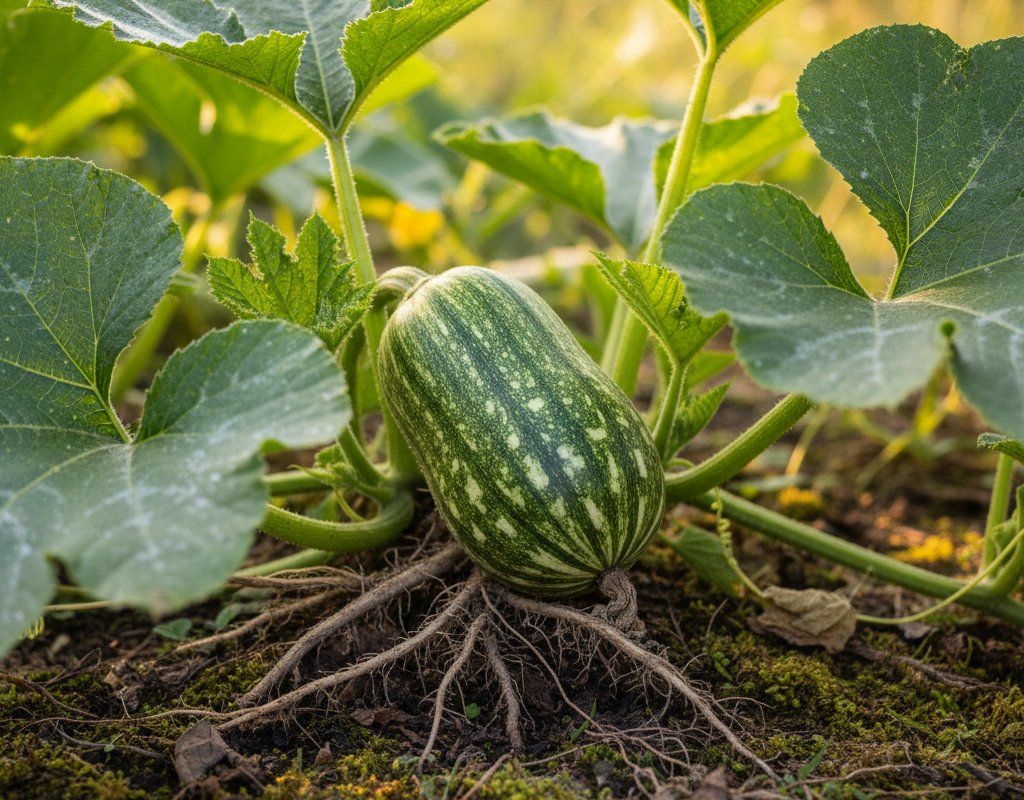
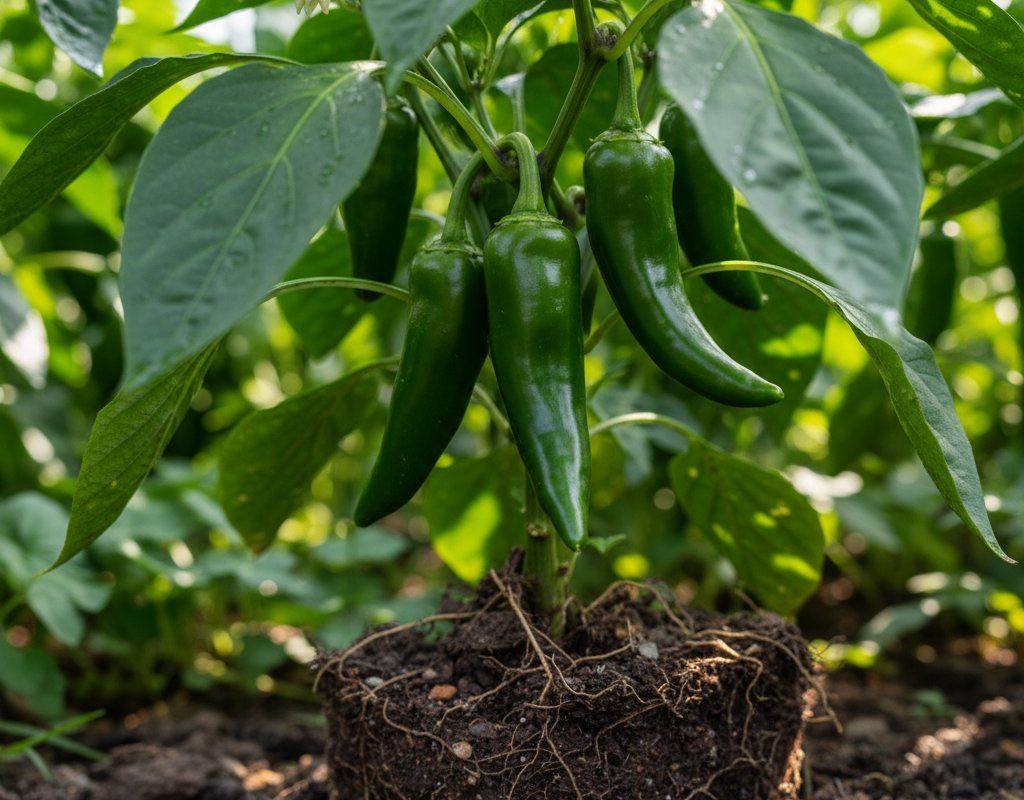
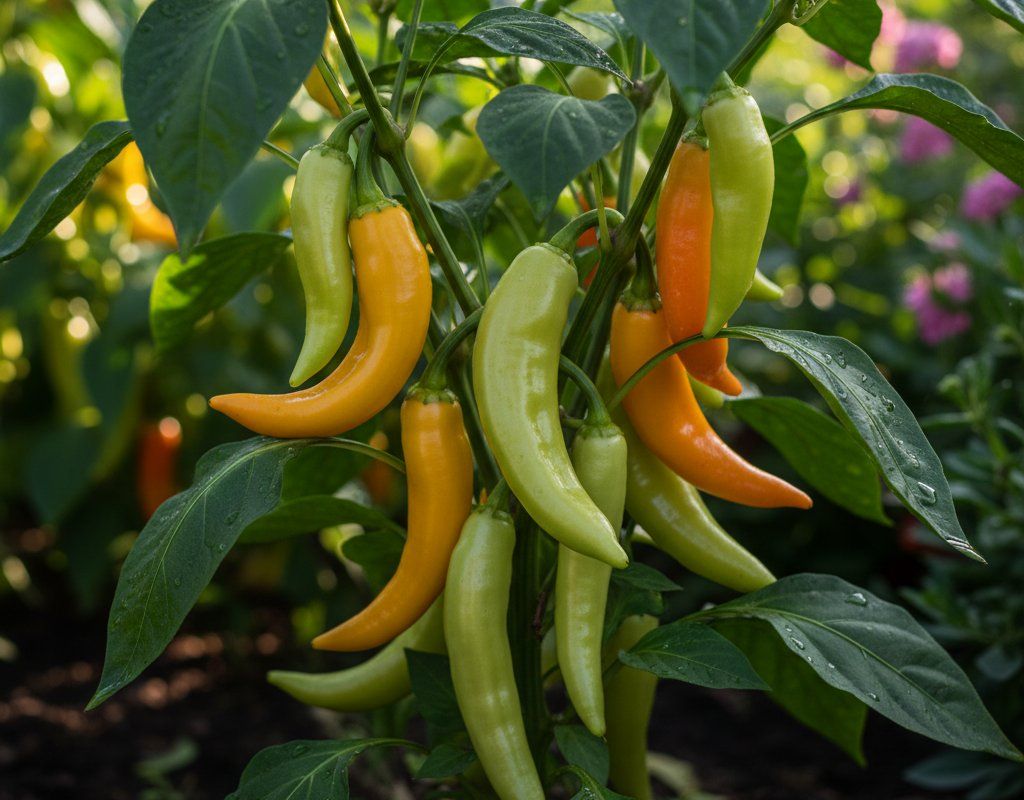
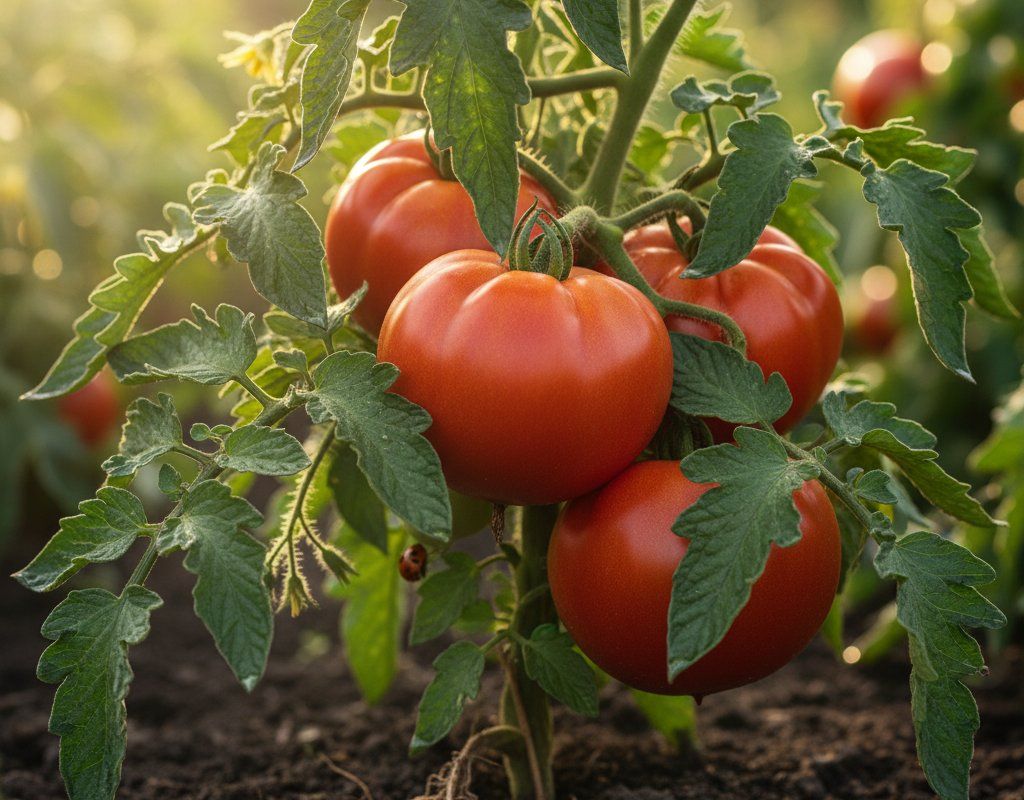
🍅Fruiting Vegetables (37)
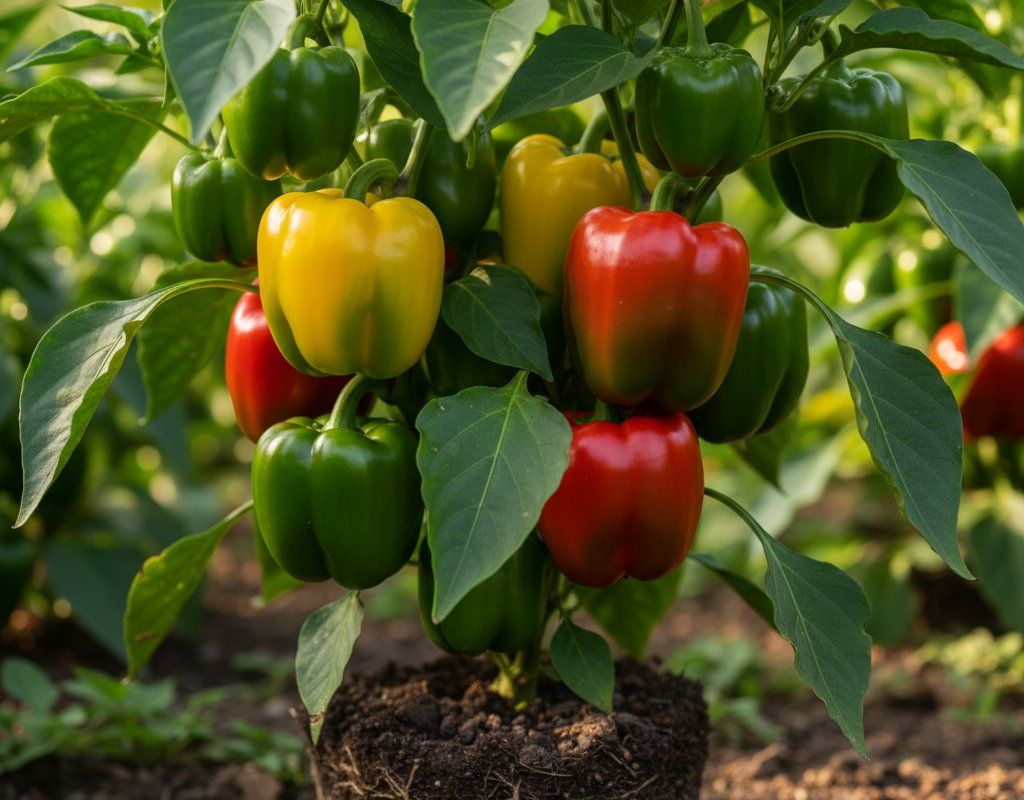
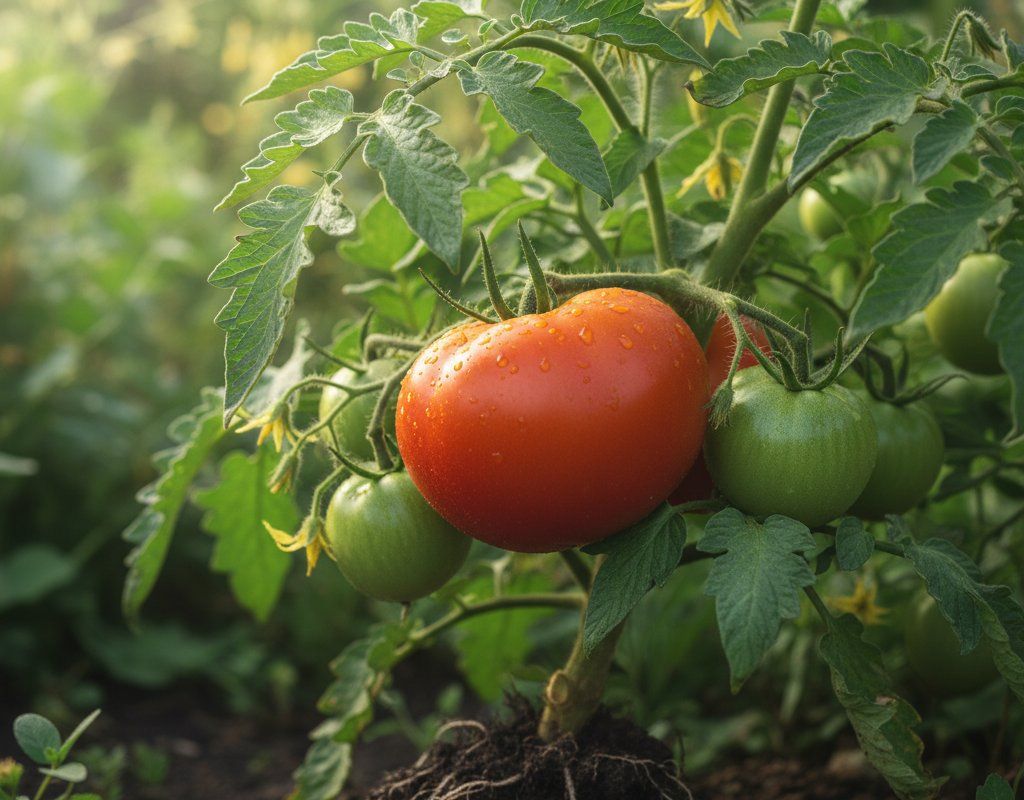
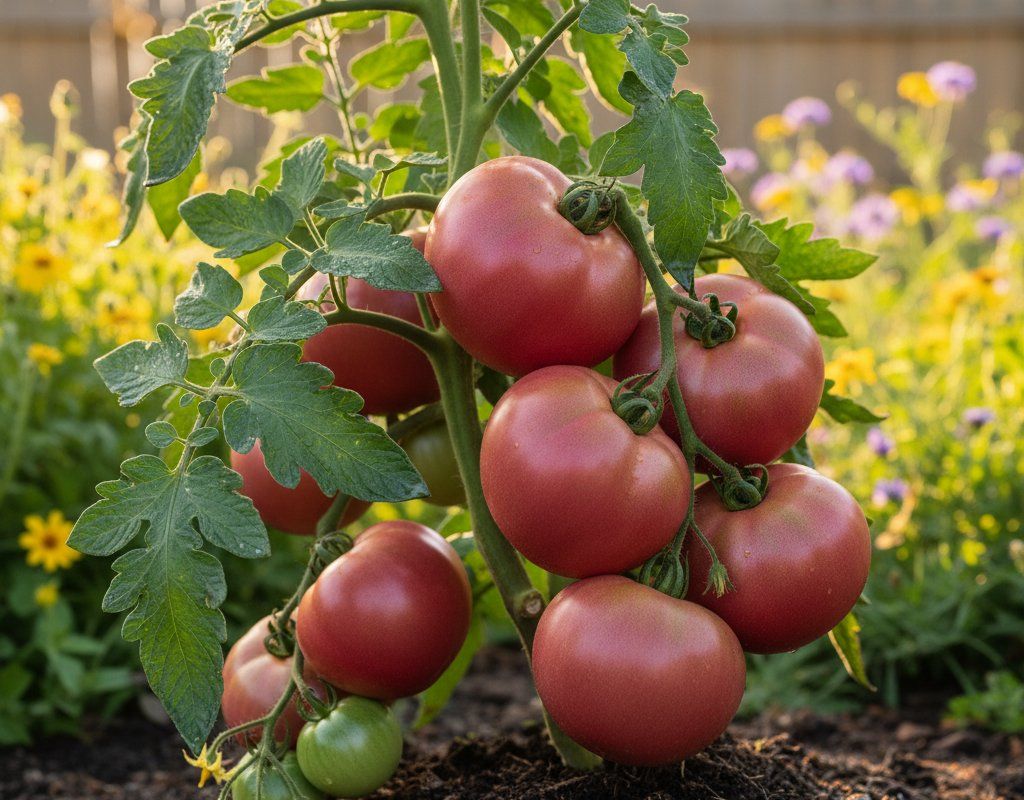
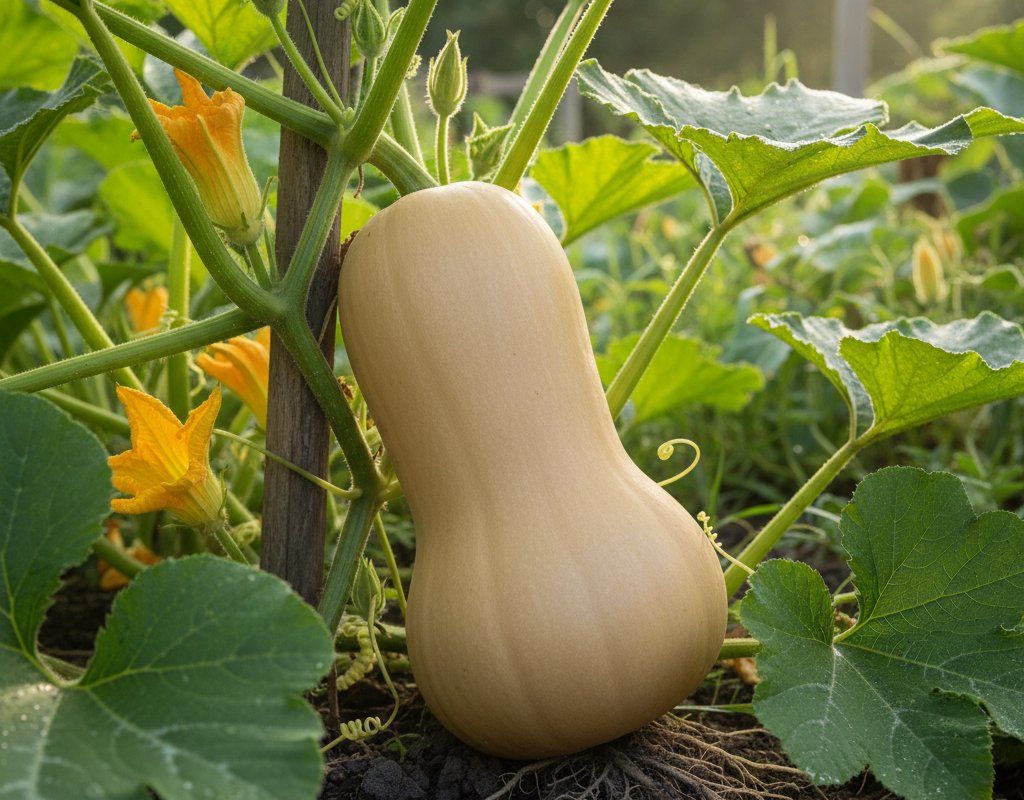
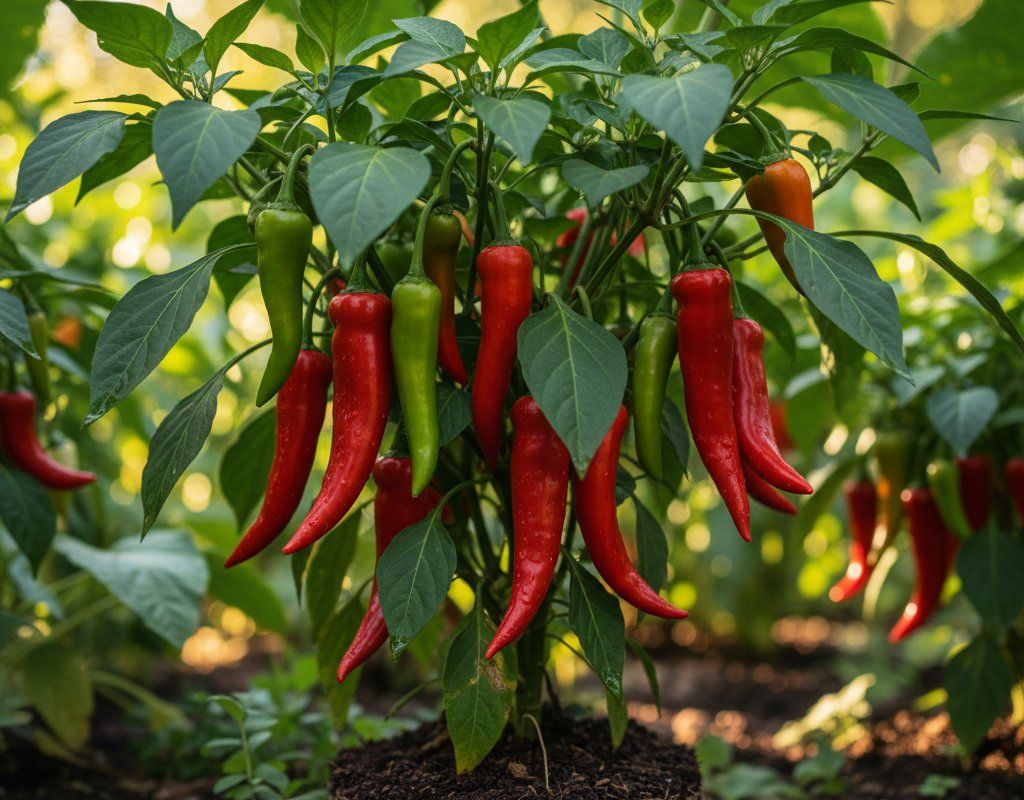
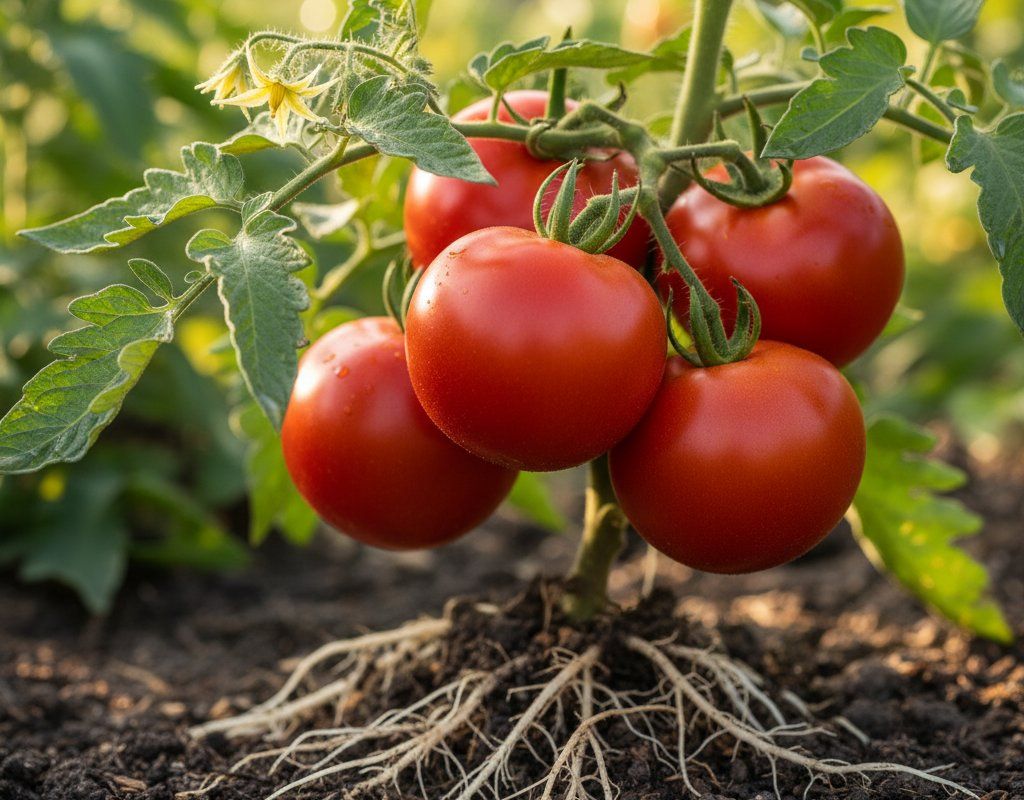

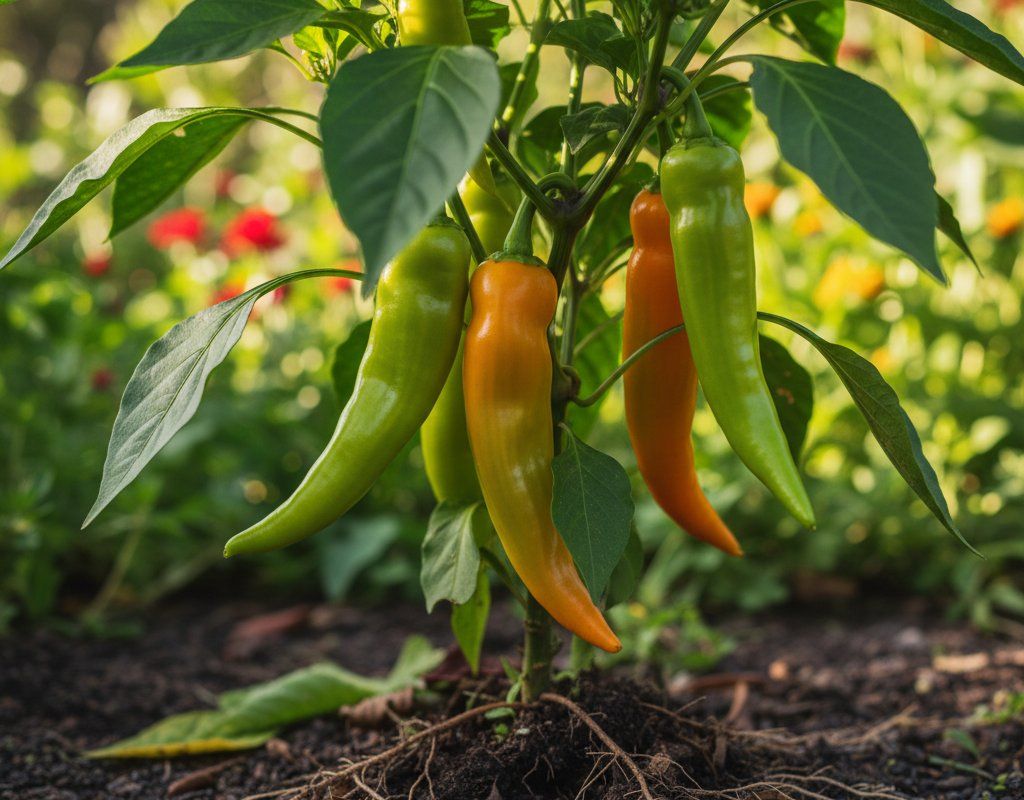

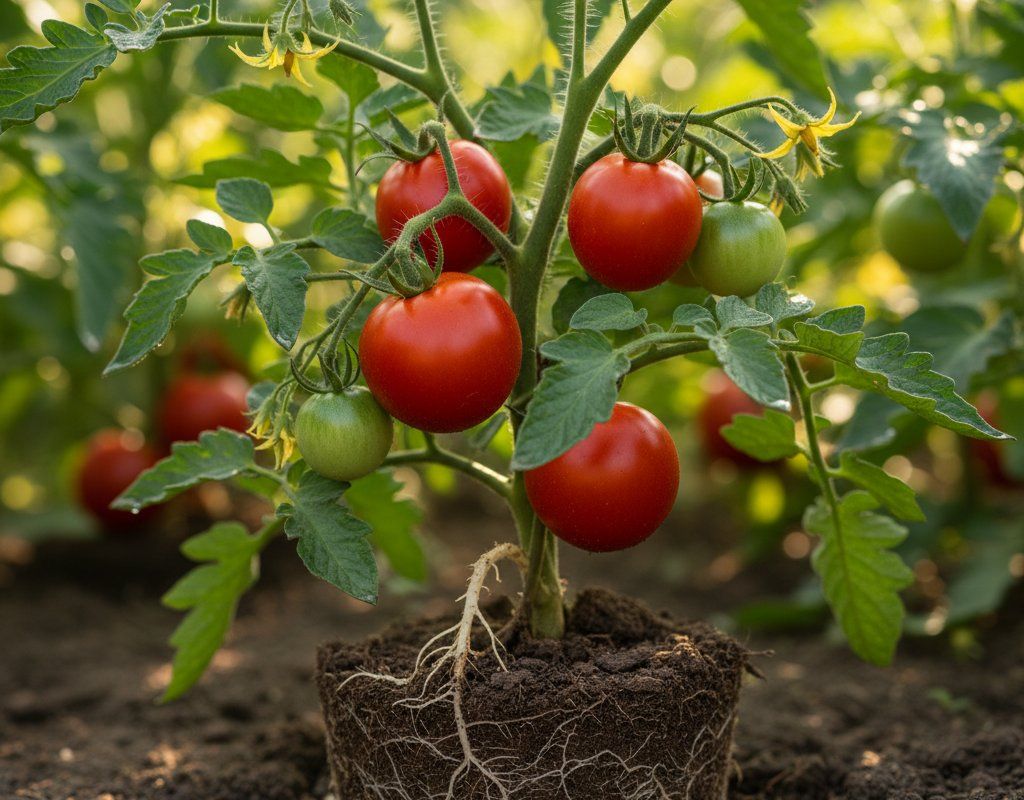
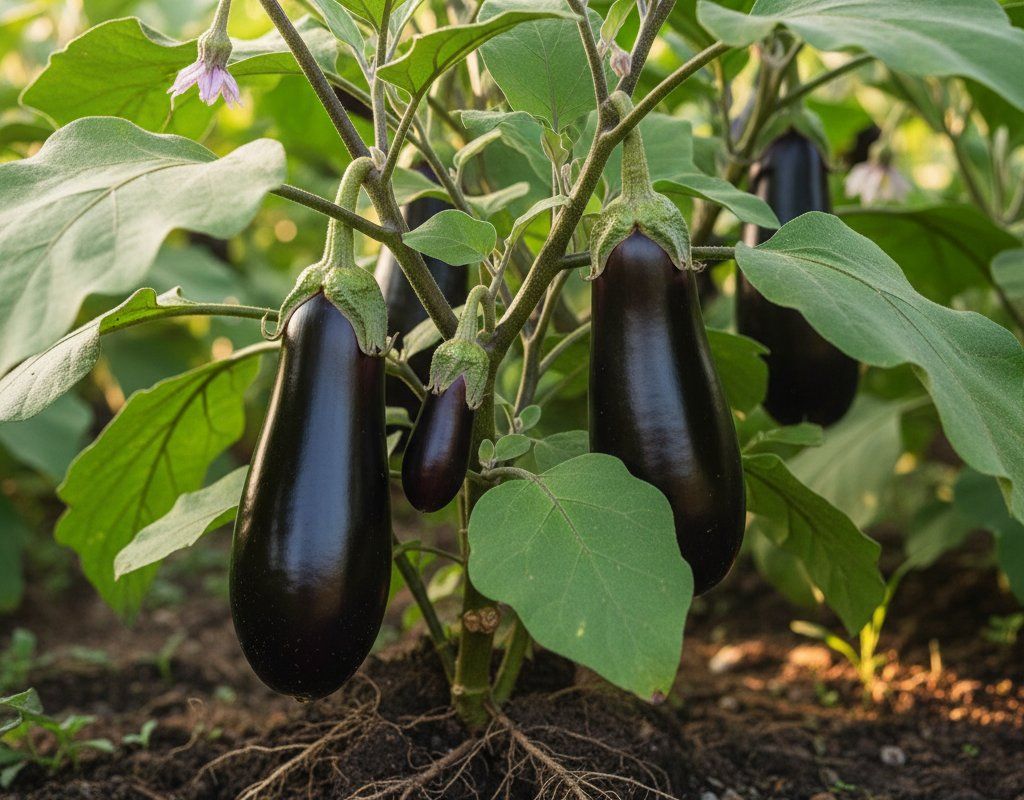

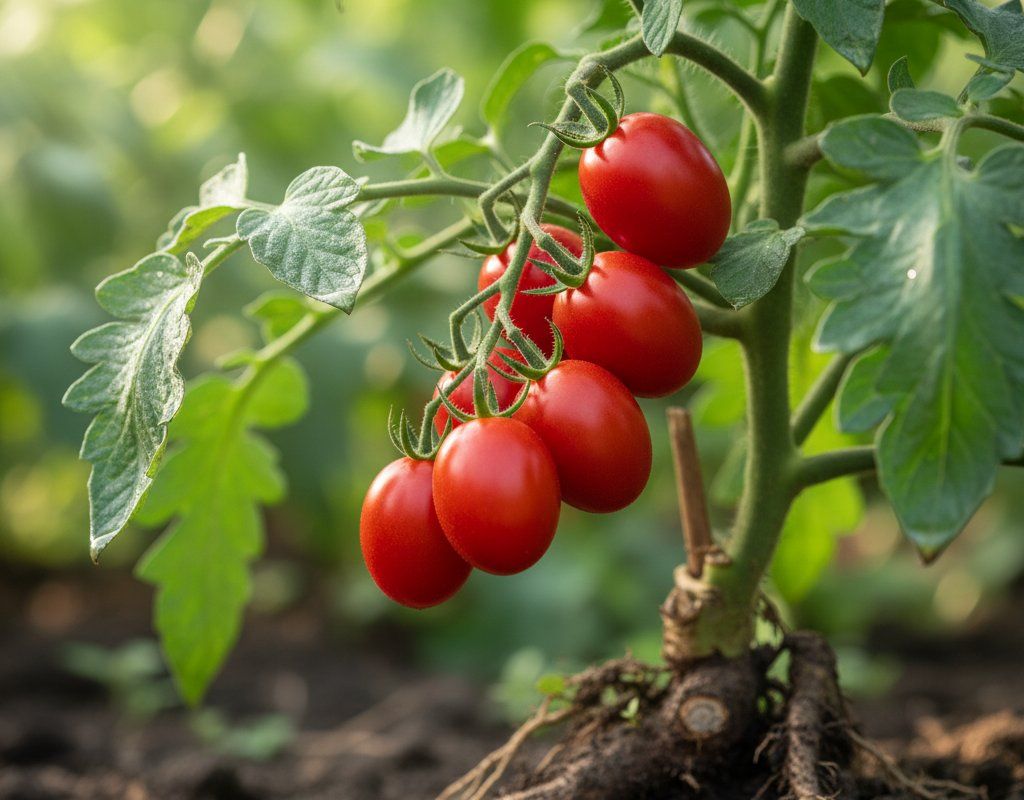
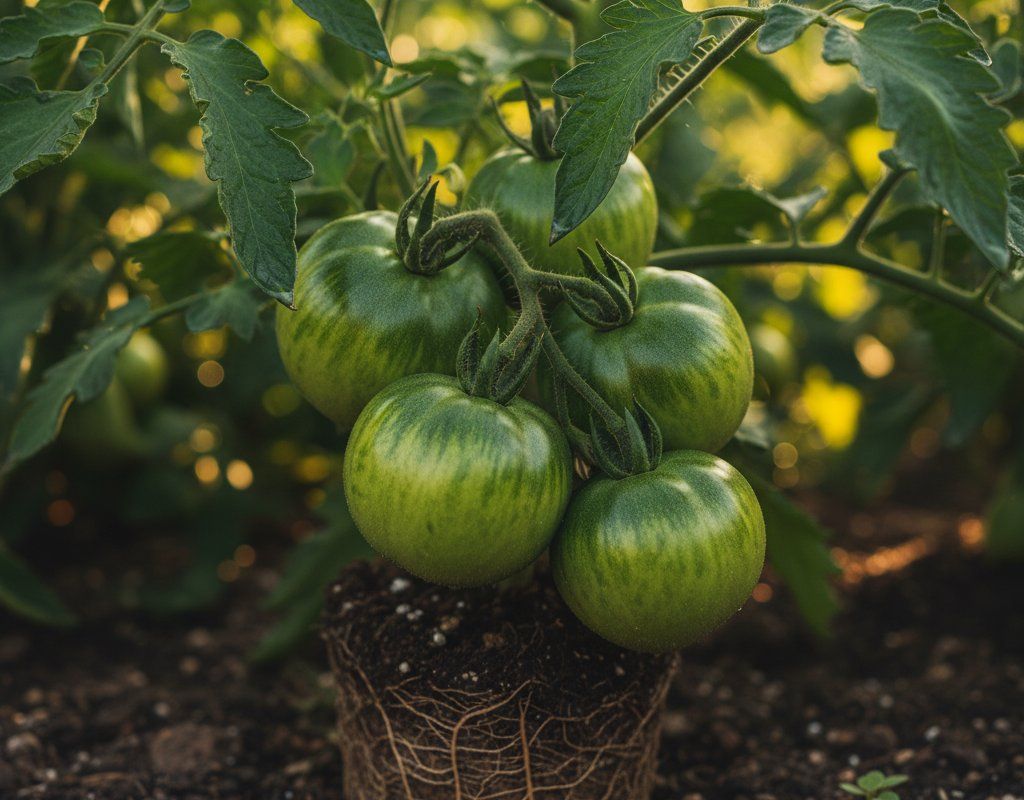
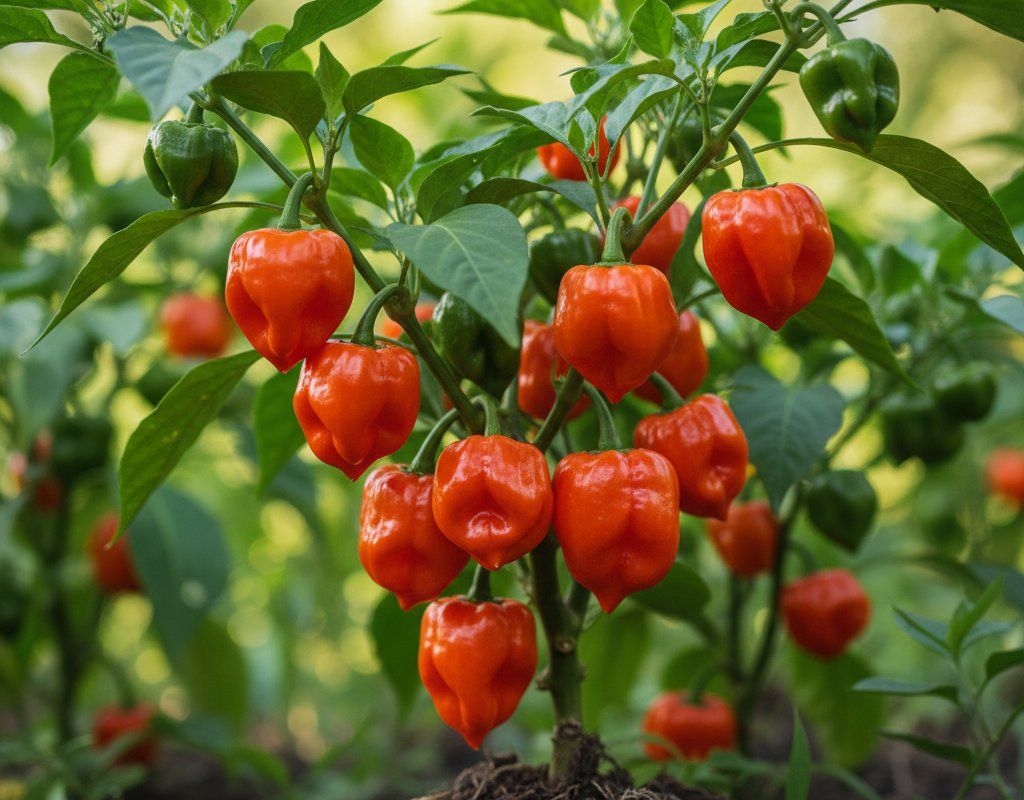
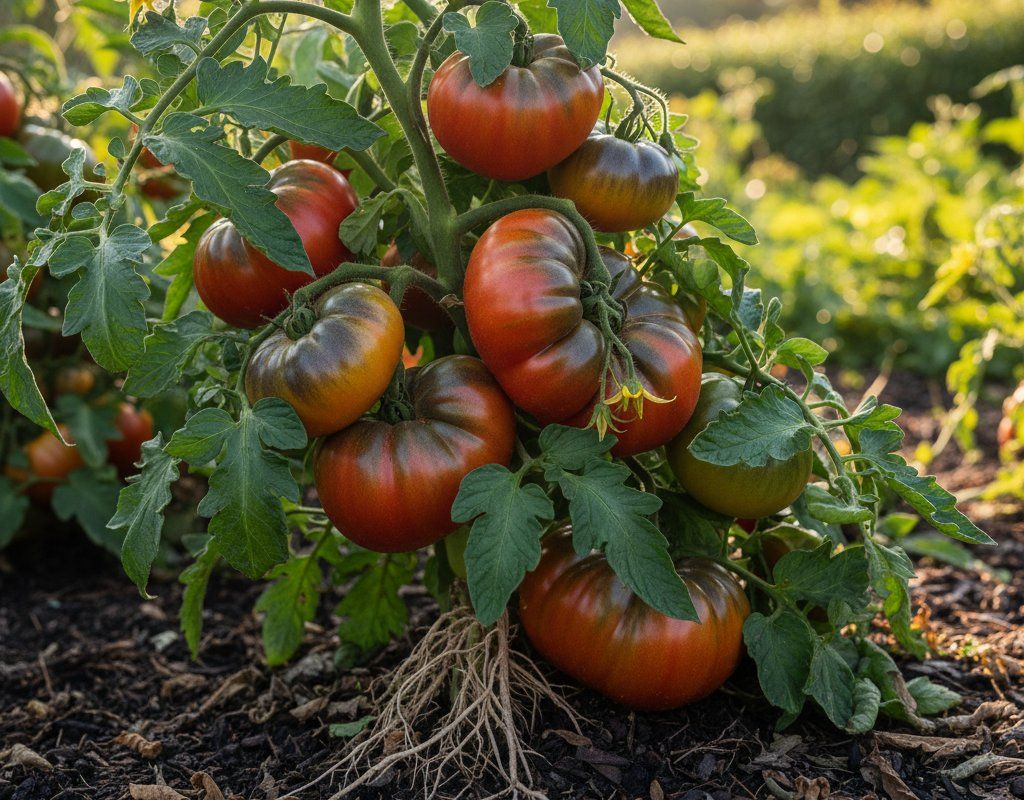
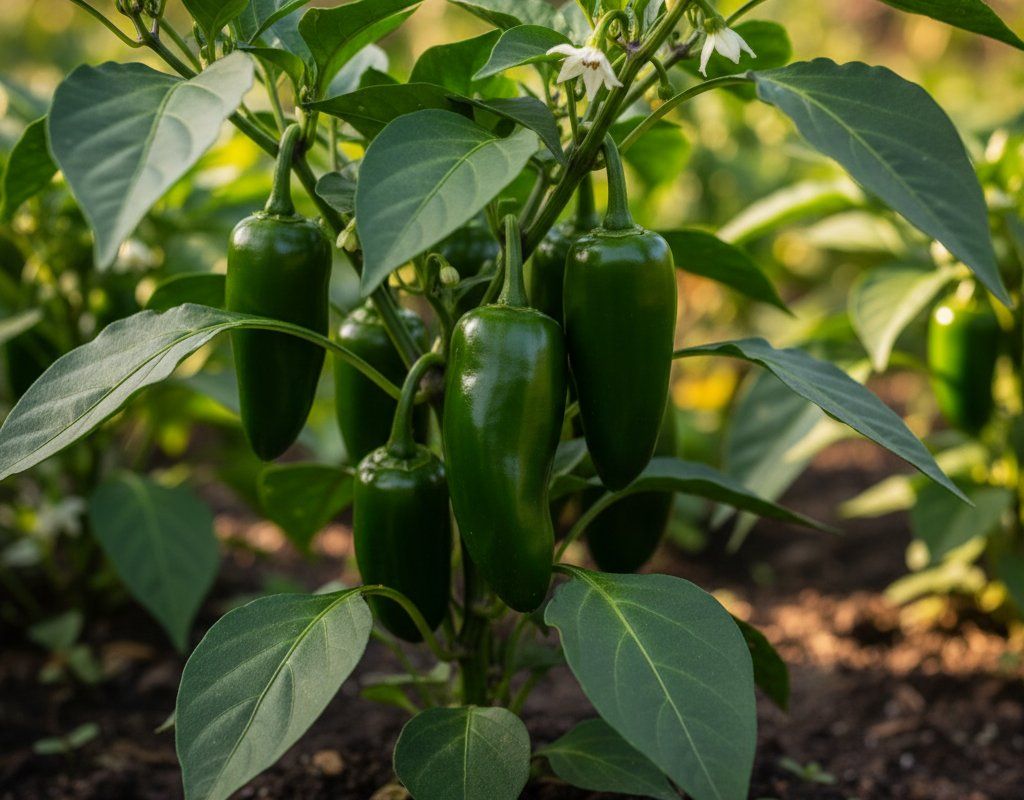

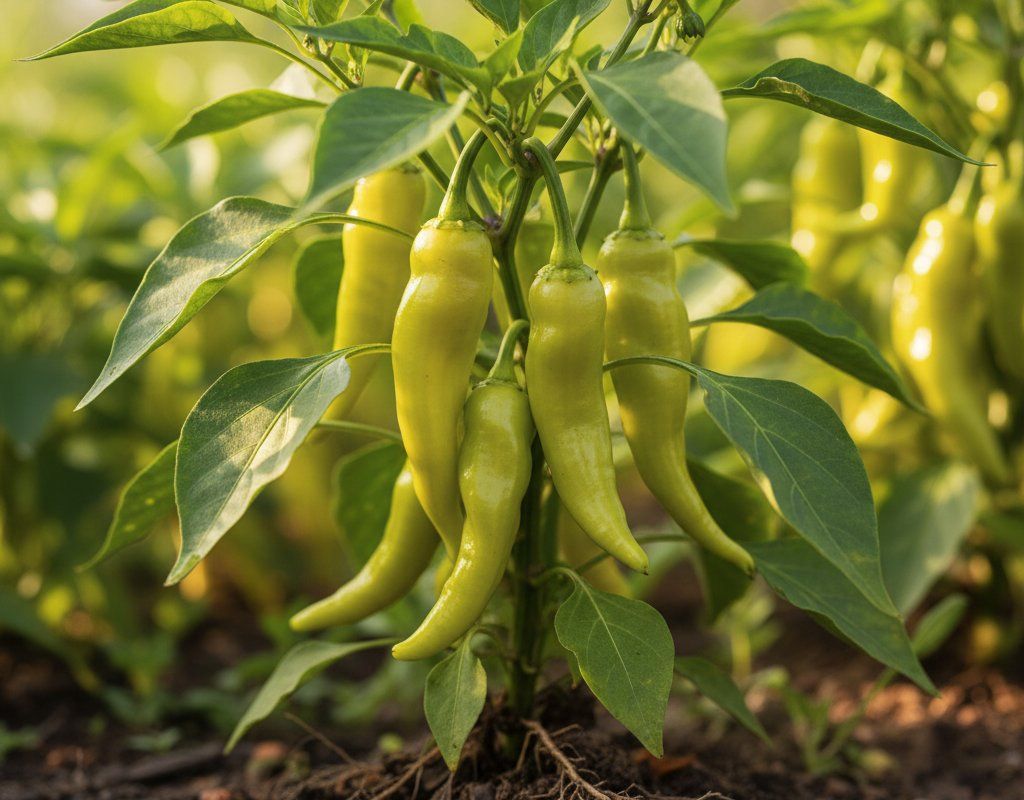
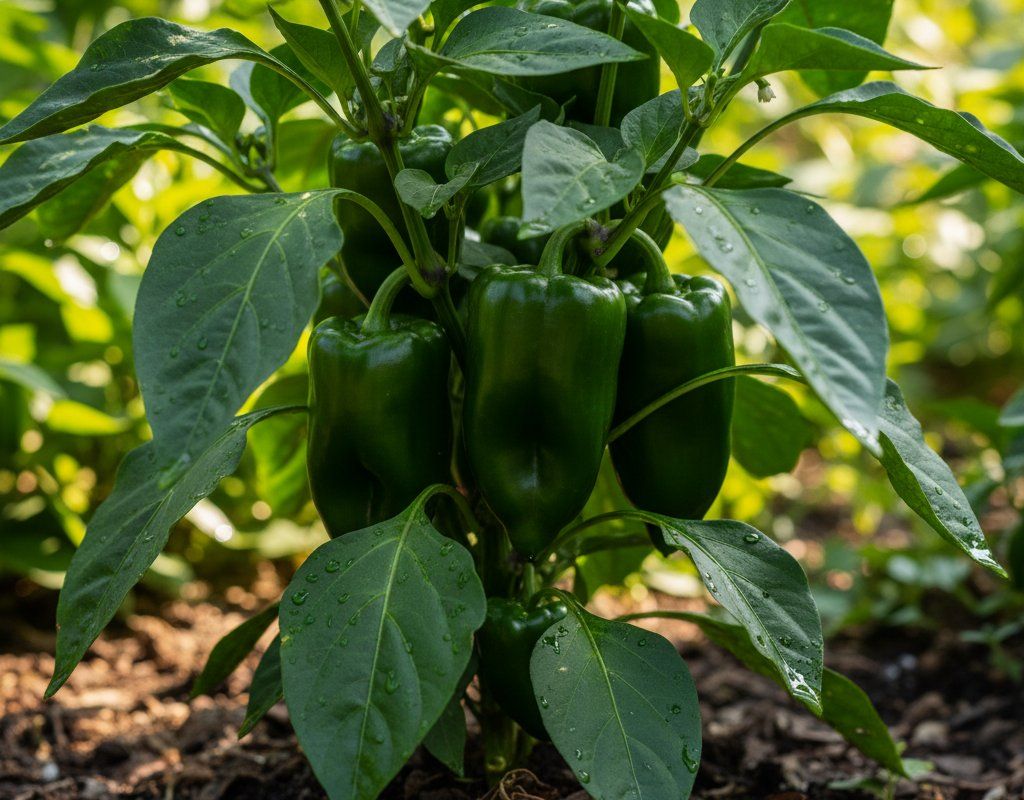

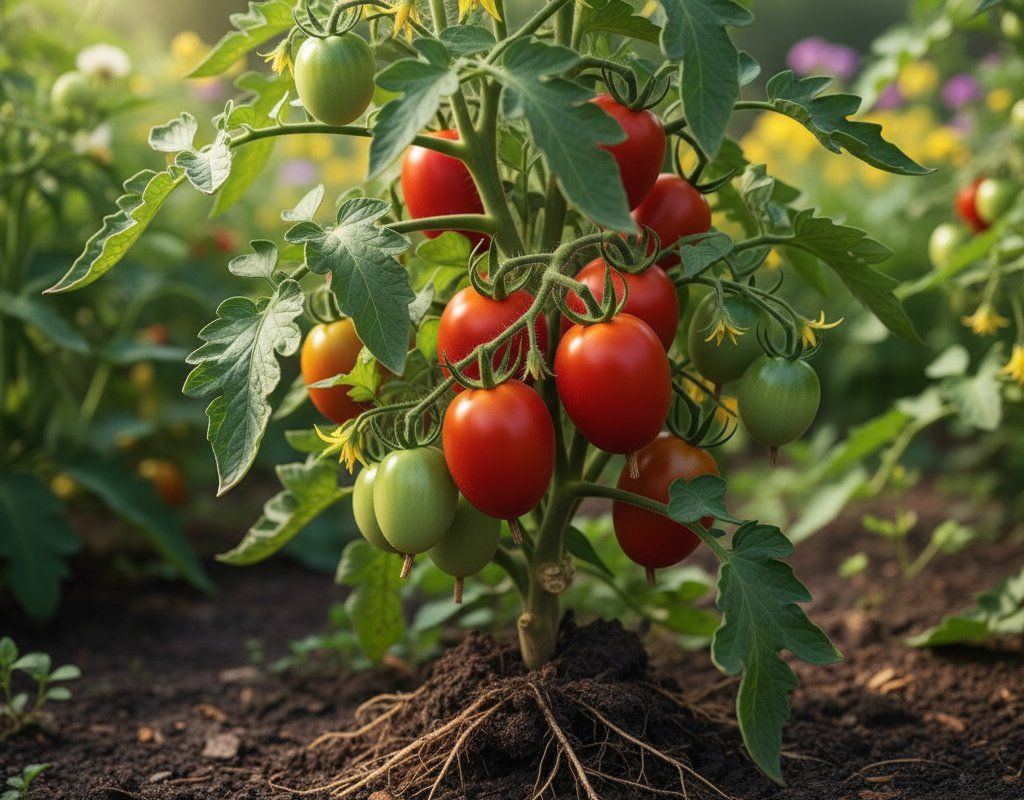
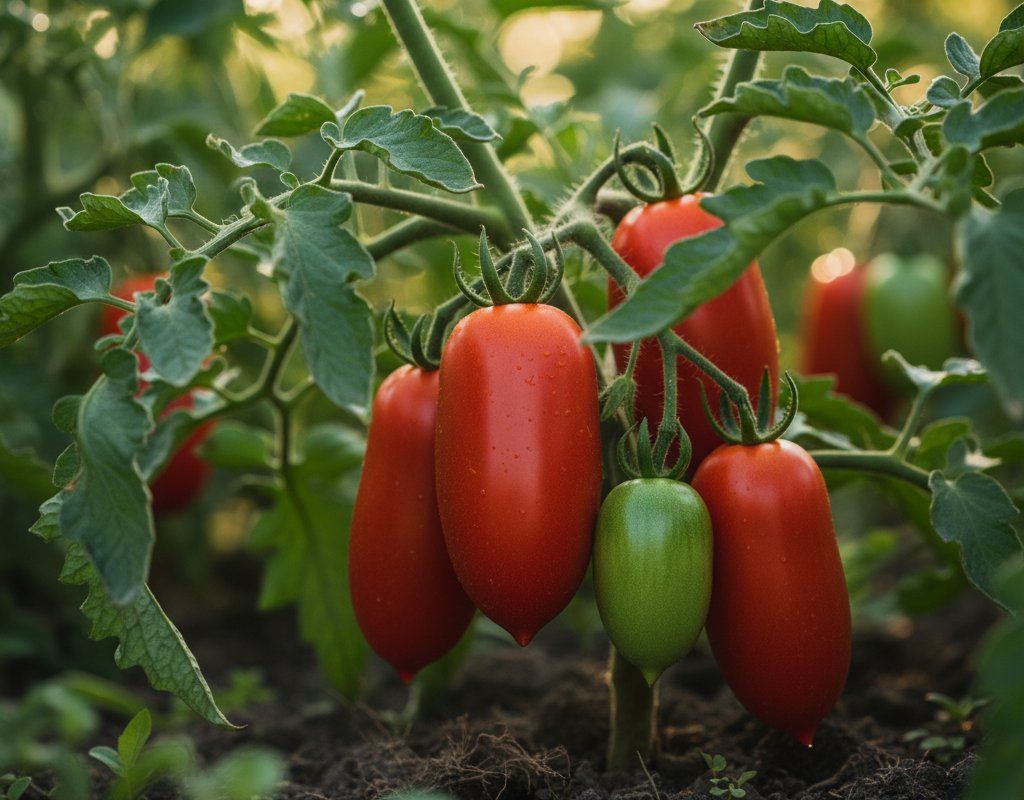
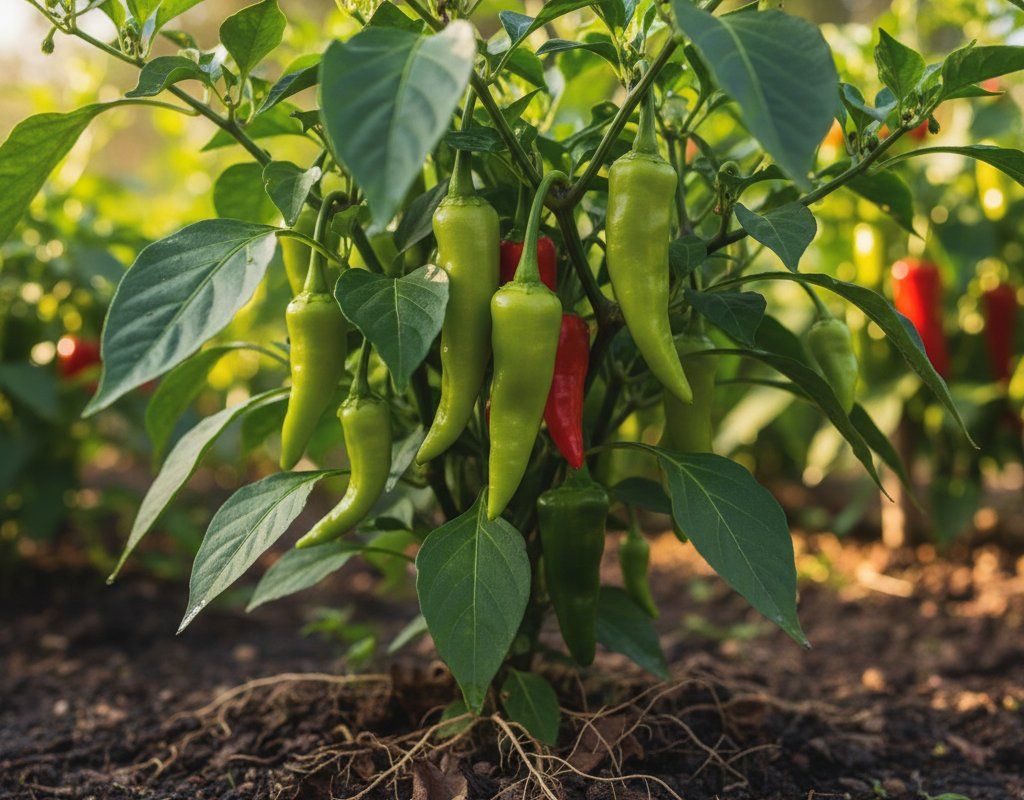
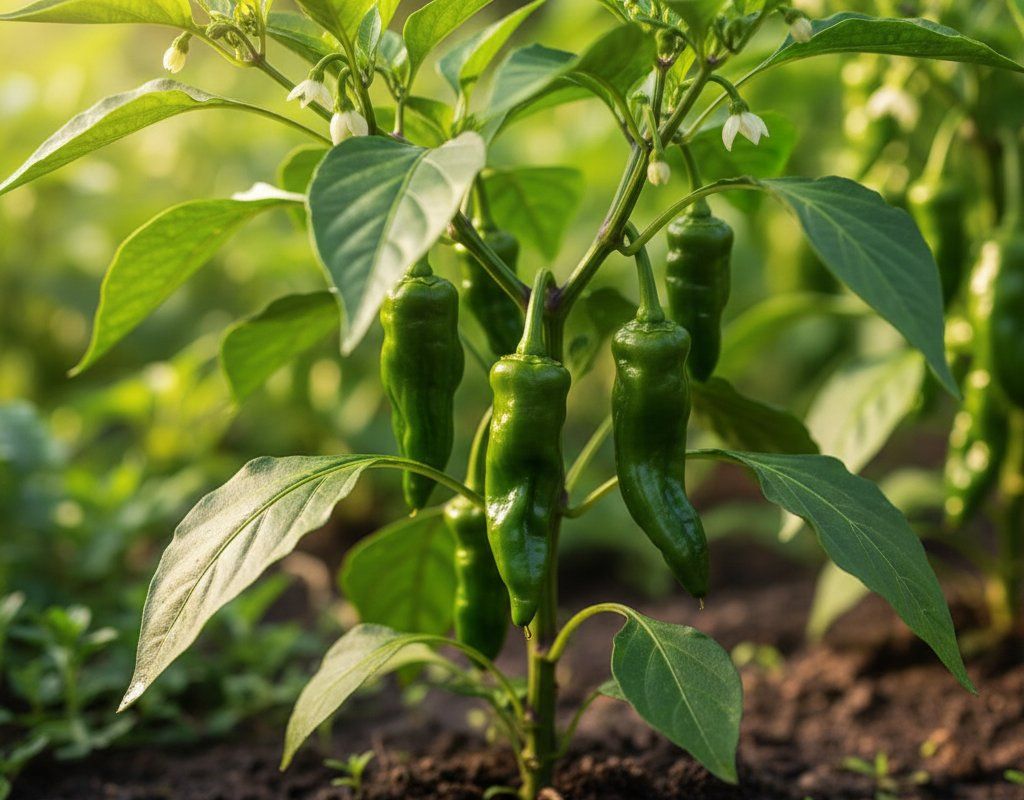
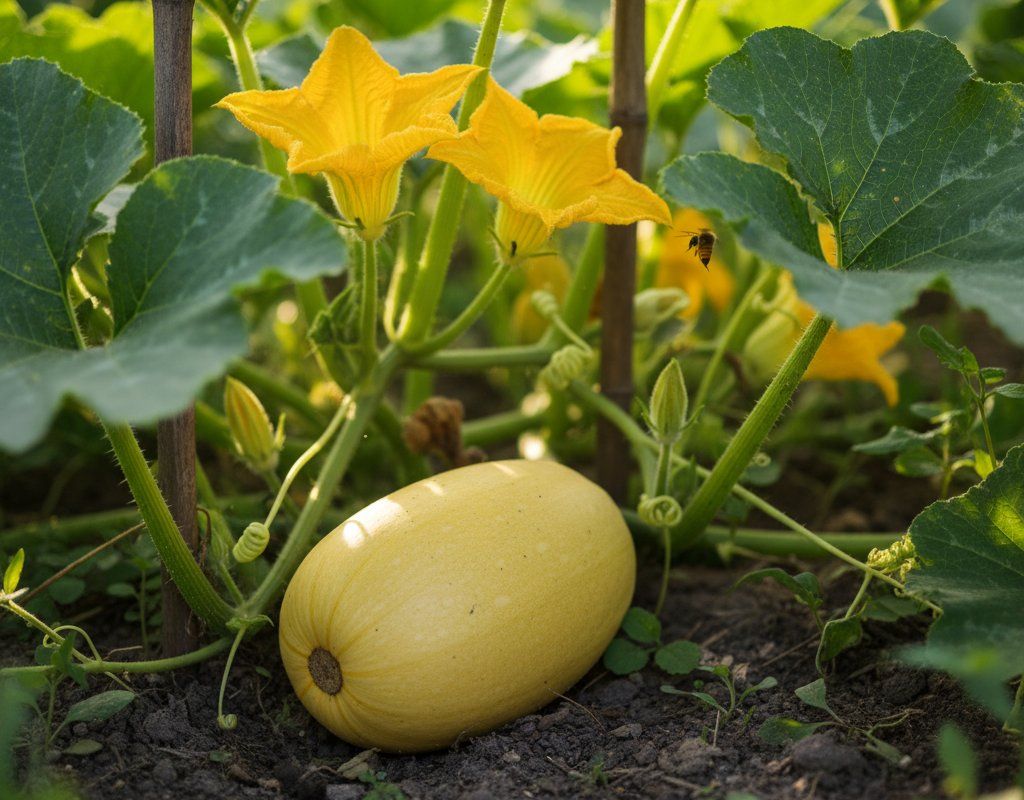

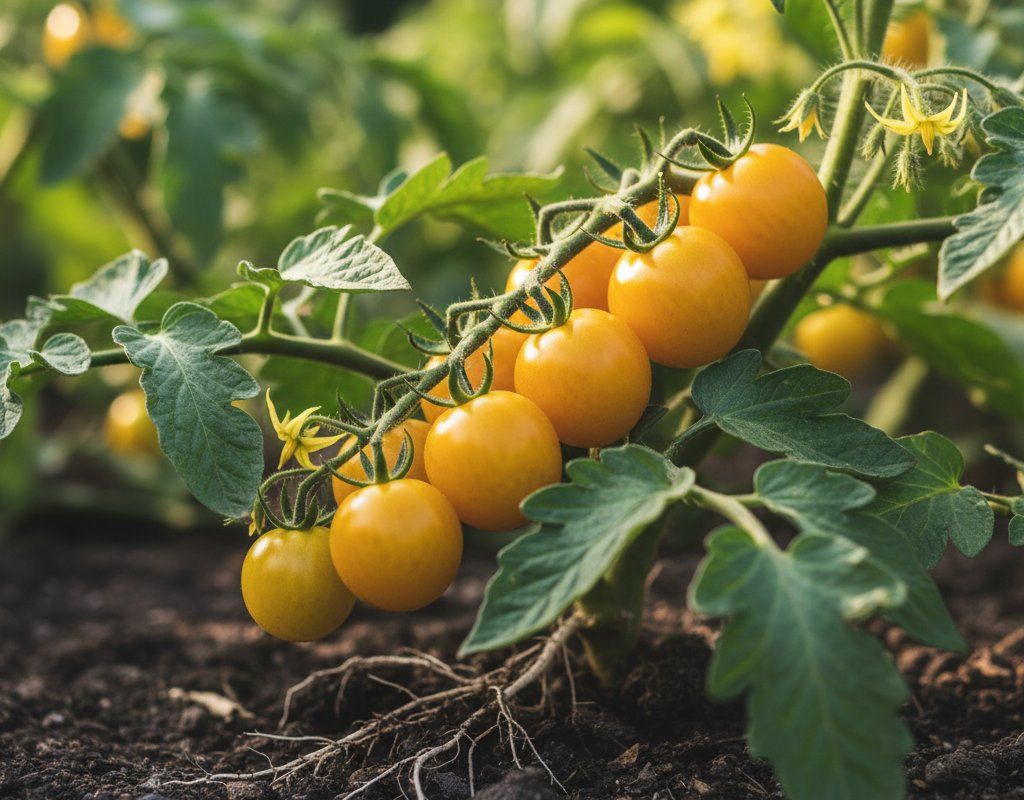
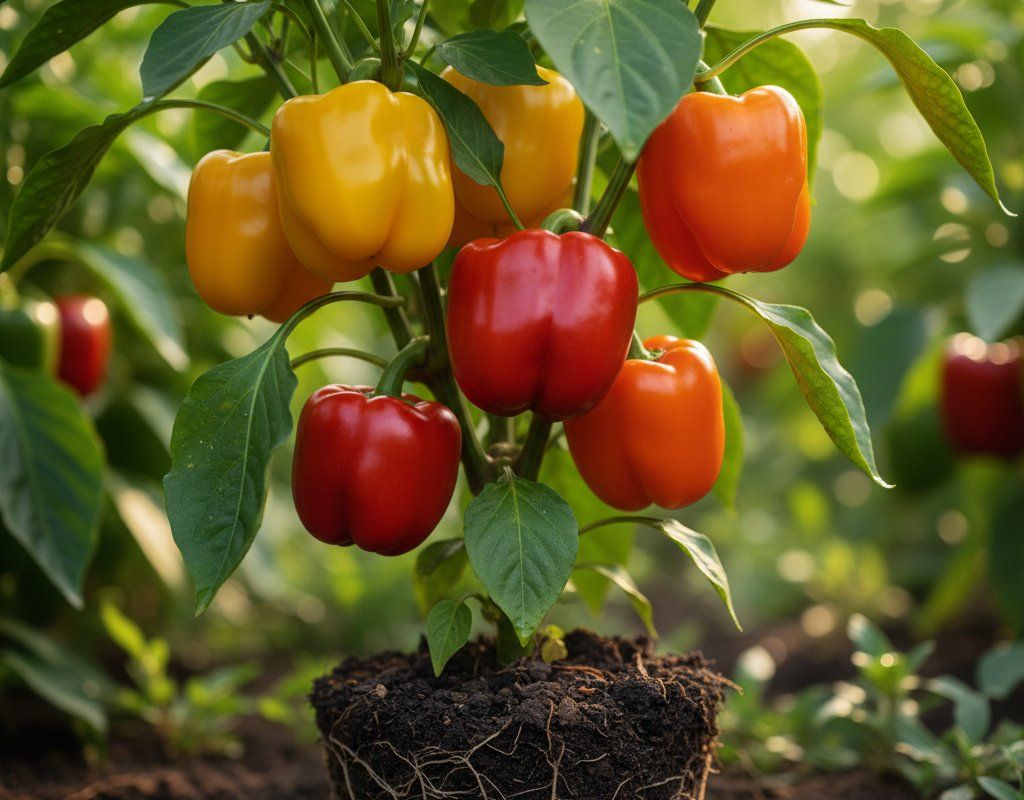
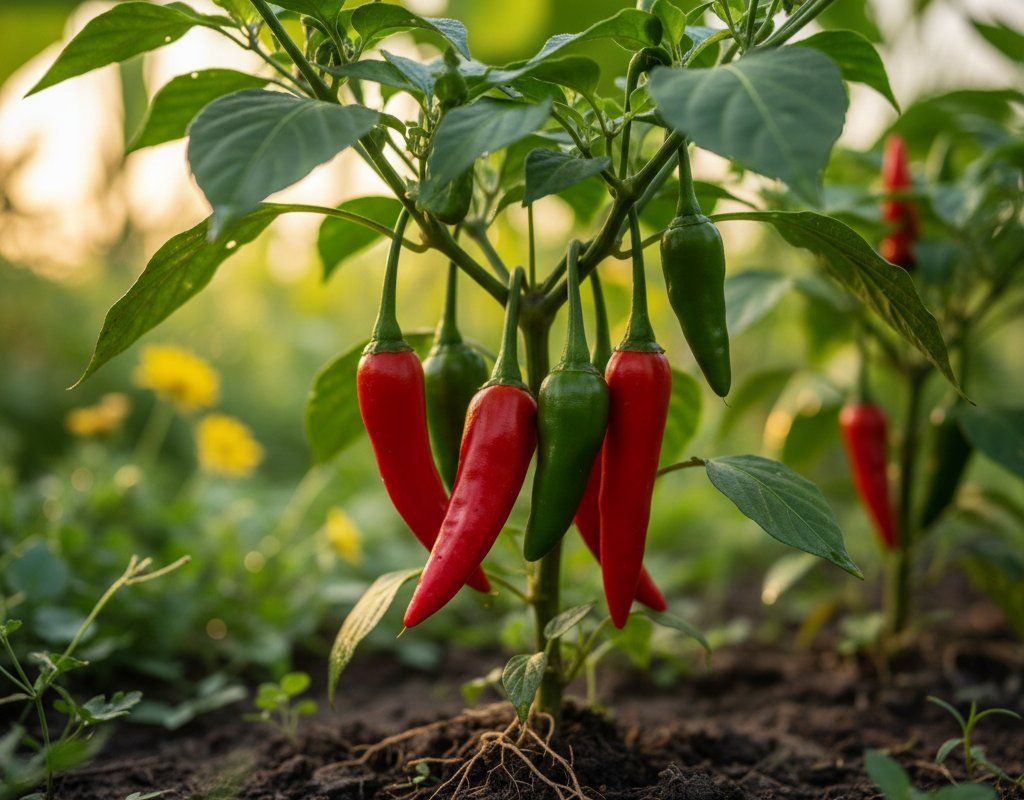

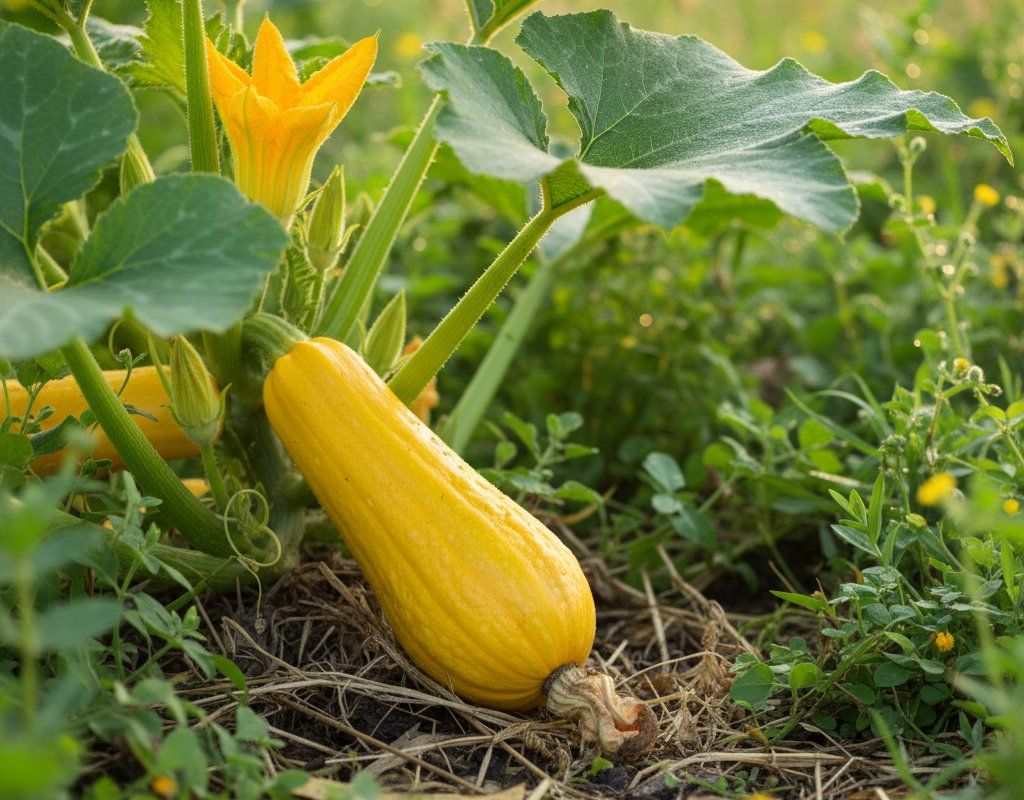
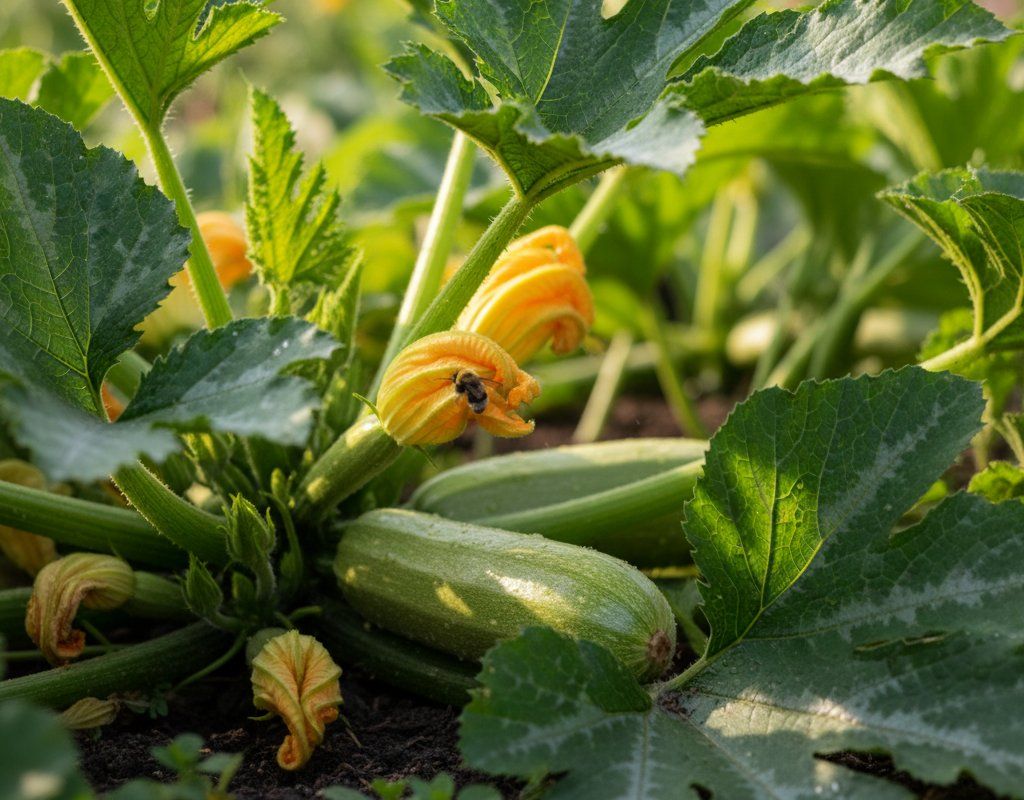
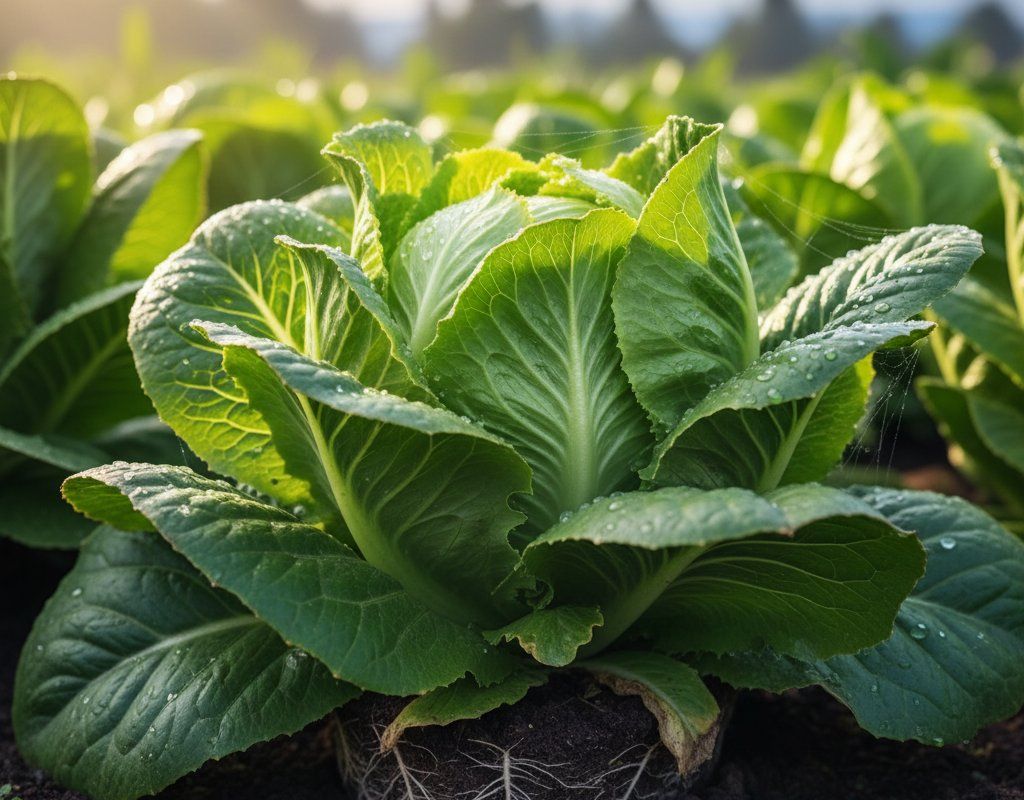
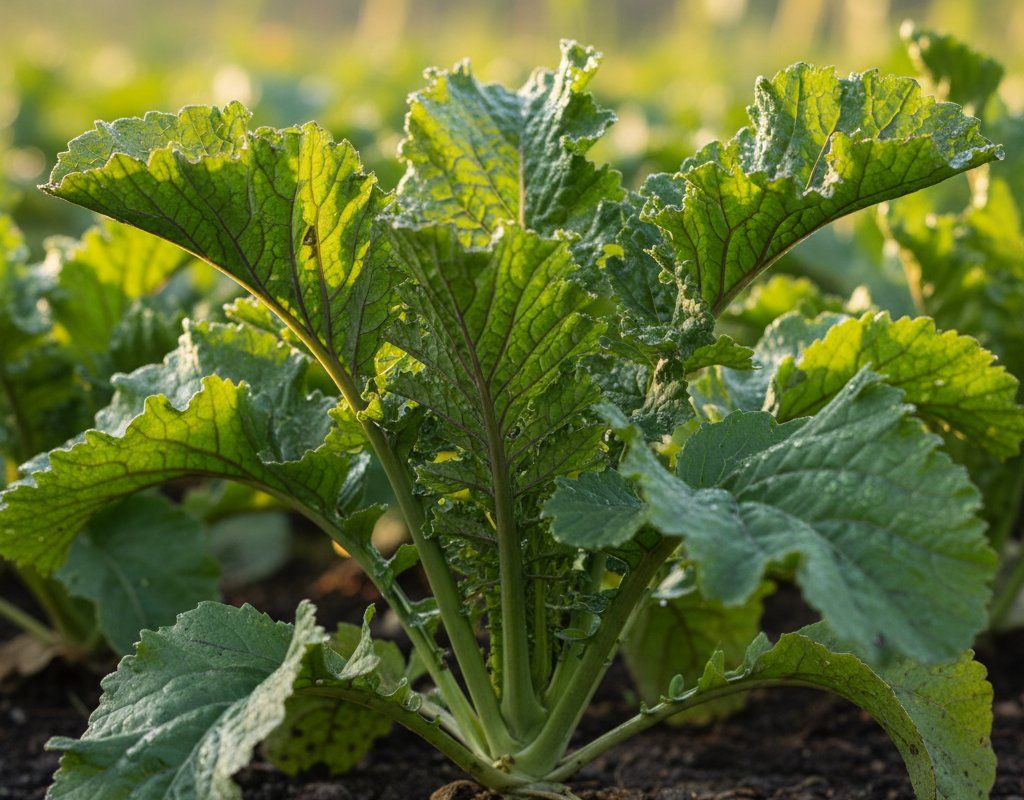
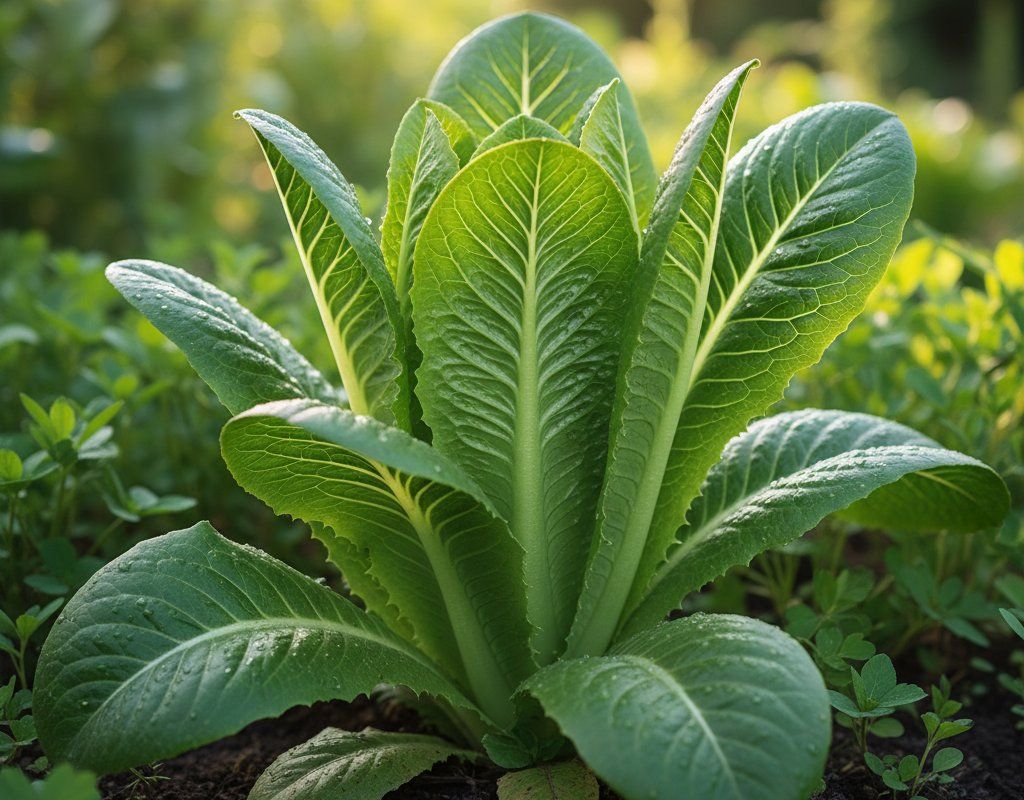
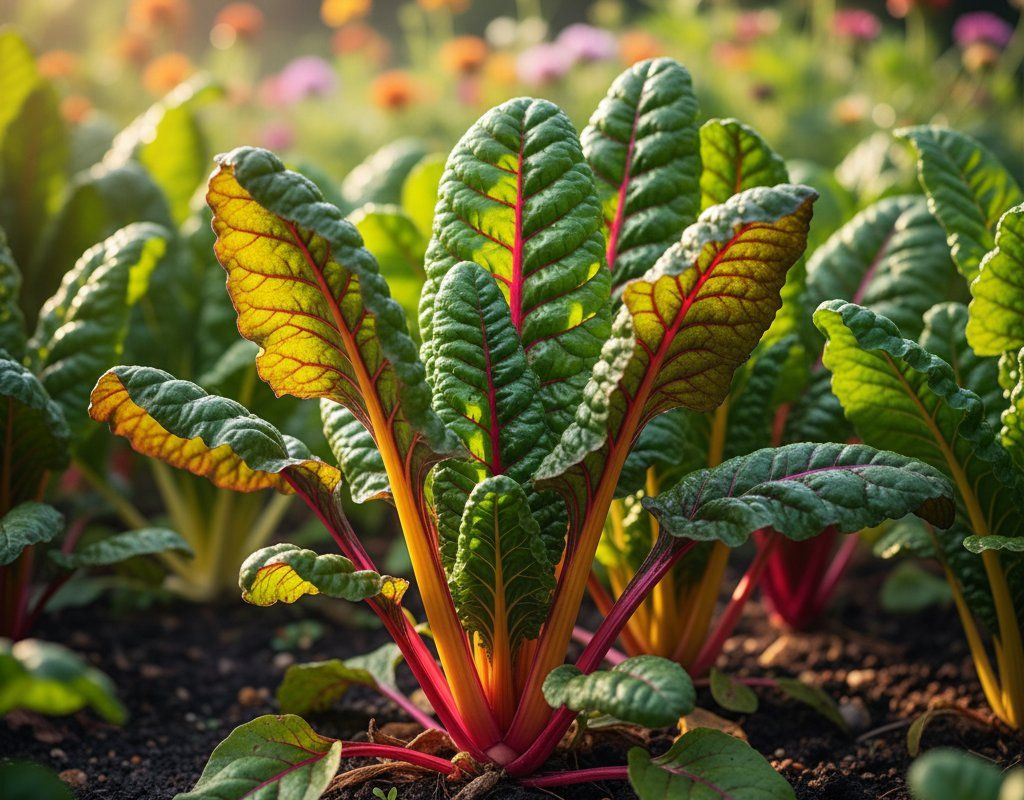
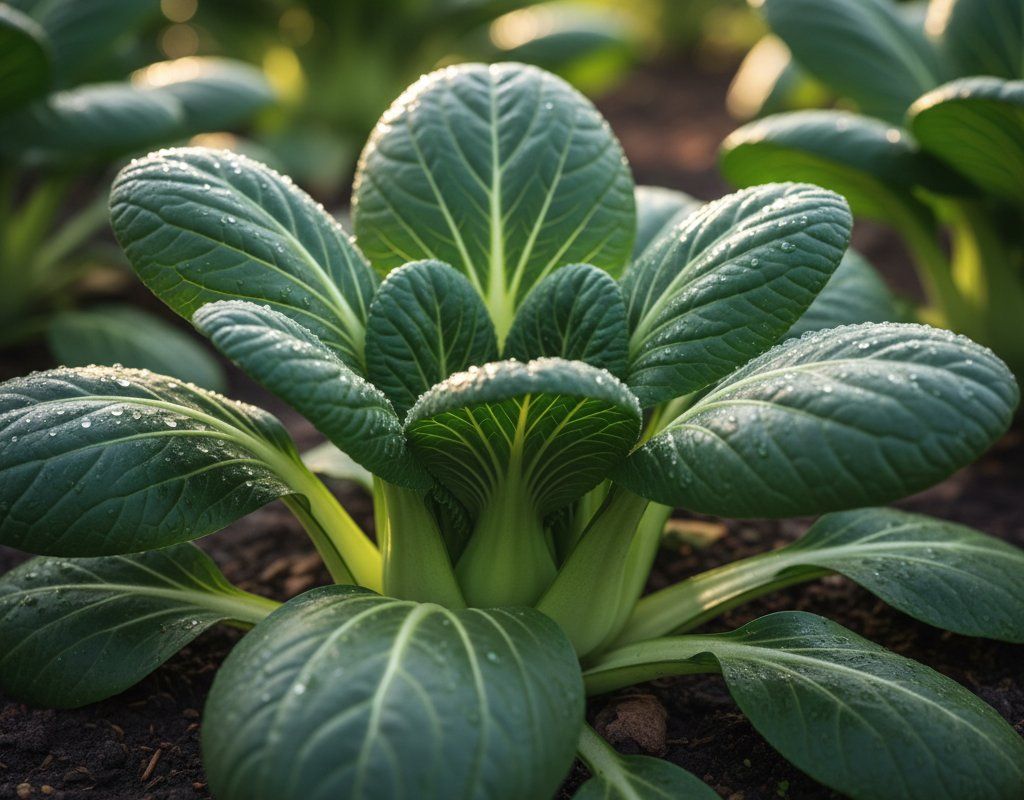
🥬Leafy Greens (9)
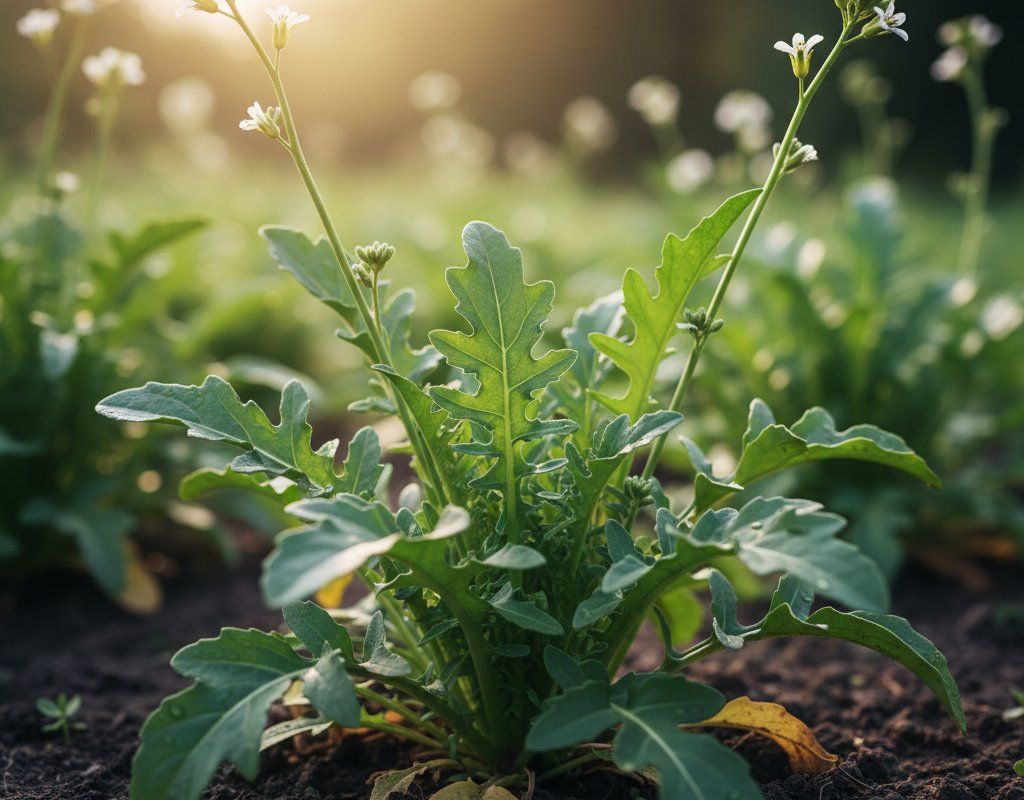

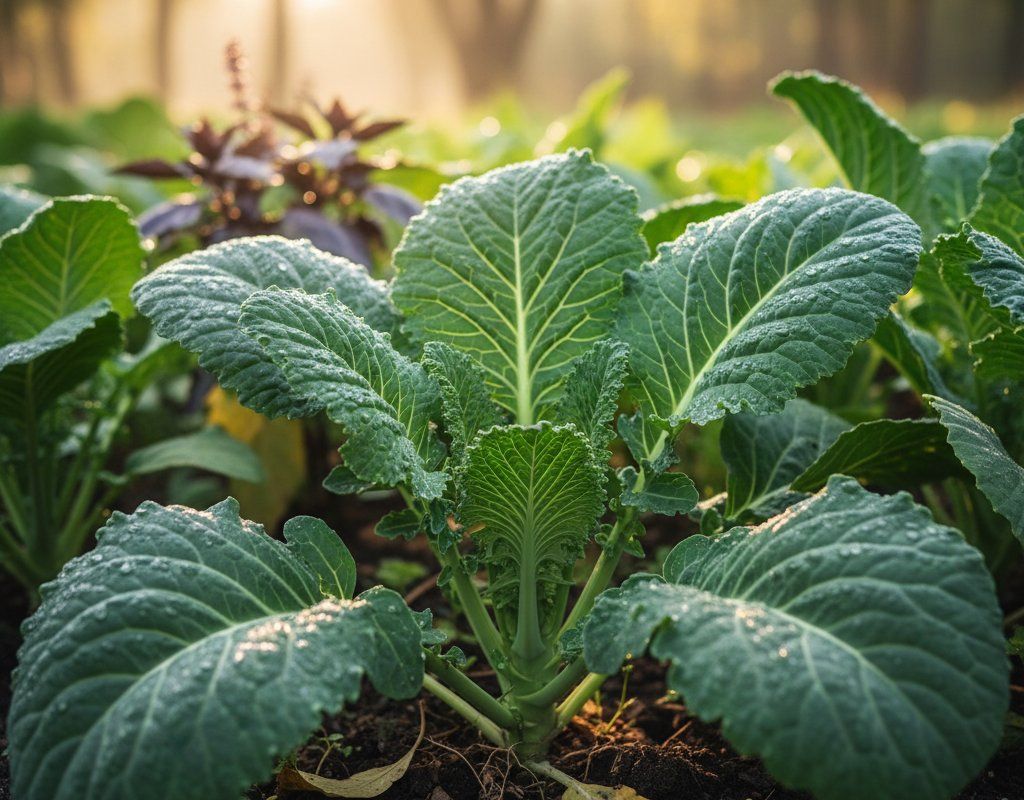


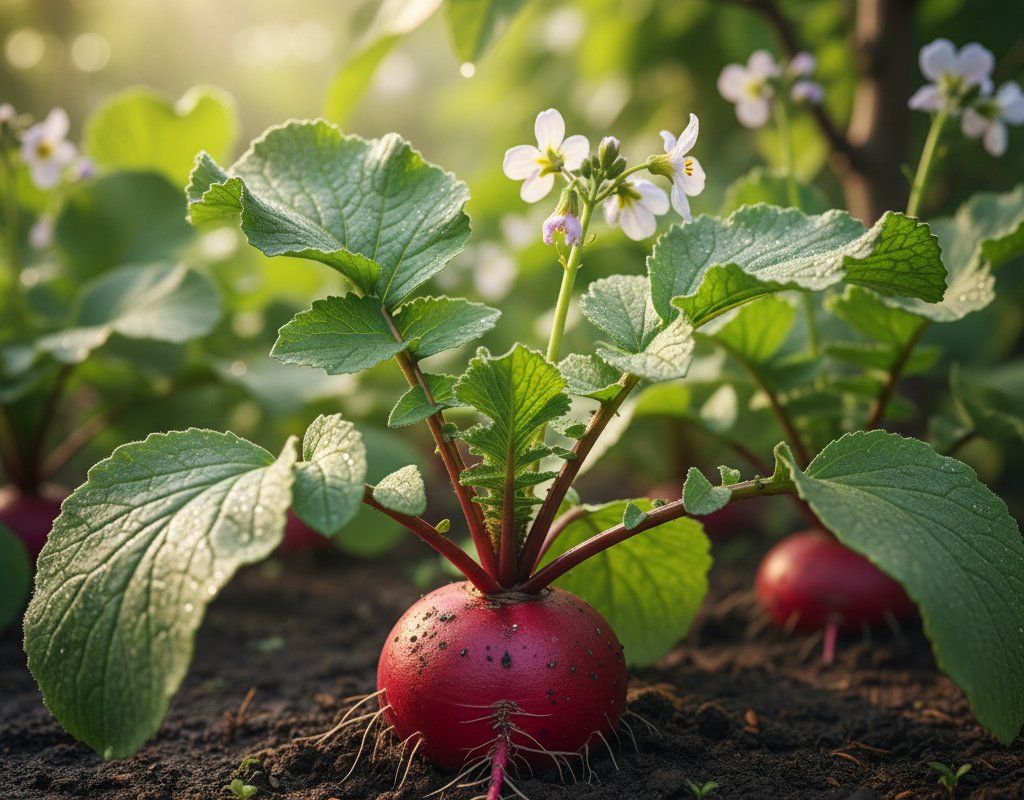
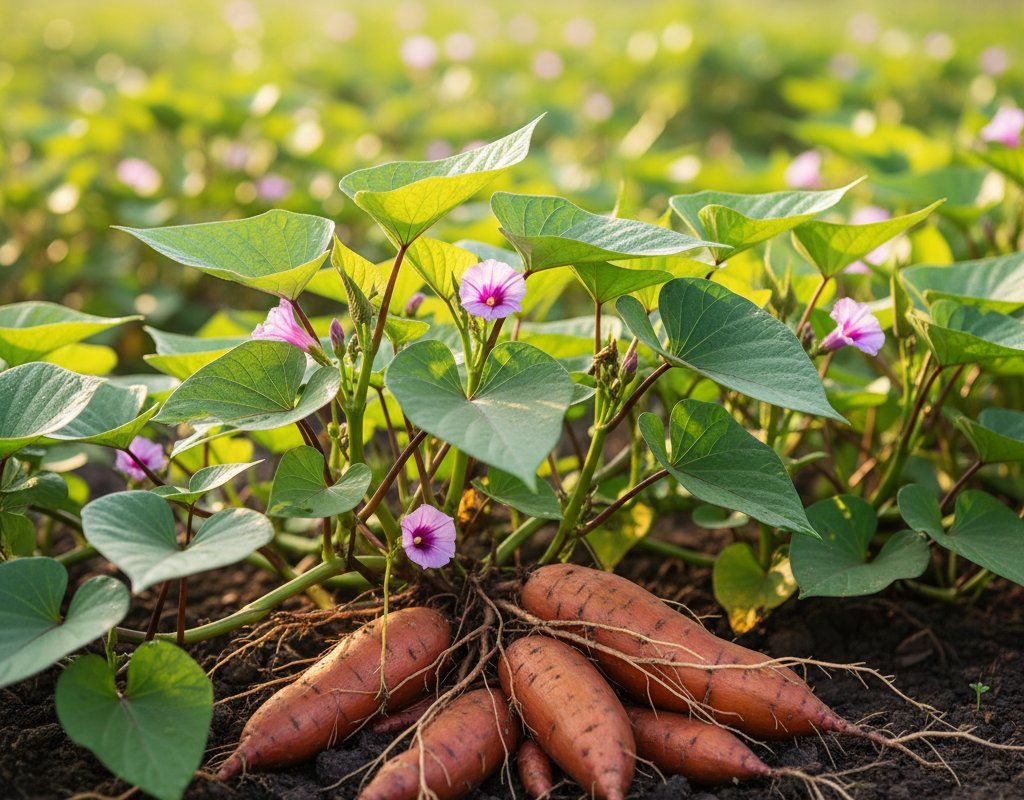
🥕Root Vegetables (5)



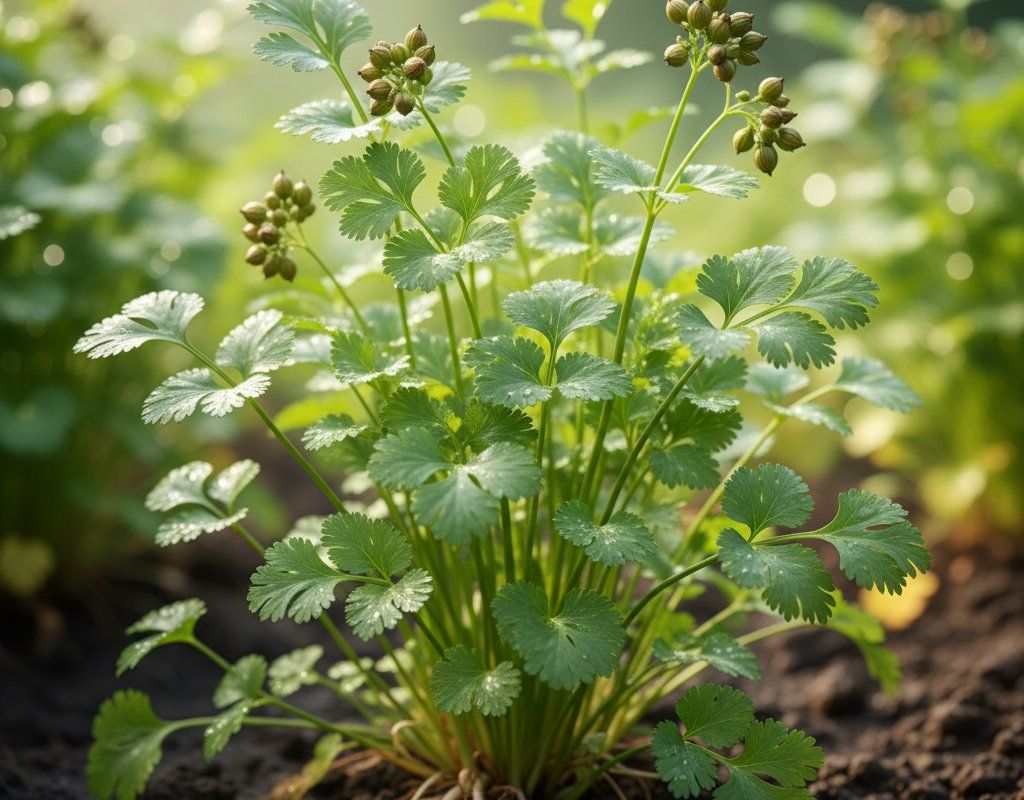
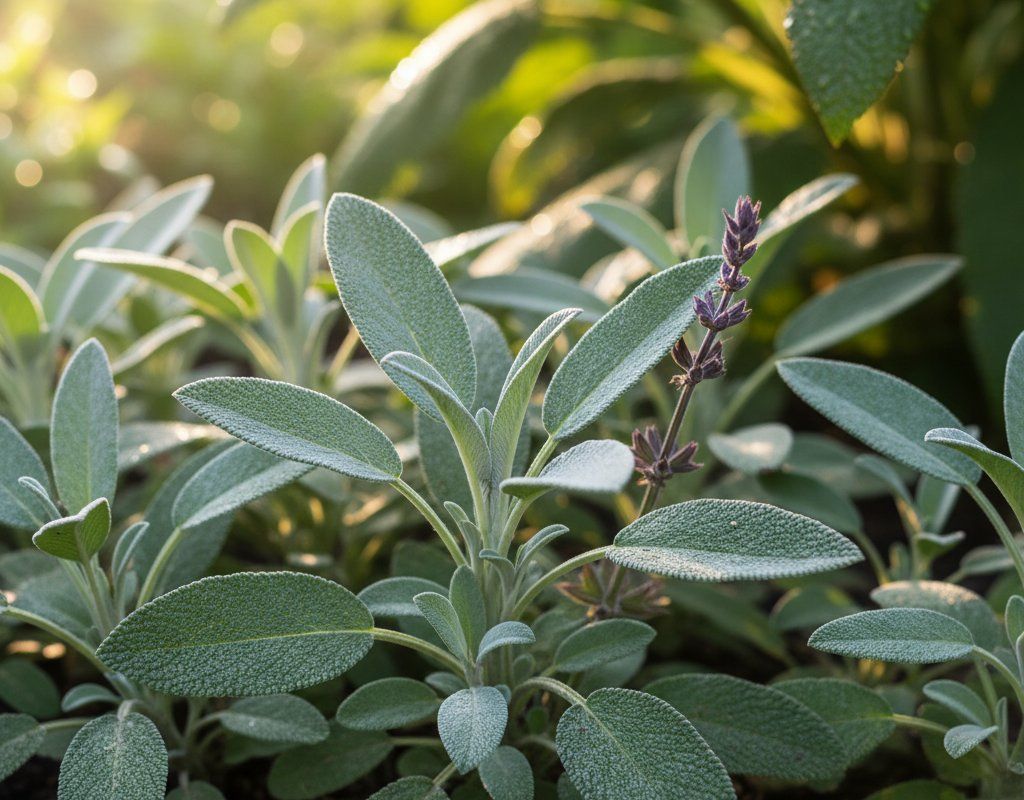
🌿Herbs (12)

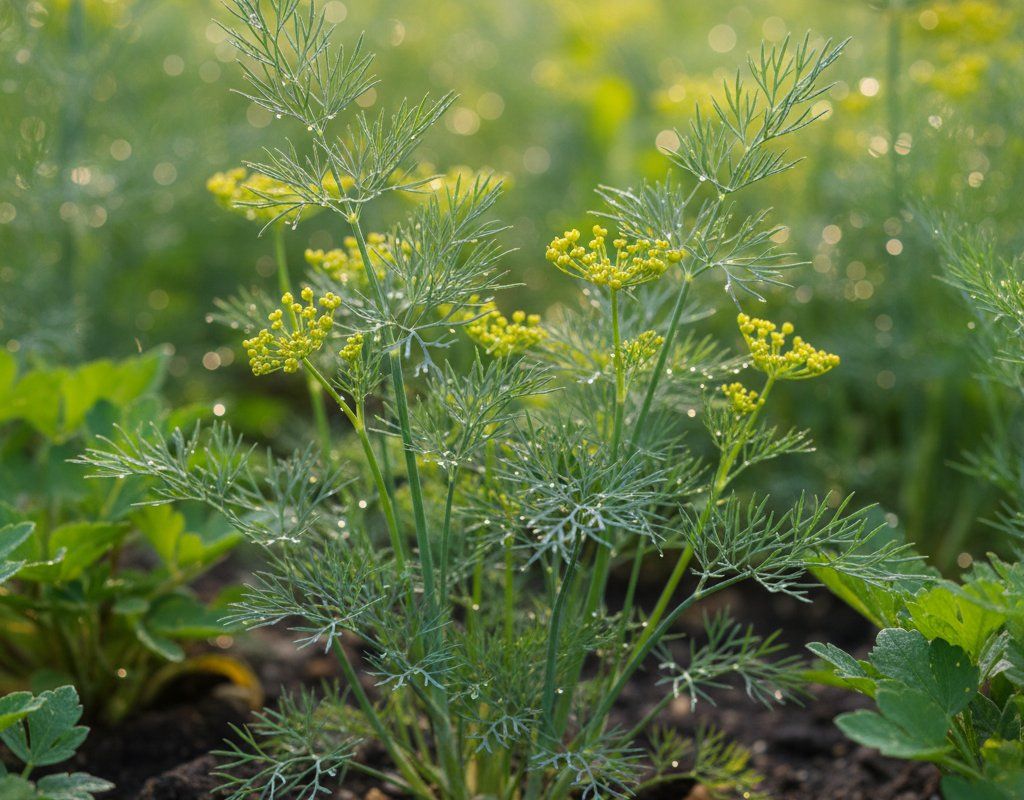

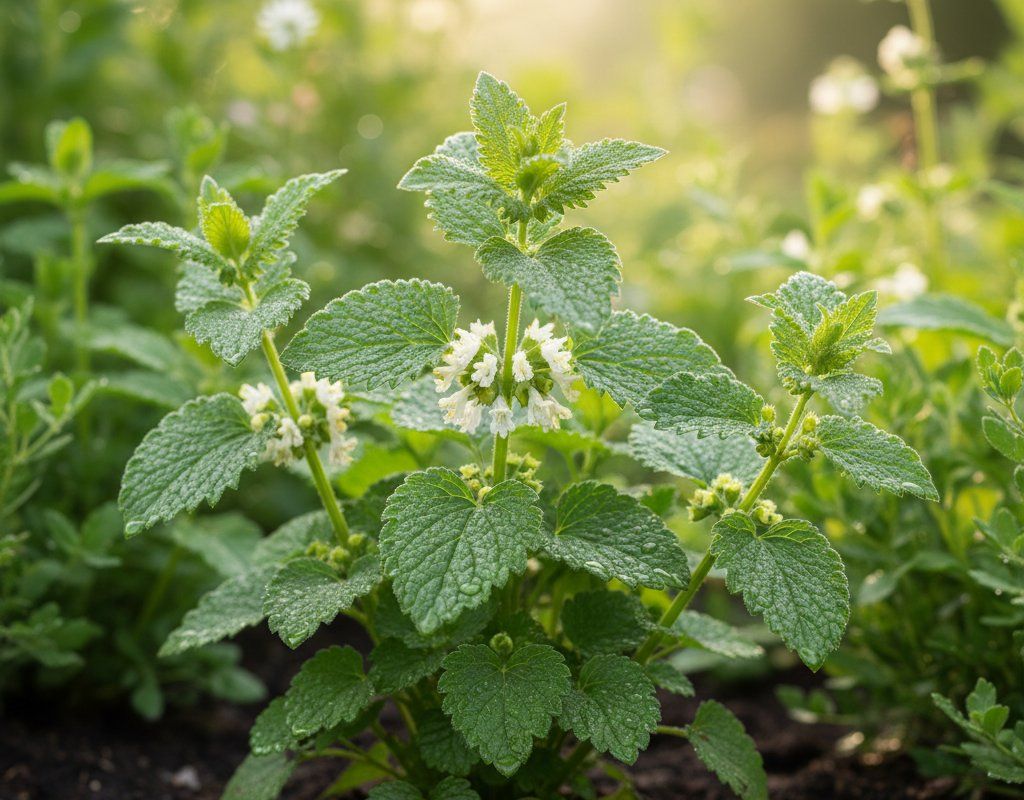

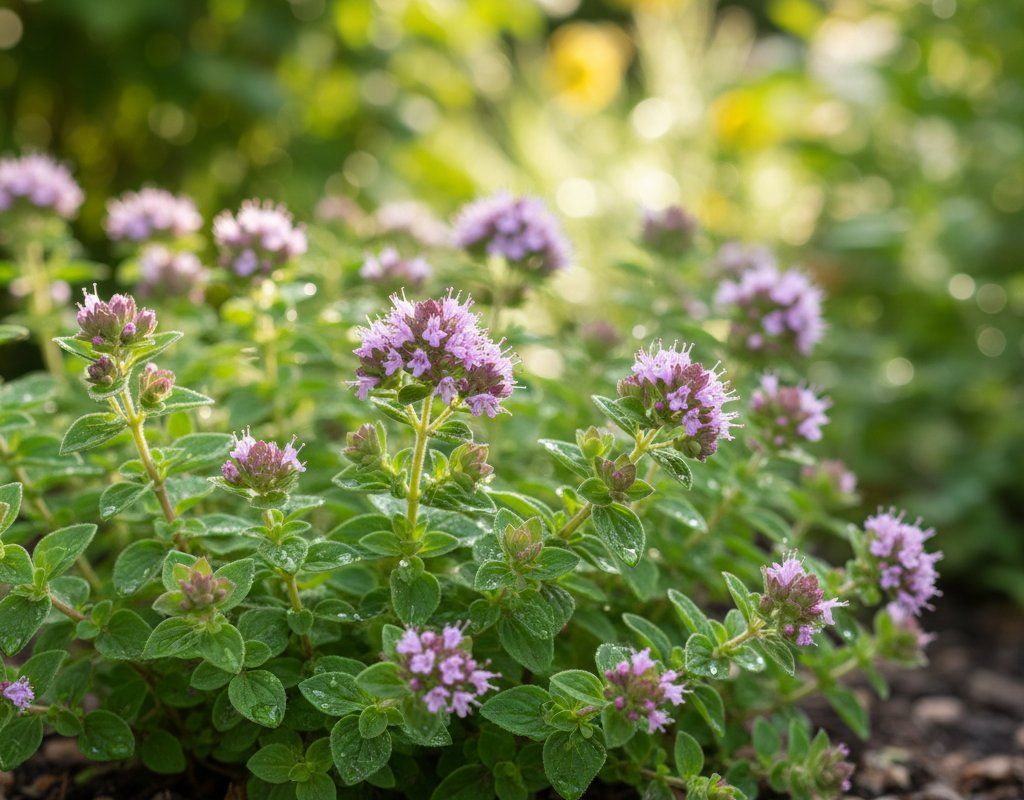

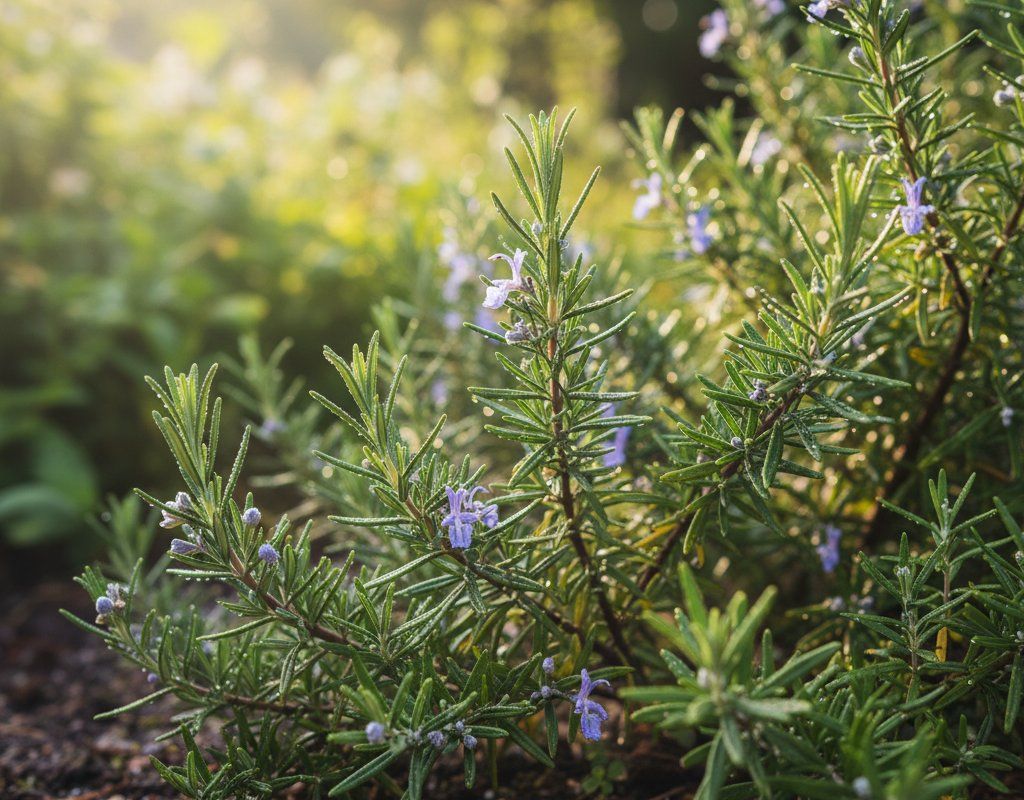



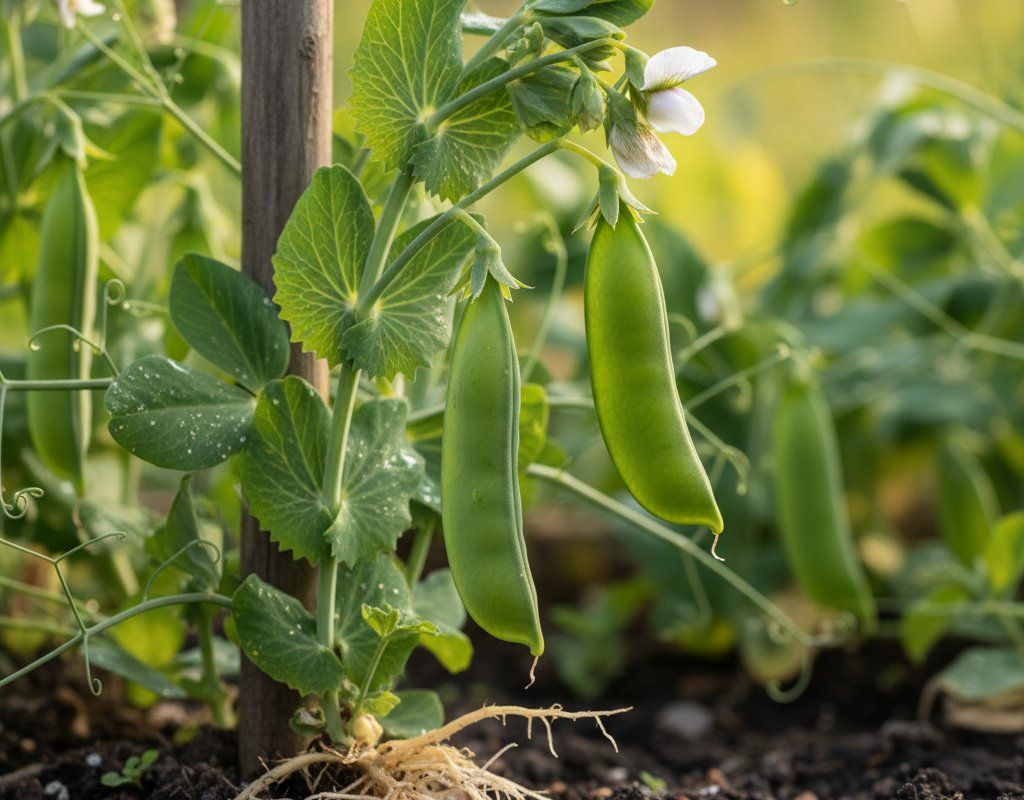
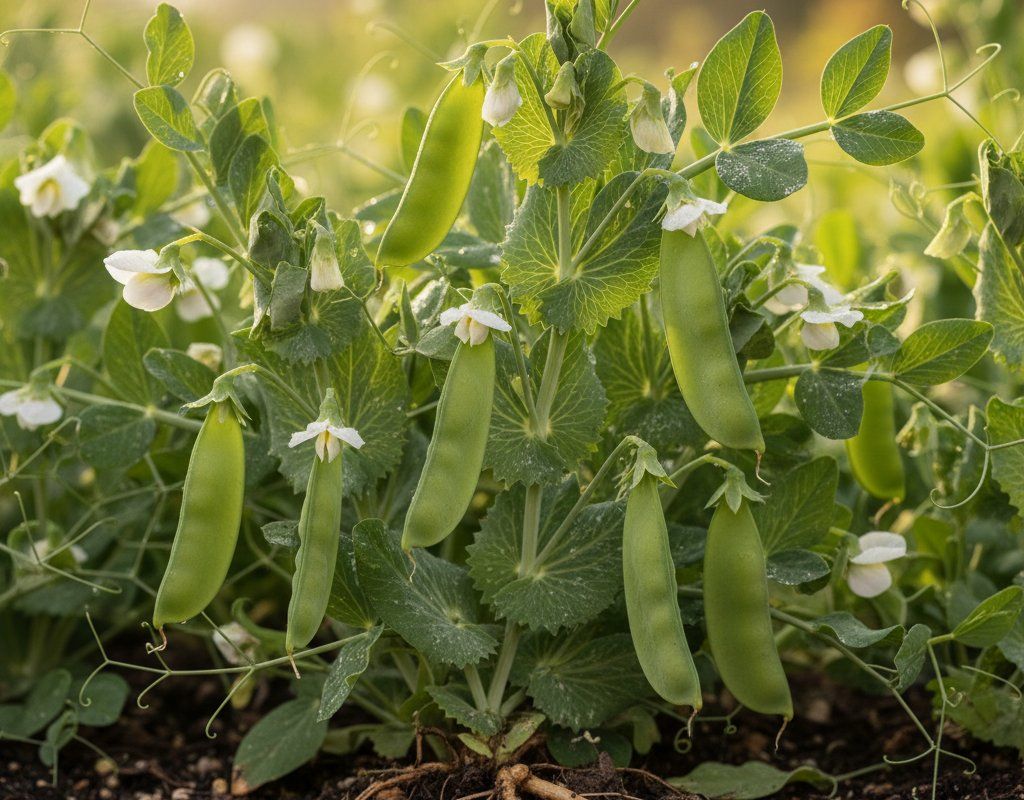
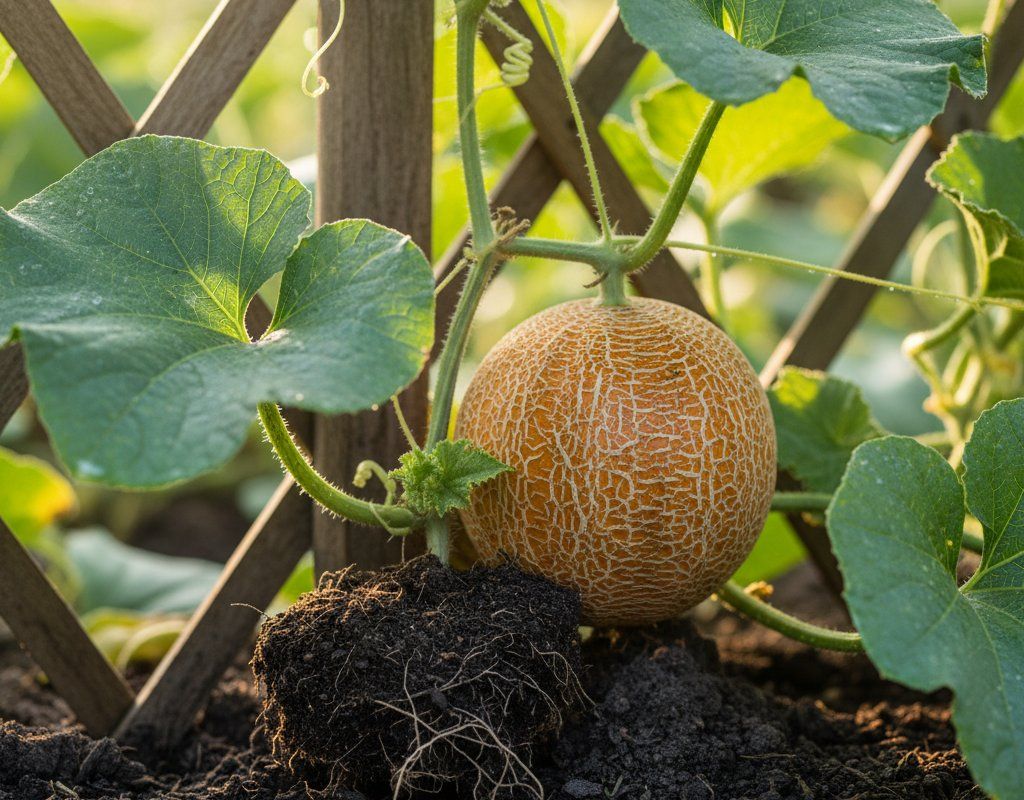
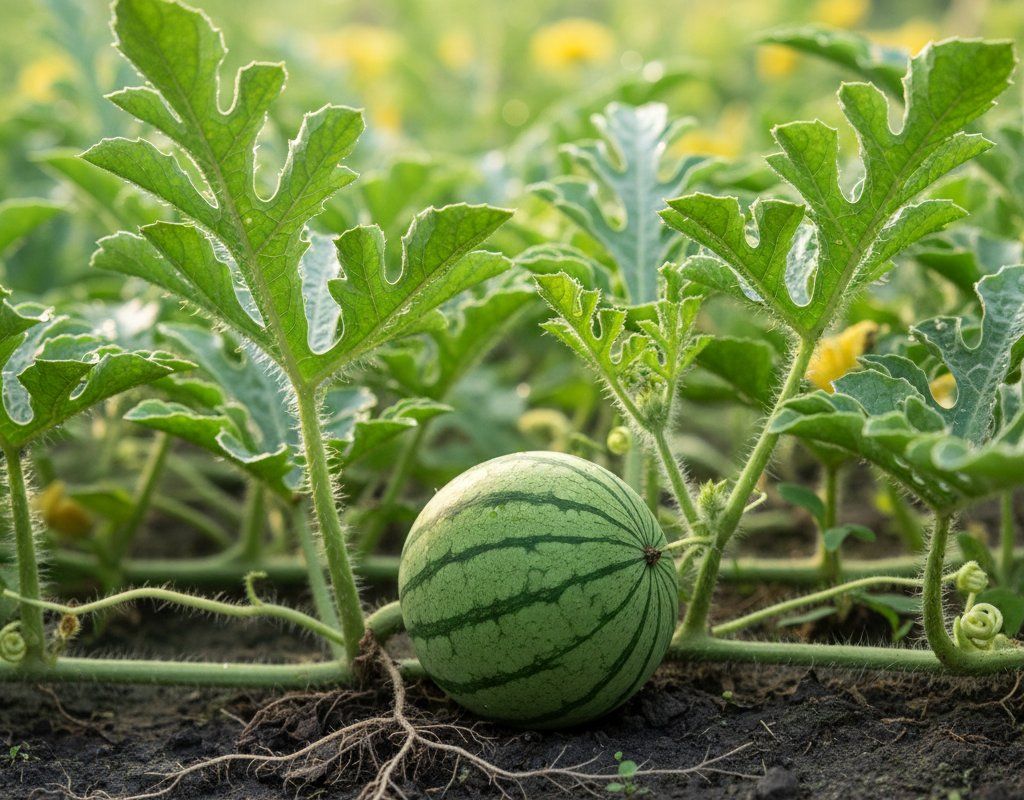
🍉Melons (2)
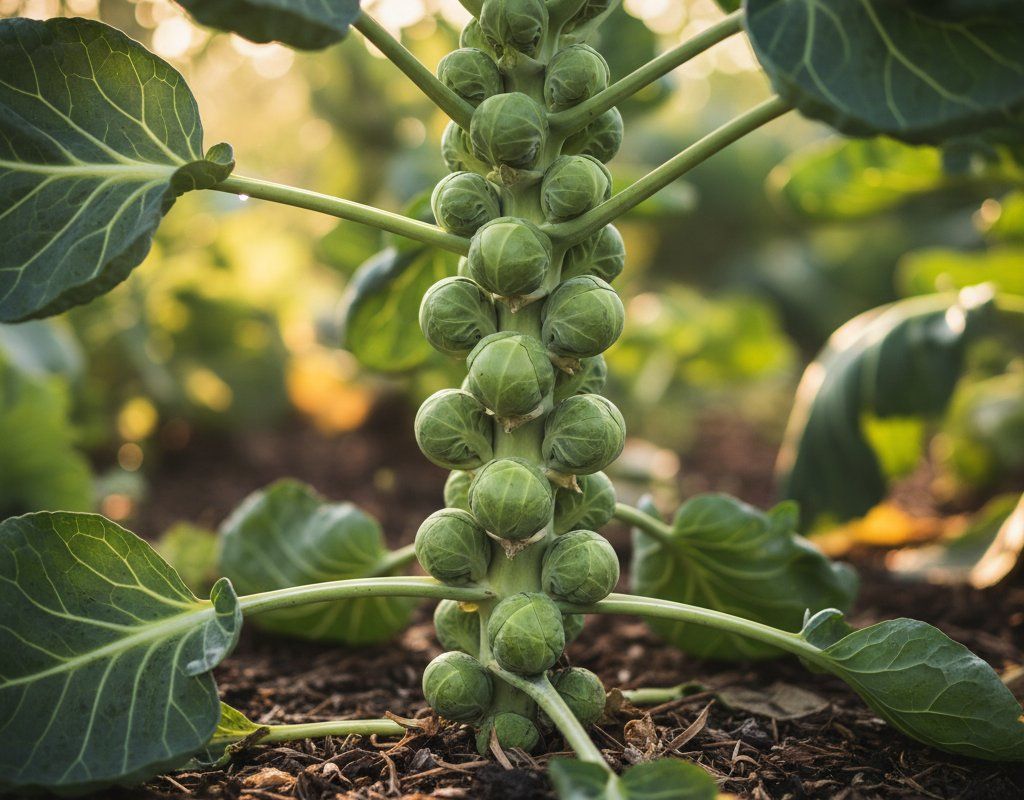
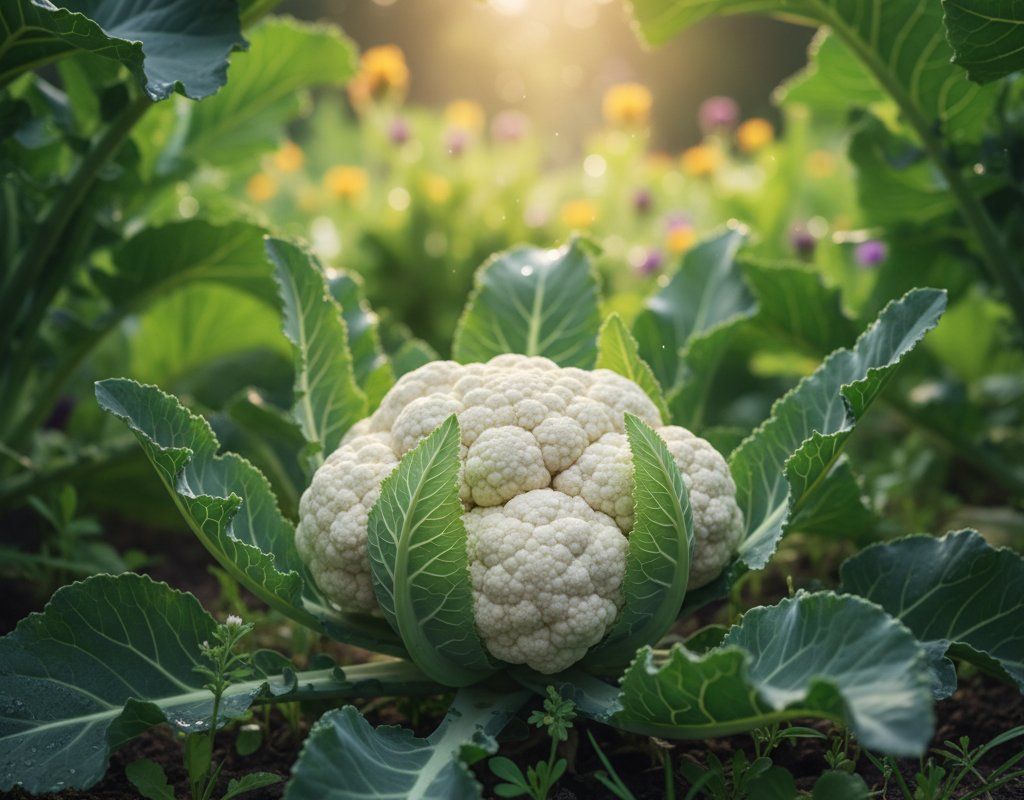
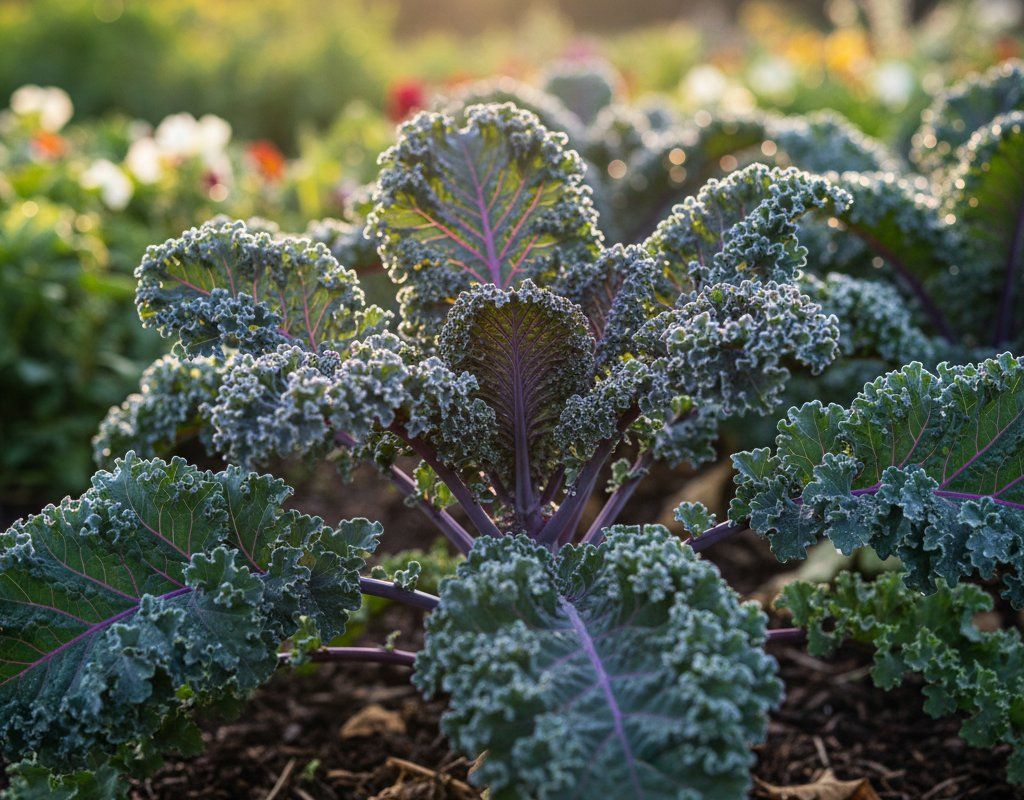
🥦Brassicas (6)


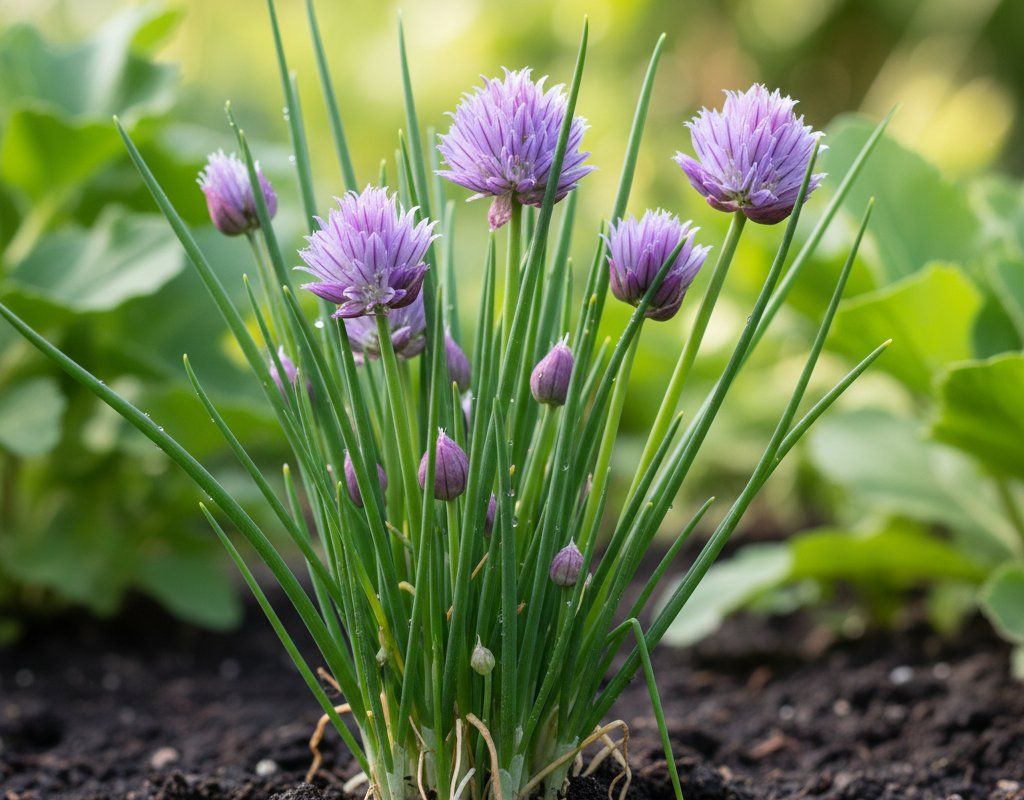
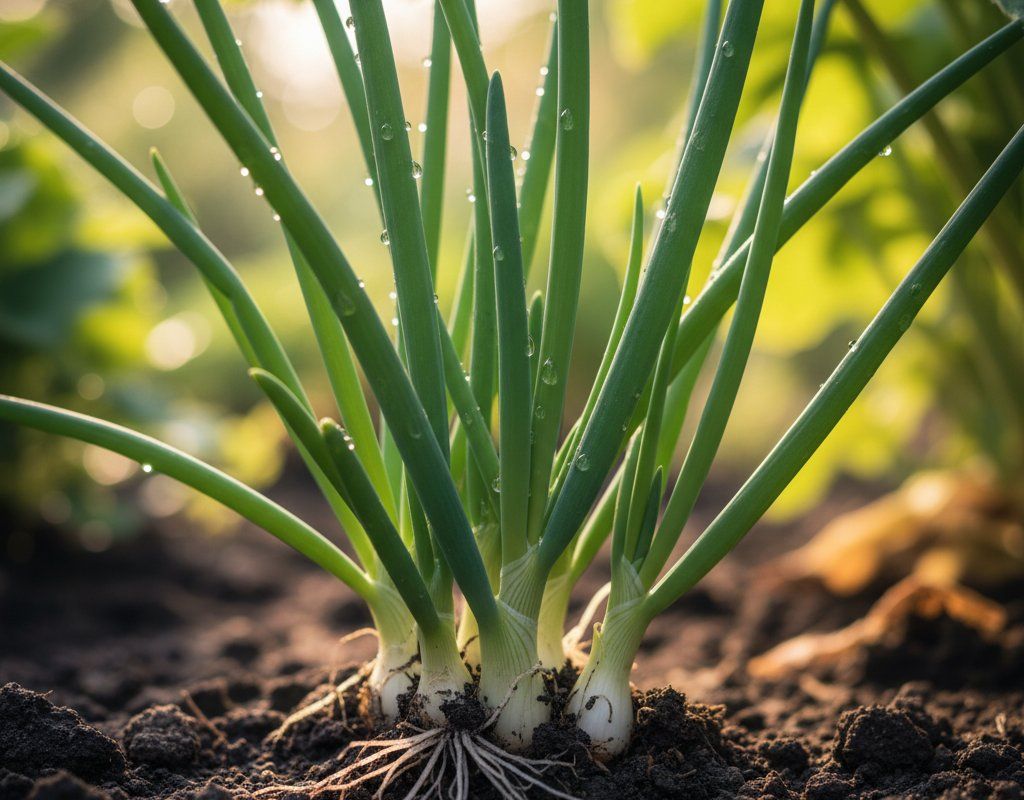
🧅Alliums (2)

🌽Grains (1)

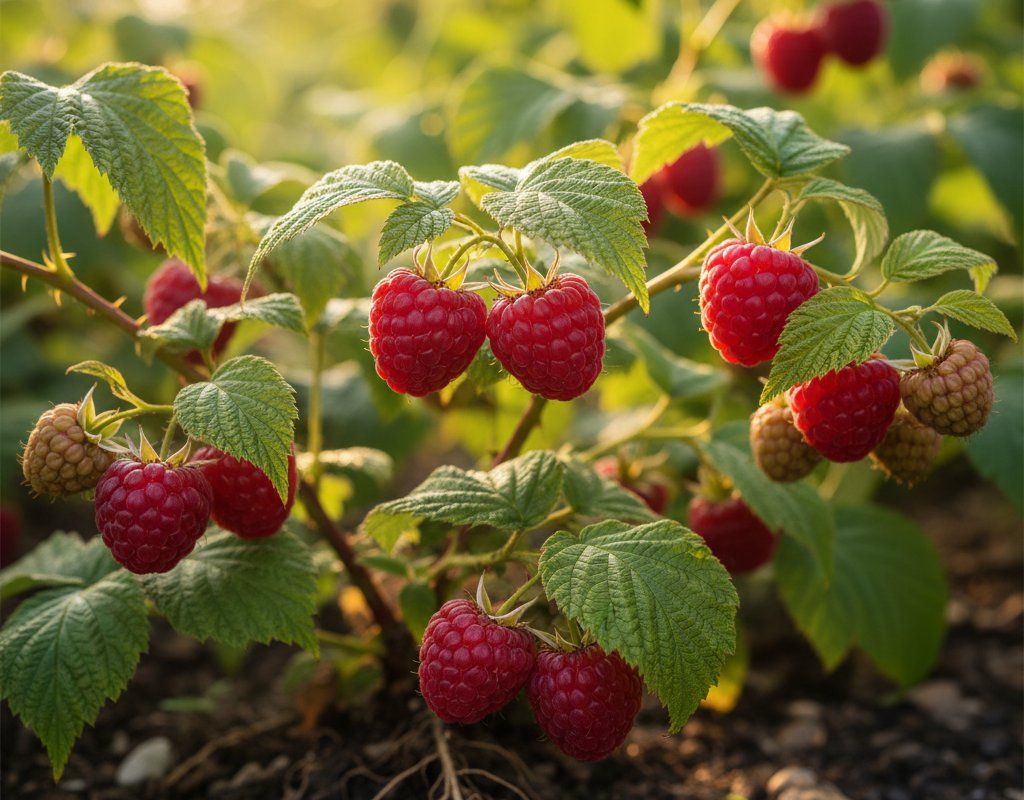

🌸Companion Flowers (20)
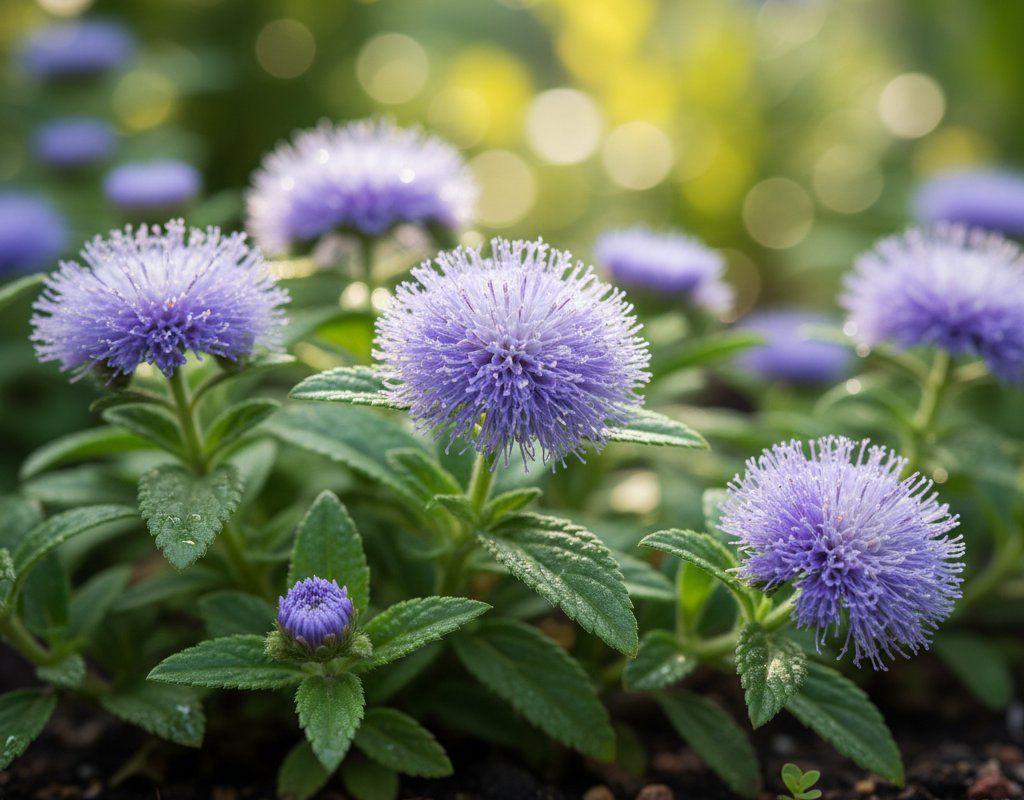
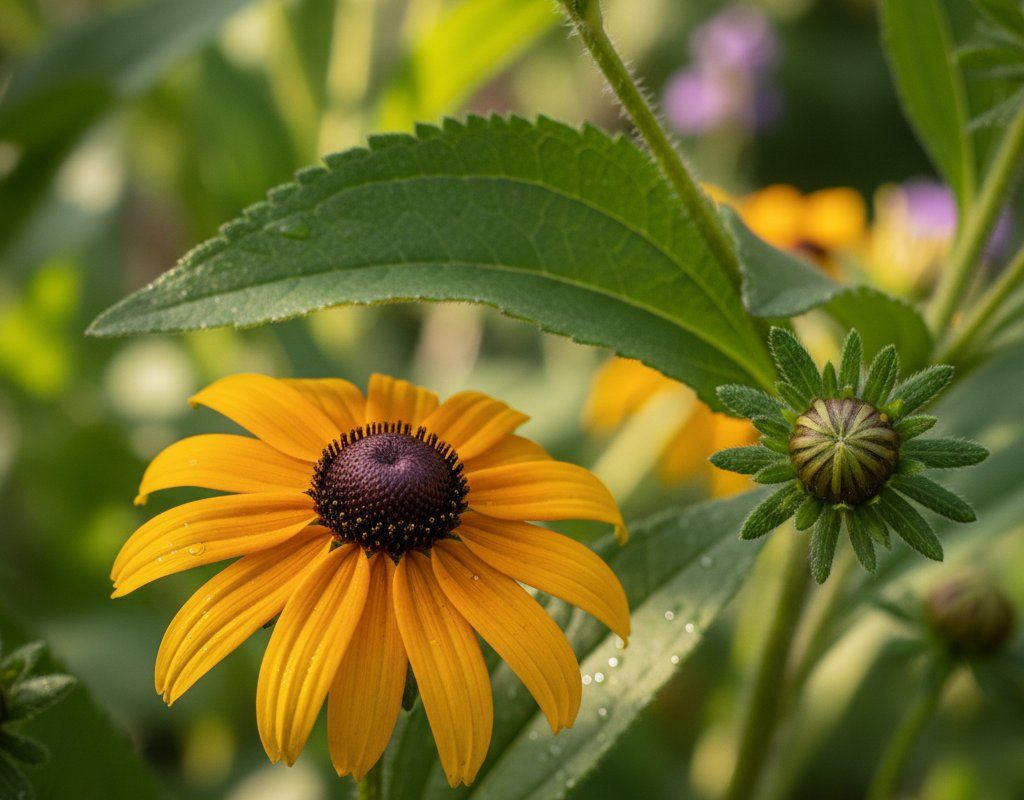






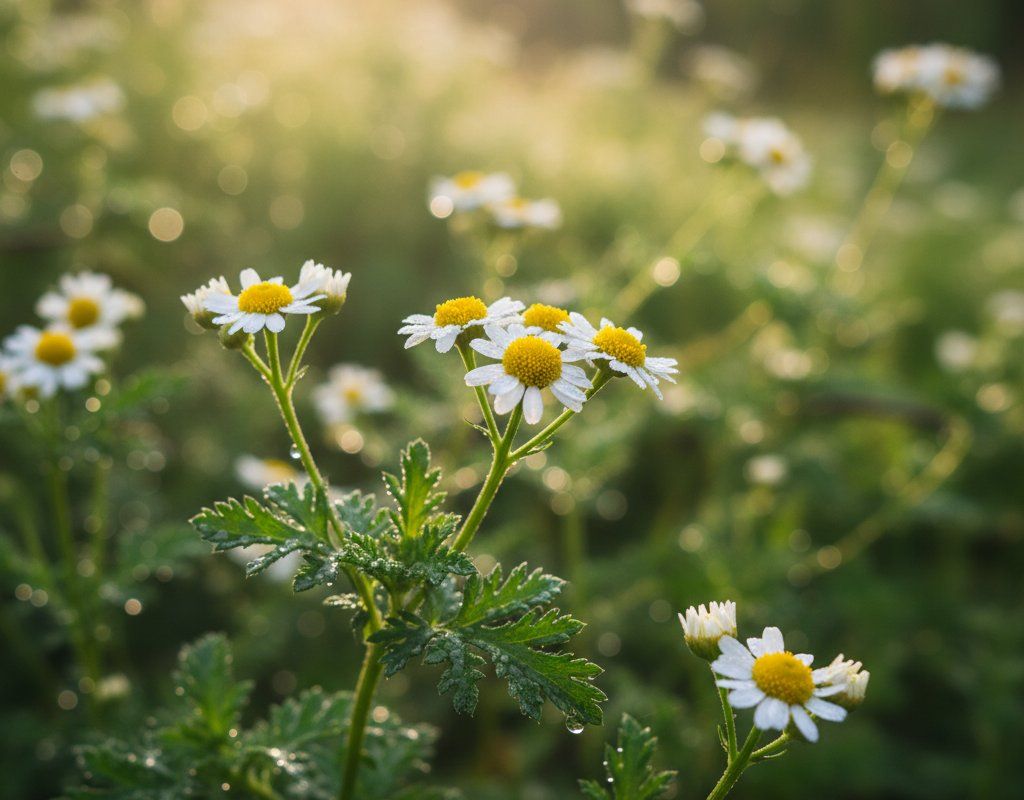










Month-by-Month Planting Calendar
What to do each month in your Zone 7A garden.
In January, focus on seed catalogs and garden planning. Order seeds for tomatoes, peppers, and herbs, and map out your garden layout. If you have a heated greenhouse or cold frames, you can start some cold-hardy seeds like kale and spinach.
Begin preparing your seed-starting area and gathering supplies. Start seeds indoors for cool-season crops like broccoli, cauliflower, and early lettuce varieties. Check your soil amendments and order any needed compost or fertilizers.
Prepare garden beds by removing winter debris and adding fresh compost. Start seeds indoors for tomatoes, peppers, and eggplants. Plant early cool-season crops like peas, spinach, and radishes directly in the ground.
As frost risk diminishes, begin hardening off indoor-started seedlings. Plant potatoes, onions, and more cool-season crops. Prepare trellises and supports for climbing plants like peas and beans.
Transplant warm-season crops like tomatoes and peppers after last frost. Direct sow beans, corn, and squash. Begin regular garden maintenance like mulching and establishing consistent watering routines.
Focus on maintaining your garden through early summer heat. Provide shade for sensitive plants, mulch heavily, and water deeply. Continue succession planting of quick-growing crops like beans and lettuce.
Manage heat stress with strategic watering, especially for fruiting vegetables. Harvest frequently to encourage continued production. Watch for pest issues that emerge during hot months.
Continue harvesting summer crops and manage heat. Start planning and planting fall crops like kale, Swiss chard, and root vegetables. Begin preparing beds for autumn plantings.
Plant fall crops like spinach, lettuce, and root vegetables. Clean up spent summer plants and add them to compost. Prepare for potential early frost by having row covers ready.
Finish harvesting remaining summer crops. Plant garlic and additional fall greens. Prepare garden beds for winter by adding compost and cleaning up plant debris.
Clean and store garden tools. Add mulch to perennial beds for winter protection. Plant cover crops in empty vegetable beds to improve soil health.
Review garden notes and plan next year's garden. Order seeds and supplies. Maintain any winter crops in cold frames or protected areas.
Common Challenges in Zone 7A (Pacific Northwest)
Zone 7A offers about 193 frost-free days, which opens up longer-season crops like sweet potatoes, okra, and longer-season pepper varieties. Early heat waves are the defining challenge — temperatures can spike above 90°F in May before plants are established, causing transplant shock and blossom drop.
Cool-season crops like lettuce and spinach bolt quickly once heat arrives, so timing is everything. Summer brings persistent heat, humidity, and disease pressure.
Fall gardening is very productive here but requires planning ahead during the hottest months when gardening motivation is lowest.
Season Extension Tips
In Zone 7A, season extension is as much about beating summer heat as avoiding frost. Start cool-season crops very early — direct-sow peas, lettuce, and spinach by mid-March.
Get warm-season transplants in the ground by late April after hardening off. For summer, shade cloth (30-50%) over lettuce and spinach extends their productive life by 2-3 weeks.
The fall garden is your second major season: transplant brassicas in August, direct-sow root crops and greens through September. Winter growing under row cover is reliable for spinach, kale, and collards without any supplemental heat.
Soil Preparation
Soil is workable by mid-March in most years. Mild winters mean soil biology stays more active, so spring soils are often in better shape than in colder zones.
Add compost in early spring and again in late summer before fall planting — you're essentially managing two growing seasons. Mulch is critical for moisture retention during summer heat.
Apply 3-4 inches of straw, shredded leaves, or wood chips around established plants by late May. Soaker hoses under mulch reduce water use by 50% compared to overhead sprinklers and keep foliage dry, reducing disease.