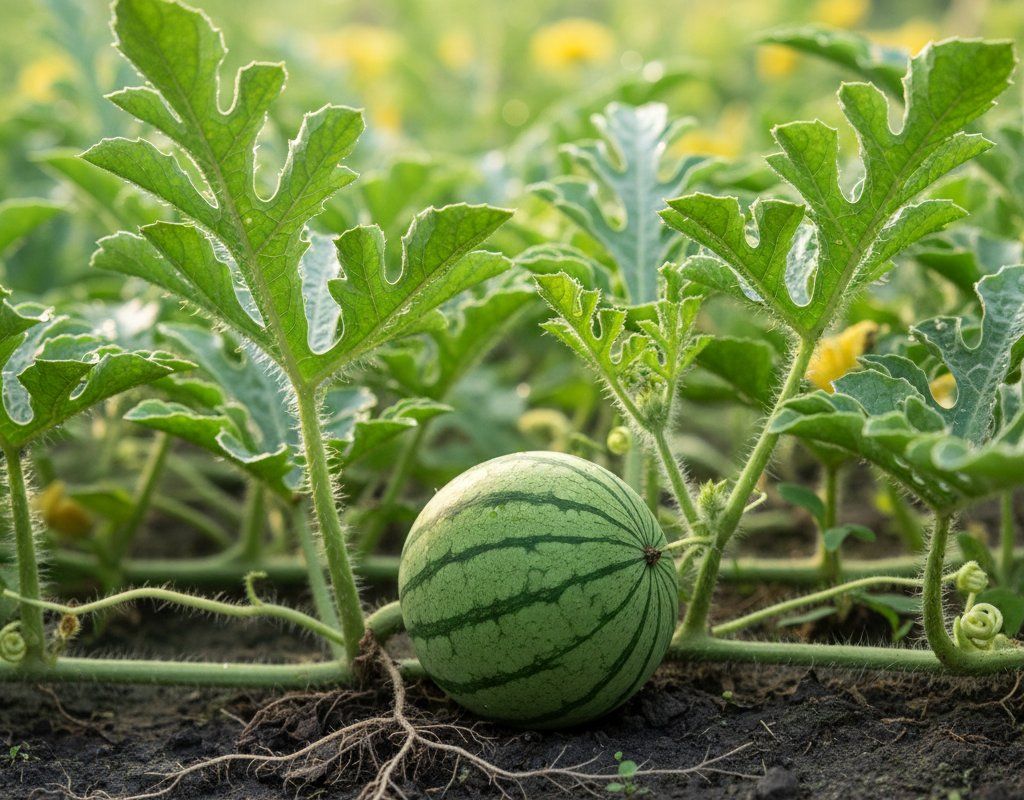
Watermelon in Zone 9B — Southern California
Citrullus lanatus · Your Complete 2026 Planting Guide
Time to Buy Starts!
Seed starting window passed, but starts are available now.
Buy Starts Now
Head to your local nursery, Home Depot, or farmers market for transplants.
- Look for stocky plants with dark green leaves
- Avoid leggy seedlings or plants already flowering
- Check that roots aren't circling the pot (rootbound)
How to Plant Watermelon in Zone 9B — Southern California
Here are all your options for getting watermelon in the ground, from the easiest method to more advanced approaches.
Direct Sow Seeds
RecommendedEarly February through mid September
around February 8
Consider succession planting every 2-3 weeks for continuous harvest.
Needs warm soil. Direct sow works in zones 6+. Start indoors in colder zones.
Buy Starts
Works WellEarly February through early March
around February 8
Plant purchased starts after last frost (January 25).
Start Seeds Indoors
Works WellMid January through early February
around January 18
Then transplant: Early February through early March
Start seeds 3-5 weeks before transplanting outdoors.
Handle seedlings carefully — melons resent root disturbance.
Transplant Outdoors
Timing InfoEarly February through early March
around February 8
Wait until nighttime temperatures stay above 50°F.
You have a nice window — no need to rush.
Overview
Watermelons are absolutely perfect for Southern California gardens, taking full advantage of our long, hot summers and 334-day growing season to develop that perfect sweetness you'll never find in store-bought fruit. Our intense summer heat and abundant sunshine create ideal conditions for these heat-loving vines, and with proper water management, you can grow varieties that would struggle in cooler climates.
While watermelons do need consistent water in our dry climate and protection from Santa Ana winds, the timing flexibility of our mild winters makes it surprisingly manageable. You can start your crop as early as February and still be harvesting sweet melons well into December, giving you multiple planting windows to work around water restrictions or summer travel plans.
Starting Seeds Indoors
Starting watermelon seeds indoors makes sense if you want to get a jump on the season or if you're in a particularly windy area where direct-seeded plants might struggle. Start seeds from mid-January through early February, about 3 weeks before you plan to transplant outdoors.
Use biodegradable peat pots or large cells since melons hate root disturbance. Keep the soil temperature around 80°F for best germination - a heat mat helps during our cooler winter mornings. Bottom watering works best to avoid disturbing the emerging seedlings and prevents damping off in our winter humidity.
The main advantage of indoor starting in SoCal is getting ahead of our very early spring, but honestly, direct sowing works so well here that most gardeners skip this step. Only bother with indoor starts if you're planning a February transplant or dealing with heavy clay soil that's slow to warm.
Transplanting Outdoors
If you started seeds indoors, transplant from early February through early March when nighttime temperatures consistently stay above 50°F. Our mild winter nights make this window quite reliable, though watch for those occasional cold snaps that can roll through in late January.
Harden off seedlings gradually over a week, starting with a few hours of morning sun and building up. Plant them 6-8 feet apart in well-amended soil, and be extremely gentle with the roots - watermelons will sulk for weeks if disturbed too much.
Early transplants benefit from row covers or milk jug cloches during our February nights, especially if Santa Ana winds are forecasted. Remove protection once daytime temperatures reliably hit the 70s, usually by mid-March.
Direct Sowing
Direct sowing is the preferred method for watermelons in Southern California - it's easier, more reliable, and the plants establish better without transplant shock. You have an incredibly long window from early February through mid-September, though most gardeners focus on spring and early summer plantings.
Wait until soil temperature reaches at least 70°F, which usually happens by early to mid-February in most areas. Plant seeds 1 inch deep and 6-8 feet apart - watermelon vines need serious space to sprawl. In our clay soils, work in plenty of compost and create slightly raised beds to improve drainage and help soil warm faster.
For summer plantings, focus on shorter-season varieties and provide some afternoon shade during the hottest months. Fall plantings (August through early September) can work beautifully, giving you fresh melons for the holidays if you choose varieties that mature in 85 days or less.
Watering Watermelon in Zone 9B (Southern California)
Watermelons are water hogs, especially during our hot, dry summers, and there's no way around it - this crop demands consistent, deep irrigation throughout the growing season. Plan on providing 1-2 inches of water per week, with the higher end needed during fruit development and when temperatures climb above 90°F.
During our winter-wet season (December through March), natural rainfall often handles most watering needs, but you'll still need to supplement during dry spells. Once summer heat kicks in, deep watering 2-3 times per week works better than daily light watering. Water at soil level rather than overhead to reduce evaporation and prevent fungal issues in our low-to-moderate humidity.
The finger test works perfectly here - stick your finger 2 inches into the soil near the plant base. If it's dry, it's time to water deeply. Yellow leaves often signal underwatering, while consistently wet soil can lead to root rot and split fruit.
About 2 weeks before harvest, reduce watering to concentrate the sugars - this timing trick works especially well in our predictable climate. A 3-inch layer of mulch helps retain moisture and keeps soil temperatures stable during those brutal inland heat waves.
🧪Fertilizing Watermelon
Feeding Schedule
Organic Fertilizer Options
Harvest Time
Your first watermelons will be ready from early May through late December, depending on when you planted and which variety you chose. With our 85-day average maturity and long growing season, you can potentially get multiple harvests from successive plantings.
Look for three key signs of ripeness: the ground spot (where the melon touches soil) turns from white to creamy yellow, the tendril nearest the fruit stem turns brown and dry, and the melon sounds hollow when you thump it with your knuckles. The skin also develops a dull, matte finish rather than the glossy look of unripe fruit.
Harvest in the morning when melons are cool, using a sharp knife to cut the stem about an inch from the fruit. Unlike some fruits, watermelons won't continue ripening once picked, so don't rush the harvest. A ripe melon will easily separate from the vine with just slight pressure.
Since our first frost typically doesn't arrive until late December, you can often keep plants producing well into fall. Cover plants during unexpected cold snaps, but if temperatures drop below 40°F consistently, harvest any remaining fruit and let smaller ones ripen indoors if the ground spot has started changing color.
Common Problems in Zone 9B (Southern California)
Fusarium Wilt This soil-borne fungal disease shows up as wilting on one side of the plant first, then spreads to the entire vine. You'll see yellowing leaves starting on one side, and if you cut open the stem near soil level, there are brown streaks inside. Our warm soil temperatures, especially during summer heat waves, create perfect conditions for this pathogen.
Fusarium persists in soil for years, so prevention is critical. Choose varieties marked with 'F' for fusarium resistance, rotate crops on a 4-year cycle, and never plant melons where you've had problems before. In our intense summer heat, soil solarization works well - cover the area with clear plastic for 6-8 weeks during July and August to heat-sterilize the soil.
Anthracnose You'll notice sunken, dark circular spots on fruit, stems, and leaves, sometimes with pinkish spore masses during our occasional humid weather. This fungal disease spreads through water splash and thrives when we get those rare summer thunderstorms or when overhead sprinklers hit the foliage.
Prevent anthracnose by watering at soil level rather than overhead, and remove any infected plant debris immediately. Apply copper fungicide preventatively if you've had problems before, especially before our winter rains arrive. Good air circulation helps too - don't crowd plants or let weeds grow up around them.
Poor Pollination Small, misshapen fruit or flowers that bloom but drop off indicate pollination problems. This often happens during our hottest summer days when temperatures exceed 95°F, or when Santa Ana winds make it difficult for pollinators to work effectively.
Hand-pollinate with a small paintbrush if needed - transfer pollen from male flowers (on stems) to female flowers (with small fruit at the base) early in the morning. Plant pollinator-friendly flowers nearby and avoid any pesticide use during flowering. Providing a shallow water source helps bees stay active during our dry conditions.
Southern California Specific Challenges: Our combination of intense summer heat and low humidity can stress watermelon plants, making them more susceptible to spider mites and requiring extra attention to consistent watering. Santa Ana winds can damage sprawling vines, so consider windbreaks or training plants to grow closer to the ground during fire season.
Best Companions for Watermelon
Plant these nearby for healthier Watermelon and better harvests.

Keep Away From
Companion Planting Details
Corn makes an excellent companion for watermelons, providing natural windbreak protection during Santa Ana conditions while the sprawling melon vines help suppress weeds around the corn stalks. Radishes planted along the edges of your melon patch help deter cucumber beetles and squash bugs, plus they'll be ready to harvest long before the melons need the space.
Sunflowers planted on the south or west side of your melon patch can provide valuable afternoon shade during our most intense summer heat, while attracting beneficial pollinators and pest predators. Avoid planting near potatoes, which can inhibit watermelon growth and compete for the same soil nutrients - plus potatoes prefer cooler conditions that conflict with melons' heat-loving nature.
🌸Best Flowers to Plant with Watermelon
These flowers protect your Watermelon from pests and attract pollinators for better harvests.


Get a Reminder When It's Time to Plant
We'll email you when key planting windows open for your zone.