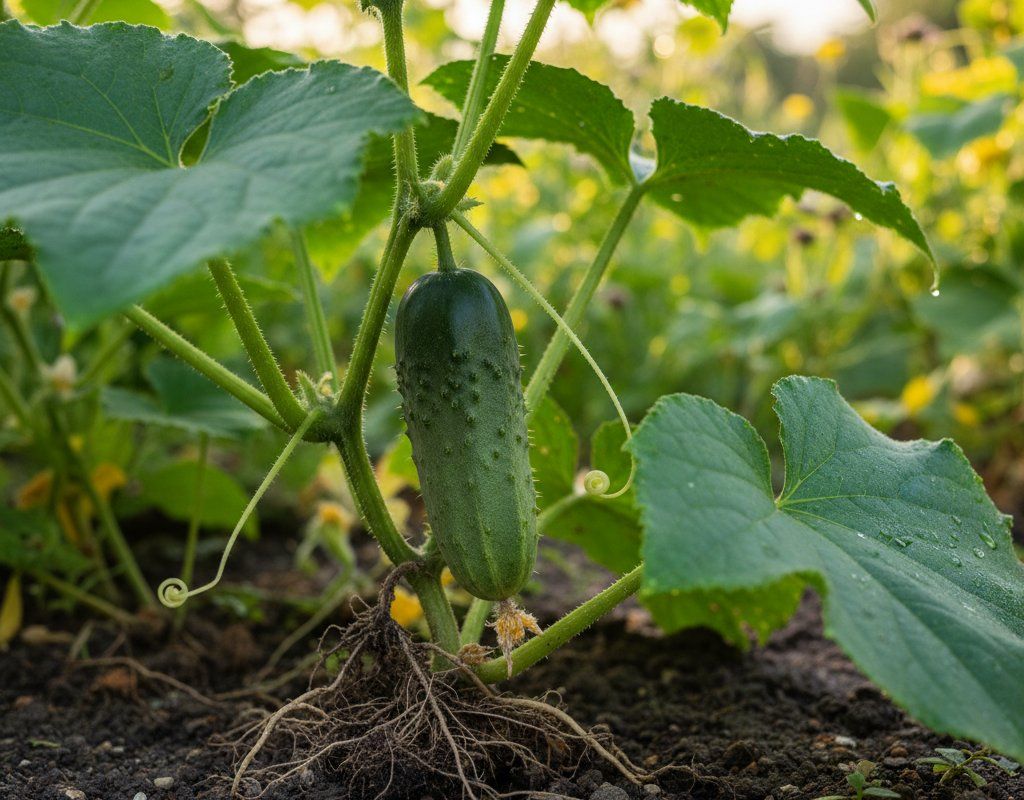
Cucumber in Zone 8B — Texas
Cucumis sativus · Your Complete 2026 Planting Guide
Missed Seed Starting? No Problem!
Wait for starts to become available.
What to Do
Starts will be available at nurseries in 7 days (around March 11).
How to Plant Cucumber in Zone 8B — Texas
Here are all your options for getting cucumber in the ground, from the easiest method to more advanced approaches.
Direct Sow Seeds
RecommendedEarly March through mid September
around March 4
Consider succession planting every 2-3 weeks for continuous harvest.
Direct sowing is easiest. Start indoors only if you need a head start.
Buy Starts
Works WellMid March through early April
around March 11
Plant purchased starts after last frost (February 25).
Start Seeds Indoors
Works WellMid February through early March
around February 18
Then transplant: Mid March through early April
Start seeds 3-5 weeks before transplanting outdoors.
Start only 3 weeks before transplant — cucumbers grow fast and get rootbound.
Transplant Outdoors
Timing InfoMid March through early April
around March 11
Wait until nighttime temperatures stay above 50°F.
You have a nice window — no need to rush.
Overview
Cucumbers thrive in our Texas heat once established, giving you crisp, refreshing fruit all season long. With our long growing season, you can succession plant for continuous harvests from late April through late November, and the vigorous vines produce abundantly in the full sun our region provides. Nothing beats a cucumber picked minutes before eating—store-bought varieties can't match that crisp snap and clean flavor that comes from your own garden.
Our Texas climate does present challenges with extreme heat, drought, and unpredictable weather swings, but cucumbers are surprisingly adaptable if you time them right. With 273 growing days, you have multiple windows to plant and replant if weather doesn't cooperate, making success very achievable even when Mother Nature throws us curveballs.
Starting Seeds Indoors
Starting cucumber seeds indoors makes sense if you want to get ahead of the season or if you're concerned about late cold snaps that sometimes hit us in early March. Start seeds mid-February through early March, about 3 weeks before you plan to transplant outside. Use seed trays with good drainage and keep them warm—cucumber seeds need soil temperatures around 70°F to germinate well.
Bottom watering works better than overhead watering for seedlings, preventing damping-off disease that can strike in our humid spring conditions. Only start what you can plant out quickly—cucumbers grow fast indoors and become rootbound easily. If your seedlings outgrow their containers before transplant time, they'll struggle once you move them outside.
Keep in mind that with our early spring character, direct sowing often works just as well and avoids transplant shock altogether.
Transplanting Outdoors
Transplant cucumber seedlings outside from mid-March through early April, once soil temperatures stay consistently above 60°F. Harden them off gradually over a week—start with 2-3 hours of morning sun, then increase daily until they're outside all day. Our Texas spring weather can be unpredictable, so watch for sudden temperature drops that could shock tender transplants.
Space plants 36 to 60 inches apart to ensure good air circulation, which helps prevent powdery mildew in our variable humidity. Plant them at the same depth they were growing in containers, and water thoroughly after transplanting. If a late cold snap threatens, have row covers or buckets ready to protect your transplants—even a brief dip below 50°F can set them back significantly.
Direct Sowing
Direct sowing is the easiest and most reliable method for cucumbers in Texas. Sow seeds from early March through mid-September, timing your plantings to avoid the brutal peak summer heat if possible. Plant in late April through May for summer harvest, then again in August for fall production when the weather starts cooling.
Prepare your soil by working in compost and ensuring good drainage—cucumbers hate wet feet. Plant seeds 1 inch deep and space them 36 to 60 inches apart, or plant in hills with 3-4 seeds per hill. The soil temperature should be at least 65°F for reliable germination, which usually happens about a week after our last frost danger passes in late February.
Water consistently after planting but don't keep the soil soggy. Seeds typically germinate within 7-10 days in warm soil. Direct-sown plants often outperform transplants because they establish stronger root systems without transplant shock.
Watering Cucumber in Zone 8B (Texas)
Cucumbers need consistent, deep watering throughout the growing season—they're 95% water, so drought stress quickly leads to bitter, misshapen fruit. In our Texas heat with unpredictable rainfall, plan to water deeply 2-3 times per week, providing about 1-2 inches total. During extreme heat spells when temperatures hit the upper 90s or above, you may need to water daily.
Use the finger test to check soil moisture: stick your finger 2 inches deep near the plant base. If it's dry at that depth, it's time to water. Water at the base of plants rather than overhead to reduce disease pressure and conserve water—our variable humidity means overhead watering can sometimes promote fungal problems.
Watch for signs of water stress: wilting during the hottest part of the day is normal, but if plants stay wilted in the evening or early morning, they need more water. Overwatering shows up as yellowing leaves and stunted growth, while underwatered plants produce bitter, tough fruit.
Apply a 2-3 inch layer of organic mulch around plants to retain moisture and keep roots cool during our intense summer heat. Grass clippings, shredded leaves, or straw work well in our climate.
Supporting Your Cucumber
Trellising cucumbers is especially valuable in Texas because it improves air circulation during our humid periods and gets fruit off the hot ground. Install a sturdy trellis at planting time—6-8 feet tall works well for most varieties. You can use cattle panels, wooden trellises, or even a strong fence.
Train young vines onto the support by gently wrapping tendrils around the structure. Once they start climbing, they'll attach themselves with their natural tendrils. Trellised cucumbers produce straighter fruit and are easier to harvest, plus the improved airflow helps prevent powdery mildew that can be problematic in our variable humidity.
If you prefer ground growing, allow 4-5 feet between plants and expect a sprawling growth habit. This method works fine but takes more garden space and can make harvesting more challenging during our hot summer months.
🧪Fertilizing Cucumber
Feeding Schedule
Organic Fertilizer Options
Harvest Time
First cucumbers typically appear 55 days from planting, starting in late April if you planted in early March. In our long growing season, you'll harvest continuously through late November if you succession plant and protect from early freezes. Pick cucumbers when they're firm, dark green, and the right size for your variety—usually 6-8 inches for slicing types and 2-4 inches for pickling varieties.
Harvest every 2-3 days once production starts, cutting the stem with a knife rather than pulling to avoid damaging the vine. Leaving overripe cucumbers on the plant signals it to stop producing, so pick regularly even if you can't use them all immediately. Check plants daily during peak season—cucumbers can grow surprisingly fast in our Texas heat.
The fruit is ready when it has a glossy skin and feels firm but gives slightly to pressure. Once cucumbers start yellowing or developing a dull appearance, they're past prime and will be bitter and seedy. During extreme heat, harvest in early morning when cucumbers are crisp and full of moisture.
As first frost approaches in late November, harvest all remaining fruit regardless of size. Green cucumbers can be pickled or used in cooking, making the most of your season-ending harvest.
Common Problems in Zone 8B (Texas)
Powdery Mildew This fungal disease appears as white or grayish powdery patches on leaves, stems, and sometimes fruit. Leaves gradually yellow, curl, and die back, reducing plant vigor significantly. In Texas, it's most problematic during periods when we have warm days and cooler nights with moderate humidity—typically fall and spring. Improve air circulation by proper spacing and remove affected leaves immediately. Spray with neem oil or try the surprisingly effective milk spray (1 part milk to 9 parts water). Plant resistant varieties when possible.
Cucumber Beetles Small yellow-green beetles with black spots or stripes appear on leaves and flowers, creating small holes throughout the foliage. More seriously, these beetles transmit bacterial wilt disease that can kill plants quickly—you'll see sudden wilting even with adequate moisture. Use row covers until flowering begins, then remove for pollination. Hand-pick beetles in early morning when they're sluggish, or try yellow sticky traps. Neem oil sprays help, and planting radishes nearby can act as a trap crop.
Bitter Fruit Cucumbers develop a bitter taste, especially near the stem end, even though they look normal otherwise. This happens when plants produce excess cucurbitacin compounds due to stress from inconsistent watering, extreme temperatures, or drought. In Texas, our heat waves and unpredictable rainfall patterns often trigger this problem. Maintain consistent soil moisture, especially during temperature extremes. Harvest regularly before fruit gets oversized, and consider varieties labeled as "burpless" or bitter-free.
Texas Specific Challenges Our extreme heat combined with unpredictable rainfall creates perfect conditions for plant stress, which directly impacts cucumber quality and production. The variable humidity can promote fungal diseases like powdery mildew, while drought periods followed by flash floods stress plants enough to cause bitter fruit. Fire ants can also interfere with garden maintenance, making regular harvesting and plant care more challenging.
Best Companions for Cucumber
Plant these nearby for healthier Cucumber and better harvests.


Keep Away From
Companion Planting Details
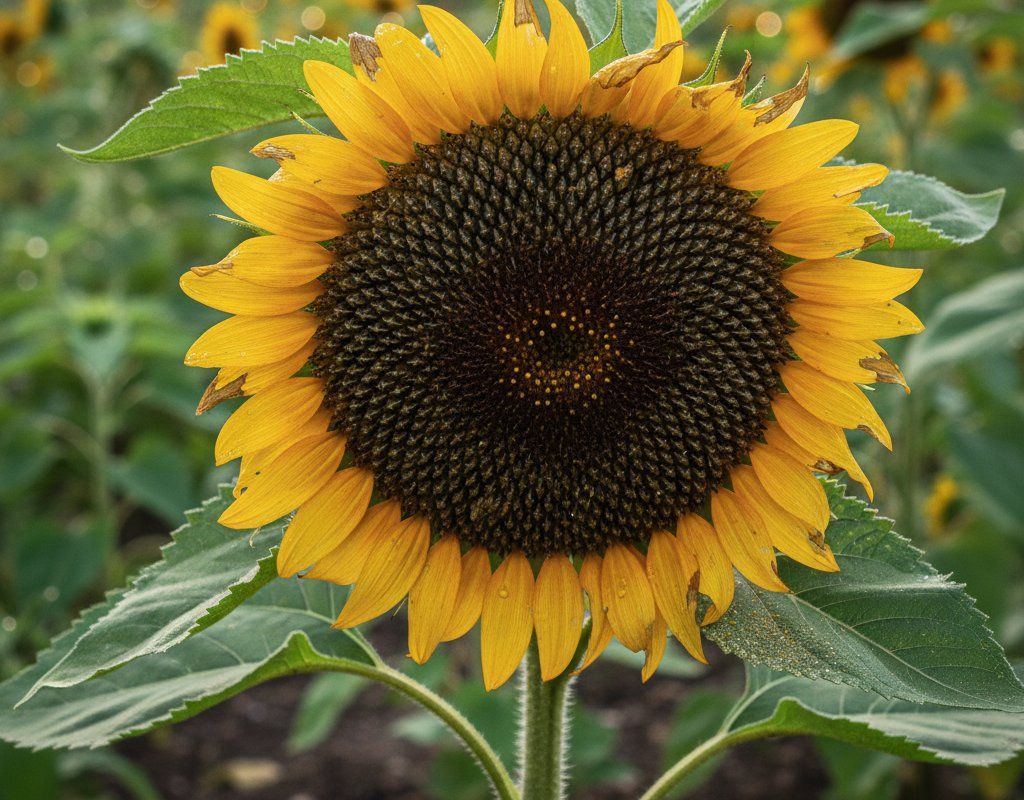
Plant beans, corn, and peas near your cucumbers—legumes fix nitrogen in the soil that cucumbers readily use, and corn provides natural trellising for climbing varieties. Radishes planted around cucumber hills help deter cucumber beetles and mature quickly enough to be harvested before they compete for space. Sunflowers make excellent companions because they attract beneficial insects and provide afternoon shade during our brutal Texas summers, which helps prevent heat stress on cucumber plants.
Avoid planting potatoes near cucumbers, as both crops are susceptible to similar diseases that can spread between them. Aromatic herbs like sage and mint can actually inhibit cucumber growth, and in our Texas climate where every plant needs to perform at its best, there's no room for growth inhibitors in the garden.
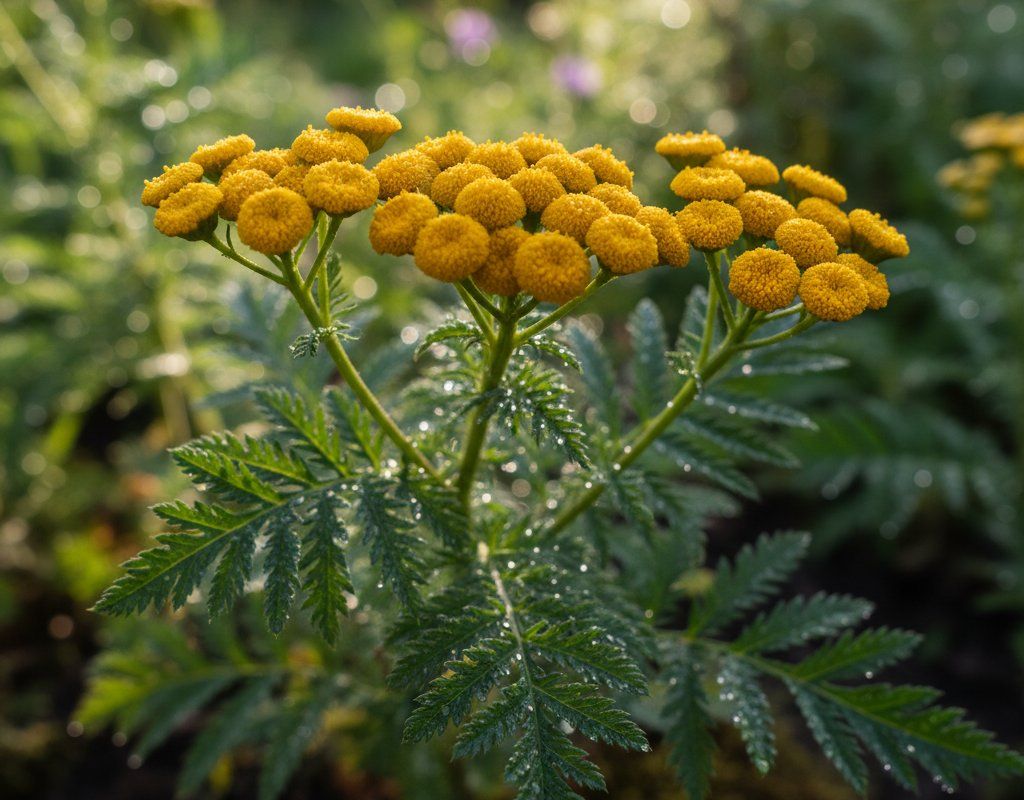
🌸Best Flowers to Plant with Cucumber
These flowers protect your Cucumber from pests and attract pollinators for better harvests.
For Pest Control






Get a Reminder When It's Time to Plant
We'll email you when key planting windows open for your zone.