
Yarrow in Zone 9B — Gulf Coast
Achillea millefolium · Your Complete 2026 Planting Guide
You Can Still Sow!
Direct sowing window is open for Yarrow.
Direct Sow Now
Plant seeds directly in prepared garden soil.
How to Plant Yarrow in Zone 9B — Gulf Coast
Here are all your options for getting yarrow in the ground, from the easiest method to more advanced approaches.
Buy Starts
RecommendedMid January through mid February
around January 16
Plant purchased starts after last frost (January 30).
Perennial. Buy starts for flowers the first year.
Start Seeds Indoors
Works WellMid November through early December
around November 21
Then transplant: Mid January through mid February
Start seeds 8-10 weeks before transplanting outdoors.
Direct Sow Seeds
Works WellLate January through late September
around January 30
Consider succession planting every 2-3 weeks for continuous harvest.
Transplant Outdoors
Timing InfoMid January through mid February
around January 16
Can tolerate light frost, but wait for soil to be workable.
You have a nice window — no need to rush.
Overview
Yarrow is a fantastic addition to any Gulf Coast garden. Its feathery foliage and clusters of blooms add beauty, plus it attracts beneficial insects like crazy, which is always a win when battling our mosquito population. And let's be honest, having armfuls of flowers to dry for arrangements when hurricane season keeps us indoors is a real mood booster.
Our high humidity and long growing season can be a blessing and a curse, but Yarrow is surprisingly adaptable. With the right timing, you can enjoy its beauty from spring through fall, making the most of our 319-day growing season.
Starting Seeds Indoors
Starting Yarrow indoors isn't essential here in the Gulf Coast, but it can give you a head start, especially if you're aiming for those first-year blooms. Sow seeds mid November through early December, about eight weeks before you'd want to transplant.
Use seed trays with a good seed-starting mix. Keep them consistently moist by watering from the bottom to avoid damping off. You'll also want to make sure they are in a warm location with plenty of light. Given our early spring tendencies, starting indoors gives you more control over the initial growth.
Transplanting Outdoors
Transplant your Yarrow seedlings outdoors mid January through mid February. Before you do, harden them off for about a week. Gradually expose them to outdoor conditions, starting with a couple of hours a day and increasing the time each day.
Plant them 12-18 inches apart in a sunny spot. Keep in mind that we can still get some chilly snaps during this time, so be prepared to cover them if a freeze is predicted. Buying starts already in bloom is a great way to guarantee flowers in the first year.
Direct Sowing
Direct sowing Yarrow is definitely an option in our mild Gulf Coast climate. You can sow seeds late January through late September. This gives you a huge window to work with.
Prepare your soil by loosening it and removing any weeds. Scatter the seeds lightly on the surface and gently press them in. Keep the soil consistently moist until they germinate. Just remember, direct-sown plants might not flower in their first year, but they'll catch up quickly!
Watering Yarrow in Zone 9B (Gulf Coast)
Watering Yarrow in the Gulf Coast requires a light touch. This plant is drought-tolerant once it's established, and it *hates* soggy soil. Our high humidity and frequent rainfall mean you need to be extra careful not to overwater.
During the hotter months, especially when we're not getting our usual afternoon storms, check the soil moisture with the finger test. Stick your finger about two inches into the soil. If it feels dry, it's time to water. Aim for about an inch of water per week, but only if it hasn't rained.
Water at the base of the plant to avoid wetting the foliage, which can encourage fungal diseases in our humid climate. Signs of underwatering include wilting and yellowing leaves, while overwatering can lead to floppy growth and root rot. Mulching around the base of the plant with pine straw or wood chips can help retain moisture without creating a soggy environment.
Pruning & Maintaining Yarrow
Pruning Yarrow is pretty straightforward. Deadhead spent flowers throughout the growing season to encourage a second flush of blooms. Just snip off the flower heads right below the next set of leaves.
In the fall, after the first frost around mid- December, cut the plant back to its basal foliage. This helps keep things tidy and encourages fresh growth in the spring. Yarrow can be a bit aggressive, so divide the plants every 2-3 years to keep them from taking over.
🧪Fertilizing Yarrow
Feeding Schedule
Organic Fertilizer Options
Harvest Time
You can start harvesting Yarrow flowers as early as early April and continue through late December in our long Gulf Coast growing season. The best time to harvest is when the flowers are fully open and have vibrant color.
Cut the stems long, leaving plenty of foliage on the plant to encourage continued production. To dry the flowers, hang them upside down in a cool, dark, and dry place. As the first frost approaches, harvest as many flowers as you can to dry and enjoy indoors.
Common Problems in Zone 9B (Gulf Coast)
Yarrow is generally a low-maintenance plant, but here in the Gulf Coast, we do have a few potential problems to watch out for: aggressive spreading, powdery mildew, and aphids.
Aggressive Spreading
- What it looks like: Yarrow can quickly spread via rhizomes, popping up in unwanted areas of your garden.
- What causes it: Our long growing season and ample rainfall encourage vigorous growth, allowing Yarrow to spread more rapidly.
- How to fix/prevent it: Plant Yarrow in a contained area or raised bed. Regularly divide the plants to control their spread. Be vigilant about removing unwanted shoots as they appear.
Powdery Mildew
- What it looks like: A white or grayish powdery coating on leaves and stems. Leaves may curl, yellow, and eventually die.
- What causes it: Powdery mildew thrives in warm days, cool nights, and moderate humidity – conditions we often experience here, especially during spring and fall.
- How to fix/prevent it: Improve air circulation by spacing plants adequately. Remove affected leaves promptly. Apply neem oil or potassium bicarbonate sprays. A milk spray (1 part milk to 9 parts water) can also be effective.
Aphids
- What it looks like: Clusters of tiny green, black, or white insects on stems and leaf undersides. Sticky honeydew residue and curled or distorted new growth.
- What causes it: Aphids are sap-sucking insects that reproduce rapidly, especially in warm weather. Ant colonies often protect them in exchange for honeydew.
- How to fix/prevent it: Knock aphids off with a strong spray of water. Encourage natural predators like ladybugs and lacewings. Use insecticidal soap or neem oil for heavy infestations. Avoid over-fertilizing with nitrogen, as it attracts aphids.
Gulf Coast Specific Challenges: Our hot, humid climate and year-round rainfall create ideal conditions for fungal diseases like powdery mildew. Regular monitoring, good air circulation, and appropriate watering practices are essential for keeping your Yarrow healthy.
Best Companions for Yarrow
Plant these nearby for healthier Yarrow and better harvests.
View Full Companion Planting Chart →

Companion Planting Details
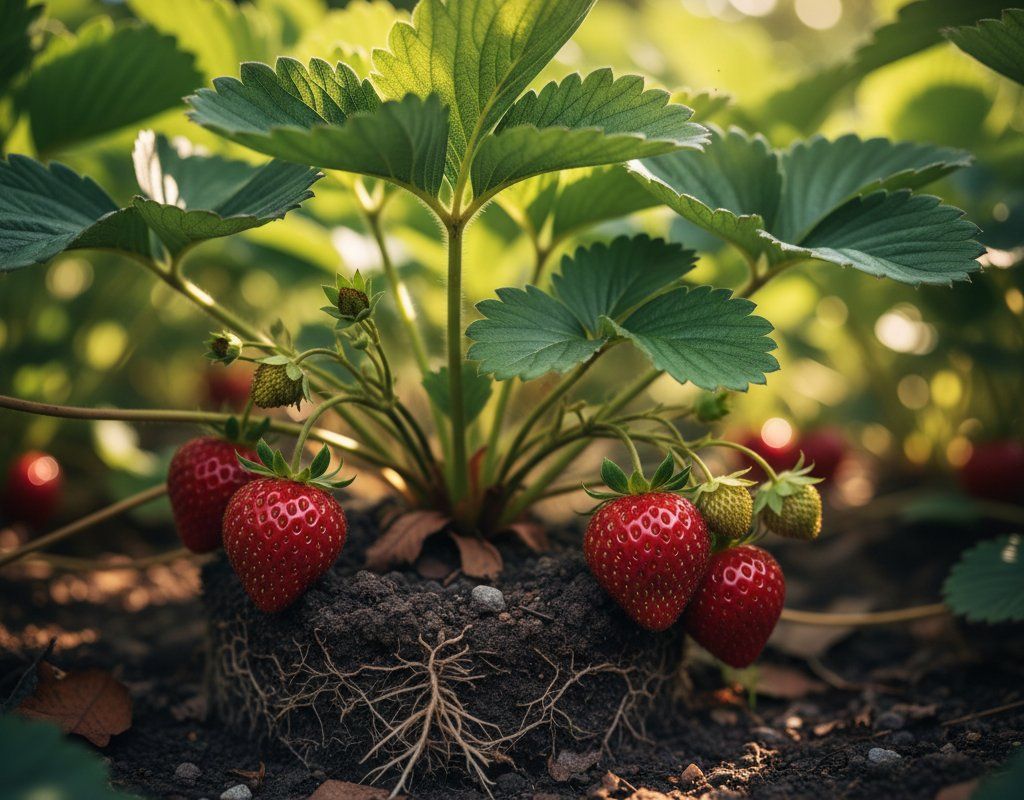
Yarrow makes a great companion plant in the Gulf Coast garden. Plant it near tomatoes and peppers to attract beneficial insects that prey on pests. It's also a good neighbor to herbs like rosemary and thyme, as they all prefer similar well-drained conditions. Strawberries also benefit from Yarrow's ability to attract pollinators. Avoid planting Yarrow near brassicas like cabbage and broccoli, as it can attract aphids that will then target those crops.
🥬Best Vegetables to Pair With Yarrow
Yarrow benefits these vegetables through pest control, pollinator attraction, or improved garden health.






Get a Reminder When It's Time to Plant
We'll email you when key planting windows open for your zone.