
Zinnia in Zone 7A — Mountain West
Zinnia elegans · Your Complete 2026 Planting Guide
Planning Ahead — Great!
You’re ahead of the season. Here’s when to start.
Mark Your Calendar
How to Plant Zinnia in Zone 7A — Mountain West
Here are all your options for getting zinnia in the ground, from the easiest method to more advanced approaches.
Direct Sow Seeds
RecommendedLate April through late July
around April 27
Consider succession planting every 2-3 weeks for continuous harvest.
Start Seeds Indoors
RecommendedLate March through mid April
around April 6
Then transplant: Early May through early June
Start seeds 4-6 weeks before transplanting outdoors.
Buy Starts
Works WellEarly May through early June
around May 4
Plant purchased starts after last frost (April 20).
Transplant Outdoors
Timing InfoEarly May through early June
around May 4
Wait until nighttime temperatures stay above 50°F.
You have a nice window — no need to rush.
Overview
Zinnias are a Mountain West garden staple for a reason. Their vibrant colors thrive in our intense sunlight, and their long bloom time provides continuous beauty from summer into fall. Plus, they attract pollinators, benefiting your entire garden. They're perfect for adding a splash of color to your beds or containers and make fantastic cut flowers to brighten up your home.
Our high altitude, intense sun, and relatively short growing season here in Zone 7A can present challenges, but with careful timing and attention, you can absolutely grow beautiful Zinnias. Our 173-day growing season means we need to make the most of every day, but Zinnias are fast growers and fit well into our climate.
Starting Seeds Indoors
Starting Zinnia indoors isn't always necessary in our region, but it can give you a head start, especially if you're after earlier blooms. If you want to start indoors, aim for late March through mid April, about four weeks before you plan to transplant them outside.
Use seed trays with a good seed-starting mix and keep them consistently moist, watering from the bottom to avoid damping off. Provide plenty of light, either from a sunny window or a grow light, and maintain a temperature of around 70-75°F. Remember that spring can be late in the Mountains, so be patient!
Transplanting Outdoors
Transplanting your Zinnia seedlings outdoors should happen after the danger of frost has passed, typically early May through early June. Before transplanting, harden off your seedlings by gradually exposing them to outdoor conditions for about a week. This helps them adjust to the intense UV light and cooler nights.
Choose a sunny spot with well-draining soil and space your plants 6-12 inches apart. Keep an eye on the weather forecast, as late frosts are possible even in May. If a frost threatens, cover your seedlings to protect them.
Direct Sowing
Direct sowing Zinnias is a perfectly viable option in our Mountain climate, especially if you’re looking for a low-fuss approach. Wait until the soil has warmed up, usually late April through late July, and is consistently above 60°F.
Prepare your garden bed by loosening the soil and amending it with compost to improve drainage. Sow seeds directly into the soil, spacing them 6-12 inches apart. Keep the soil consistently moist until the seedlings emerge. Direct sowing can be a little slower, but the plants often catch up quickly once the weather warms up.
Watering Zinnia in Zone 7A (Mountain West)
Watering is key to successful Zinnia growing in our dry Mountain climate. While Zinnias are somewhat drought-tolerant once established, they need consistent moisture, especially during their initial growth. Aim to water deeply but infrequently, about 1 inch of water per week, depending on rainfall.
Use the "finger test" – stick your finger about 2 inches into the soil. If it feels dry, it's time to water. Water at the base of the plants to avoid wetting the leaves, which can lead to powdery mildew in our cool nights. During hotter periods, you might need to water more frequently.
Signs of underwatering include wilting leaves and stunted growth. Overwatering can lead to yellowing leaves and root rot. Applying a layer of mulch around the base of your plants can help retain moisture and regulate soil temperature.
Pruning & Maintaining Zinnia
Pruning Zinnias is simple and rewarding. The key is to deadhead spent flowers regularly to encourage more blooms throughout the season. Simply snip off the faded flowers just below the flower head.
Don't be afraid to cut long stems for bouquets – this actually encourages the plant to produce even more flowers. Continue deadheading throughout the summer and into the fall. As the first frost approaches in early October, harvest any remaining blooms to enjoy indoors.
🧪Fertilizing Zinnia
Feeding Schedule
Organic Fertilizer Options
Harvest Time
You can expect your first Zinnia harvest starting in late June and continuing through early October, about 60 days after planting. Cut the flowers when they are fully open and the stems are firm. The more you cut, the more flowers the plant will produce, so don't be shy!
Use sharp, clean scissors or pruners to avoid damaging the plant. Cut the stems at an angle to help them absorb water more efficiently. Remove any leaves that will be below the waterline in your vase.
As the first frost approaches in early October, harvest all remaining blooms to enjoy indoors. Zinnias make excellent cut flowers and will last a long time in a vase.
Common Problems in Zone 7A (Mountain West)
Here are a few common problems you might encounter with Zinnias in our region:
Powdery Mildew
- What it looks like: White or grayish powdery coating on leaves, stems, and sometimes flowers. Leaves may curl, yellow, and die.
- What causes it: Various fungi thrive in warm days, cool nights, and moderate humidity. Dry leaf surfaces actually favor it, so our low humidity doesn't always prevent it.
- How to fix/prevent it: Improve air circulation by spacing plants adequately and pruning dense foliage. Remove affected leaves promptly. Neem oil or potassium bicarbonate sprays can help. A milk spray (1 part milk to 9 parts water) is surprisingly effective.
Bacterial Leaf Spot
- What it looks like: Small, water-soaked spots on leaves that turn brown or black. Spots may be surrounded by a yellow halo.
- What causes it: Bacteria spread by splashing water, often during overhead watering or heavy rain. Our dry climate can sometimes limit this, but summer thunderstorms can create ideal conditions.
- How to fix/prevent it: Avoid overhead watering. Improve air circulation. Remove and destroy infected leaves. Copper-based fungicides can help prevent further spread.
Alternaria Blight
- What it looks like: Circular or irregular brown spots on leaves, often with concentric rings. Spots may merge and cause leaves to yellow and drop.
- What causes it: A fungal disease that thrives in warm, humid conditions. While our humidity is low, prolonged periods of rain or overhead watering can create favorable conditions.
- How to fix/prevent it: Remove and destroy infected leaves. Improve air circulation. Avoid overhead watering. Fungicides containing chlorothalonil or mancozeb can be used preventatively.
Mountain West Specific Challenges: Our moderate-at-altitude summer heat and low humidity can be a double-edged sword. While low humidity reduces the risk of some fungal diseases, the intense sun and dry air can stress plants, making them more susceptible to problems if not watered properly. Pay close attention to watering and provide shade during the hottest part of the day if needed.
Best Companions for Zinnia
Plant these nearby for healthier Zinnia and better harvests.
View Full Companion Planting Chart →



Companion Planting Details
Zinnias make great companions for many vegetables in your Mountain West garden.
- Tomatoes: Zinnias attract pollinators that also benefit tomato plants, improving fruit set.
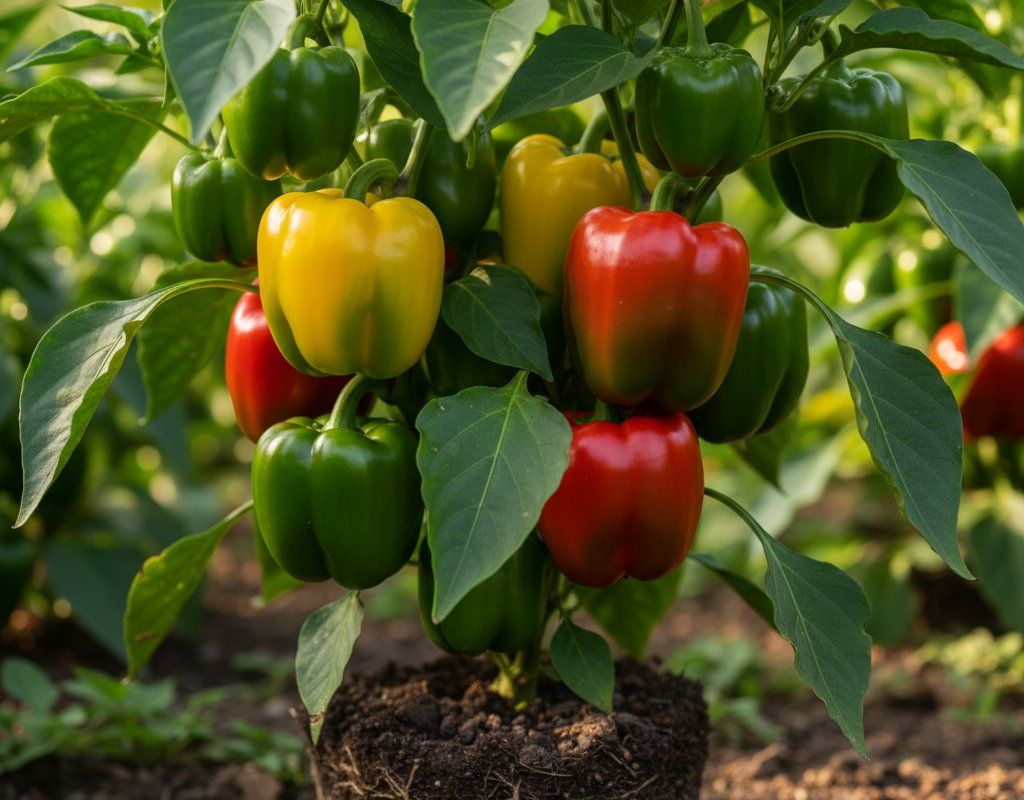
- Peppers: Similar to tomatoes, peppers benefit from the increased pollinator activity around Zinnias.
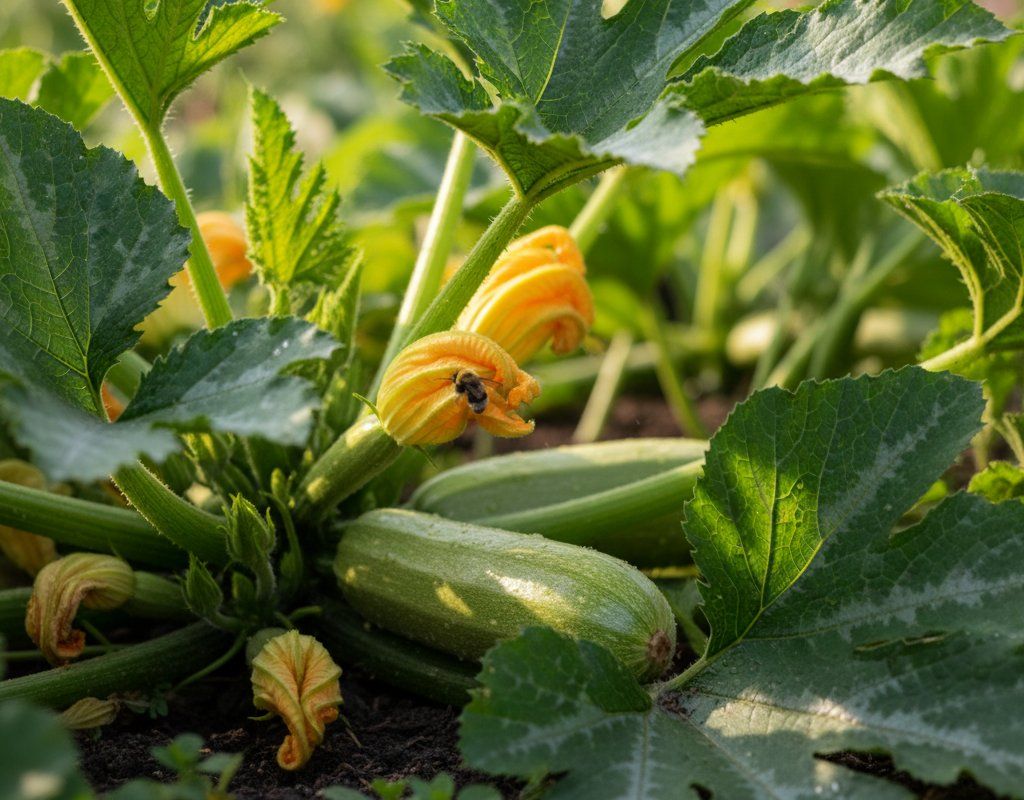
- Squash & Cucumber: Zinnias can help deter squash bugs and other pests that commonly plague squash and cucumber plants.
Avoid planting Zinnias near plants that are highly susceptible to powdery mildew, as Zinnias themselves can sometimes be affected. This helps prevent the spread of the disease throughout your garden.
🥬Best Vegetables to Pair With Zinnia
Zinnia benefits these vegetables through pest control, pollinator attraction, or improved garden health.


Get a Reminder When It's Time to Plant
We'll email you when key planting windows open for your zone.