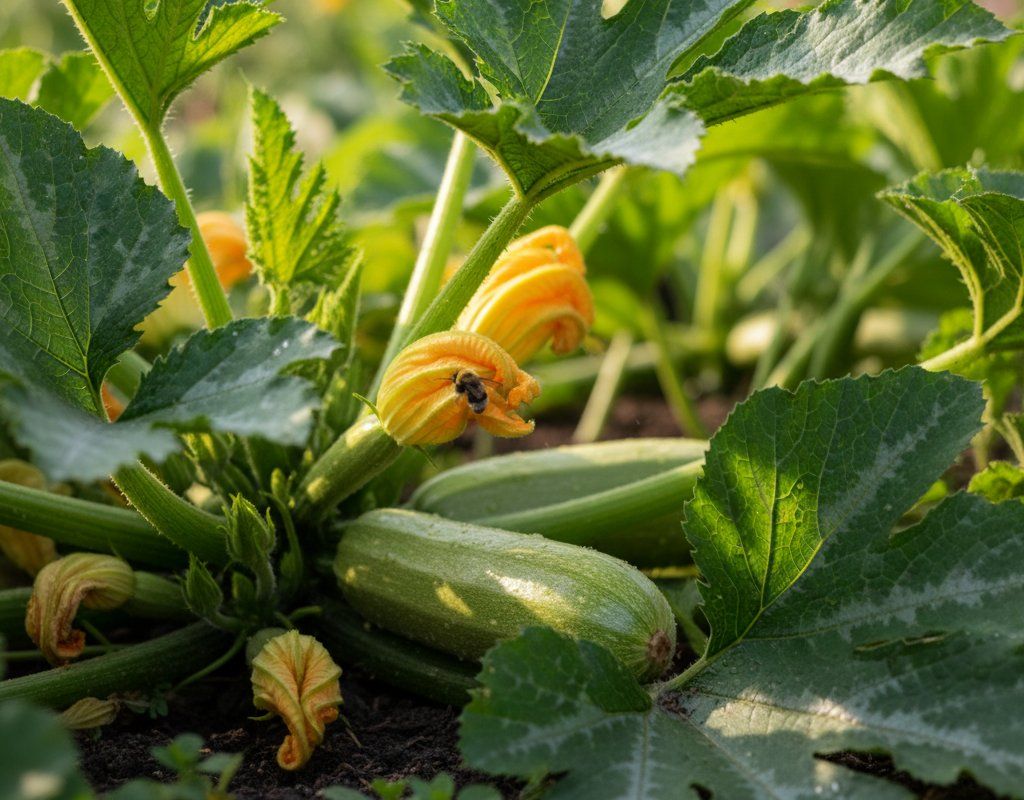
Zucchini in Zone 7A — Mountain West
Cucurbita pepo · Your Complete 2026 Planting Guide
Planning Ahead — Great!
You’re ahead of the season. Here’s when to start.
Mark Your Calendar
How to Plant Zucchini in Zone 7A — Mountain West
Here are all your options for getting zucchini in the ground, from the easiest method to more advanced approaches.
Direct Sow Seeds
RecommendedLate April through early August
around April 27
Consider succession planting every 2-3 weeks for continuous harvest.
Zucchini grows so fast that direct sowing is usually easiest.
Buy Starts
Works WellEarly May through mid June
around May 4
Plant purchased starts after last frost (April 20).
Start Seeds Indoors
Works WellEarly to late April
around April 13
Then transplant: Early May through mid June
Start seeds 3-5 weeks before transplanting outdoors.
Only start indoors if you want earlier harvest. Don't start too early.
Transplant Outdoors
Timing InfoEarly May through mid June
around May 4
Wait until nighttime temperatures stay above 50°F.
You have a nice window — no need to rush.
Overview
Zucchini thrives in our Mountain West climate, making the most of our intense sunlight and cool nights to produce tender, flavorful squash with that perfect texture you'll never get from store-bought. Here at altitude, the combination of brilliant UV exposure and consistently cool evenings creates ideal conditions for zucchini's rapid growth while concentrating sugars and improving flavor. You'll find yourself with an abundance of fresh squash perfect for everything from quick sautés to hearty breads.
Our short 173-day growing season and late spring might seem challenging for warm-season crops like zucchini, but the timing actually works beautifully. Once our soil warms up in late spring, zucchini grows incredibly fast in our intense Mountain sun, often producing from midsummer straight through to our first frost in early October. The key is simply working with our climate patterns rather than fighting them.
Starting Seeds Indoors
Starting zucchini seeds indoors isn't essential, but it can give you a 2-3 week head start on harvest if that matters for your kitchen planning. Start seeds early to late April, about 3 weeks before you plan to transplant outdoors. Use individual pots since zucchini doesn't transplant well from crowded seed trays.
Keep seeds warm (70-80°F) for quick germination, and provide strong light once they sprout. Bottom watering works best to avoid disturbing the large seeds and emerging seedlings. Our late Mountain springs mean there's no rush—starting too early just leaves you with leggy plants waiting for warm weather.
Remember that zucchini grows so vigorously once planted that indoor starting often isn't worth the effort. Direct sowing usually catches up quickly and avoids transplant shock entirely.
Transplanting Outdoors
If you've started zucchini indoors, transplant from early May through mid-June once nighttime temperatures stay consistently above 50°F. In our Mountain climate, this timing ensures soil has warmed adequately while still giving plants time to establish before peak summer.
Harden off seedlings gradually over a full week, starting with just 2-3 hours of outdoor exposure and building up to full days. Our intense UV can shock indoor-grown plants quickly. Space transplants 36-48 inches apart—zucchini needs room to spread, and good air circulation helps prevent powdery mildew in our cool-night conditions.
Watch for late cold snaps that can surprise us even into late May. Have row covers ready, or simply wait a bit longer. Zucchini grows so fast that a week's delay won't impact your total harvest much.
Direct Sowing
Direct sowing is the easiest approach for zucchini in our Mountain region. Plant from late April through early August, once soil temperature reaches 60°F consistently. The extended planting window lets you succession plant for continuous harvests right up to frost.
Prepare planting areas by working compost into our typically alkaline soil—zucchini appreciates slightly acidic to neutral conditions. Plant seeds 1 inch deep, spacing them 36-48 inches apart. At our altitude, seeds often germinate within 5-7 days once soil warms up properly.
For late-season plantings through early August, focus on quick-maturing varieties since you're working backward from our early October frost date. Even August plantings usually produce well into fall thanks to our reliable growing conditions once established.
Watering Zucchini in Zone 7A (Mountain West)
Zucchini needs consistent, deep watering to perform well in our dry Mountain climate. With only 10-20 inches of annual rainfall, you'll need to provide about 1-1.5 inches of water weekly, adjusted upward during our intense midsummer sun periods. Our low humidity means plants lose moisture quickly, even with moderate temperatures.
Water deeply at the base of plants rather than overhead—our cool nights combined with wet foliage create perfect conditions for powdery mildew. Use the finger test: stick your finger 2 inches into soil near the plant base. If it's dry, water thoroughly until you see runoff. In our sandy Mountain soils, this usually means watering every 2-3 days rather than daily sprinkles.
Watch for signs of stress in our intense UV conditions. Wilting during peak afternoon sun (even with adequate soil moisture) is normal, but leaves should recover by evening. Underwatered plants stay wilted after sunset, while overwatered plants develop yellow leaves and stunted growth.
Apply 2-3 inches of organic mulch around plants to conserve moisture and moderate soil temperature swings. In our low-humidity environment, mulch becomes especially critical for maintaining the consistent moisture zucchini demands for proper fruit development.
🧪Fertilizing Zucchini
Feeding Schedule
Organic Fertilizer Options
Harvest Time
Expect your first zucchini harvest from mid-June through early October, with peak production hitting midsummer when our days are longest and most intense. Plants typically start producing about 50 days from seed, but our Mountain conditions often speed this up once soil warms.
Harvest zucchini at 6-8 inches long for the best flavor and texture—larger fruits become spongy and seedy. Check plants daily during peak season because zucchini can literally double in size overnight in our intense summer sun. Cut fruits with a sharp knife rather than twisting them off to avoid damaging the productive vine.
Keep harvesting regularly to maintain production. Even one oversized fruit left on the plant signals it to stop producing new ones. Remove any yellowing or damaged fruits promptly. The cool nights that follow our warm Mountain days actually improve fruit quality by concentrating sugars and maintaining firm texture.
As early October approaches and frost threatens, harvest all developing fruits regardless of size. Green zucchini can be used in baking, and small fruits are perfect for pickling. Cover plants with row covers during light frosts to extend harvest, but plan on finishing up when hard freezes arrive.
Common Problems in Zone 7A (Mountain West)
Squash Vine Borers Look for sudden wilting of entire vines or sections, especially when the rest of the plant looks healthy. You'll often see small piles of sawdust-like material (called frass) at the base of stems where larvae have burrowed inside. If you slice open affected stems, you'll find fat, white grubs tunneling through the interior. These are larvae of a clearwing moth that targets squash family plants. In our Mountain region, the moth's flight period typically aligns with late spring warming. Wrap the base of stems with aluminum foil or row covers early in the season, or try succession planting every 2-3 weeks to have backup plants ready.
Powdery Mildew This shows up as white or grayish powdery coating on leaves, starting on older foliage and spreading upward. Leaves eventually curl, yellow, and die back, reducing plant vigor significantly. Our Mountain climate's cool nights combined with warm days creates ideal conditions for this fungus, and our low humidity actually favors it since it doesn't need wet surfaces like most plant diseases. Improve air circulation by spacing plants properly (36-48 inches apart) and removing lower leaves that touch soil. Neem oil sprays help, but surprisingly, a simple milk spray (1 part milk to 9 parts water) applied weekly prevents and treats mild infections effectively.
Blossom End Rot You'll see sunken, dark brown or black leathery patches on the bottom (blossom end) of developing fruits. This typically affects the first fruits of the season and looks alarming, but it's not a disease—it's a calcium uptake problem caused by inconsistent watering. Our dry climate and intense sun make maintaining consistent soil moisture challenging, but it's crucial for preventing this issue. Water deeply and regularly rather than letting soil dry out between irrigations. Mulch heavily to buffer moisture swings, and avoid over-fertilizing with nitrogen, which interferes with calcium uptake.
Mountain West Specific Challenges Our intense UV radiation can stress zucchini plants during peak afternoon hours, making consistent watering even more critical. The combination of hot days and cool nights that defines our Mountain climate also creates perfect conditions for powdery mildew, so focus on preventive spacing and air circulation. Hail can devastate large zucchini leaves in minutes—row covers during storm season can save your crop.
Best Companions for Zucchini
Plant these nearby for healthier Zucchini and better harvests.


Keep Away From
Companion Planting Details
Zucchini pairs excellently with corn and beans in our Mountain gardens, creating a productive three-sisters-style planting that maximizes space and benefits. Corn provides natural trellising for beans while creating afternoon shade that helps protect zucchini from our intense UV during peak summer heat. The beans fix nitrogen that feeds both companion crops, particularly valuable in our typically lower-fertility Mountain soils.
Plant radishes and mint around zucchini borders—radishes help break up soil compaction and deter squash bugs, while mint's strong scent confuses cucumber beetles and other pests. Avoid planting potatoes nearby since they compete heavily for the same soil nutrients and water that zucchini demands, and both crops suffer in our already-challenging dry conditions when forced to share resources.
🌸Best Flowers to Plant with Zucchini
These flowers protect your Zucchini from pests and attract pollinators for better harvests.
For Pest Control








Get a Reminder When It's Time to Plant
We'll email you when key planting windows open for your zone.