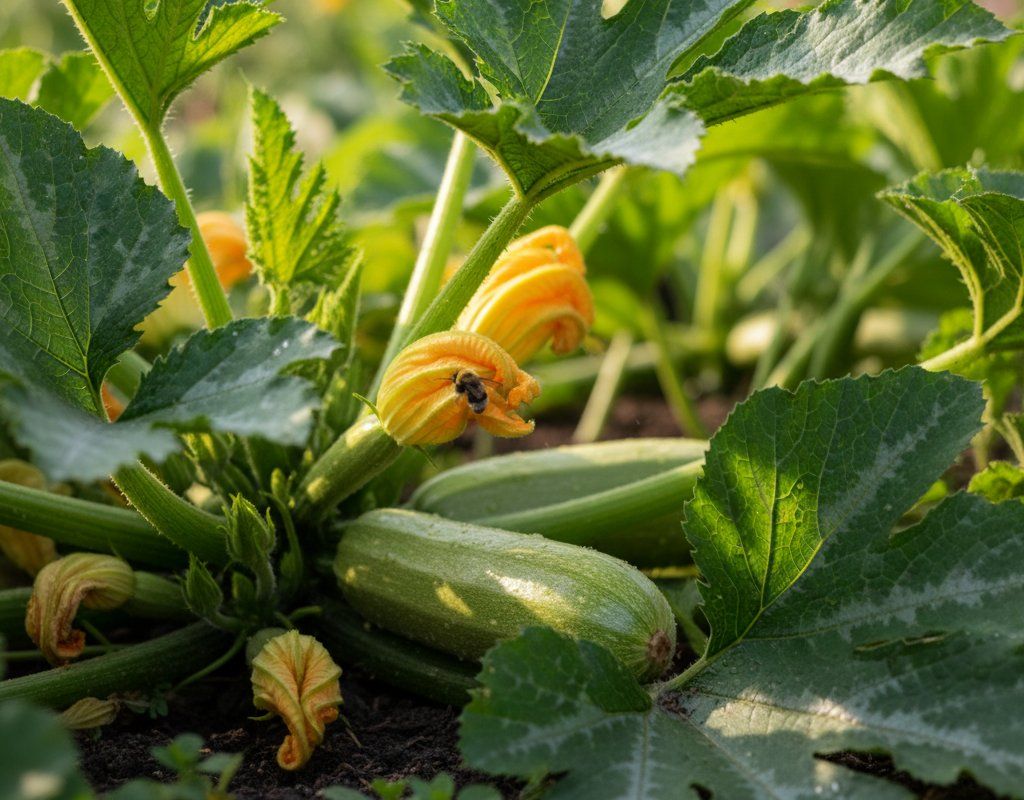
Zucchini in Zone 5B — Midwest
Cucurbita pepo · Your Complete 2026 Planting Guide
Planning Ahead — Great!
You’re ahead of the season. Here’s when to start.
Mark Your Calendar
How to Plant Zucchini in Zone 5B — Midwest
Here are all your options for getting zucchini in the ground, from the easiest method to more advanced approaches.
Direct Sow Seeds
RecommendedEarly May through early August
around May 2
Consider succession planting every 2-3 weeks for continuous harvest.
Zucchini grows so fast that direct sowing is usually easiest.
Buy Starts
Works WellEarly May through mid June
around May 9
Plant purchased starts after last frost (April 25).
Start Seeds Indoors
Works WellMid April through early May
around April 18
Then transplant: Early May through mid June
Start seeds 3-5 weeks before transplanting outdoors.
Only start indoors if you want earlier harvest. Don't start too early.
Transplant Outdoors
Timing InfoEarly May through mid June
around May 9
Wait until nighttime temperatures stay above 50°F.
You have a nice window — no need to rush.
Overview
Zucchini thrives in our Midwest climate, making the most of our fertile soil and reliable summer rainfall. With 50 days to maturity and our 168-day growing season, you can succession plant for continuous harvests from late June through the first frost in early October. The summer heat spells we get here actually benefit zucchini production, and one plant can easily provide enough squash for a family of four.
While our variable spring weather and occasional late frost can be tricky, proper timing makes zucchini one of the most reliable crops you can grow. The key is waiting until soil temperatures warm up consistently in early May, then enjoying months of prolific harvests. Our clay soil retains moisture well once amended, which zucchini loves for its high water needs.
Starting Seeds Indoors
Starting zucchini seeds indoors makes sense if you want to push for an earlier harvest, but it's not necessary given how quickly they grow. Start seeds mid-April through early May, about 3 weeks before you plan to transplant outdoors. Use seed trays filled with quality potting mix and keep them warm – zucchini needs soil temperatures around 70°F to germinate well.
Bottom watering works best to prevent damping off disease. Place seed trays in a warm spot (on top of the refrigerator works) until germination, then move to bright light. With our moderate-to-late spring start here in the Midwest, indoor starting only gains you about 2-3 weeks of harvest time.
Don't start too early – zucchini seedlings grow fast and become leggy if held indoors too long. Four weeks is the absolute maximum indoor time before they need to go outside.
Transplanting Outdoors
Transplant your zucchini seedlings outdoors from early May through mid-June, after soil temperatures consistently reach 60°F and nighttime lows stay above 50°F. In our area, this typically means waiting until Memorial Day weekend is safest, though you can risk it a week or two earlier with protection ready.
Harden off seedlings gradually over a week by placing them outside for increasingly longer periods. Start with 2-3 hours of morning sun, then work up to full days. This prevents transplant shock from our sometimes dramatic temperature swings.
Space plants 36-48 inches apart – zucchini needs room to spread, and good air circulation helps prevent powdery mildew in our moderate humidity. Choose the sunniest spot in your garden, as these heat-loving plants perform best with 6-8 hours of direct sun during our summer growing season.
Direct Sowing
Direct sowing is the easiest and most reliable method for zucchini in the Midwest. Plant seeds from early May through early August, giving you multiple succession plantings throughout the season. Wait until soil temperature reaches 65°F consistently – usually around the third week of May in our area.
Prepare your planting area by working compost into the soil, especially important if you're dealing with our heavy clay. Plant seeds 1 inch deep in groups of 2-3, spacing each group 36-48 inches apart. The wide spacing prevents overcrowding and improves air circulation.
Zucchini grows so fast that direct sowing often catches up to transplanted seedlings within a few weeks. Plus, direct-sown plants develop stronger root systems that handle our summer heat spells better. For continuous harvest, plant new seeds every 3-4 weeks through mid-July.
Watering Zucchini in Zone 5B (Midwest)
Zucchini has high water needs, requiring about 1-2 inches per week during our growing season. While we typically receive 30-40 inches of rainfall annually, summer distribution can be uneven, so consistent watering is crucial. Deep, infrequent watering works better than daily light sprinkles.
Use the finger test to check soil moisture – stick your finger 2 inches deep near the plant base. If it's dry at that depth, it's time to water. During our summer heat spells when temperatures hit the mid-80s, you may need to water every 2-3 days, especially in amended clay soil that can dry out on top while staying moist below.
Always water at the base of the plant, not overhead. Our moderate-to-humid summers create perfect conditions for powdery mildew when water sits on those large leaves. Soaker hoses or drip irrigation work perfectly for zucchini's sprawling habit.
Signs of underwatering include wilting during the hottest part of the day (even with adequate moisture), while overwatering shows up as yellowing leaves and poor fruit development. A 2-3 inch layer of mulch helps maintain consistent soil moisture during our variable summer weather patterns.
🧪Fertilizing Zucchini
Feeding Schedule
Organic Fertilizer Options
Harvest Time
Expect your first zucchini harvest about 50 days after planting, typically starting in late June if you planted in early May. Harvest when fruits reach 6-8 inches long for the best texture and flavor – any larger and they become spongy and seedy. Check plants daily once production starts, as zucchini can grow from tiny to oversized in just 2-3 days during our warm summer weather.
Cut fruits off with a sharp knife or pruning shears rather than pulling, which can damage the plant. Harvest in the morning when fruits are firm and cool from the night air. Regular picking encourages continued production – leaving oversized fruits on the plant signals it to stop producing new ones.
Keep harvesting consistently through early October when our first frost typically arrives. Even a light frost will kill zucchini plants, so watch weather forecasts closely as fall approaches. If frost threatens and you have small fruits developing, cover plants overnight or harvest everything and let smaller zucchini ripen indoors for a few days.
The plants will produce heavily through our peak summer heat, often providing more than most families can use fresh. This is when neighbors start locking their car doors in grocery store parking lots around here!
Common Problems in Zone 5B (Midwest)
Squash Vine Borers What it looks like: Sudden wilting of entire sections or whole vines, even when soil is moist. You'll notice sawdust-like debris (called frass) at the base of stems where larvae have bored holes.
What causes it: Adult moths lay eggs at stem bases in late June through July in our area. The larvae tunnel through stems, cutting off water and nutrient flow. Our warm, humid summers create ideal conditions for these pests.
How to fix/prevent it: Wrap the lower 6 inches of stems with aluminum foil or use row covers during egg-laying season. If you catch it early, slit the stem and remove the white grub, then mound soil over the damaged area. Plant succession crops every few weeks so you have backup plants ready.
Powdery Mildew What it looks like: White or grayish powdery coating appears on leaves, starting on older leaves first. Leaves eventually yellow, curl, and die back, reducing plant vigor significantly.
What causes it: Various fungi that thrive in our moderate humidity with warm days and cooler nights. Unlike other plant diseases, powdery mildew actually prefers dry leaf surfaces, making overhead watering counterproductive.
How to fix/prevent it: Space plants properly for air circulation and remove affected leaves immediately. Spray with neem oil or make a simple milk spray (1 part milk to 9 parts water) applied weekly. Plant resistant varieties if this is a recurring problem in your garden.
Blossom End Rot What it looks like: Dark brown or black leathery patches on the bottom (blossom end) of fruits. Usually affects the first fruits of the season most severely.
What causes it: Calcium deficiency triggered by inconsistent watering, not an actual disease. Our clay soil often compounds this by creating wet/dry cycles that prevent proper nutrient uptake.
How to fix/prevent it: Maintain consistent soil moisture through regular watering and mulching. Don't over-fertilize with nitrogen, which can interfere with calcium uptake. Remove affected fruits so the plant puts energy into new, healthy ones.
Midwest Specific Challenges: Our moderate-to-humid summers with wet-season rainfall can create perfect conditions for fungal diseases, while our clay soil's tendency to hold water can lead to inconsistent moisture levels that trigger blossom end rot.
Best Companions for Zucchini
Plant these nearby for healthier Zucchini and better harvests.


Keep Away From
Companion Planting Details
Zucchini pairs well with corn and beans in the classic "Three Sisters" combination – the zucchini's large leaves shade the soil and retain moisture, while corn provides vertical structure. Radishes planted around zucchini help deter squash bugs and make good use of space early in the season before the zucchini spreads. Mint planted nearby can help repel ants and rodents, though keep it contained or it will take over your garden bed.
Avoid planting zucchini near potatoes, as both are heavy feeders that compete for nutrients in the soil. Potatoes also prefer different watering schedules than zucchini's consistent moisture needs. In our fertile Midwest soil, this competition is less of an issue than in poor soils, but proper spacing and plant pairing still makes for healthier, more productive plants.
🌸Best Flowers to Plant with Zucchini
These flowers protect your Zucchini from pests and attract pollinators for better harvests.
For Pest Control








Get a Reminder When It's Time to Plant
We'll email you when key planting windows open for your zone.