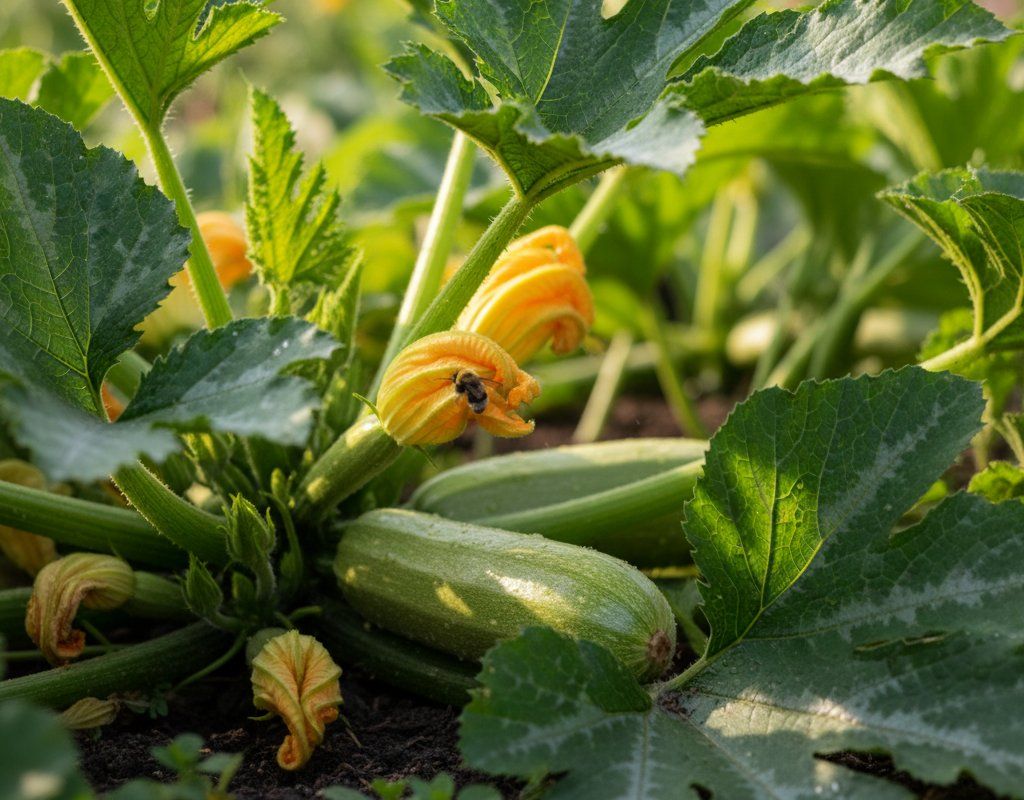
Zucchini in Zone 5B — Mountain West
Cucurbita pepo · Your Complete 2026 Planting Guide
Planning Ahead — Great!
You’re ahead of the season. Here’s when to start.
Mark Your Calendar
How to Plant Zucchini in Zone 5B — Mountain West
Here are all your options for getting zucchini in the ground, from the easiest method to more advanced approaches.
Direct Sow Seeds
RecommendedMid May through late July
around May 12
Consider succession planting every 2-3 weeks for continuous harvest.
Zucchini grows so fast that direct sowing is usually easiest.
Buy Starts
Works WellMid May through late June
around May 19
Plant purchased starts after last frost (May 5).
Start Seeds Indoors
Works WellLate April through mid May
around April 28
Then transplant: Mid May through late June
Start seeds 3-5 weeks before transplanting outdoors.
Only start indoors if you want earlier harvest. Don't start too early.
Transplant Outdoors
Timing InfoMid May through late June
around May 19
Wait until nighttime temperatures stay above 50°F.
You have a nice window — no need to rush.
Overview
Zucchini thrives in our Mountain West climate, turning our intense high-altitude sunlight into prolific harvests that can overwhelm even experienced gardeners. The combination of our bright days and cool nights produces zucchini with exceptional flavor and firm texture—much better than the watery specimens from hot, humid regions. With proper timing, you'll have fresh zucchini from midsummer straight through to our first frost in early October.
Our short 149-day growing season and late spring start might seem challenging for warm-season crops, but zucchini's fast growth makes it perfectly suited to Mountain gardening. The key is waiting for consistently warm soil temperatures and protecting young plants from our unpredictable late spring weather. Once established, zucchini actually benefits from our moderate summer temperatures and low humidity, which reduce many common disease problems.
Starting Seeds Indoors
Starting zucchini seeds indoors makes sense if you want to extend your harvest season or get a jump on our short growing window. Start seeds from late April through mid-May, about three weeks before your planned transplant date. Use seed starting trays with good drainage and keep them warm—zucchini seeds need soil temperatures around 70°F to germinate well.
Set up your seedlings under grow lights or in a sunny south-facing window, and use bottom watering to prevent damping-off disease. The intense UV at our altitude can actually stress young seedlings if you place them directly in an unshaded south window. Given our late spring character, don't start seeds too early—zucchini grows so quickly that seedlings started in early April will become rootbound and stressed waiting for transplant weather.
Honestly, most Mountain gardeners skip indoor starting entirely. Zucchini seeds germinate and grow so fast that direct sowing usually catches up to transplants within a few weeks, and you avoid transplant shock altogether.
Transplanting Outdoors
If you've started zucchini indoors, plan to transplant from mid-May through late June, once nighttime temperatures consistently stay above 50°F. Our cool Mountain nights, even in summer, can shock warm-season plants that aren't properly hardened off. Start the hardening process a full week before transplanting by gradually exposing seedlings to outdoor conditions.
Space transplants 36 to 48 inches apart—zucchini needs room to spread, and good air circulation helps prevent powdery mildew in our dry climate. Plant on a calm day if possible, as our frequent spring winds can stress newly transplanted seedlings. Watch the weather forecast carefully; an unexpected late spring cold snap can kill tender transplants overnight.
Consider using row covers or water-filled plant protectors for the first few weeks after transplanting. Our intense high-altitude sun can actually sunscald young plants, while cool nights can stunt their growth. Remove protection once plants are established and nighttime temperatures stay consistently warm.
Direct Sowing
Direct sowing is the most reliable method for zucchini in the Mountain West. Plant seeds from mid-May through late July, once soil temperatures reach 65°F consistently. This timing works perfectly with our climate—early plantings take advantage of the full growing season, while late July sowings still have time to produce before our early October frost.
Prepare your soil by working in plenty of compost, as zucchini are heavy feeders. Plant seeds 1 inch deep and space them 36 to 48 inches apart—trust this spacing even though it seems excessive. Zucchini plants get massive, and crowded plants struggle with powdery mildew. In our alkaline soils, adding sulfur or peat moss can help lower pH slightly, though zucchini tolerates alkaline conditions better than many vegetables.
The beauty of direct sowing in our climate is that seeds planted in late May often catch up to transplants started indoors. Zucchini grows so vigorously once soil warms that you'll see seedlings emerge within a week. Water gently until plants establish, then switch to deep, infrequent watering as they mature.
Watering Zucchini in Zone 5B (Mountain West)
Zucchini has high water needs, which can be challenging in our dry Mountain climate where we typically receive only 10-20 inches of annual rainfall. Plan to provide about 1-2 inches of water per week, including any natural rainfall. The key is deep, consistent watering rather than frequent shallow sprinklings that encourage shallow root development.
Use the finger test to check soil moisture—stick your finger 2 inches deep near the base of the plant. If it's dry at that depth, it's time to water. In our low-humidity environment, soil dries out faster than you might expect, especially during our intense summer sun periods. Water early in the morning to give plants time to absorb moisture before the day heats up.
Always water at the base of plants rather than overhead. Our dry air means that wet leaves actually promote powdery mildew more than in humid climates—the spores thrive on the contrast between wet leaf surfaces and dry air. Soaker hoses or drip irrigation work perfectly for zucchini's sprawling growth habit. Avoid getting water on the large leaves, which can act like magnifying glasses under our intense UV.
Apply a 3-4 inch layer of organic mulch around plants to conserve moisture and regulate soil temperature. In our climate, grass clippings or shredded leaves work well, breaking down slowly and adding organic matter to our often-poor mountain soils. Watch for signs of stress: wilting during the hottest part of the day is normal, but plants should perk up by evening with adequate soil moisture.
🧪Fertilizing Zucchini
Feeding Schedule
Organic Fertilizer Options
Harvest Time
Expect your first zucchini from early July through early October, about 50 days from planting. The exact timing depends on when you planted and our sometimes variable spring weather, but most Mountain gardeners see their first harvest by mid-July from mid-May plantings. This gives you a solid 10-12 weeks of continuous production before our typical first frost.
Harvest zucchini when they're 6-8 inches long and about 2 inches in diameter for the best flavor and texture. Check your plants daily during peak season—zucchini can grow from perfect size to baseball bat overnight, especially during our intense summer sun periods. Use a sharp knife to cut the stem rather than pulling, which can damage the plant and reduce future production.
Keep harvesting regularly to encourage continued production. Even if you can't use all the zucchini (and you won't—trust every Mountain gardener on this), keep picking to signal the plant to produce more. Oversized zucchini become spongy and develop tough seeds, though they're still useful for baking or composting.
As our first frost approaches in early October, harvest any remaining zucchini regardless of size. Unlike winter squash, zucchini won't ripen off the vine and has no frost tolerance. You can extend the season by a few weeks with row covers, but most gardeners are ready for a break from zucchini processing by then anyway.
Common Problems in Zone 5B (Mountain West)
Squash Vine Borers Look for sudden wilting of entire vines or sections, often accompanied by sawdust-like debris (frass) at the base of stems. If you slit open a wilting stem, you'll find a fat, white grub tunneling through the interior. This pest is particularly frustrating because plants can go from healthy to dead within days.
The clearwing moth that causes this damage lays eggs at the base of squash stems in early summer. Our Mountain climate actually works in our favor here—the moths are less problematic at higher elevations and in areas with cool nights. Wrap the base of stems with aluminum foil or use floating row covers early in the season. If you catch borers early, inject Bt (Bacillus thuringiensis) into the stem holes. Consider succession planting every 2-3 weeks to have backup plants ready.
Powdery Mildew This fungal disease appears as white or grayish powdery coating on leaves, stems, and sometimes fruit. Affected leaves curl, yellow, and eventually die, reducing plant vigor significantly. Ironically, our dry Mountain climate can actually favor powdery mildew because the fungus thrives on dry leaf surfaces combined with temperature fluctuations.
Our cool nights and warm days create perfect conditions for this disease, especially when combined with poor air circulation. Space plants properly (36-48 inches apart) and remove affected leaves immediately. Neem oil or potassium bicarbonate sprays help control outbreaks. Surprisingly, a milk spray (1 part milk to 9 parts water) applied weekly can prevent powdery mildew effectively.
Blossom End Rot This appears as sunken, dark brown or black leathery patches on the bottom (blossom end) of developing fruit. It's not actually a disease but a calcium deficiency caused by inconsistent watering—particularly common during our variable spring weather when you might skip watering during cool, cloudy periods then overwater during hot spells.
The most effective fix is consistent watering, which is challenging in our dry climate with unpredictable precipitation. Mulch heavily to maintain even soil moisture, and avoid over-fertilizing with nitrogen, which can interfere with calcium uptake. Our alkaline soils usually contain plenty of calcium, so the problem is typically water-related rather than soil-related.
Mountain West Specific Challenges Our moderate summer temperatures and low humidity actually reduce many common zucchini problems compared to hot, humid regions. However, our intense UV can stress plants, and our alkaline soils sometimes require amendments for optimal growth. The combination of cool nights and intense daytime sun can stress plants if they're not adequately watered, making consistent moisture even more critical than in other climates.
Best Companions for Zucchini
Plant these nearby for healthier Zucchini and better harvests.


Keep Away From
Companion Planting Details
Zucchini pairs well with corn and beans in a modified Three Sisters planting, though space the zucchini farther apart than traditional methods suggest. The corn provides some afternoon shade during our intense summer sun, while beans fix nitrogen that the heavy-feeding zucchini appreciates. Plant radishes around the edges—they'll mature and be harvested before the zucchini spreads, and they help break up soil compaction with their taproots.
Mint planted nearby can help deter some insect pests, though keep it contained or it will take over your garden. Avoid planting potatoes near zucchini, as both crops are susceptible to similar fungal diseases, and potatoes can harbor pests that also attack squash family plants. In our dry climate with intense sun, companion plants that provide some ground shading (like sprawling beans) can help conserve soil moisture around your zucchini.
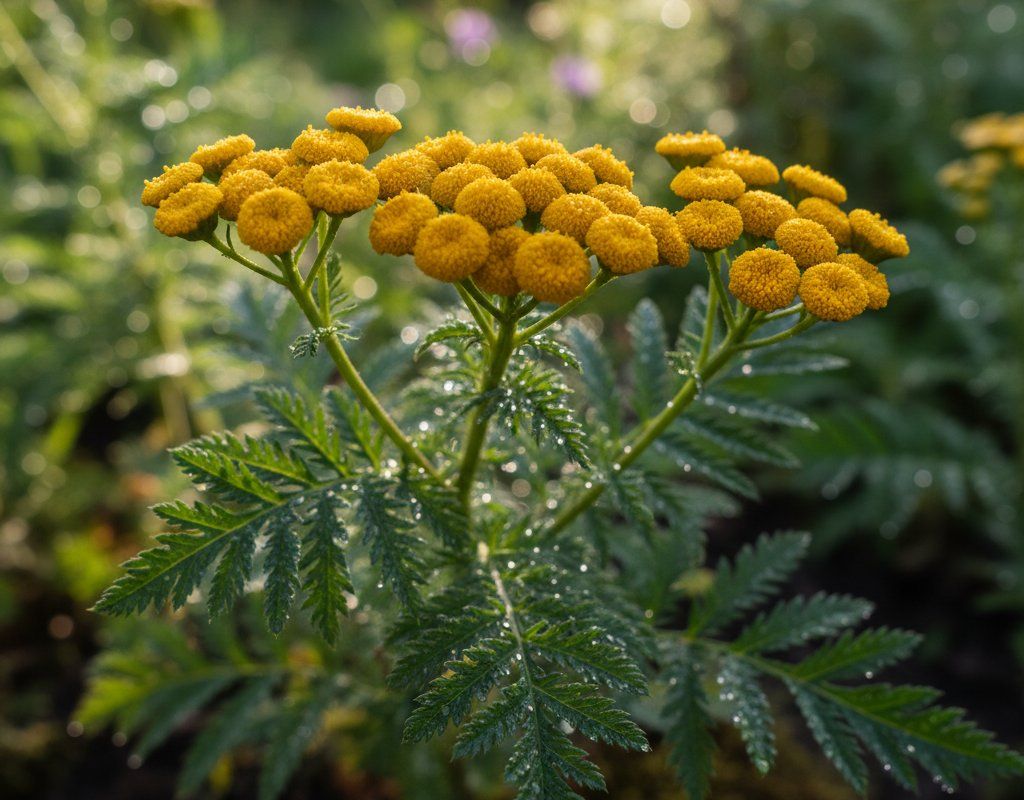
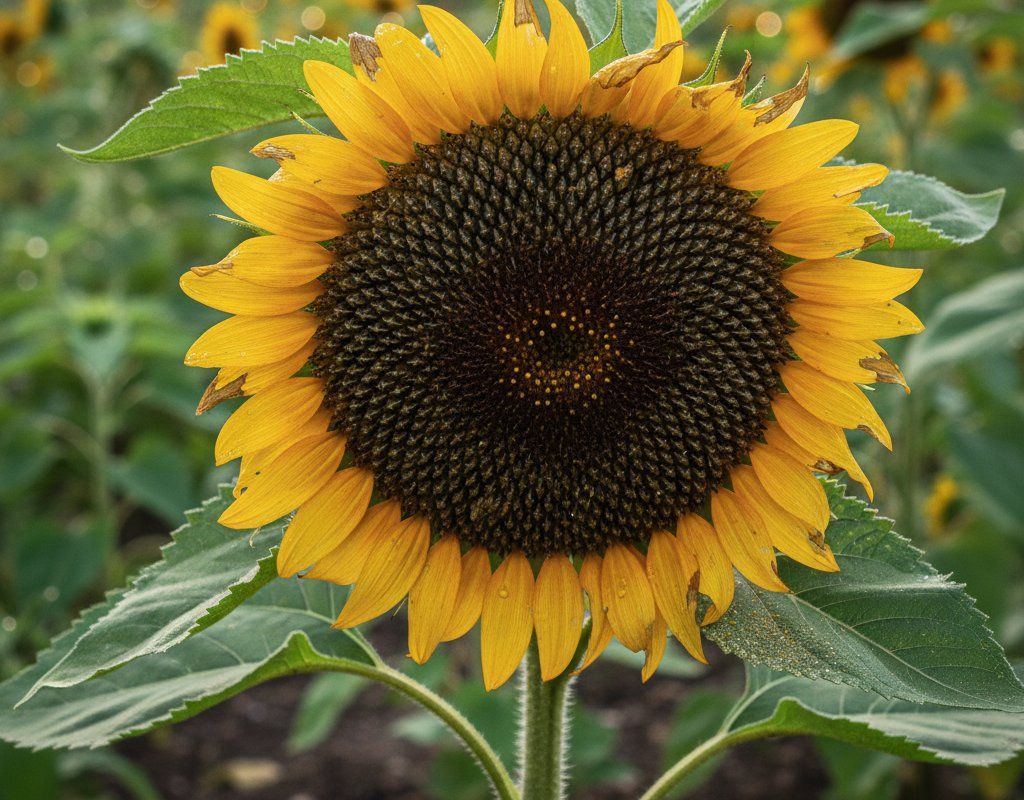
🌸Best Flowers to Plant with Zucchini
These flowers protect your Zucchini from pests and attract pollinators for better harvests.
For Pest Control






Get a Reminder When It's Time to Plant
We'll email you when key planting windows open for your zone.