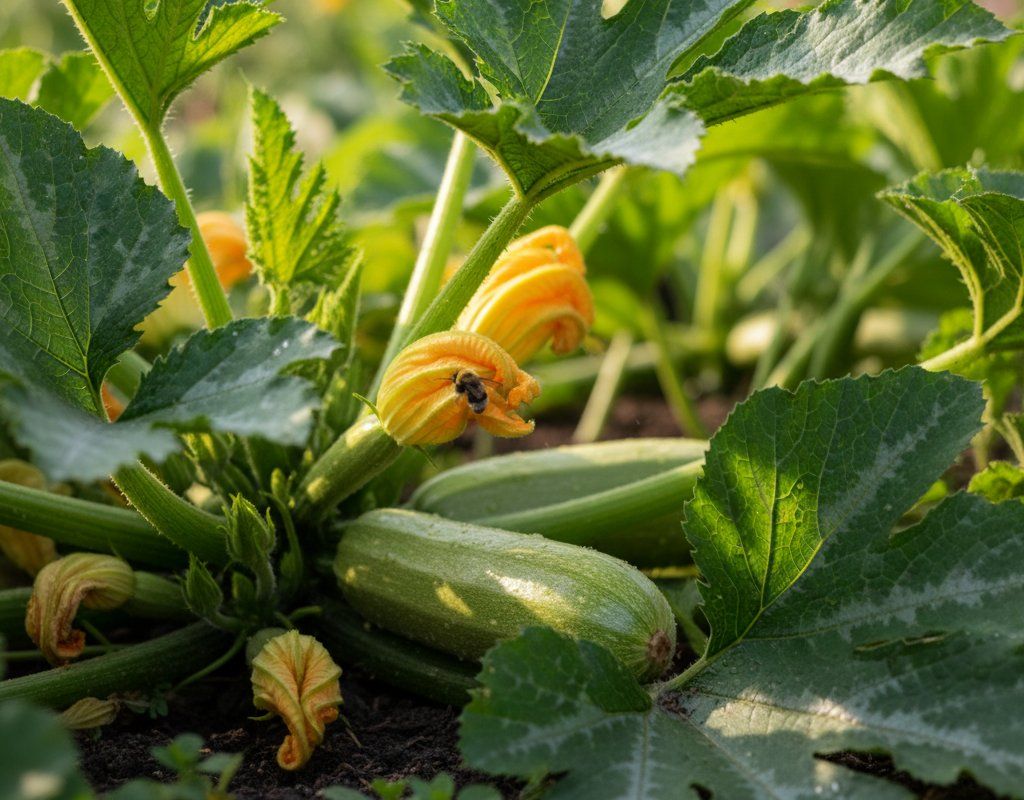
Zucchini in Zone 6A — Mid-Atlantic
Cucurbita pepo · Your Complete 2026 Planting Guide
Planning Ahead — Great!
You’re ahead of the season. Here’s when to start.
Mark Your Calendar
How to Plant Zucchini in Zone 6A — Mid-Atlantic
Here are all your options for getting zucchini in the ground, from the easiest method to more advanced approaches.
Direct Sow Seeds
RecommendedLate April through mid August
around April 22
Consider succession planting every 2-3 weeks for continuous harvest.
Zucchini grows so fast that direct sowing is usually easiest.
Buy Starts
Works WellLate April through early June
around April 29
Plant purchased starts after last frost (April 15).
Start Seeds Indoors
Works WellEarly to late April
around April 8
Then transplant: Late April through early June
Start seeds 3-5 weeks before transplanting outdoors.
Only start indoors if you want earlier harvest. Don't start too early.
Transplant Outdoors
Timing InfoLate April through early June
around April 29
Wait until nighttime temperatures stay above 50°F.
You have a nice window — no need to rush.
Overview
Zucchini is one of the most rewarding vegetables you can grow in our Mid-Atlantic gardens, transforming from seed to abundant harvest in just 50 days. Our four distinct seasons and reliable 40-50 inches of annual rainfall create ideal conditions for these prolific producers, and you'll quickly discover why neighbors start hiding when zucchini season peaks. The tender blossoms are delicious stuffed and fried, the young fruits are perfect grilled or spiralized, and even oversized specimens work well in bread and soups.
While zucchini is frost-tender and needs warm soil to thrive, our 188-day growing season gives you plenty of flexibility to succeed. Our humid summers and variable spring weather require some attention to timing and disease prevention, but once established, these vigorous plants handle our Mid-Atlantic conditions beautifully through our long, productive growing season.
Starting Seeds Indoors
Starting zucchini seeds indoors isn't necessary but can give you a 2-3 week head start on the season. If you choose this route, start seeds in early to late April, about 3 weeks before you plan to transplant outdoors. Our moderate spring weather means you're not racing against brutal heat like gardeners further south.
Use individual peat pots or cell trays since zucchini doesn't like root disturbance. Keep seeds warm (70-80°F) and use bottom watering to prevent damping off in our naturally humid conditions. Provide strong light once seedlings emerge - a sunny south window works if you start late in the period.
Honestly, zucchini grows so fast that most Mid-Atlantic gardeners skip this step entirely. Indoor starting makes sense mainly if you want the earliest possible harvest or if you're dealing with persistent deer pressure and want to get plants past their most vulnerable stage quickly.
Transplanting Outdoors
If you've started seeds indoors, transplant them outdoors from late April through early June, after our last frost risk passes in mid-April. Give seedlings a full week to harden off gradually - our spring temperature swings can shock tender plants if you rush this process.
Space transplants 36-48 inches apart in full sun locations. Zucchini needs room for air circulation, especially important in our humid summers to prevent powdery mildew. Plant in well-draining soil since our clay soils can stay soggy after spring rains.
Watch the weather carefully during transplant time. Our variable spring weather can bring unexpected cold snaps even into early May, so keep row covers handy for protection. Once nighttime temperatures consistently stay above 50°F, your transplants should settle in quickly.
Direct Sowing
Direct sowing is the easiest and most reliable method for growing zucchini in our region. Plant seeds from late April through mid-August, giving you multiple opportunities for succession planting. Wait until soil temperature reaches at least 60°F - usually by late April in most Mid-Atlantic locations.
Prepare planting areas by working compost into our typically heavy clay soils to improve drainage. Plant seeds 1 inch deep in hills or rows, spacing them 36-48 inches apart. Zucchini plants get large and need good air circulation in our humid climate. Each seed packet contains more than enough for most families - 3-4 plants will keep you in zucchini all season.
The beauty of direct sowing is that zucchini grows so quickly you'll catch up to transplanted seedlings within weeks. Summer plantings (June through mid-August) often perform better than early sowings since they avoid our spring weather variability and establish during consistently warm conditions.
Watering Zucchini in Zone 6A (Mid-Atlantic)
Zucchini has high water needs and isn't drought tolerant, requiring about 1-1.5 inches per week including rainfall. In our Mid-Atlantic climate with its even 40-50 inch annual precipitation, you'll supplement natural rainfall rather than provide all irrigation. Our moderate-to-hot summers (typical highs around 88°F) create steady water demand without the extreme stress seen in hotter regions.
Always water at the base of plants rather than overhead. Our humid conditions make overhead watering on those large leaves a recipe for powdery mildew problems. Use the finger test - stick your finger 2 inches into the soil, and water deeply when it feels dry at that depth. Shallow, frequent watering encourages surface roots and increases plant stress.
During our humid summers, morning watering works best since it gives leaves time to dry before evening moisture sets in. Mulch heavily around plants to maintain consistent soil moisture - this is critical for preventing blossom end rot, which strikes when plants experience drought stress followed by heavy watering or rainfall.
Watch for signs of water stress: wilting during hot afternoons (normal), leaves staying wilted in the evening (needs water), and yellowing lower leaves (either too much or too little water). In our clay soils, overwatering shows up as yellowing leaves and sluggish growth, especially after heavy rain periods.
🧪Fertilizing Zucchini
Feeding Schedule
Organic Fertilizer Options
Harvest Time
Expect your first zucchini harvest from mid-June through mid-October, about 50 days after planting. In our Mid-Atlantic growing season, early plantings typically start producing by mid-June, while succession plantings extend harvest right up to our first frost in mid-October. The key to tender, flavorful zucchini is harvesting at 6-8 inches long when the skin is still glossy and easily pierced with a fingernail.
Check plants daily once production starts - zucchini grows incredibly fast in our warm, humid summers. A 6-inch fruit today can become an oversized, seedy disappointment in just 2-3 days. Cut fruits with a sharp knife or pruners rather than twisting, which can damage the stem and create entry points for disease.
Keep harvesting regularly to maintain production. If you let fruits get oversized, the plant thinks its job is done and slows production dramatically. Remove any fruits you missed that have grown too large - even if you can't use them, removing them keeps the plant productive.
As first frost approaches in mid-October, harvest all remaining fruits regardless of size. Green zucchini won't ripen off the vine, but small ones work fine in soups and baked goods, while oversized ones are perfect for zucchini bread. You can also cut the entire plant and hang it in a cool, dry place to extend harvest a week or two past light frosts.
Common Problems in Zone 6A (Mid-Atlantic)
Squash Vine Borers appear as sudden wilting of entire vines or sections, often when plants seemed perfectly healthy the day before. Look for sawdust-like frass (insect droppings) around the base of stems - this is the telltale sign of borer activity. These fat white grubs tunnel through stems, cutting off water flow and killing plants seemingly overnight. Our Mid-Atlantic timing puts peak borer activity in mid-summer when adults lay eggs at stem bases. Wrap the base of stems with aluminum foil early in the season, or try row covers until plants are well-established. If you catch an infestation early, you can slit the affected stem and remove the grub, then cover the wounded stem with soil.
Powdery Mildew shows as white or grayish powdery coating on leaves, starting on older foliage and spreading upward. Our humid summers with warm days and cooler nights create perfect conditions for this fungal disease. Unlike many plant diseases, powdery mildew actually prefers dry leaf surfaces, so overhead watering doesn't cause it - but our natural humidity provides ideal conditions anyway. Improve air circulation by proper spacing (36-48 inches apart) and removing lower leaves as plants grow. Neem oil applications help, but the most effective treatment is surprisingly simple: spray affected plants with a milk solution (1 part milk to 9 parts water) every week.
Blossom End Rot appears as dark, sunken patches on the bottom (blossom end) of fruits, often affecting the first zucchini of the season. This isn't a disease but a calcium uptake problem caused by inconsistent watering - exactly what happens when our spring rains give way to drier summer periods without adjustment in watering practices. The calcium is in the soil, but drought stress prevents plants from accessing it. Maintain consistent soil moisture through mulching and regular watering, especially during fruit development. Our clay soils compound this problem by either staying too wet or becoming too dry, so improving drainage while maintaining moisture is key.
Our Mid-Atlantic climate creates specific challenges for zucchini: humidity promotes fungal diseases, variable spring weather can stress young plants, and our clay soils either hold too much water or dry out completely. However, our reliable growing season and moderate summer temperatures (compared to regions further south) mean that with proper spacing, consistent watering, and attention to air circulation, zucchini thrives here.
Best Companions for Zucchini
Plant these nearby for healthier Zucchini and better harvests.


Keep Away From
Companion Planting Details
Zucchini benefits from companion planting with corn, beans, and radishes in our Mid-Atlantic gardens. Corn provides natural support and partial shade during our hottest summer days, while beans fix nitrogen that heavy-feeding zucchini plants appreciate. Radishes planted around zucchini hills help break up our clay soil and may deter some root pests. Mint planted nearby can help repel ants and some beetles, though keep it contained since mint spreads aggressively in our climate.
Avoid planting zucchini near potatoes, which compete for similar nutrients and can harbor diseases that affect both crops. In our humid conditions, keeping these two apart also improves air circulation around both plants. The sprawling nature of zucchini means it needs space anyway, so use that requirement to your advantage by choosing companions that either grow upward (corn) or mature quickly (radishes) rather than competing for the same ground space.
🌸Best Flowers to Plant with Zucchini
These flowers protect your Zucchini from pests and attract pollinators for better harvests.
For Pest Control








Get a Reminder When It's Time to Plant
We'll email you when key planting windows open for your zone.