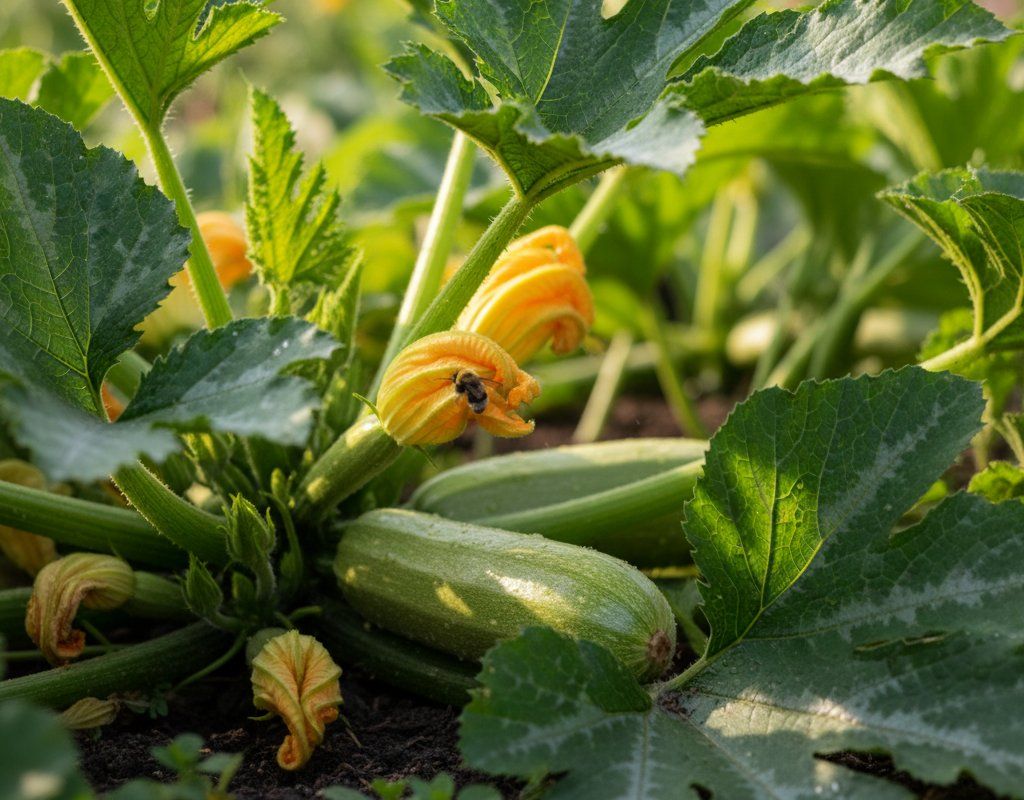
Zucchini in Zone 6A — Great Plains
Cucurbita pepo · Your Complete 2026 Planting Guide
Planning Ahead — Great!
You’re ahead of the season. Here’s when to start.
Mark Your Calendar
How to Plant Zucchini in Zone 6A — Great Plains
Here are all your options for getting zucchini in the ground, from the easiest method to more advanced approaches.
Direct Sow Seeds
RecommendedLate April through mid August
around April 22
Consider succession planting every 2-3 weeks for continuous harvest.
Zucchini grows so fast that direct sowing is usually easiest.
Buy Starts
Works WellLate April through early June
around April 29
Plant purchased starts after last frost (April 15).
Start Seeds Indoors
Works WellEarly to late April
around April 8
Then transplant: Late April through early June
Start seeds 3-5 weeks before transplanting outdoors.
Only start indoors if you want earlier harvest. Don't start too early.
Transplant Outdoors
Timing InfoLate April through early June
around April 29
Wait until nighttime temperatures stay above 50°F.
You have a nice window — no need to rush.
Overview
Zucchini thrives in our Great Plains summers, turning our intense sunshine and fertile prairie soil into prolific harvests that can feed the whole neighborhood. This heat-loving squash appreciates our hot days and produces continuously from midsummer through first frost, giving you months of fresh zucchini for everything from breads to stir-fries to grilled side dishes.
While our extreme temperature swings and unpredictable spring weather can make timing tricky, zucchini's fast growth works in our favor here in Zone 6A. With our 188-day growing season and scorching summer heat, you'll have plenty of time to grow multiple plantings and enjoy abundant harvests before that mid-October frost arrives.
Starting Seeds Indoors
Starting zucchini seeds indoors isn't necessary, but it can give you an earlier harvest if you're willing to baby the transplants. Sow seeds in individual 4-inch pots from early to late April, about 3 weeks before you plan to transplant outdoors. Keep the soil warm (70-85°F) and provide bright light once seedlings emerge.
Use bottom watering to keep the soil evenly moist without disturbing the seedlings. Our variable spring weather means you might be keeping these indoors longer than expected if we get a late cold snap. Only start indoors if you really want that head start—zucchini grows so fast that direct-sown plants often catch up quickly.
The main advantage in our climate is extending the harvest window slightly, but since zucchini produces so heavily anyway, most Plains gardeners skip the indoor fuss and direct sow instead.
Transplanting Outdoors
If you've started zucchini indoors, transplant seedlings outdoors from late April through early June, once soil temperatures stay consistently above 60°F and our last frost risk has passed. Harden off seedlings gradually over a full week, bringing them outdoors for increasing periods each day.
Space transplants 36-48 inches apart in all directions—these plants need room to spread in our windy conditions. Plant them in a sheltered location if possible, as young transplants can struggle with our constant Plains wind until they establish strong root systems.
Watch the weather closely during transplant time. Our spring temperature swings can shock tender zucchini transplants, so be ready to protect them with row covers or even bring them back inside if an unexpected cold front moves through.
Direct Sowing
Direct sowing is the easiest method for zucchini in the Great Plains and what I recommend for most gardeners. Plant seeds from late April through mid-August, once soil temperatures reach 60°F consistently. You can succession plant every 2-3 weeks for continuous harvest right up until about 8 weeks before first frost.
Prepare the soil by working in plenty of compost—our prairie soil is fertile but zucchini appreciates the extra organic matter for moisture retention. Plant seeds 1 inch deep and space plants 36-48 inches apart in all directions. These plants get huge and need room for air circulation in our variable humidity.
The beauty of direct sowing is that the plants develop strong root systems better adapted to our extreme weather. Seeds planted in late spring often outperform transplants within just a few weeks, and you avoid transplant shock entirely.
Watering Zucchini in Zone 6A (Great Plains)
Zucchini needs consistent, deep watering to thrive in our hot Plains summers, typically requiring 1-2 inches per week including rainfall. Check soil moisture by sticking your finger 2 inches deep near the plants—if it's dry at that depth, it's time to water deeply. Our low-to-moderate humidity means the soil dries out faster than in more humid regions.
Water at the base of plants rather than overhead to prevent powdery mildew, which can be problematic even in our drier climate. Set up soaker hoses or use drip irrigation if possible, as overhead watering on those large leaves creates perfect conditions for fungal problems. When we hit those 93°F days regularly, you'll need to water every 2-3 days.
During our variable rainfall patterns, pay close attention to soil moisture. Too much water followed by drought stress causes blossom end rot, while inconsistent watering reduces fruit quality. Apply a thick layer of organic mulch around plants to help moderate soil moisture and protect roots from our temperature extremes.
Watch for wilting in late afternoon heat—this is often normal water stress that recovers overnight. However, if plants stay wilted in morning cool temperatures, they need more water immediately.
🧪Fertilizing Zucchini
Feeding Schedule
Organic Fertilizer Options
Harvest Time
Your first zucchini will be ready from mid-June through mid-October, typically about 50 days from planting. In our intense Plains sunshine, zucchini can literally grow overnight—check plants daily once they start producing. Harvest when fruits are 6-8 inches long and still glossy; oversized zucchini become spongy and bitter.
Cut fruits off the plant with a sharp knife rather than twisting or pulling, which can damage the stem and create entry points for disease. Harvest in the morning when plants are fully hydrated, and handle the prickly stems carefully—wear long sleeves if you're sensitive.
Keep harvesting regularly to encourage continued production. Even one oversized fruit left on the plant signals it to stop producing new flowers. During peak season in our hot summers, you might be harvesting every other day to keep up with production.
As first frost approaches in mid-October, harvest all remaining fruits regardless of size. Green zucchini can be used in baked goods, and you can store mature fruits for several weeks in a cool, dry place.
Common Problems in Zone 6A (Great Plains)
Squash Vine Borers Watch for sudden wilting of entire vines or sections, especially if you notice sawdust-like frass around the base of stems. These fat white grubs tunnel through stems, cutting off water flow. Our hot summers create ideal conditions for multiple generations of these pests.
The clearwing moths lay eggs at stem bases from late spring through summer. Wrap the lower 6 inches of stems with aluminum foil or use row covers early in the season. If you catch borers early, you can inject Bt (Bacillus thuringiensis) into affected stems. Plant successive crops to have backup plants if borers hit your main planting.
Powdery Mildew This appears as white or grayish powdery coating on leaves, even in our relatively dry climate. Our warm days and cooler nights create perfect conditions, and surprisingly, dry leaf surfaces actually favor this fungus more than wet ones.
Improve air circulation by spacing plants properly and removing lower leaves that touch the ground. In our windy Plains conditions, good spacing is critical. Remove affected leaves immediately and try milk spray (1 part milk to 9 parts water) which works surprisingly well. Neem oil applications in early morning or evening help prevent spread.
Blossom End Rot Dark, sunken patches on the bottom of fruits indicate calcium deficiency caused by inconsistent watering—our biggest challenge with zucchini in the Plains. This isn't a disease but a nutrient problem triggered by our drought-flood cycles and extreme temperature swings.
Maintain consistent soil moisture through deep, regular watering and heavy mulching. This is the single most effective fix for our variable climate. Don't over-fertilize with nitrogen, which interferes with calcium uptake. Remove affected fruits so the plant can focus energy on healthy ones.
Our Great Plains climate creates unique challenges for zucchini: hot summer heat increases water needs dramatically, while our variable rainfall and extreme temperature swings stress plants and trigger physiological problems like blossom end rot. Wind protection and consistent watering become absolutely essential for success.
Best Companions for Zucchini
Plant these nearby for healthier Zucchini and better harvests.


Keep Away From
Companion Planting Details
Plant zucchini with corn and beans to create a modified three sisters garden that works well in Plains conditions. Corn provides wind protection for the sprawling zucchini, while beans fix nitrogen that benefits both companions. Radishes planted around the edges help break up soil and may deter squash bugs. Mint planted nearby can repel ants and other small pests, though keep it contained so it doesn't take over.
Avoid planting zucchini near potatoes, as both are heavy feeders that compete for nutrients, and potatoes can harbor pests that also affect squash family plants. In our windy Plains conditions, the corn windbreak is especially valuable for protecting those large zucchini leaves from damage and helping maintain soil moisture around the plants.
🌸Best Flowers to Plant with Zucchini
These flowers protect your Zucchini from pests and attract pollinators for better harvests.
For Pest Control








Get a Reminder When It's Time to Plant
We'll email you when key planting windows open for your zone.