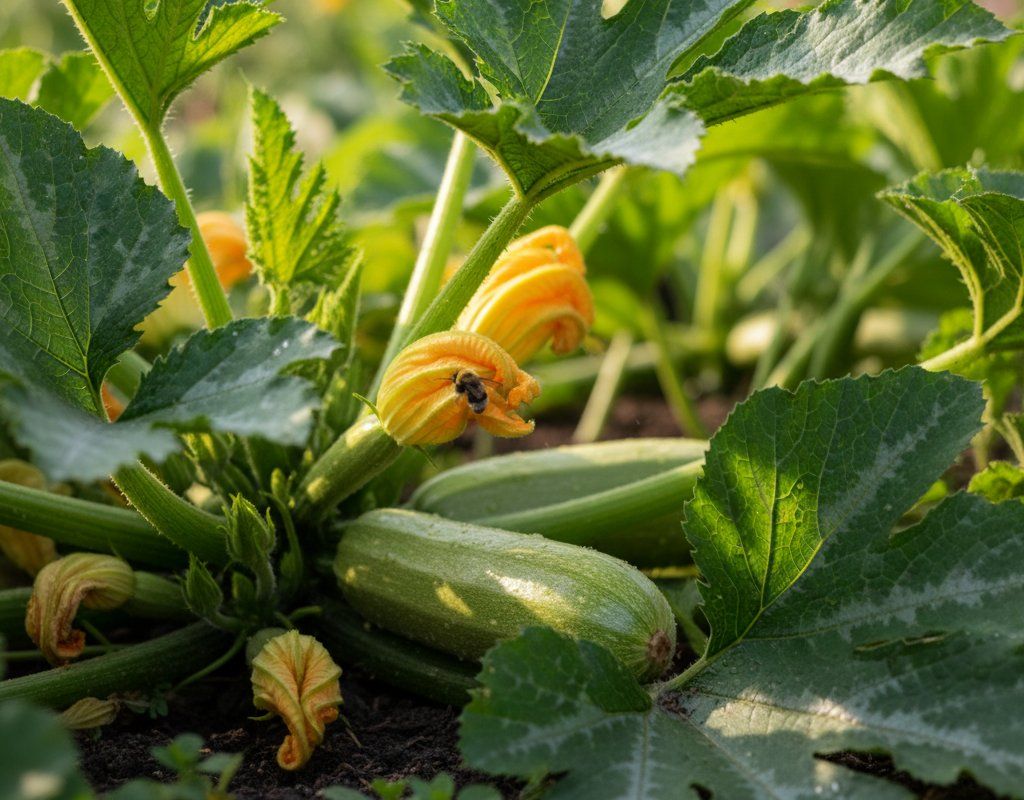
Zucchini in Zone 7A — Desert Southwest
Cucurbita pepo · Your Complete 2026 Planting Guide
Planning Ahead — Great!
You’re ahead of the season. Here’s when to start.
Mark Your Calendar
How to Plant Zucchini in Zone 7A — Desert Southwest
Here are all your options for getting zucchini in the ground, from the easiest method to more advanced approaches.
Direct Sow Seeds
RecommendedEarly April through early September
around April 1
Consider succession planting every 2-3 weeks for continuous harvest.
Zucchini grows so fast that direct sowing is usually easiest.
Buy Starts
Works WellEarly April through mid May
around April 8
Plant purchased starts after last frost (March 25).
Start Seeds Indoors
Works WellMid March through early April
around March 18
Then transplant: Early April through mid May
Start seeds 3-5 weeks before transplanting outdoors.
Only start indoors if you want earlier harvest. Don't start too early.
Transplant Outdoors
Timing InfoEarly April through mid May
around April 8
Wait until nighttime temperatures stay above 50°F.
You have a nice window — no need to rush.
Overview
Zucchini thrives in our Desert Southwest climate, producing abundant harvests throughout our extended growing season. These prolific squash plants love our intense sunshine and reward consistent watering with tender, flavorful fruit that puts store-bought versions to shame. With our 230-day growing season, you can enjoy fresh zucchini from late May clear through early November.
Our extreme heat and arid conditions require thoughtful timing and watering, but zucchini's fast growth makes it surprisingly manageable. Plant during our cooler months for best results, and you'll discover why experienced desert gardeners consider zucchini a reliable producer even in our challenging climate.
Starting Seeds Indoors
Starting zucchini seeds indoors makes sense if you want the earliest possible harvest in our very-early spring conditions. Sow seeds in seed trays mid-March through early April, about three weeks before your planned transplant date. Keep the soil warm (75-85°F) and provide strong light once seedlings emerge.
Use bottom watering to keep soil consistently moist without creating fungal problems on the leaves. In our desert climate, indoor starts can give you a head start on the growing season, though zucchini grows so rapidly that direct sowing often catches up quickly.
Don't start seeds too early—zucchini seedlings grow fast and become root-bound quickly. Three weeks is plenty of time to develop transplant-ready seedlings without them outgrowing their containers.
Transplanting Outdoors
Transplant zucchini seedlings outdoors from early April through mid-May, after our last frost danger passes in late March. Harden off seedlings gradually over one week by exposing them to outdoor conditions for increasing periods each day, starting with just a few hours of morning sun.
Space transplants 36-48 inches apart to ensure good air circulation in our low-humidity climate. The wide spacing helps prevent powdery mildew and gives each plant room to spread without competing for water and nutrients.
Plant in the cooler parts of spring for best establishment. Later transplants in May will face increasing heat stress, so get them established with consistent watering and consider temporary shade cloth during the hottest part of the day.
Direct Sowing
Direct sowing is the preferred method for zucchini in the Desert Southwest since these plants grow incredibly fast once established. Sow seeds from early April through early September, though the most productive plantings happen in spring and again in late summer for fall harvest.
Plant seeds 1 inch deep in soil that's warmed to at least 65°F. Space them 36-48 inches apart to accommodate the large, spreading plants. In our alkaline soil, work in some compost to improve drainage and add organic matter that helps retain moisture during our intense summer heat.
Avoid midsummer plantings during our extreme heat—seeds struggle to germinate in 105°F+ soil temperatures. Instead, focus on spring plantings in April and May, then again in late August through early September for a productive fall crop.
Watering Zucchini in Zone 7A (Desert Southwest)
Zucchini has high water needs in our arid Desert Southwest climate, requiring deep, consistent watering throughout the growing season. These large-leafed plants lose significant moisture through transpiration in our dry air and extreme heat, making them one of the thirstiest plants in the desert garden.
Water deeply 2-3 times per week, providing about 1-2 inches total depending on the season. During our extreme summer heat, increase frequency to daily watering while maintaining the same deep soaking approach. Use the finger test—soil should be moist 2 inches down but never waterlogged.
Always water at the base of plants rather than overhead. Our arid climate might seem like it would prevent fungal issues, but wet leaves combined with our warm nights create perfect conditions for powdery mildew. Drip irrigation or soaker hoses work beautifully for zucchini's water needs.
Watch for wilting during afternoon heat (normal) versus morning wilting (underwatered). Yellow leaves often indicate overwatering in our heavy clay soils, while crispy leaf edges suggest underwatering. A 2-3 inch layer of mulch helps retain moisture and reduces watering frequency significantly.
🧪Fertilizing Zucchini
Feeding Schedule
Organic Fertilizer Options
Harvest Time
Expect your first zucchini harvest about 50 days after planting, typically starting in late May for spring plantings. In our extended Desert Southwest growing season, properly timed plantings can produce fruit continuously through early November, right up until our first frost.
Harvest zucchini when they're 6-8 inches long and about 2 inches in diameter for the best texture and flavor. Check plants daily once production begins—zucchini can grow from perfect size to baseball bat overnight in our warm climate. The skin should be tender enough to pierce with your fingernail.
Cut fruit from the plant with a sharp knife rather than twisting or pulling, which can damage the stem and create entry points for pests. Harvest regularly to keep plants producing; leaving oversized fruit on the plant signals it to stop flowering and setting new fruit.
As our first frost approaches in early November, harvest all remaining fruit regardless of size. Green zucchini can be used in baked goods, and even the oversized ones work well for zucchini bread when grated and excess moisture is squeezed out.
Common Problems in Zone 7A (Desert Southwest)
Squash Vine Borers Look for sudden wilting of entire vines or sections, often accompanied by sawdust-like frass around the base of stems. If you see these symptoms, slit the stem lengthwise near the base to find fat white grubs tunneling inside. Our warm Desert Southwest climate provides ideal conditions for multiple generations per season.
This pest is caused by larvae of clearwing moths that lay eggs at stem bases in late spring and summer. The borers tunnel through stems, cutting off water and nutrient flow just when plants face our extreme heat stress. Wrap the base of stems with aluminum foil or row cover material as prevention, and consider succession planting to have backup plants ready.
Powdery Mildew White or grayish powdery coating appears on leaves, starting on lower, older leaves and spreading upward. Despite our arid climate, this fungal disease thrives in our warm days combined with cooler nights and actually prefers dry leaf surfaces. Affected leaves yellow, curl, and eventually die back.
The wide temperature swings in our desert climate create perfect conditions for powdery mildew spores. Improve air circulation by spacing plants properly and removing some lower leaves. Spray with neem oil or try the surprisingly effective milk spray (1 part milk to 9 parts water) applied weekly as prevention.
Blossom End Rot Dark brown or black leathery patches develop on the bottom (blossom end) of developing fruit, making them inedible. This isn't a disease but a calcium deficiency caused by inconsistent watering—particularly problematic in our climate where plants experience extreme water stress between irrigation cycles.
Our alkaline soils often contain plenty of calcium, but plants can't uptake it during drought/flood watering cycles common in desert gardens. The single most effective solution is consistent watering through drip irrigation or soaker hoses, combined with 2-3 inches of mulch to maintain even soil moisture despite our extreme heat and low humidity.
Desert Southwest Specific Challenges Our extreme heat and arid conditions create unique stress for zucchini plants, making them more susceptible to all these problems. Inconsistent watering—whether from water restrictions, caliche preventing deep root growth, or simply the challenge of keeping up with water needs in 105°F heat—underlies most zucchini problems in our region. Focus on water management above all else.
Best Companions for Zucchini
Plant these nearby for healthier Zucchini and better harvests.


Keep Away From
Companion Planting Details
Plant zucchini with corn and beans for a desert-adapted version of the three sisters planting. Corn provides afternoon shade during our extreme heat, while beans fix nitrogen that heavy-feeding zucchini plants appreciate. The large zucchini leaves also help shade the soil, reducing water evaporation for all three plants.
Radishes planted around zucchini help break up our often-compacted desert soils while deterring cucumber beetles. Mint planted nearby (in containers to control spread) can help repel ants and other pests, though keep it well-watered since mint struggles in our arid conditions. Avoid planting potatoes near zucchini, as both are heavy feeders that compete for nutrients, and potatoes can harbor diseases that affect squash family plants in our warm climate.
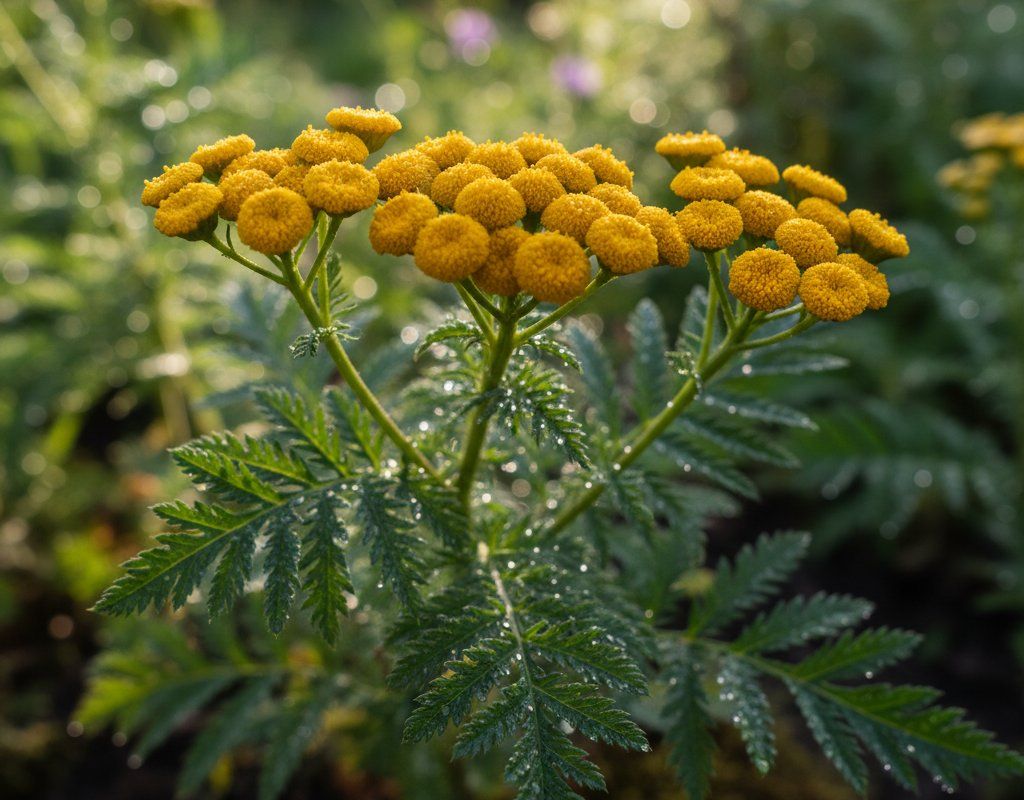
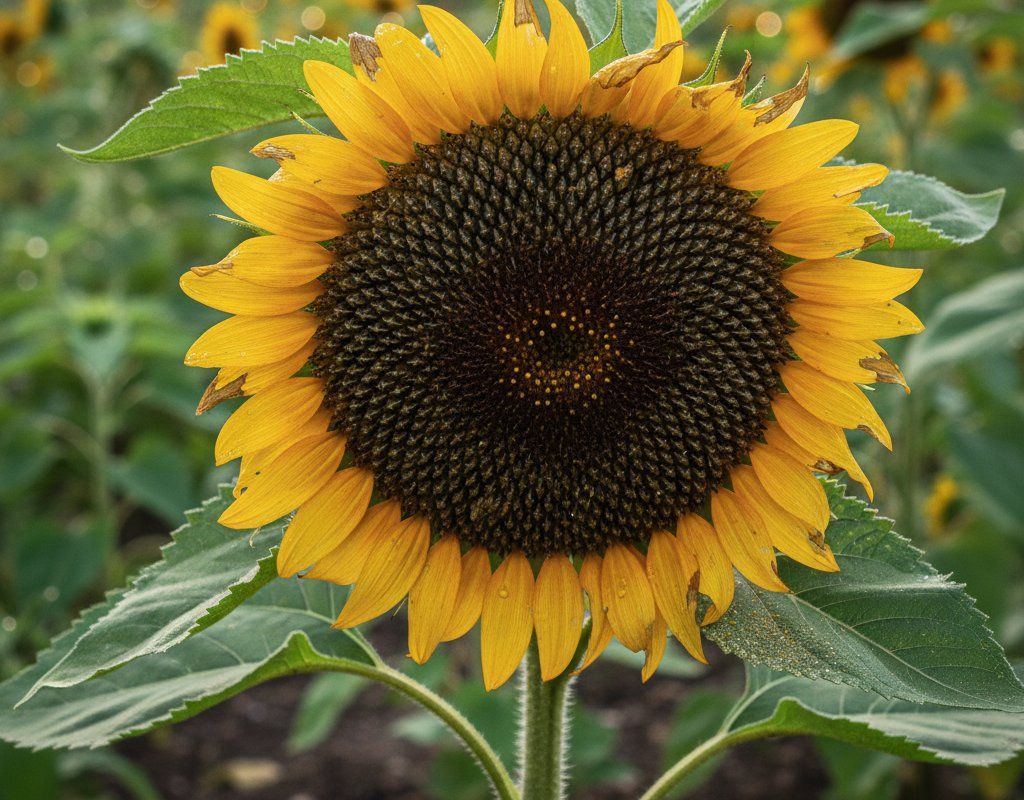
🌸Best Flowers to Plant with Zucchini
These flowers protect your Zucchini from pests and attract pollinators for better harvests.
For Pest Control






Get a Reminder When It's Time to Plant
We'll email you when key planting windows open for your zone.