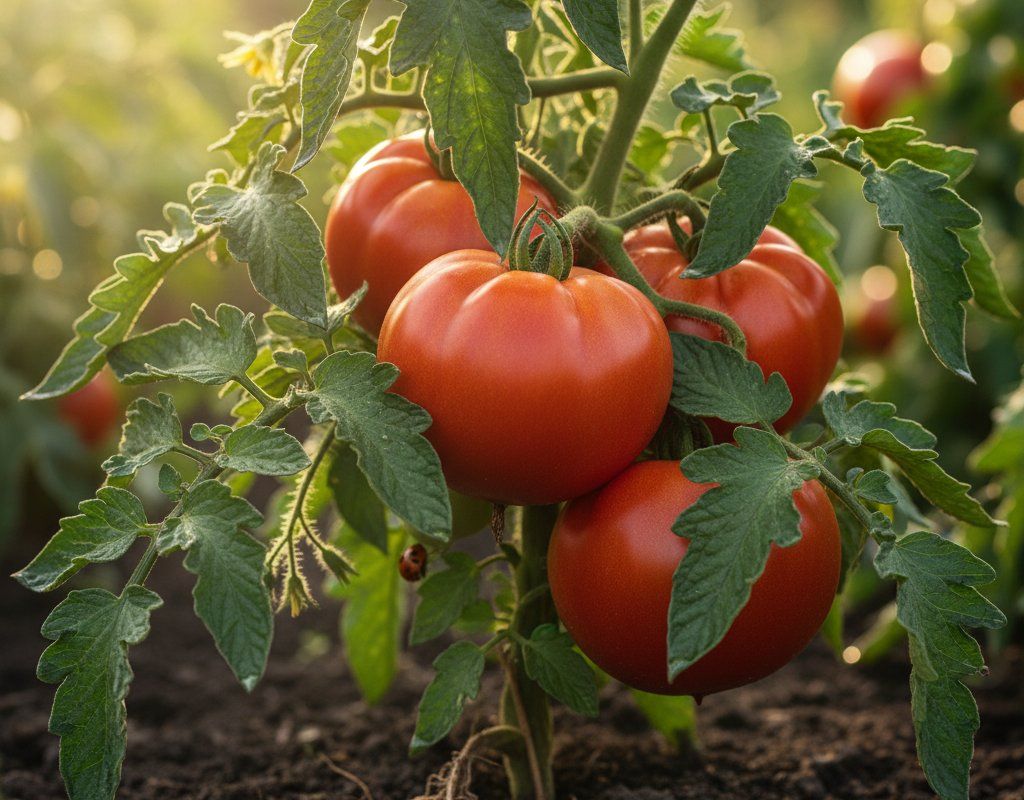
Beefsteak Tomatoes in Zone 7A — Desert Southwest
Solanum lycopersicum · Your Complete 2026 Planting Guide
Last Call for Seed Starting!
Indoor seed starting window closes in 7 days.
Start Seeds This Week
Start seeds now for transplanting later.
Or Wait for Starts
If you don’t want to start seeds, starts will be available around April 8.
How to Plant Beefsteak Tomatoes in Zone 7A — Desert Southwest
Here are all your options for getting beefsteak tomatoes in the ground, from the easiest method to more advanced approaches.
Start Seeds Indoors
RecommendedMid February through mid March
around February 25
Then transplant: Early April through early May
Start seeds 6-8 weeks before transplanting outdoors.
Buy Starts
Works WellEarly April through early May
around April 8
Plant purchased starts after last frost (March 25).
Direct Sow Seeds
ChallengingDirect sowing is not typical for Beefsteak Tomatoes.
Transplant Outdoors
Timing InfoEarly April through early May
around April 8
Wait until nighttime temperatures stay above 50°F.
You have a nice window — no need to rush.
Overview
Beefsteak tomatoes deliver the ultimate reward for Desert Southwest gardeners willing to master their water needs—massive, meaty fruits that can weigh over a pound each, perfect for thick sandwich slices and fresh salsa during our intense summers. In our Zone 7A climate, these giants thrive when planted early enough to establish strong root systems before the extreme heat arrives, taking full advantage of our abundant sunshine and low disease pressure.
Yes, beefsteaks demand consistent watering in our arid climate, and their large leaves need protection from our brutal afternoon sun, but our 230-day growing season gives you plenty of time to harvest multiple flushes of fruit. With proper timing and shade cloth, you'll be slicing into garden-fresh beefsteaks from early summer through your first frost in early November.
Starting Seeds Indoors
Start your beefsteak tomato seeds indoors from mid-February through mid-March, about 6 weeks before your planned transplant date. In our Desert Southwest climate with very early spring conditions, this indoor start gives seedlings time to develop strong stems and root systems before facing our intense outdoor conditions.
Set up seed trays in a warm spot (70-75°F) with good light—a sunny south window or grow lights work well. Plant seeds ¼ inch deep in quality seed-starting mix and keep soil consistently moist using bottom watering to prevent fungal issues common in our low humidity. Your seedlings will be ready to harden off when they have 2-3 sets of true leaves and nighttime temperatures consistently stay above 50°F.
The controlled environment indoors protects young plants from our unpredictable late winter temperature swings while giving them the steady warmth and moisture they need to develop into sturdy transplants ready for desert gardening challenges.
Transplanting Outdoors
Transplant your beefsteak seedlings outdoors from early April through early May, after soil has warmed and nighttime temperatures stay consistently above 50°F. This timing takes advantage of our mild spring weather before extreme heat arrives, giving plants 6-8 weeks to establish deep root systems essential for summer survival.
Harden off seedlings gradually over a full week, starting with just 2-3 hours of morning sun and extending outdoor time daily. Space plants 36-48 inches apart—beefsteaks need this extra room for their large, sprawling growth and proper air circulation in our arid climate. Plant on a calm, overcast day if possible to reduce transplant shock.
Watch for late-season temperature swings that can stress newly transplanted seedlings. Have row covers ready if overnight lows threaten to drop into the 40s, and consider temporary shade cloth if daytime temperatures spike unexpectedly above 85°F during the first week after transplanting.
Watering Beefsteak Tomatoes in Zone 7A (Desert Southwest)
Beefsteak tomatoes have high water needs in our Desert Southwest climate—expect to provide 2-3 inches of water weekly once plants are established, increasing to 3-4 inches during peak summer heat when temperatures hit 105°F regularly. These large-fruited varieties are particularly prone to cracking and catfacing when water stress occurs, making consistent deep watering absolutely critical for quality fruit production.
Water at the base of plants rather than overhead to maximize efficiency in our arid climate and prevent leaf diseases that can develop even in low humidity conditions. Use the finger test—stick your finger 2 inches into the soil near the base of the plant. If it's dry at that depth, it's time for a deep, slow watering that penetrates down to encourage deep root development.
During our monsoon season, adjust your irrigation schedule based on natural rainfall, but don't rely solely on sporadic downpours. The clay soils common in our area can create feast-or-famine cycles that stress plants and reduce fruit quality. Signs of underwatering include wilting during hot afternoons and hard, small fruit; overwatering shows as yellowing leaves and soft, splitting fruit.
Apply a 3-4 inch layer of organic mulch around plants to conserve moisture and keep soil temperatures cooler during extreme heat periods. Wood chips or shredded bark work well in our climate, helping maintain the consistent moisture levels these heavy-feeding plants demand throughout our long, hot growing season.
Supporting Your Beefsteak Tomatoes
Install extra-sturdy support systems at planting time—beefsteak tomatoes produce heavy fruit that can easily snap branches or topple standard tomato cages. Use either heavy-duty cages at least 6 feet tall or thick wooden stakes (2x2 inches minimum) with strong fabric ties, not wire that can cut into stems as plants grow.
For indeterminate beefsteaks, stake-and-tie systems often work better than cages because they allow better air circulation crucial in our climate and make it easier to access fruit. Drive stakes 18 inches deep and tie main stems every 12-18 inches as they grow, using figure-8 ties to prevent stem damage when heavy fruit pulls on branches.
Training is especially important with large-fruited varieties—guide main stems upward and support heavy fruit clusters with individual slings made from old pantyhose or soft cloth. In our windy spring conditions, check ties weekly and adjust as stems thicken, ensuring support systems can handle both fruit weight and sudden weather changes common in desert gardening.
Pruning & Maintaining Beefsteak Tomatoes
Remove suckers (shoots growing between main stem and branches) weekly throughout the growing season to direct plant energy into fewer, larger beefsteaks rather than numerous smaller fruits. Start this when plants are about 12 inches tall and continue until late summer, pinching small suckers by hand or using clean pruners for larger ones.
Strip off lower leaves that touch the ground or show any yellowing, especially important in our dusty desert conditions where soil-splash can introduce problems even in our typically dry climate. Remove leaves up to the first fruit cluster once plants are well-established, improving air circulation around the base of the plant.
As your first frost approaches in early November, top the plants by pinching off growing tips and removing any new flower clusters that won't have time to develop mature fruit. This forces the plant to put all remaining energy into sizing up existing green tomatoes, giving you the best chance of harvesting large beefsteaks before cold weather arrives.
🧪Fertilizing Beefsteak Tomatoes
Feeding Schedule
Organic Fertilizer Options
Harvest Time
Expect your first ripe beefsteaks from early July through mid-August, about 85 days after transplanting in our Zone 7A conditions. These massive tomatoes ripen from the inside out, so look for deep color development and a slight softness when you cup the fruit gently in your hand—they should give just slightly to pressure without feeling mushy.
Harvest beefsteaks when they show full color but still feel firm, then let them finish softening indoors for best flavor and texture. Cut fruits from the vine using clean pruners rather than pulling, which can damage the plant and reduce continued production throughout our long growing season.
Check plants daily once harvest begins—beefsteaks can go from perfect to overripe quickly in our intense summer heat. Pick all fruit showing any color change before daytime temperatures consistently exceed 100°F, as extreme heat can cause fruits to develop tough skins and poor flavor even when left on the vine.
As early November approaches and first frost threatens, harvest all remaining green fruits larger than golf-ball size. Wrap individually in newspaper and ripen indoors at room temperature, or slice green beefsteaks for frying—a delicious way to use the season's final harvest before our mild winter growing season begins.
Common Problems in Zone 7A (Desert Southwest)
Cracking Deep splits in the tomato skin, either in concentric circles around the stem or radiating lines from top to bottom, often exposing flesh to rot and insects. In our desert climate, this typically happens when monsoon rains or heavy irrigation follow a dry period, causing fruit to absorb water faster than the skin can expand to accommodate growth.
Fix this by maintaining consistent soil moisture through our challenging wet-dry cycles, especially during monsoon season when sporadic downpours can create the exact conditions that trigger cracking. Mulch heavily to buffer moisture swings and harvest promptly when fruits reach full size, even if they need to finish ripening indoors.
Blossom End Rot Dark, sunken, leathery patches on the bottom of fruits, particularly common on the first harvest of the season. This isn't a disease but a calcium deficiency caused by inconsistent watering—extremely common in our desert conditions where maintaining steady soil moisture proves challenging with extreme heat and low humidity.
The single most effective fix is consistent deep watering throughout the growing season, never letting soil dry completely between irrigations. Heavy mulching helps tremendously in our climate, and avoid over-fertilizing with nitrogen which can interfere with calcium uptake.
Catfacing Severely deformed, scarred, and lumpy fruits with deep crevices, especially on large beefsteak varieties. Cool spring nights during flowering cause incomplete pollination, creating these ugly but edible fruits. In our area, this often happens when gardeners plant too early trying to beat the heat, exposing flowers to unexpectedly cool April nights.
Avoid this by waiting for consistently warm nights before transplanting and using row covers if late-season cold snaps threaten. The fruit looks terrible but tastes fine—just more challenging to slice for sandwiches.
Slow Ripening Large green fruits that seem to hang forever without developing color, frustrating when you're eager for that first harvest. In our climate, this usually results from excessive nitrogen fertilization or insufficient heat reaching the fruit due to overly dense foliage blocking our intense desert sun.
Reduce nitrogen inputs mid-season and selectively remove leaves shading fruit clusters, ensuring tomatoes get direct sunlight needed for proper ripening in our high-altitude desert conditions.
Desert Southwest Specific Challenges Our extreme summer heat above 105°F can cause sunscald on exposed fruits and stress plants into shutting down production, while our alkaline soils can tie up nutrients essential for healthy fruit development. The combination of intense sun and low humidity creates unique watering challenges—too little causes immediate stress, while overcompensating leads to root problems in our clay soils that don't drain as quickly as plants need during peak heat periods.
Best Companions for Beefsteak Tomatoes
Plant these nearby for healthier Beefsteak Tomatoes and better harvests.
View Full Companion Planting Chart →



Companion Planting Details
Plant basil alongside your beefsteaks—it helps repel aphids and whiteflies while thriving in the same watering schedule, plus you'll have fresh herbs ready when those first tomatoes ripen for caprese salad. Carrots planted nearby don't compete for nutrients in the upper soil layers and actually help break up clay soil common in our area, while parsley provides ground cover that conserves moisture without competing heavily for water.
Marigolds planted around the tomato bed help deter nematodes in our warm soils and add bright color that attracts beneficial insects essential for pollination. Avoid planting brassicals like cabbage or broccoli nearby—they compete for water and nutrients while attracting pests that can spread to tomatoes, and their different watering needs make irrigation management more complicated in our challenging desert climate.
🌸Best Flowers to Plant with Beefsteak Tomatoes
These flowers protect your Beefsteak Tomatoes from pests and attract pollinators for better harvests.


Get a Reminder When It's Time to Plant
We'll email you when key planting windows open for your zone.