
French Marigold in Zone 7A — Midwest
Tagetes patula · Your Complete 2026 Planting Guide
Planning Ahead — Great!
You’re ahead of the season. Here’s when to start.
Mark Your Calendar
How to Plant French Marigold in Zone 7A — Midwest
Here are all your options for getting french marigold in the ground, from the easiest method to more advanced approaches.
Direct Sow Seeds
RecommendedEarly April through mid August
around April 10
Consider succession planting every 2-3 weeks for continuous harvest.
Start Seeds Indoors
RecommendedEarly to late March
around March 13
Then transplant: Late April through early June
Start seeds 6-8 weeks before transplanting outdoors.
Buy Starts
Works WellLate April through early June
around April 24
Plant purchased starts after last frost (April 10).
Transplant Outdoors
Timing InfoLate April through early June
around April 24
Wait until nighttime temperatures stay above 50°F.
You have a nice window — no need to rush.
Overview
French Marigolds are worth planting in your Midwest garden. They're easy to grow, add a pop of color, and even attract pollinators to help your other crops thrive during our long, warm summers. Plus, being able to snip fresh blooms for a vase indoors brings a little bit of sunshine inside, even when the Midwest weather is unpredictable.
Our springs can be variable, and we sometimes get summer heat spells, but French Marigolds are pretty forgiving. With our fertile soil and a long growing season of about 193 days, you'll have plenty of time to enjoy these cheerful flowers.
Starting Seeds Indoors
Starting French Marigold seeds indoors gives you a head start, especially if you're eager for early blooms. It's not essential, but if you're looking for flowers as soon as the weather warms up, this is a good option. Start your seeds early to late March, about six weeks before you plan to transplant them outdoors.
Use seed trays or small pots filled with a good seed-starting mix. Keep them warm and provide plenty of light – a grow light works wonders. Don't forget to water from the bottom to encourage strong root growth and prevent damping off. With our moderate-to-late springs, this indoor head start can make a big difference.
Transplanting Outdoors
Transplanting French Marigolds outdoors should happen late April through early June, once the risk of frost has passed. Before planting, harden off your seedlings by gradually exposing them to outdoor conditions for about a week. This helps them adjust to the Midwest weather, which can still be a bit unpredictable at this time of year.
Space the plants about 8-10 inches apart in a sunny spot with well-drained soil. Keep an eye on the forecast; a late frost can still sneak in, so be ready to cover your seedlings if needed.
Direct Sowing
Direct sowing French Marigold seeds is a simple and effective way to grow them in the Midwest. You can sow seeds directly into the garden from early April through mid August. This gives you a long window to stagger plantings for continuous blooms.
Prepare the soil by loosening it and removing any weeds. Sow the seeds about ¼ inch deep and keep the soil moist until they germinate. Thin the seedlings to 8-10 inches apart once they're a few inches tall. Direct sowing is less work, but the plants might take a little longer to bloom compared to starting them indoors.
Watering French Marigold in Zone 7A (Midwest)
French Marigolds are fairly drought-tolerant once established, which is great for our Midwest summers that can bring both heat and humidity. Water deeply when you first plant them, but then let the soil dry out a bit between waterings. Overwatering can lead to problems.
During the growing season, check the soil moisture by sticking your finger about 2 inches deep. If it feels dry, it's time to water. Aim for about 1 inch of water per week, including rainfall. With our wet-summer rainfall, you might not need to water as often.
Water at the base of the plants rather than overhead, especially with our moderate-to-humid conditions. Overhead watering can encourage fungal diseases. If the leaves start to yellow or droop, you might be overwatering. If the leaves look wilted and dry, they need more water.
Mulching around the base of the plants with straw or wood chips helps retain moisture and suppress weeds. This is especially helpful during those summer heat spells we sometimes get.
Pruning & Maintaining French Marigold
Deadheading is key to keeping your French Marigolds blooming all season long. Simply pinch or cut off the spent flowers just below the flower head, right above a set of leaves. This encourages the plant to produce more blooms instead of putting energy into seed production.
Do this regularly throughout the growing season, from late May through mid-October. As the first frost approaches around mid-October, you can let the last few flowers go to seed if you want to collect them for next year's garden. Otherwise, clear the plants out after the first hard frost.
🧪Fertilizing French Marigold
Feeding Schedule
Organic Fertilizer Options
Harvest Time
You can expect your first French Marigold blooms about 50 days after planting, which means you could be harvesting as early as late May if you started seeds indoors, or later in the summer if you direct sowed. Harvest the flowers when they are fully open and the color is vibrant.
To harvest, simply cut the stem just above a set of leaves. This encourages the plant to produce more flowers. French Marigolds don't ripen off the vine, so be sure to harvest them when they're ready.
For continuous production, keep deadheading spent flowers and providing adequate water and sunlight. As the first frost approaches around mid-October in the Midwest, harvest any remaining blooms to enjoy indoors before the cold weather sets in. You can also let some of the flowers dry on the plant to collect seeds for next year.
Common Problems in Zone 7A (Midwest)
Here are a few common problems you might encounter with French Marigolds in the Midwest:
Spider Mites
- What it looks like: Fine webbing on the leaves and tiny, spider-like mites on the undersides. Leaves may look stippled or yellowed.
- What causes it: Dry heat can encourage spider mites. They thrive in hot, dry conditions, which we sometimes get during our summer heat spells.
- How to fix/prevent it: Increase humidity around the plants by misting them with water. Insecticidal soap or neem oil can also help control spider mite infestations. Make sure your plants have good air circulation.
Powdery Mildew
- What it looks like: White or grayish powdery coating on leaves, stems, and sometimes buds. Leaves curl, yellow, and die.
- What causes it: Powdery mildew is caused by fungi that thrive in warm days, cool nights, and moderate humidity – conditions we often see in the Midwest. Dry leaf surfaces actually favor powdery mildew (unlike most fungi).
- How to fix/prevent it: Improve air circulation through spacing and pruning. Remove affected leaves. Neem oil or potassium bicarbonate sprays can help. A milk spray (1 part milk to 9 parts water) is surprisingly effective. Choose resistant varieties when possible.
Slugs
- What it looks like: Holes in leaves, especially on young plants. Slimy trails on the soil or leaves.
- What causes it: Slugs love moist conditions and can be a problem, especially after a period of wet-summer rainfall.
- How to fix/prevent it: Handpick slugs off the plants, especially at night or early in the morning. Use slug bait or traps. Encourage natural predators like birds and toads in your garden.
Midwest Specific Challenges: Our moderate-to-hot heat and moderate-to-humid humidity can create conditions that favor both spider mites and powdery mildew. Regularly monitor your plants for signs of these problems and take action quickly to prevent them from spreading. Good air circulation and proper watering practices are key to keeping your French Marigolds healthy in the Midwest.
Best Companions for French Marigold
Plant these nearby for healthier French Marigold and better harvests.

Keep Away From
Companion Planting Details
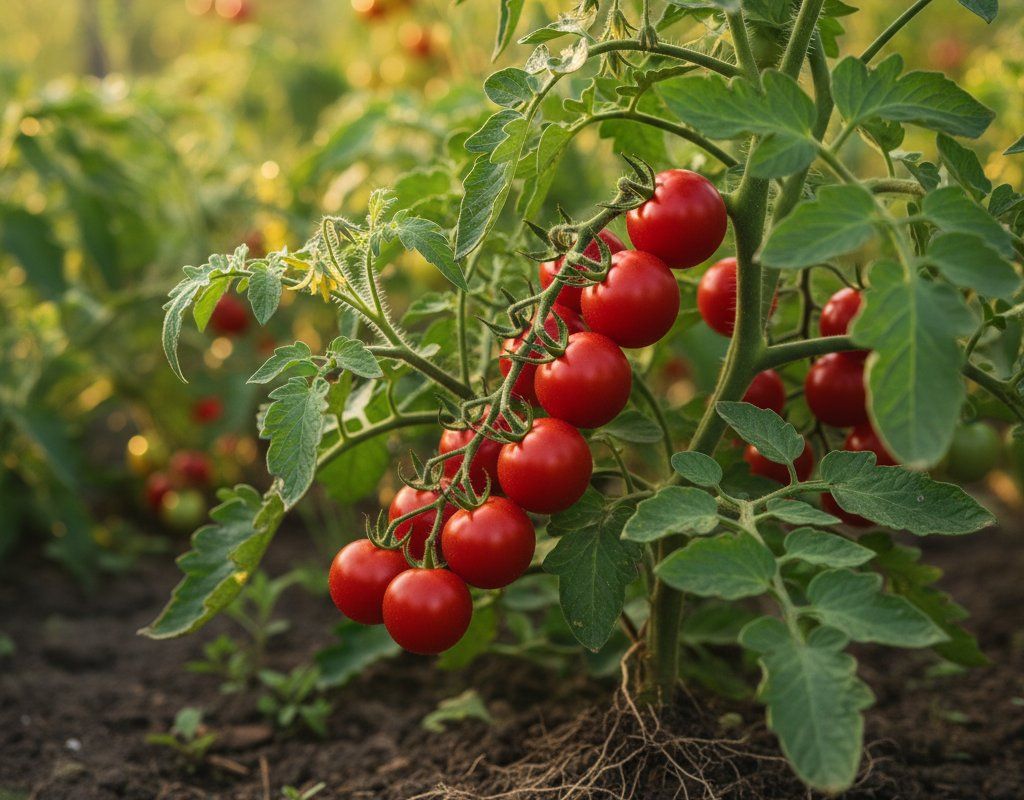
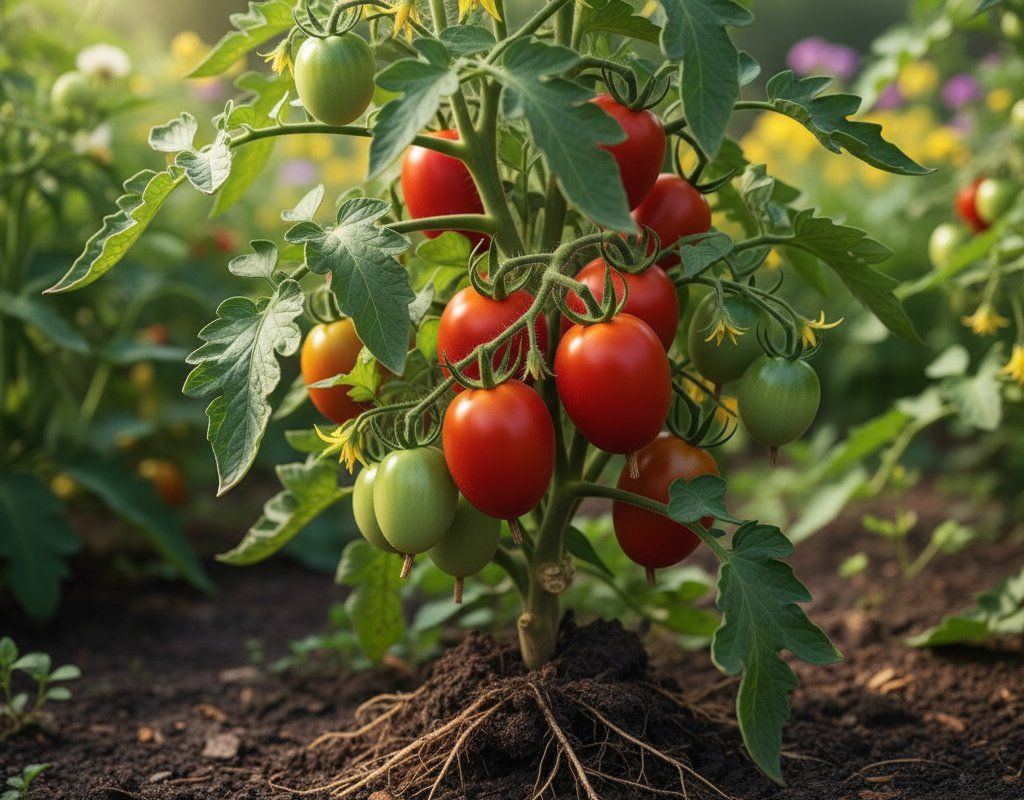
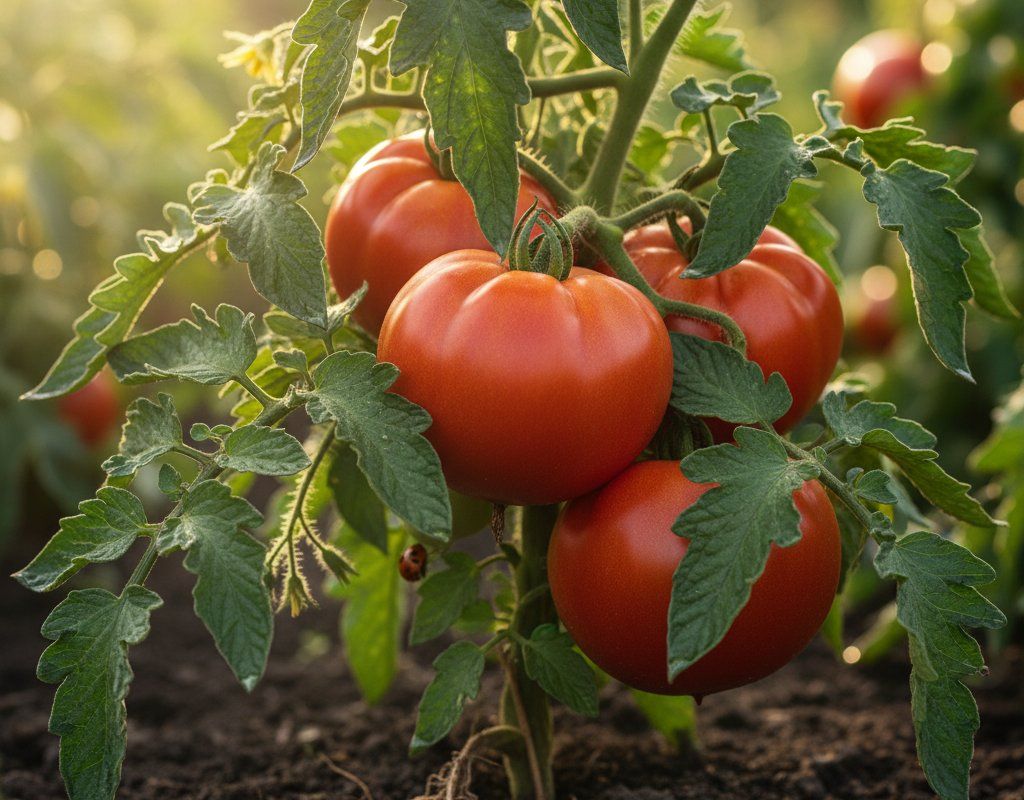
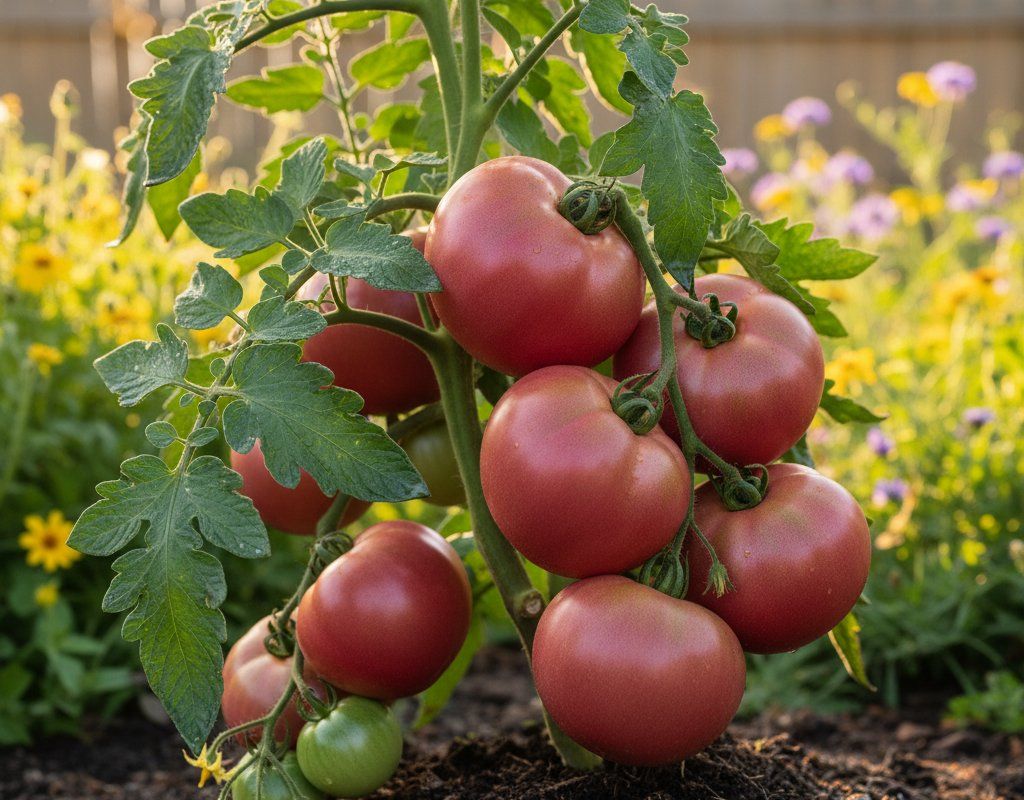
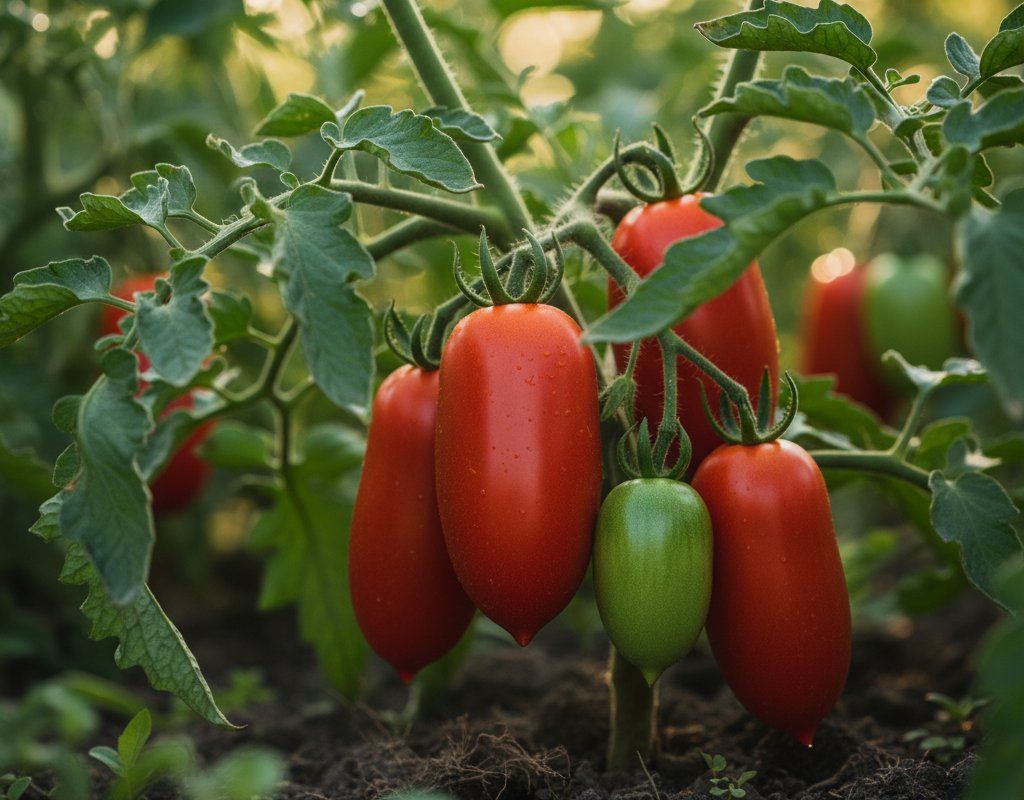
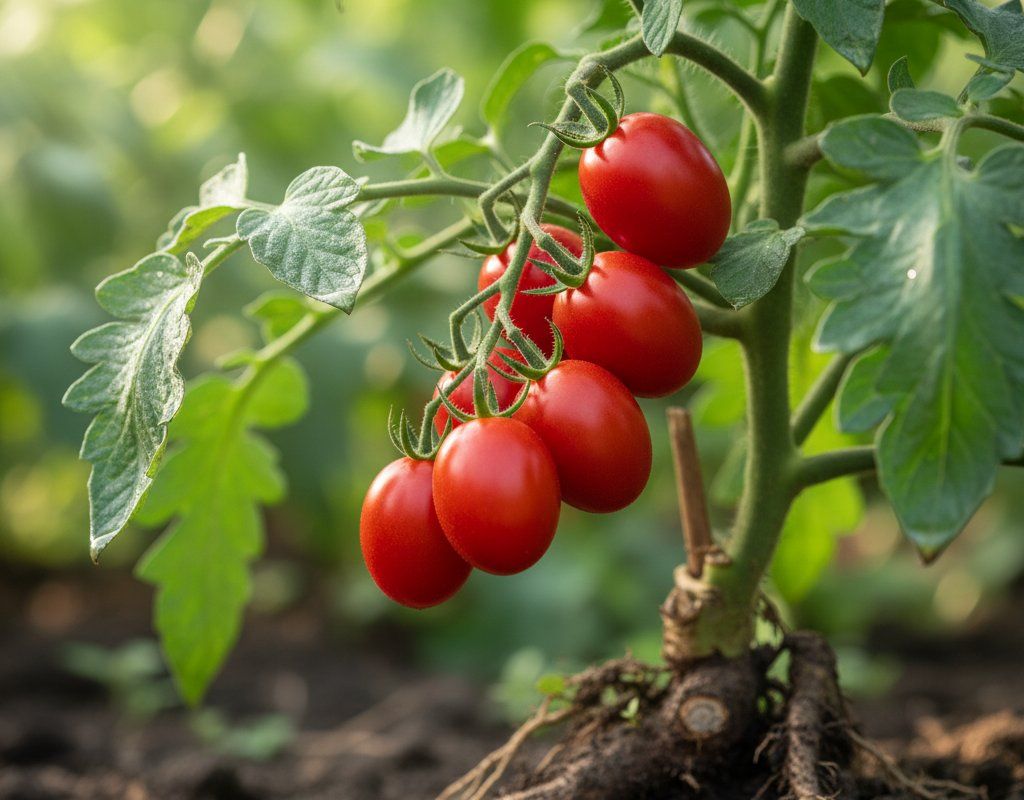
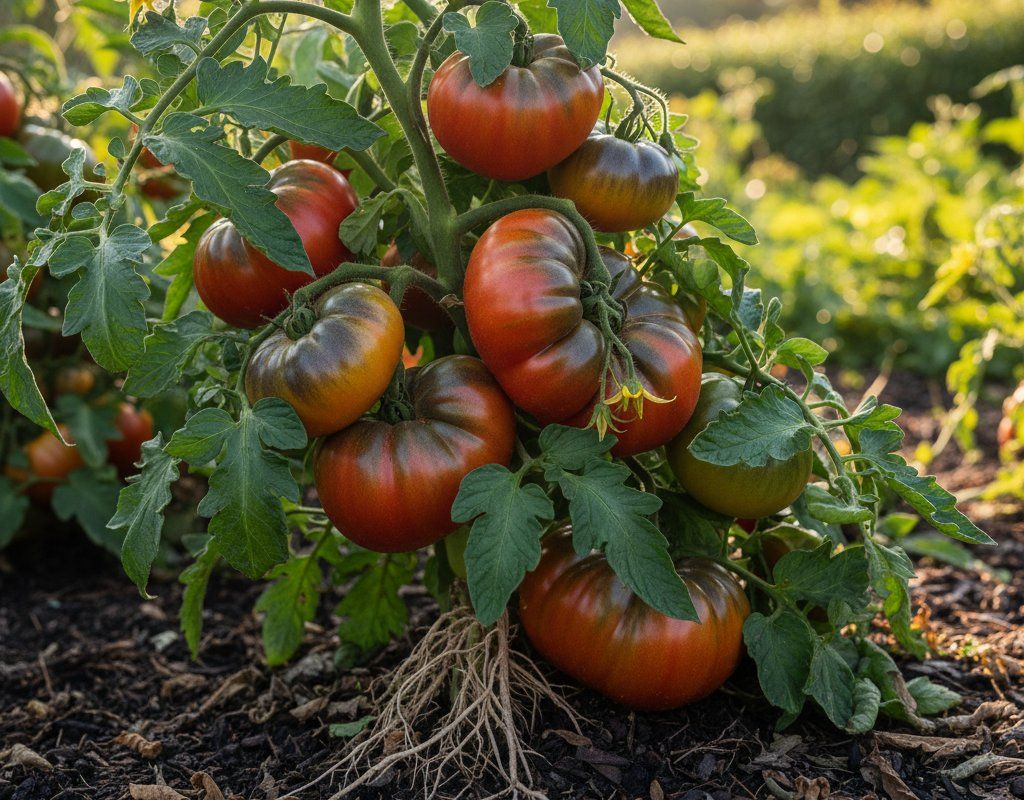
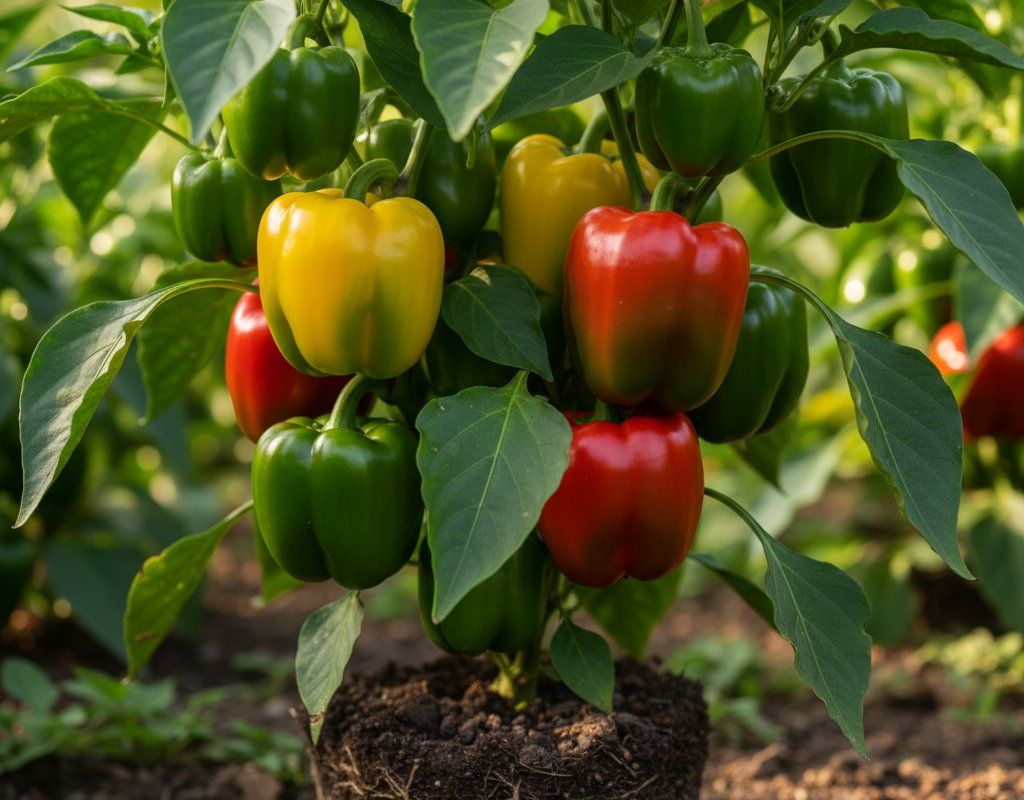
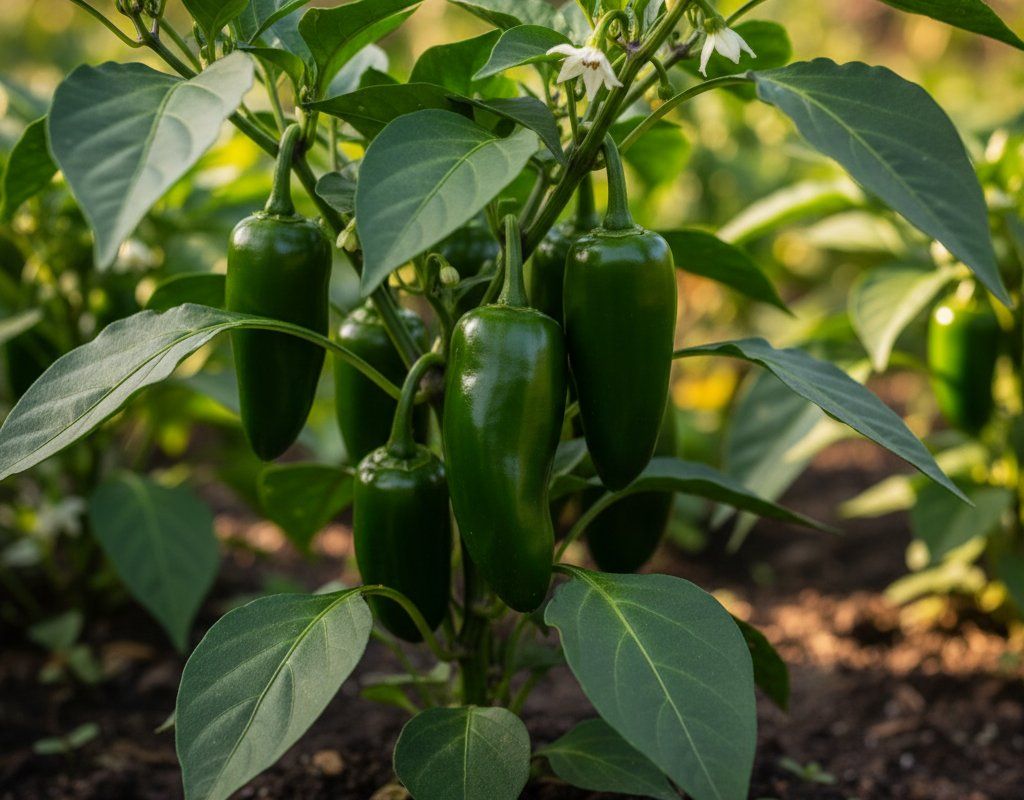
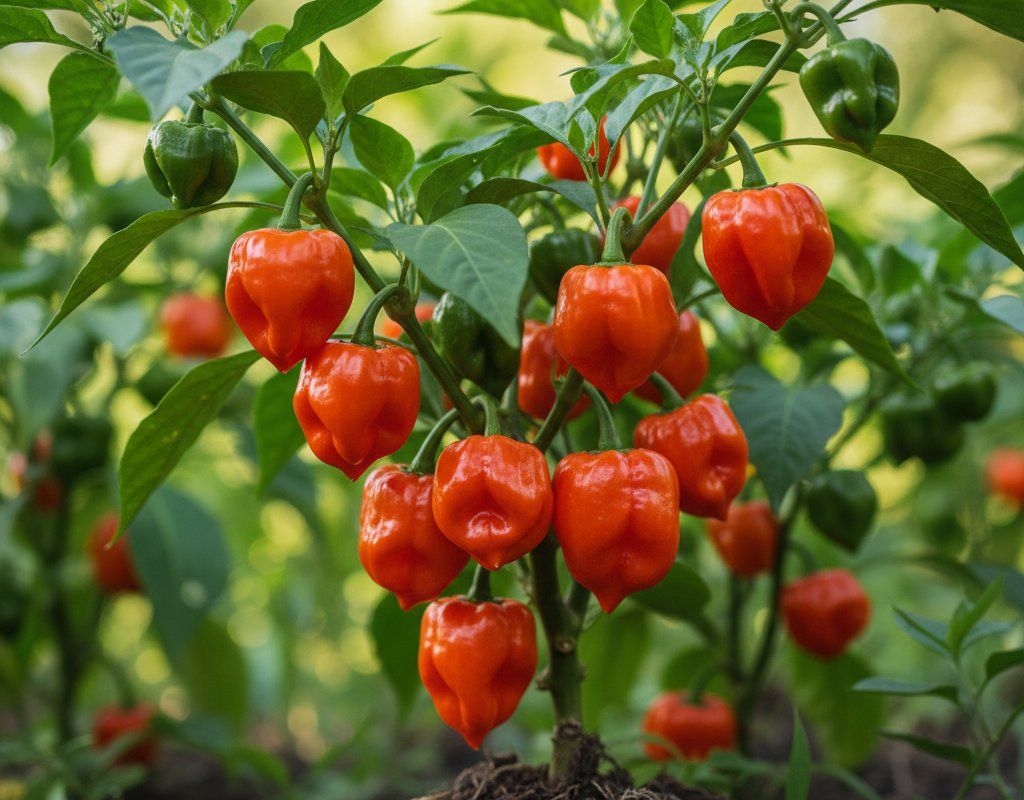
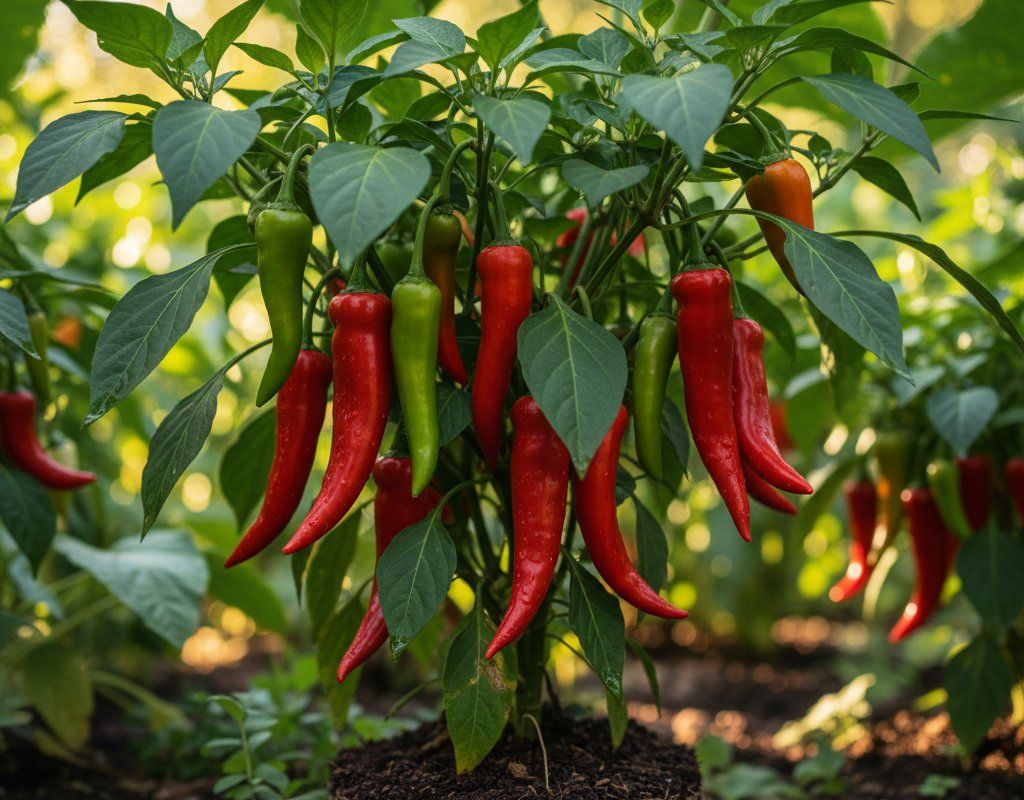
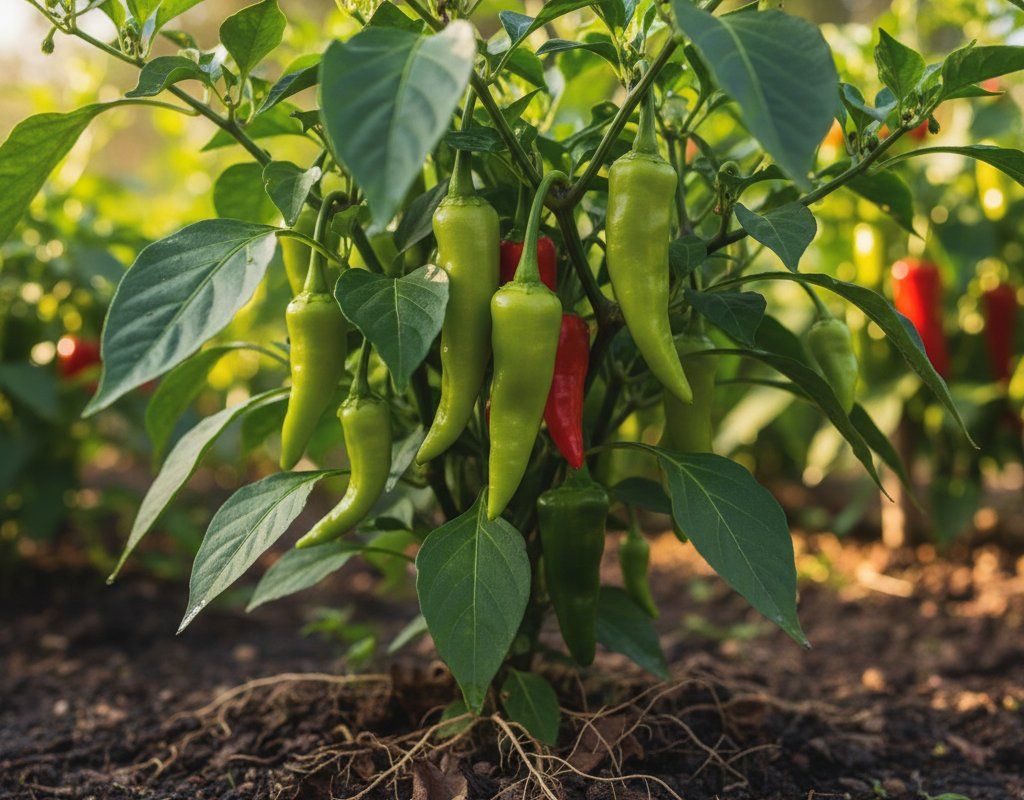
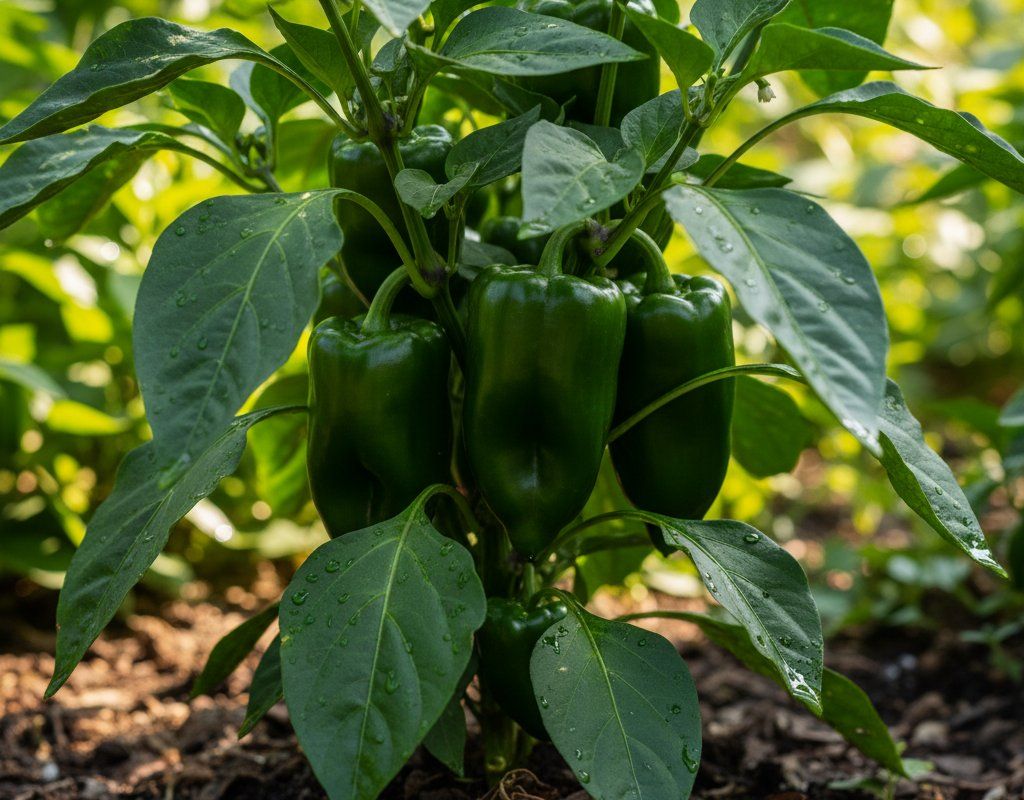
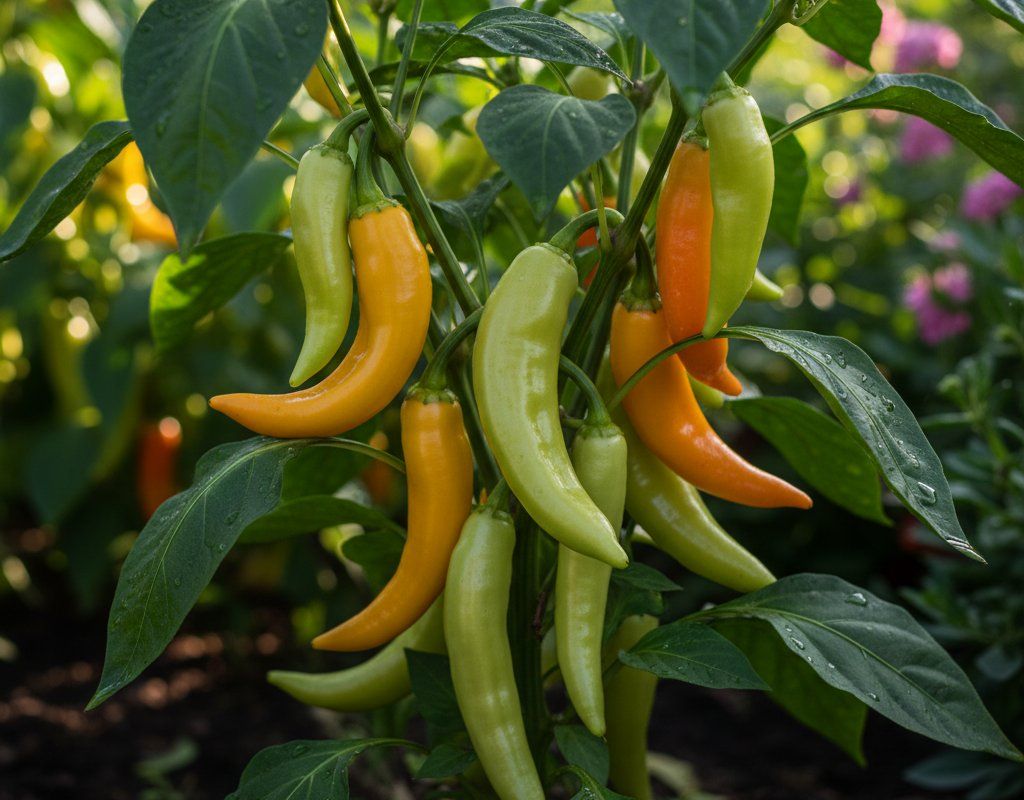
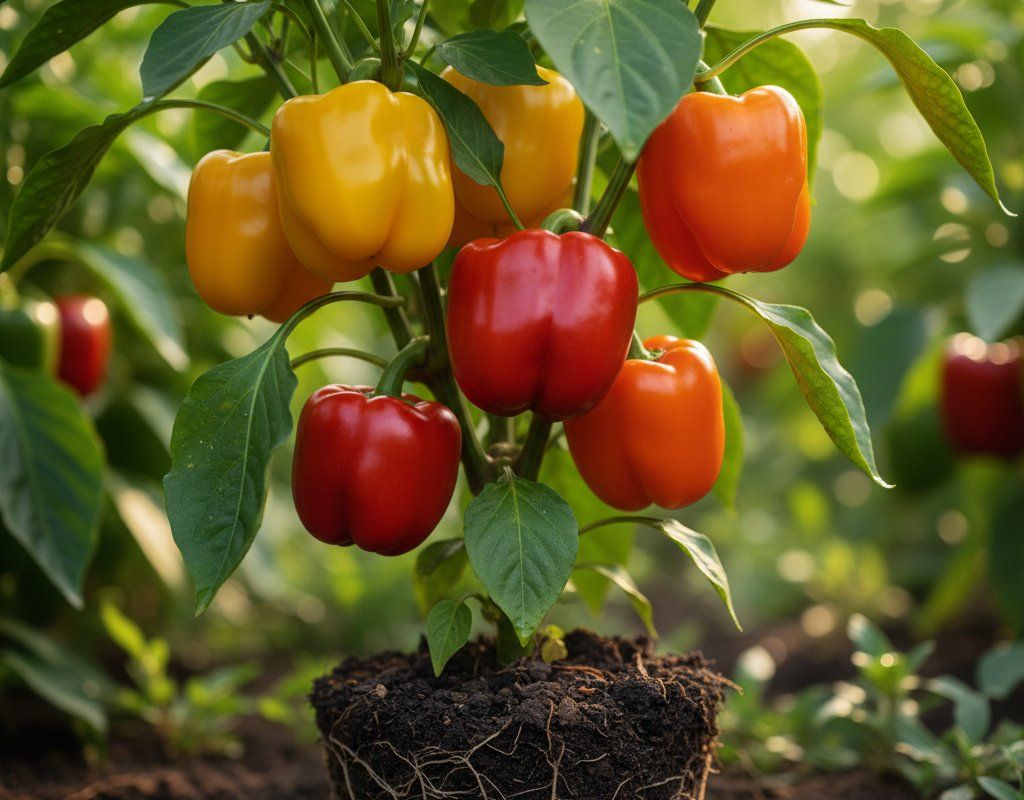
French Marigolds make great companions for many plants in your Midwest garden. They are known to repel certain pests, which can benefit your other crops. Plant them near tomatoes and peppers to deter nematodes and other soil pests, leading to healthier and more productive plants. The strong scent of marigolds can also help confuse pests that target these vegetables.
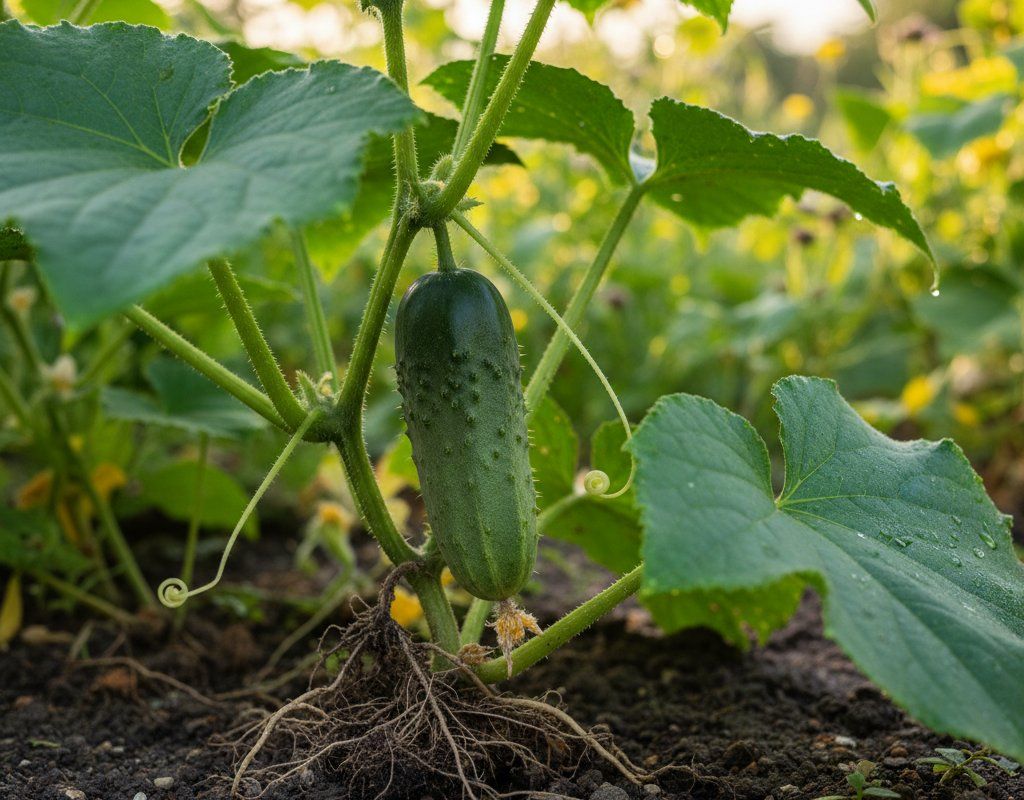
Basil is another great companion for French Marigolds. Basil attracts pollinators, which can improve fruit set on your tomatoes and peppers. Cucumbers also benefit from being planted near French Marigolds, as the marigolds can help repel cucumber beetles. Avoid planting French Marigolds near beans-green, as they can sometimes inhibit bean growth.
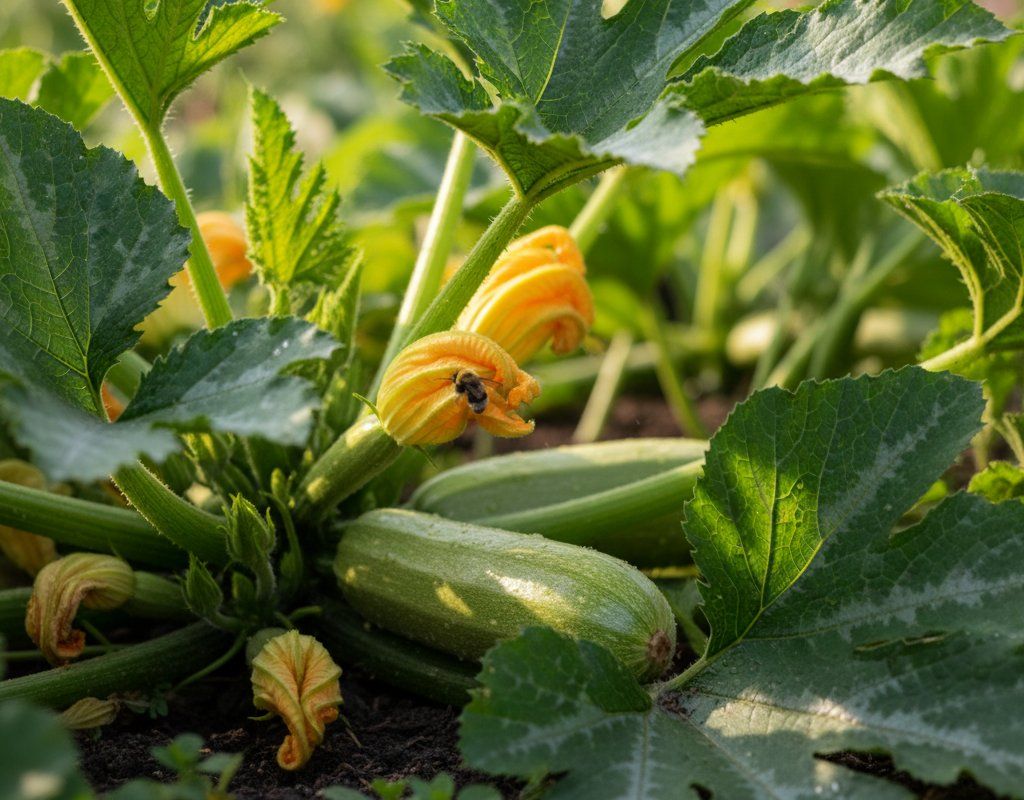
🥬Best Vegetables to Pair With French Marigold
French Marigold benefits these vegetables through pest control, pollinator attraction, or improved garden health.







Get a Reminder When It's Time to Plant
We'll email you when key planting windows open for your zone.