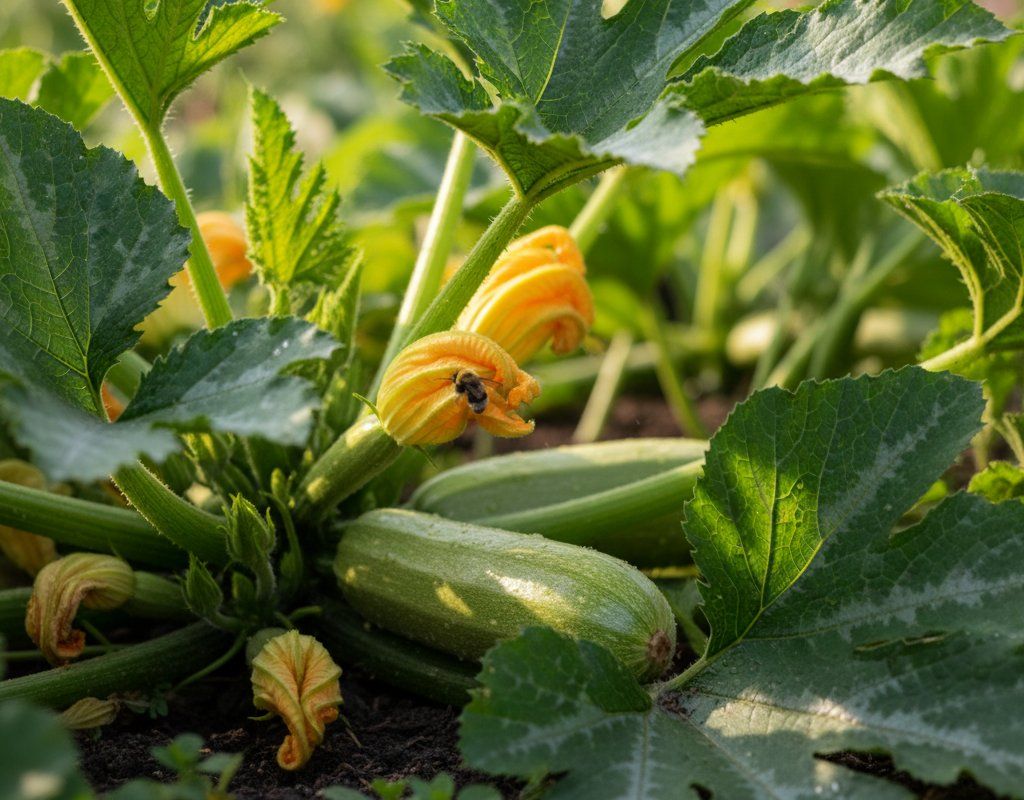
Zucchini in Zone 7B — Mid-Atlantic
Cucurbita pepo · Your Complete 2026 Planting Guide
Planning Ahead — Great!
You’re ahead of the season. Here’s when to start.
Mark Your Calendar
How to Plant Zucchini in Zone 7B — Mid-Atlantic
Here are all your options for getting zucchini in the ground, from the easiest method to more advanced approaches.
Direct Sow Seeds
RecommendedEarly April through late August
around April 8
Consider succession planting every 2-3 weeks for continuous harvest.
Zucchini grows so fast that direct sowing is usually easiest.
Buy Starts
Works WellMid April through late May
around April 15
Plant purchased starts after last frost (April 1).
Start Seeds Indoors
Works WellMid March through early April
around March 25
Then transplant: Mid April through late May
Start seeds 3-5 weeks before transplanting outdoors.
Only start indoors if you want earlier harvest. Don't start too early.
Transplant Outdoors
Timing InfoMid April through late May
around April 15
Wait until nighttime temperatures stay above 50°F.
You have a nice window — no need to rush.
Overview
Zucchini thrives in our Mid-Atlantic climate, turning our reliable rainfall and humid summers into an abundance that'll have you sharing bags with neighbors by July. With our 214-day growing season, you can succession plant from spring through late summer for continuous harvests from late May clear through to our first frost in early November. The plant's vigorous nature matches our moderate-to-hot summers perfectly, and unlike delicate crops that struggle with our humidity, zucchini actually benefits from the consistent moisture.
Yes, our variable spring weather and humid conditions bring challenges like powdery mildew and vine borers, but proper timing makes these manageable. Our four distinct seasons work in zucchini's favor—you'll get multiple plantings in, and the plant's fast 50-day maturity means you can recover quickly from any setbacks our Mid-Atlantic weather throws your way.
Starting Seeds Indoors
Starting zucchini indoors isn't your primary option here in the Mid-Atlantic, but it makes sense if you want to push for earlier harvests or if you're dealing with particularly heavy deer pressure in your area. Start seeds indoors from mid-March through early April, about 3 weeks before you plan to transplant outside. Our moderate spring character means you don't need to rush this timing.
Use seed starting trays with good drainage and keep the soil consistently moist through bottom watering—this prevents damping off, which zucchini seedlings can be prone to. Seeds germinate quickly in warm conditions (70-80°F), so a heat mat helps if your indoor temperatures are still cool from our winter chill.
Don't start too early, though. Zucchini grows so fast that seedlings become rootbound quickly, and they hate transplant shock. Three weeks from seed to transplant is your sweet spot in our climate.
Transplanting Outdoors
If you've started zucchini indoors, transplant from mid-April through late May, after our average last frost in early April has safely passed. Watch for late frost warnings though—our spring weather can be unpredictable, and one cold snap will kill these tender plants completely.
Harden off seedlings gradually over a full week before transplanting. Our variable spring temperatures and occasional windy days mean gradual acclimation is crucial. Start with just an hour outdoors in a protected spot, building up to full days outside by the end of the week.
Space transplants 36-48 inches apart—zucchini becomes massive in our growing conditions, and our humid summers make good air circulation essential for preventing disease. Plant on a calm, overcast day if possible, as our spring sun can be surprisingly strong for newly transplanted seedlings.
Direct Sowing
Direct sowing is your best bet for zucchini in the Mid-Atlantic—the plants grow so fast that you skip transplant shock entirely and often catch up to or surpass transplanted seedlings. Sow from early April through late August, giving you multiple succession plantings throughout our long growing season.
Wait until soil temperatures reach 60°F consistently before sowing, which typically happens by mid-April in our region. Our clay soil can be slow to warm, so if you're dealing with heavy clay, consider raised beds or mounded rows to help drainage and warming. Plant seeds 1 inch deep and space them 36-48 inches apart—this seems like a lot early on, but mature zucchini plants easily spread 3-4 feet in our fertile, humid conditions.
Our even rainfall pattern means you usually won't need to water after planting unless we hit an unusual dry spell. Seeds germinate in 7-10 days when soil stays consistently moist, and you'll see rapid growth once our summer heat kicks in.
Watering Zucchini in Zone 7B (Mid-Atlantic)
Zucchini needs consistent, deep watering throughout our Mid-Atlantic growing season, but our humid summers mean you need to be strategic about how you water. These plants drink heavily—plan on providing about 1-2 inches per week, including rainfall. Use the finger test: stick your finger 2 inches into the soil, and if it's dry at that depth, it's time to water.
Always water at the base of the plant, never overhead. With our humid conditions and warm nights, wet leaves are an invitation for powdery mildew and other fungal diseases. Soaker hoses or drip irrigation work beautifully for zucchini, delivering deep water right where the extensive root system can use it. Water early morning so any splash that does hit leaves has time to dry before our humid nights set in.
Our typical summer pattern of afternoon thunderstorms can be deceiving—that quick downpour might wet the surface but not penetrate to the root zone. Check soil moisture regularly during our hot spells, especially if you're growing in clay soil that tends to shed water when it gets too dry. Mulch heavily around plants to maintain consistent moisture levels and reduce evaporation during our 88°F summer days.
Signs of underwatering include wilting during the heat of the day (even with adequate morning moisture) and bitter-tasting fruit. Overwatering shows up as yellowing leaves and increased susceptibility to fungal diseases—something we need to watch carefully in our humid climate.
🧪Fertilizing Zucchini
Feeding Schedule
Organic Fertilizer Options
Harvest Time
Your first zucchini harvest typically arrives from late May through early June if you planted in April, about 50 days from seed. With our long growing season extending through early November, succession planting every 2-3 weeks gives you continuous harvests right up until first frost hits.
Harvest zucchini when they're 6-8 inches long for the best flavor and texture. Check plants daily once they start producing—in our warm, humid summers, zucchini can literally grow from perfect size to baseball bat overnight. Cut (don't twist) the stem with a sharp knife, leaving about an inch of stem attached to the fruit. Harvest in early morning when the flesh is firm and cool.
Keep harvesting regularly to keep plants producing. Missing even a few days can result in oversized fruit that signals the plant to slow production. Those monster zucchini might look impressive, but they're spongy inside and have tough skin. If you do end up with giants, remove them anyway to keep the plant focused on new production.
As our first frost approaches in early November, harvest everything regardless of size. Green zucchini won't ripen off the vine like tomatoes, so your last harvest is whatever's on the plant when cold weather arrives. The good news is that our fall often stays mild enough for plants to keep producing until that final freeze.
Common Problems in Zone 7B (Mid-Atlantic)
Squash Vine Borers are probably your biggest threat here in the Mid-Atlantic. You'll notice sudden wilting of entire vines or sections, often on plants that looked perfectly healthy the day before. Look for sawdust-like frass around the base of stems—that's your telltale sign that borers are tunneling inside. These are larvae from clearwing moths that lay eggs at stem bases in early summer, and once they're established, they cut off the plant's water and nutrient flow. Wrap the base of stems with aluminum foil or use row covers during the moth's flight period (usually late June through July in our area). If you catch it early, you can inject Bt into the stem, but prevention is much more effective than treatment.
Powdery Mildew thrives in our humid Mid-Atlantic conditions, especially during those periods of warm days and cool nights that are common in late summer. You'll see white or grayish powdery coating starting on older leaves and spreading upward. Unlike many plant diseases, powdery mildew actually prefers dry leaf surfaces, which is why overhead watering makes it worse. Improve air circulation by spacing plants properly (remember that 36-48 inch spacing), and remove affected leaves as soon as you spot them. Neem oil helps, but surprisingly, a simple milk spray (1 part milk to 9 parts water) is quite effective and safer for beneficial insects.
Blossom End Rot shows up as dark, sunken patches on the bottom of developing fruit, and it's usually triggered by inconsistent watering—exactly what can happen during our variable spring weather or summer dry spells followed by heavy rain. This isn't actually a disease but a calcium uptake problem caused by drought-flood cycles. The most effective fix is consistent watering, which is manageable in our climate with good mulching and regular monitoring. Our clay soil can make this worse by shedding water when it gets too dry, then becoming waterlogged after heavy rains.
Our Mid-Atlantic humidity means fungal diseases spread quickly once established, so prevention and early intervention are key. The positive side is that our reliable rainfall means you're less likely to deal with drought stress that triggers problems like blossom end rot, as long as you maintain consistent soil moisture during dry spells.
Best Companions for Zucchini
Plant these nearby for healthier Zucchini and better harvests.


Keep Away From
Companion Planting Details
Plant zucchini with corn and beans for a modified Three Sisters approach that works well in our Mid-Atlantic conditions. The corn provides structure for beans, while beans add nitrogen to the soil that benefits zucchini's heavy feeding habits. Radishes planted around the perimeter help deter squash bugs and make good use of space while zucchini plants are still young. Mint planted nearby can help repel ants and some rodents, though be careful to contain it since mint spreads aggressively in our moist conditions.
Avoid planting zucchini near potatoes, as both are heavy feeders that compete for nutrients, and potatoes can harbor similar pests. The potato beetle can also occasionally munch on zucchini leaves, creating unnecessary problems. Our humid summers mean proper spacing is even more critical than in drier climates, so resist the urge to cram companions too close together, regardless of how beneficial they might be.
🌸Best Flowers to Plant with Zucchini
These flowers protect your Zucchini from pests and attract pollinators for better harvests.
For Pest Control








Get a Reminder When It's Time to Plant
We'll email you when key planting windows open for your zone.