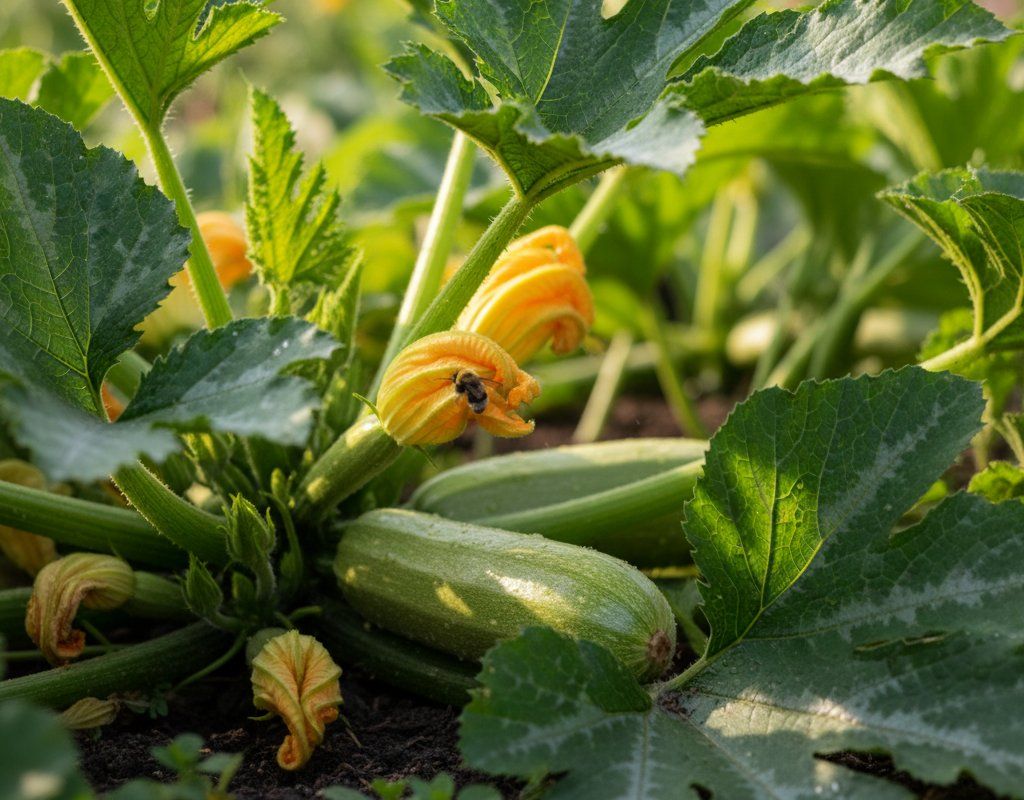
Zucchini in Zone 9A — Northern California
Cucurbita pepo · Your Complete 2026 Planting Guide
Missed Seed Starting? No Problem!
Wait for starts to become available.
What to Do
Starts will be available at nurseries in 2 days (around March 6).
How to Plant Zucchini in Zone 9A — Northern California
Here are all your options for getting zucchini in the ground, from the easiest method to more advanced approaches.
Direct Sow Seeds
RecommendedLate February through early October
around February 27
Consider succession planting every 2-3 weeks for continuous harvest.
Zucchini grows so fast that direct sowing is usually easiest.
Buy Starts
Works WellEarly March through mid April
around March 6
Plant purchased starts after last frost (February 20).
Start Seeds Indoors
Works WellEarly to late February
around February 13
Then transplant: Early March through mid April
Start seeds 3-5 weeks before transplanting outdoors.
Only start indoors if you want earlier harvest. Don't start too early.
Transplant Outdoors
Timing InfoEarly March through mid April
around March 6
Wait until nighttime temperatures stay above 50°F.
You have a nice window — no need to rush.
Overview
Zucchini thrives in our Northern California Mediterranean climate, delivering massive harvests from just a few plants throughout our exceptionally long growing season. You'll get tender, flavorful squash that puts grocery store versions to shame, plus zucchini blossoms that are perfect for stuffing and frying. With our warm, dry summers and mild winters, you can keep harvesting from spring through early winter if you succession plant.
Our dry summers and occasional water restrictions might seem challenging for this thirsty crop, but proper timing and deep watering techniques make zucchini very manageable here. With nearly 288 days between frosts, you have multiple opportunities to plant and can easily grow several crops per year. The key is working with our climate patterns rather than against them.
Starting Seeds Indoors
Starting zucchini seeds indoors isn't your best bet here in Northern California, but it makes sense if you want the earliest possible harvest or live in a cooler microclimate. Start seeds in early to late February, about three weeks before you plan to transplant outdoors. Our early spring character means you won't need to start as early as gardeners in colder zones.
Use seed trays with good drainage and keep them warm — around 70-75°F for quick germination. Bottom watering works best to prevent damping off, which can be a problem in our sometimes-cool February weather. You'll need grow lights or a very sunny south-facing window since our February days are still fairly short.
Honestly, zucchini grows so fast once warm weather hits that direct sowing usually catches up to transplants within weeks. Only start indoors if you're really eager for that first harvest or want to maximize your long growing season.
Transplanting Outdoors
Transplant your indoor-started seedlings from early March through mid-April, timing it for when nighttime temperatures consistently stay above 50°F. In most of Northern California, this happens earlier than other Zone 9A regions thanks to our Mediterranean climate patterns. Give seedlings a full week to harden off gradually — start with just an hour of morning sun and build up to full outdoor exposure.
Space transplants 36-48 inches apart to allow for good air circulation, which is crucial for preventing powdery mildew in our low-humidity environment. Each plant will spread 3-4 feet in all directions, so don't crowd them even though they look tiny at transplant time.
Watch for late cold snaps in March and early April — they're not uncommon in our variable spring weather. Have row covers or large buckets ready to protect young transplants if temperatures dip unexpectedly. Our microclimates can vary wildly even within a single garden.
Direct Sowing
Direct sowing is absolutely the way to go with zucchini in Northern California. You can sow from late February through early October, taking advantage of our incredibly long growing season. Wait until soil temperature reaches at least 60°F — usually mid-March in most areas, though coastal gardens may need to wait until early April.
Prepare planting areas by working compost into the soil and creating slight mounds for better drainage. Plant seeds 1 inch deep and space them 36-48 inches apart — zucchini needs room to spread and good air circulation to prevent disease in our dry climate. Plant 2-3 seeds per location and thin to the strongest seedling once they're 3-4 inches tall.
The beauty of direct sowing here is that zucchini grows so rapidly once our warm weather kicks in that you'll barely lose any time compared to transplants. Plus, direct-sown plants develop stronger root systems that handle our dry summers better. For continuous harvest, succession plant every 3-4 weeks through summer.
Watering Zucchini in Zone 9A (Northern California)
Zucchini has high water needs, and inconsistent watering is your biggest enemy in Northern California's dry-summer climate. The plant needs about 1-2 inches of water per week, delivered deeply and consistently. Check soil moisture with the finger test — stick your finger 2 inches down, and water when it feels dry at that depth.
Water at the base of plants rather than overhead to prevent powdery mildew, which thrives even in our low-humidity conditions. Use drip irrigation or soaker hoses if possible, or create a watering basin around each plant to direct water to the root zone. Deep, infrequent watering encourages strong root development that's better equipped to handle our summer heat.
During our typical moderate-to-hot summers (around 88°F highs), you'll likely need to water every 2-3 days, more often in containers or raised beds that dry out faster. Signs of underwatering include wilting leaves and blossom end rot on fruits. Overwatering shows up as yellowing leaves and poor fruit production.
Apply 3-4 inches of mulch around plants to conserve moisture and reduce watering frequency — crucial during water restriction periods. Straw, shredded leaves, or wood chips work well and help maintain the consistent soil moisture that prevents most zucchini problems.
🧪Fertilizing Zucchini
Feeding Schedule
Organic Fertilizer Options
Harvest Time
Your first zucchini will be ready to harvest from mid-April through early December, depending on when you planted. Most varieties mature in about 50 days, but you'll start harvesting much sooner than that. Pick zucchini when they're 6-8 inches long and about 2 inches in diameter for the best flavor and texture — they should feel firm with glossy skin.
Check plants daily once fruiting begins because zucchini grows incredibly fast in our warm weather. A 6-inch zucchini can turn into a baseball bat-sized monster in just 2-3 days. Oversized zucchini become spongy and seedy, plus they signal the plant to stop producing new fruits.
Use a sharp knife or pruning shears to cut the stem rather than pulling or twisting, which can damage the plant. Cut stems about an inch from the fruit. Regular harvesting keeps plants productive — aim to pick every other day during peak season. Don't forget to harvest the edible flowers too, which are delicious stuffed or battered and fried.
Keep harvesting until our first frost arrives in early December. The plants will slow production as daylight decreases in fall, but you can often get a final flush of small, tender zucchini if you protect plants during the first light frosts with row covers.
Common Problems in Zone 9A (Northern California)
Squash Vine Borers These show up as sudden wilting of entire sections or whole plants, often accompanied by sawdust-like frass around the base of stems. If you slice open an affected stem, you'll find a fat, white grub tunneling through it. The larvae of clearwing moths lay eggs at stem bases and the borers cut off water and nutrient flow as they tunnel.
In Northern California, the moth flight period typically runs from late spring through summer. Wrap the base of stems with aluminum foil or use row covers during peak egg-laying season. If you catch an infestation early, you can inject Bt (Bacillus thuringiensis) directly into stems. Succession planting gives you backup plants, and some gardeners plant butternut squash nearby as a trap crop since borers prefer it.
Powdery Mildew This appears as white or grayish powdery coating on leaves, stems, and sometimes fruits. Despite our low humidity, powdery mildew thrives here because it actually prefers dry leaf surfaces combined with our warm days and cool nights. Affected leaves curl, yellow, and eventually die, weakening the entire plant.
Improve air circulation through proper spacing (that 36-48 inches is crucial) and remove lower leaves that touch the ground. Neem oil or potassium bicarbonate sprays help control outbreaks. Surprisingly, milk spray (1 part milk to 9 parts water) is quite effective. Water at soil level, never on leaves, and choose resistant varieties when possible.
Blossom End Rot This appears as sunken, dark brown or black leathery patches on the bottom (blossom end) of fruits, often affecting the first fruits of the season. It's not a disease but a calcium deficiency caused by inconsistent watering — exactly the kind of problem our dry climate can trigger if you're not careful with irrigation.
The single most effective fix is consistent watering. Mulch heavily to maintain even soil moisture and avoid the drought-flood cycles that prevent calcium uptake. Don't over-fertilize with nitrogen, which can interfere with calcium absorption. Remove affected fruits promptly so the plant can focus energy on healthy ones.
Northern California Specific Challenges: Our moderate-to-hot, dry summers combined with water restrictions make consistent irrigation the biggest challenge for zucchini success. The low humidity that helps prevent many fungal diseases can actually favor powdery mildew, while our wide temperature swings between day and night can stress plants and trigger physiological problems like blossom end rot.
Best Companions for Zucchini
Plant these nearby for healthier Zucchini and better harvests.


Keep Away From
Companion Planting Details
Zucchini grows beautifully with corn and beans in a modified Three Sisters planting — the corn provides some afternoon shade during our hottest days, while beans fix nitrogen that hungry zucchini plants appreciate. Plant radishes around the perimeter as they help break up soil and may deter squash bugs. Mint planted nearby can help repel ants and other pests, though keep it contained since it spreads aggressively in our long growing season.
Avoid planting potatoes near zucchini since both are heavy feeders that will compete for nutrients, and potatoes can harbor diseases that affect squash family plants. In our water-conscious climate, grouping plants with similar water needs makes irrigation more efficient, so pair zucchini with other thirsty crops like tomatoes and peppers rather than drought-tolerant Mediterranean herbs.
🌸Best Flowers to Plant with Zucchini
These flowers protect your Zucchini from pests and attract pollinators for better harvests.
For Pest Control








Get a Reminder When It's Time to Plant
We'll email you when key planting windows open for your zone.