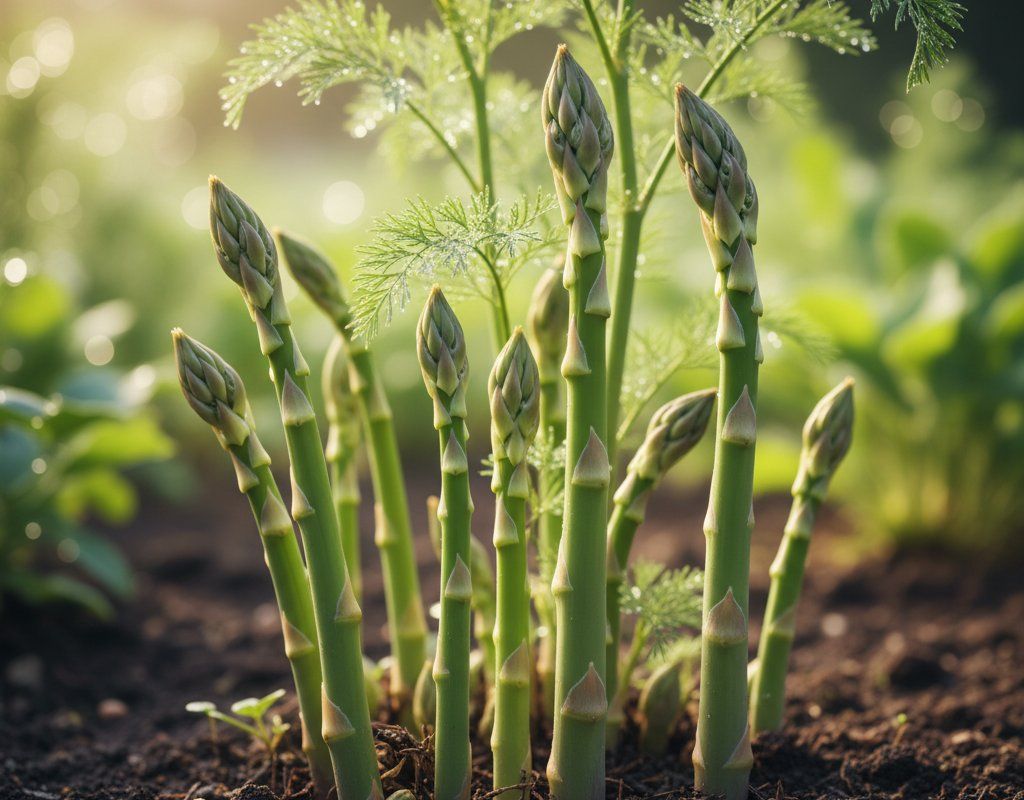
Asparagus in Zone 5B — Midwest
Asparagus officinalis · Your Complete 2026 Planting Guide
Too Late for Asparagus
Not enough growing season left (need 744 days, only 220 remain)
📊 See the math
How to Plant Asparagus in Zone 5B — Midwest
Here are all your options for getting asparagus in the ground, from the easiest method to more advanced approaches.
Buy Starts
RecommendedLate April through early May
around April 25
Plant purchased starts after last frost (April 25).
Buy 1-year-old crowns (roots). Growing from seed takes 3+ years to first harvest.
Start Seeds Indoors
ChallengingThis plant is typically not started indoors.
Direct Sow Seeds
ChallengingDirect sowing is not typical for Asparagus.
Transplant Outdoors
Timing InfoLate April through early May
around April 25
Can tolerate light frost, but wait for soil to be workable.
Timing is critical in your zone — don’t delay!
Overview
Asparagus is a Midwest garden staple. The taste of freshly harvested asparagus, grilled with a little butter and salt, is a true sign of spring. Plus, asparagus is a perennial, so you plant it once, and you'll be harvesting it for years.
Our Midwest weather can be unpredictable, with temperature swings in spring and summer heat spells, but asparagus is surprisingly hardy. With a little patience (it takes a couple of years to get going), you'll find asparagus thrives in our fertile soil and 168-day growing season.
Transplanting Outdoors
Transplant your asparagus crowns outdoors in late April through early May, once the threat of a hard frost has passed. Before planting, harden off your asparagus by gradually exposing them to outdoor conditions for about a week. This helps them adjust to the Midwest weather.
Space your asparagus crowns 18-24 inches apart in a trench about 6 inches deep. Be gentle when spreading out the roots. Keep an eye on the forecast – those late spring cold snaps can still happen, so be prepared to cover your young plants if necessary. It's best to start with 1-year-old crowns from a local nursery; growing from seed takes too long.
Watering Asparagus in Zone 5B (Midwest)
Asparagus needs moderate watering, especially during its first couple of years. Once established, the deep roots make it fairly drought-tolerant. But don't let them completely dry out, especially during our summer heat spells.
In the Midwest, aim to water your asparagus deeply about once a week, providing about 1 inch of water. Use the finger test: stick your finger about 2 inches into the soil near the base of the plant. If it feels dry, it's time to water. With our moderate-to-humid summers, it's best to water at the base of the plant to avoid fungal issues.
Watch for signs of underwatering, like wilting or yellowing leaves. Overwatering can lead to crown rot, so make sure the soil drains well. Mulching around your asparagus bed with straw or wood chips will help retain moisture and suppress weeds, which is especially helpful during those drier periods in mid-summer.
Pruning & Maintaining Asparagus
Asparagus requires minimal pruning. The most important thing is to let the ferns grow all summer long. These ferns are how the plant stores energy for next year's spears.
Once the ferns turn brown and die back in late fall or early spring, cut them down to the ground. This helps prevent disease and keeps the bed tidy. Also, remember not to over-harvest in the spring. Limit your harvest to about 8 weeks each season to ensure the plant has enough energy to keep producing year after year.
🧪Fertilizing Asparagus
Feeding Schedule
Organic Fertilizer Options
Harvest Time
You can expect your first harvest of asparagus spears about two years after transplanting the crowns. In the Midwest, this usually falls in late April through late October.
Harvest the spears when they are 6-8 inches tall and the tips are still tightly closed. To harvest, simply snap the spear off at ground level. Stop harvesting when the spears become thin, about the width of a pencil. At that point, let the remaining spears fern out to help the plant build energy for the next season.
Keep harvesting every few days during the peak season. The more you harvest, the more the plant will produce. As the first frost approaches in early October, stop harvesting altogether and let the remaining ferns grow until they die back naturally.
Common Problems in Zone 5B (Midwest)
Here are a few common problems you might encounter growing asparagus in the Midwest:
Asparagus Beetle
- What it looks like: Small beetles and their larvae feeding on the spears and ferns, causing damage and discoloration.
- What causes it: These beetles are attracted to asparagus plants. Our moderate-to-humid summers can provide favorable conditions for them.
- How to fix/prevent it: Handpick beetles and larvae. Encourage natural predators like ladybugs. Insecticidal soap can be used as a last resort.
Crown Rot from Poor Drainage
- What it looks like: Yellowing or wilting ferns, stunted growth, and a mushy, decaying crown.
- What causes it: This fungal disease thrives in poorly drained soil. Our clay soil, combined with wet-summer rainfall, can make this a problem.
- How to fix/prevent it: Ensure good soil drainage by amending heavy clay soil with compost and organic matter before planting. Avoid overwatering. Plant in raised beds if necessary.
Thin Spears from Over-Harvesting
- What it looks like: Spears that are thinner than pencil-width, indicating the plant is stressed.
- What causes it: Harvesting too many spears, or harvesting for too long each season, depletes the plant's energy reserves.
- How to fix/prevent it: Limit your harvest to 6-8 weeks per season. Let plenty of spears fern out to replenish the plant's energy.
Midwest Specific Challenges: The combination of moderate-to-hot heat and moderate-to-humid humidity in the Midwest can create favorable conditions for pests and diseases. Clay soil can exacerbate drainage problems. Regular monitoring and proactive measures are key to keeping your asparagus healthy.
Best Companions for Asparagus
Plant these nearby for healthier Asparagus and better harvests.
View Full Companion Planting Chart →




Companion Planting Details
Good companion plants for asparagus in the Midwest include tomatoes, parsley, and basil. Tomatoes help deter asparagus beetles, while parsley attracts beneficial insects that prey on asparagus pests. Basil also repels asparagus beetles and other unwanted insects.
Avoid planting asparagus near onions or garlic. These plants inhibit asparagus growth. By choosing the right companion plants, you can create a thriving and healthy asparagus bed in your Midwest garden.
🌸Best Flowers to Plant with Asparagus
These flowers protect your Asparagus from pests and attract pollinators for better harvests.
For Pest Control


For Pollinators


Get a Reminder When It's Time to Plant
We'll email you when key planting windows open for your zone.