
Carrot in Zone 5B — Midwest
Daucus carota · Your Complete 2026 Planting Guide
Planning Ahead — Great!
You’re ahead of the season. Here’s when to start.
Mark Your Calendar
How to Plant Carrot in Zone 5B — Midwest
Here are all your options for getting carrot in the ground, from the easiest method to more advanced approaches.
Direct Sow Seeds
RecommendedMid April through mid July
around April 11
Consider succession planting every 2-3 weeks for continuous harvest.
Carrots have a taproot and don't transplant. Direct sow only.
Buy Starts
Works WellMid April through early May
around April 11
Plant purchased starts after last frost (April 25).
Start Seeds Indoors
ChallengingThis plant is typically not started indoors.
Transplant Outdoors
Timing InfoMid April through early May
around April 11
Can tolerate light frost, but wait for soil to be workable.
You have a nice window — no need to rush.
Fall Planting
Late July through late August
August 8 ideal · Direct sow for fall harvest
Plant a second crop in mid-summer for fall harvest. Carrot actually prefers the cooling temperatures of fall.
Overview
Carrots are one of the most rewarding crops you can grow in our Midwest gardens, delivering that incredible sweet crunch that makes store-bought varieties pale in comparison. Our fertile soils and adequate summer rainfall create perfect conditions for developing those deep, straight roots that are impossible to find at the grocery store. Plus, with varieties ranging from short and stubby to long and slender, you can choose types that work perfectly in our sometimes challenging clay soils.
While our variable spring weather and occasional summer heat spells can seem daunting, carrots are surprisingly forgiving once you understand the timing. These hardy vegetables actually appreciate our cool spring starts and can handle light frosts, making them ideal for our 168-day growing season. The key is working with our Midwest climate patterns rather than fighting them.
Transplanting Outdoors
While some gardeners attempt to transplant carrots, this method isn't recommended for Midwest growing. Carrots develop a long taproot that doesn't handle transplant shock well, especially when moving from indoor containers to our outdoor conditions during the mid-April through early May window.
The stress of transplanting often results in forked, stunted, or misshapen roots that defeat the purpose of growing your own. Even with careful hardening off over a full week of gradual outdoor exposure, transplanted carrots rarely develop the straight, healthy roots you're aiming for.
Skip the transplant headaches and go straight to direct sowing. Your carrots will thank you with better shape, size, and flavor.
Direct Sowing
Direct sowing is the only reliable way to grow carrots in our Midwest gardens, and thankfully our climate makes this straightforward. You can sow from mid-April through mid-July, giving you multiple planting windows throughout our growing season. Wait until soil temperatures reach at least 45°F consistently, which typically happens by mid-April in Zone 5B.
Prepare your soil by working it deeply and removing all rocks, clods, and debris that could cause forking. Carrot seeds are tiny, so rake the soil surface smooth and create shallow furrows about 1/4 inch deep. Sow seeds thinly and cover lightly with fine soil or compost. Space rows about 12 inches apart to allow for proper root development.
Keep the soil consistently moist during the 2-3 week germination period, as carrot seeds are notorious for poor germination in dry conditions. Once seedlings emerge, thin them to 2-3 inches apart. This spacing gives each carrot enough room to develop without crowding, which is especially important in our fertile but sometimes heavy Midwest soils.
Watering Carrot in Zone 5B (Midwest)
Consistent moisture is absolutely critical for carrots, especially during our Midwest growing season with its variable rainfall patterns. During germination, keep the soil surface damp for the full 2-3 weeks it takes seeds to emerge. Even a day or two of dry conditions can kill germinating seeds, so check daily during this crucial period.
Once established, carrots need about 1 inch of water per week, including rainfall. Our typical 30-40 inches of annual precipitation helps, but summer heat spells and humid conditions can create uneven moisture patterns. Use the finger test - stick your finger 2 inches into the soil near the plants. If it's dry at that depth, it's time to water deeply.
Water at soil level rather than overhead to prevent leaf diseases that thrive in our moderate-to-humid summer conditions. Soaker hoses or drip irrigation work perfectly for carrot rows. Uneven watering is your enemy - it causes cracking and splitting as roots try to adjust to fluctuating moisture levels. A 2-inch layer of straw mulch helps maintain consistent soil moisture between our sometimes irregular summer rains.
Watch for signs of stress during our typical 86°F summer days. Wilting during the hottest part of the day is normal, but plants should recover by evening. If they don't perk up overnight, increase watering frequency while maintaining deep, thorough applications.
🧪Fertilizing Carrot
Feeding Schedule
Organic Fertilizer Options
Harvest Time
Your first carrots will be ready for harvest about 70 days from sowing, which means mid-June harvests from early spring plantings in our Zone 5B gardens. Look for carrot shoulders pushing up through the soil surface - they should be about 3/4 inch in diameter when ready. The green foliage will be full and healthy, standing 8-12 inches tall.
Harvest by gently loosening the soil around each carrot first, especially in our clay soils that can grip roots tightly. Pull straight up with a slight twisting motion to avoid snapping the root. If you meet resistance, loosen the soil further rather than forcing it. Morning harvests after a light watering the day before work best in our Midwest conditions.
Continue harvesting throughout the season as roots reach maturity rather than waiting for the entire crop. Carrots left in the ground too long become woody and can crack, especially during our variable fall weather patterns. For succession plantings, you'll have fresh carrots from mid-June clear through mid-October.
As our first frost approaches in early October, harvest any remaining carrots for storage. While these hardy vegetables can handle light frosts, a hard freeze will damage the foliage and make harvesting more difficult. Clean, dry roots store well in cool, humid conditions - perfect for our Midwest root cellars or refrigerator storage.
Common Problems in Zone 5B (Midwest)
Forking appears as carrot roots that split into multiple branches or grow in twisted, deformed shapes instead of straight, single roots. This frustrating problem is especially common in our Midwest clay soils that haven't been properly amended. The taproot hits an obstacle - whether it's a rock, hard clay layer, or even fresh manure - and divides around it rather than growing straight down.
Prevent forking by deeply working your soil to at least 12 inches and removing every stone, stick, and clay clod you can find. Consider raised beds filled with loose potting mix if your soil is particularly challenging. Never use fresh manure on carrot beds - the high nitrogen content encourages forking. Stick to well-composted organic matter instead.
Carrot rust fly shows up as rusty brown tunnels winding through your carrot roots, making them inedible. You might notice small, dark flies hovering around your plants in late spring and again in late summer, or see carrot foliage wilting despite adequate moisture. The fly larvae tunnel directly into developing roots, ruining your harvest.
Row covers provide the most reliable protection, especially during peak fly activity in May and again in August. You can also delay spring plantings until after the first generation of flies finishes, typically by late May in our region. Interplanting with onions helps confuse the flies with competing scents. Avoid thinning during active fly periods since the bruised carrot leaves release attractive scents.
Green shoulders develop when the top portions of carrot roots push above soil level and turn green from sun exposure. While not harmful to eat, these green areas taste bitter and detract from your harvest quality. This problem is particularly common during our hot summer stretches when soil dries and compacts, pushing roots upward.
Hill soil or apply mulch over any exposed carrot shoulders as soon as you notice them. Check your plantings regularly during our summer heat spells when this problem typically develops. Consistent watering helps prevent soil from pulling away from developing roots.
Midwest Specific Challenges: Our moderate-to-hot summers with high humidity create ideal conditions for foliar diseases, while our wet-summer rainfall patterns can lead to inconsistent soil moisture that causes root cracking. Clay soil drainage issues become particularly problematic during heavy rain periods, emphasizing the importance of soil amendment and raised beds for successful carrot growing.
Best Companions for Carrot
Plant these nearby for healthier Carrot and better harvests.

Keep Away From
Companion Planting Details
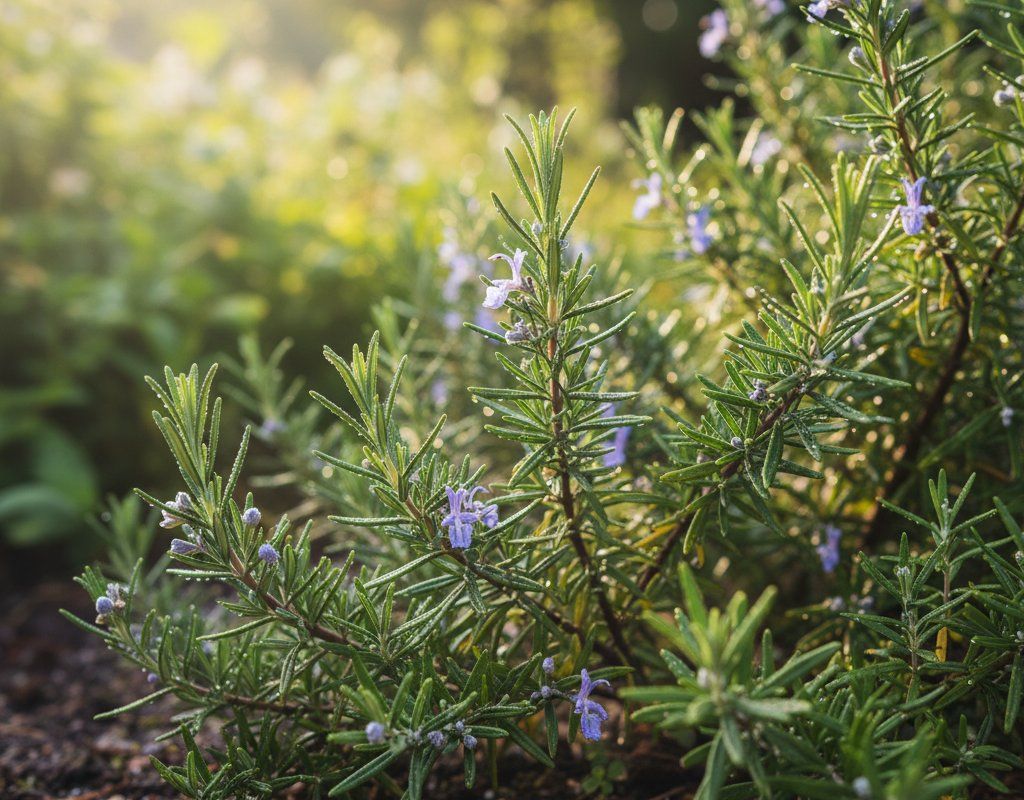
Carrots pair beautifully with several crops that thrive in our Midwest conditions. Lettuce makes an excellent companion since it matures quickly and provides living mulch around slower-developing carrot seedlings, helping retain the consistent moisture carrots need. Onions planted nearby confuse carrot rust flies with their strong scent while taking up minimal garden space. Tomatoes and carrots grow well together since tomatoes' deep roots don't compete with carrot taproots, and both crops appreciate consistent watering schedules. Rosemary planted at row ends helps repel carrot flies while thriving in our summer heat.
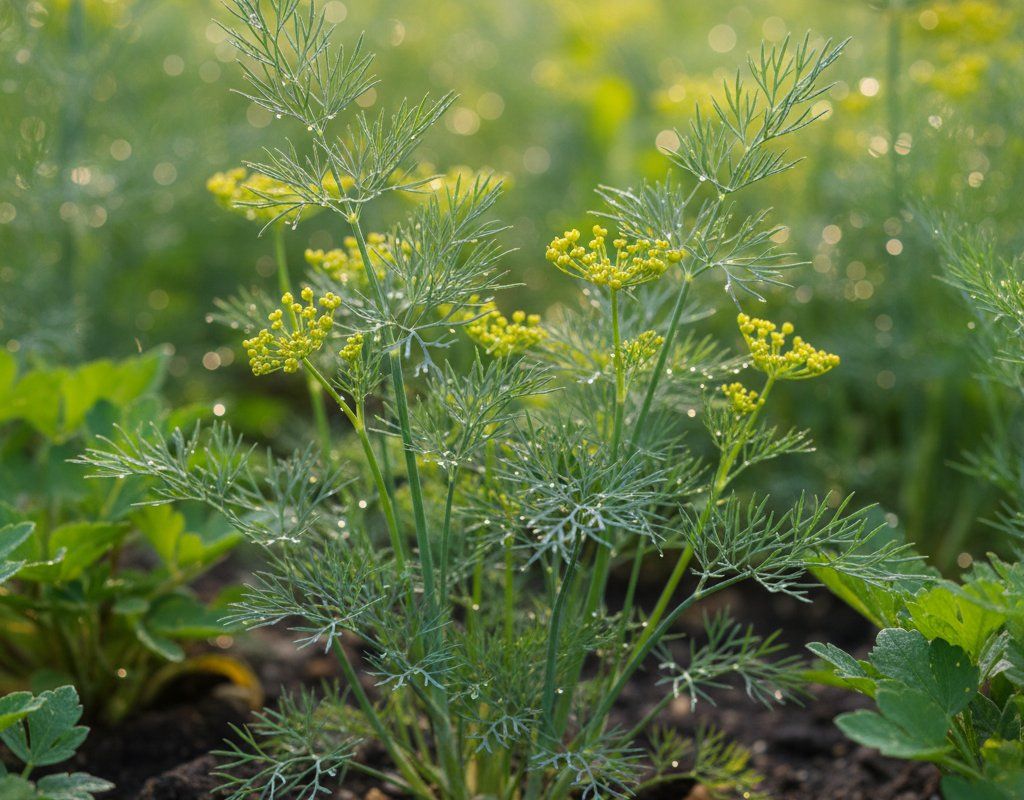
Avoid planting carrots near dill, as it can actually attract carrot rust flies and cross-pollinate with carrots if allowed to go to seed. Parsnips should be kept separate since they're in the same family and compete for the same soil nutrients while potentially sharing pest problems. Both crops also have similar harvest timing, making garden space management more challenging in our relatively short growing season.
🌸Best Flowers to Plant with Carrot
These flowers protect your Carrot from pests and attract pollinators for better harvests.


Get a Reminder When It's Time to Plant
We'll email you when key planting windows open for your zone.