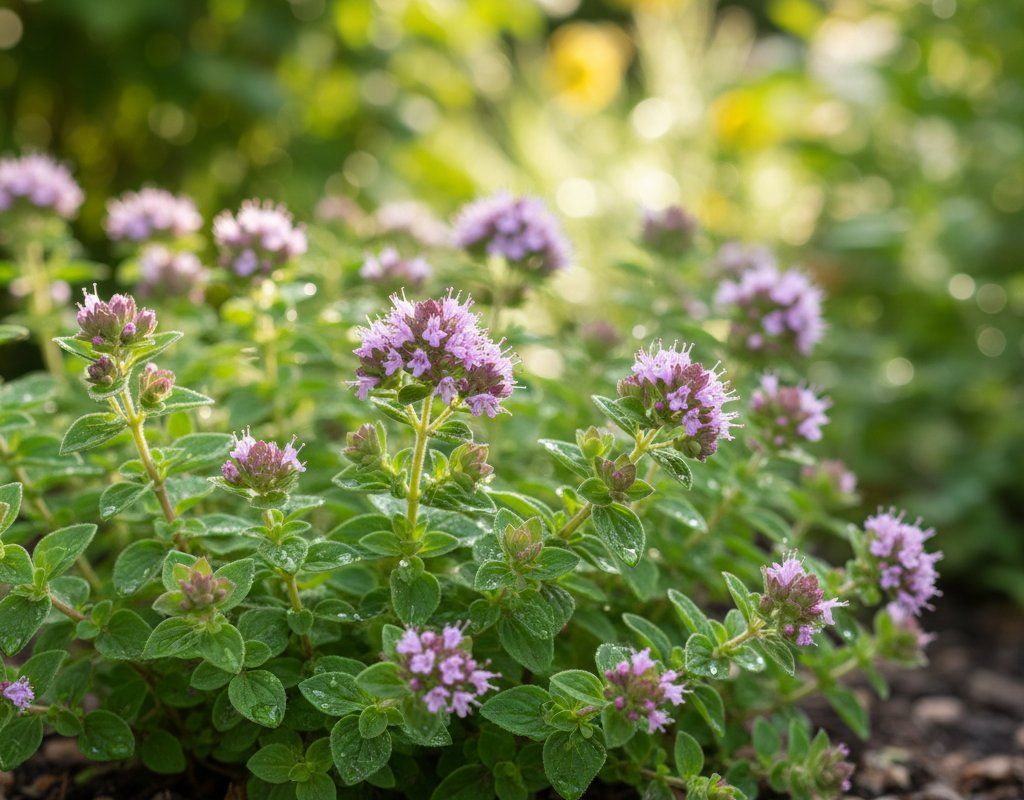
Oregano in Zone 10B — Desert Southwest
Origanum vulgare · Your Complete 2026 Planting Guide
Harvest Time!
Your Oregano should be producing now!
Harvest Tips
Harvest in the morning after dew dries for the best flavor.
How to Plant Oregano in Zone 10B — Desert Southwest
Here are all your options for getting oregano in the ground, from the easiest method to more advanced approaches.
Buy Starts
RecommendedMid January through late February
around January 15
Plant purchased starts after last frost (January 15).
Easy from seed but slow. Starts give faster results.
Start Seeds Indoors
Works WellMid November through early December
around November 20
Then transplant: Mid January through late February
Start seeds 8-10 weeks before transplanting outdoors.
Direct Sow Seeds
Works WellMid January through early November
around January 15
Consider succession planting every 2-3 weeks for continuous harvest.
Transplant Outdoors
Timing InfoMid January through late February
around January 15
Can tolerate light frost, but wait for soil to be workable.
You have a nice window — no need to rush.
Overview
Oregano thrives in our Desert Southwest conditions, making it one of the most rewarding herbs for Zone 10B gardeners. This hardy perennial loves our alkaline soil and low humidity, producing intensely flavorful leaves that put store-bought oregano to shame. The plant's natural drought tolerance means it actually performs better here than in wetter climates, developing concentrated essential oils that give your cooking authentic Mediterranean flavor.
Our extreme heat and long growing season of 349 days present unique challenges, but oregano's tough nature handles our conditions well. The key is timing your plantings to avoid the brutal summer months and taking advantage of our mild winters when this herb really shines. With proper placement and minimal water, you'll have fresh oregano year-round.
Starting Seeds Indoors
Starting oregano seeds indoors makes sense if you want precise timing or live in an area with particularly harsh microclimates. Plant seeds in mid-November through early December, about 8 weeks before your planned transplant date in late winter. Use standard seed trays with well-draining potting mix, and keep them in a warm spot around 70°F.
Bottom watering works best for oregano seedlings since they're prone to damping off if water sits on the leaves. Place seed trays in shallow dishes and add water to the dish, letting the soil absorb moisture from below. Our very early spring character means you'll want these seedlings ready to go outdoors by mid to late January.
Keep in mind that oregano grows slowly from seed, so many Desert Southwest gardeners prefer buying transplants for quicker results. If you do start indoors, provide bright light once seeds germinate, either from a south-facing window or grow lights.
Transplanting Outdoors
Transplant oregano outdoors from mid-January through late February when our mild winter weather provides perfect growing conditions. Before moving seedlings outside permanently, harden them off over one week by gradually increasing their outdoor exposure time. Start with 2-3 hours of morning sun, then extend to full days by week's end.
Space transplants 12-18 inches apart to allow for their spreading growth habit. Our winter temperatures rarely threaten established oregano, but watch for those occasional temperature swings that can stress young plants. Choose a location with excellent drainage since winter moisture combined with heavy soil creates root rot conditions.
Plant transplants slightly higher than surrounding soil level to improve drainage. This technique works especially well if you're dealing with caliche or clay layers that hold water. The extra height helps roots establish before our summer heat arrives.
Direct Sowing
Direct sowing oregano works well in the Desert Southwest from mid-January through early November, though spring and fall plantings perform best. Prepare soil by working in compost or sand to improve drainage, which is crucial for preventing root rot in our alkaline conditions. Seeds need soil temperatures around 65-70°F to germinate reliably.
Scatter seeds thinly over prepared soil and barely cover them, as oregano needs light to germinate. Space final plants 12-18 inches apart, thinning seedlings as they grow. Water gently with a spray setting to avoid washing away the tiny seeds, and keep soil consistently moist until germination occurs in 10-14 days.
Direct sowing in fall often produces the strongest plants since they establish during our mild winter and are ready for spring growth. Avoid summer sowings unless you can provide consistent shade and moisture, as our extreme heat stresses young seedlings severely.
Watering Oregano in Zone 10B (Desert Southwest)
Oregano's drought tolerance makes it ideal for water-conscious Desert Southwest gardening, but proper watering technique maximizes both plant health and flavor concentration. Newly planted oregano needs regular moisture for the first 4-6 weeks while roots establish, then you can back off significantly. Check soil moisture by inserting your finger 2 inches deep – water only when dry at that depth.
Established oregano typically needs about 1 inch of water per week during active growth periods, less during our mild winters. Water deeply at the base of plants rather than overhead, since our arid conditions mean surface moisture evaporates quickly anyway. This deep watering encourages strong root development that helps plants survive our extreme summer heat.
During summer survival mode, increase watering frequency but not amount – oregano prefers drought stress over soggy roots. Overwatered oregano produces bland, less aromatic leaves since excess moisture dilutes essential oils. Watch for yellowing lower leaves (overwatering) versus crispy leaf edges (underwatering), though oregano tolerates dry conditions far better than wet ones.
Apply 2-3 inches of gravel mulch around plants to conserve moisture while providing the excellent drainage oregano requires. Organic mulches can hold too much moisture against stems in our monsoon season, potentially causing rot issues.
Pruning & Maintaining Oregano
Oregano requires minimal pruning but benefits from strategic cutting to maintain plant vigor and leaf quality. Pinch flower buds as they appear to keep energy focused on leaf production, since flowering reduces the essential oil concentration that gives oregano its flavor. Regular harvesting of sprigs naturally keeps plants bushy and productive.
Cut plants back by about one-third in midsummer to prevent them from getting leggy and to encourage fresh growth before fall's second growing season. This timing works well with our extreme heat period, giving plants a chance to recover during slightly cooler late summer weather. Make cuts just above leaf pairs to encourage branching.
In late fall, around mid-November, cut oregano back to 2-3 inches above ground level to prepare for winter dormancy. Don't worry about being too aggressive – oregano is extremely hardy and will bounce back vigorously in spring. This hard pruning also removes any summer-stressed growth and promotes healthy winter regrowth.
🧪Fertilizing Oregano
Feeding Schedule
Organic Fertilizer Options
Harvest Time
Expect your first oregano harvest from early March through early January, with plants reaching harvestable size about 45 days after transplanting. Begin cutting sprigs once plants reach 4+ inches tall, harvesting from the outside edges and working inward. The best flavor comes just before flowers appear, when essential oil concentration peaks in the leaves.
Cut stems 4-6 inches long just above a pair of leaves, which encourages the plant to branch and produce more harvestable growth. Morning harvest after dew evaporates but before extreme heat hits gives you the most aromatic leaves. Our low humidity means harvested oregano dries quickly, concentrating flavors naturally.
Oregano provides continuous harvest throughout our long growing season, with peak production during spring and fall when temperatures moderate. During summer survival mode, harvest lightly and focus on keeping plants alive rather than maximum production. The plant's perennial nature means established oregano keeps producing for several years.
As first frost approaches in late December, harvest heavily to preserve leaves before dormancy. Cut entire stems and hang-dry them in bundles, or strip leaves and freeze them in ice cube trays with olive oil for convenient winter cooking portions.
Common Problems in Zone 10B (Desert Southwest)
Root Rot Yellowing leaves starting from the bottom up, mushy brown roots, and plants that wilt despite moist soil indicate root rot. Poor drainage combined with overwatering creates perfect conditions for fungal problems, especially common in our heavy desert soils or areas with caliche layers. Plant oregano in raised beds or mounds, improve soil drainage with sand or perlite, and water less frequently but more deeply. Once root rot sets in, it's usually fatal – prevention through proper drainage is key.
Aphids Clusters of tiny green, black, or white soft-bodied insects appear on stems and leaf undersides, often accompanied by sticky honeydew residue and curled new growth. Our warm weather allows aphid populations to explode quickly, and they're often tended by ant colonies that farm them for honeydew. Knock them off with strong water sprays daily for a week, encourage beneficial insects like ladybugs, or apply insecticidal soap for heavy infestations. Avoid excess nitrogen fertilizer which attracts aphids.
Spider Mites Fine white stippling appears on leaves along with tiny webbing on undersides and between stems, eventually turning leaves bronze or yellow. These tiny arachnids thrive in our hot, dry conditions and multiply rapidly during drought stress. Daily strong water sprays for a week provide the best control, or increase humidity around plants with gravel mulch. Neem oil works systemically, but avoid broad-spectrum pesticides that kill beneficial predatory insects.
Desert Southwest Specific Challenges Our extreme heat and arid conditions actually benefit oregano's flavor development but can stress plants during peak summer. Provide afternoon shade during our hottest months and focus on soil drainage rather than moisture retention. The alkaline soil most of us deal with suits oregano perfectly, but watch for nutrient lockup if pH gets too high above 8.0.
Best Companions for Oregano
Plant these nearby for healthier Oregano and better harvests.

Keep Away From
Companion Planting Details
Oregano makes an excellent companion for heat-loving vegetables in the Desert Southwest, particularly peppers and tomatoes which benefit from oregano's natural pest-repelling properties. Plant oregano around the edges of pepper beds where its spreading habit won't compete with shallow pepper roots, and its aromatic oils help deter aphids and spider mites. Tomatoes and oregano share similar water needs once established, making irrigation management simpler.
Squash and beans also pair well with oregano since all three handle our alkaline soil and prefer deep, infrequent watering. Oregano's low-growing habit provides living mulch around taller bean plants without competing for light. Avoid planting oregano too close to plants that need consistent moisture like lettuce or herbs that prefer rich soil, since oregano performs best under lean, dry conditions that stress other plants.
🌸Best Flowers to Plant with Oregano
These flowers protect your Oregano from pests and attract pollinators for better harvests.
For Pest Control




Get a Reminder When It's Time to Plant
We'll email you when key planting windows open for your zone.