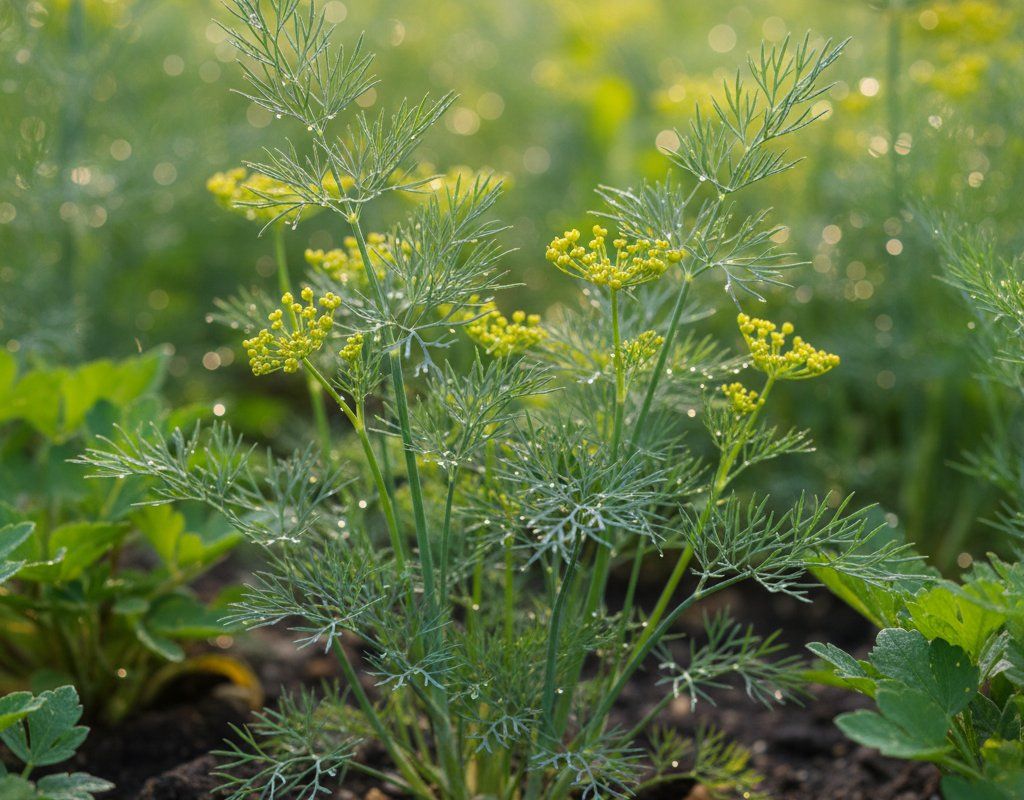
Dill in Zone 10B — Desert Southwest
Anethum graveolens · Your Complete 2026 Planting Guide
Harvest Time!
Your Dill should be producing now!
Harvest Tips
Harvest in the morning after dew dries for the best flavor.
How to Plant Dill in Zone 10B — Desert Southwest
Here are all your options for getting dill in the ground, from the easiest method to more advanced approaches.
Direct Sow Seeds
RecommendedMid January through early November
around January 15
Consider succession planting every 2-3 weeks for continuous harvest.
Dill has a taproot and prefers direct sowing, but transplants work if handled carefully.
Start Seeds Indoors
RecommendedMid December through early January
around December 25
Then transplant: Late January through early March
Start seeds 4-6 weeks before transplanting outdoors.
Buy Starts
Works WellLate January through early March
around January 22
Plant purchased starts after last frost (January 15).
Transplant Outdoors
Timing InfoLate January through early March
around January 22
Can tolerate light frost, but wait for soil to be workable.
You have a nice window — no need to rush.
Fall Planting
Early November through early December
November 18 ideal · Direct sow for fall harvest
Plant a second crop in mid-summer for fall harvest. Dill actually prefers the cooling temperatures of fall.
Overview
Dill transforms from a simple herb to a Desert Southwest gardening essential once you discover its crisp, bright flavor elevating everything from pickled vegetables to roasted winter squash. In our Zone 10B climate, dill thrives during our mild winters when most other regions are dormant, giving us fresh herbs when they're most needed for hearty soups and preserved foods. The feathery foliage adds delicate texture to your winter garden beds, and you'll find yourself succession planting every few weeks once you taste the difference between fresh dill and the dried stuff from the store.
Our extreme heat and arid conditions make dill challenging during summer months, but timing is everything in desert gardening. With our 349-day growing season, you have two excellent windows for growing dill—our extended fall season and early spring warmth—avoiding the brutal summer heat that causes immediate bolting. Plant during the right windows, and dill becomes one of the most reliable herbs in your Desert Southwest garden.
Starting Seeds Indoors
Starting dill seeds indoors makes sense when you want precise timing or plan to grow during our very-early spring season. Sow seeds in mid-December through early January, about four weeks before your planned transplant date. Use standard seed trays with good drainage, and keep them in a warm spot around 65-70°F for optimal germination.
Dill seeds benefit from bottom watering to prevent the delicate seedlings from damping off in our dry indoor air. Place seed trays in shallow pans of water and let them absorb moisture from below. Your indoor setup should include grow lights or a bright south-facing window, as our winter sun angle can be insufficient for strong seedling growth.
Since dill develops a taproot quickly, transplant while seedlings are still small to minimize root disturbance. The indoor start method works well if you're planning a precise succession planting schedule or want to maximize your early spring growing window.
Transplanting Outdoors
Transplant your dill seedlings outdoors from late January through early March, when our winter temperatures stabilize above freezing consistently. Even though dill handles frost well, our Desert Southwest spring arrives fast, and you want plants established before the heat hits. Start hardening off seedlings about a week before transplanting by gradually exposing them to outdoor conditions for longer periods each day.
Space transplants 12 inches apart to allow good air circulation in our arid climate—overcrowded plants stress more easily during temperature swings. Handle the root systems gently since dill's taproot doesn't appreciate disturbance. Plant on a calm day to reduce transplant shock, and water immediately after planting.
Our early spring weather can shift quickly from cool mornings to warm afternoons, so monitor transplants closely for the first week. A light shade cloth during the warmest part of the day helps newly transplanted dill adjust without stress.
Direct Sowing
Direct sowing works excellently for dill in our Desert Southwest climate, and many gardeners find it more reliable than transplanting. Sow seeds from mid-January through early November, avoiding only our most extreme summer heat period. Direct-sown dill develops stronger taproots and handles our temperature fluctuations better than transplanted seedlings.
Prepare your soil by loosening it to about 8 inches deep—dill's taproot needs room to establish properly. Our alkaline soils work fine for dill, though adding some compost improves drainage and provides nutrients. Sow seeds about a quarter-inch deep and space them 12 inches apart, or plant closer and thin as needed.
The main advantage of direct sowing is avoiding transplant shock, which can cause premature bolting in our climate. Seeds germinate quickly in soil temperatures above 60°F, which we reach consistently by mid-January. For continuous harvests, succession plant every 3-4 weeks during your growing windows.
Watering Dill in Zone 10B (Desert Southwest)
Dill needs moderate but consistent moisture in our Desert Southwest climate, especially during our arid conditions with minimal natural rainfall. Check soil moisture using the finger test—stick your finger 2 inches deep, and water when the soil feels dry at that depth. During our mild winter growing season, plan on about 1 inch of water per week through deep, infrequent irrigation.
Water at the base of plants rather than overhead to reduce water loss from evaporation and prevent potential fungal issues. Our low humidity means plants transpire quickly, so maintaining consistent soil moisture becomes critical for preventing stress-induced bolting. Mulch around plants with a thin layer of compost or shredded leaves to retain moisture and moderate soil temperature.
During our monsoon season, adjust watering based on natural rainfall, but remember that our intense summer heat makes dill nearly impossible to grow successfully regardless of water. Focus your dill growing during fall through early spring when moderate watering actually supports healthy growth rather than fighting extreme conditions.
Watch for signs of water stress—wilting during cooler parts of the day indicates underwatering, while yellowing lower leaves often signals overwatering. In our climate, underwatering typically causes faster bolting than overwatering, so err on the side of consistent moisture during the growing season.
🧪Fertilizing Dill
Feeding Schedule
Organic Fertilizer Options
Harvest Time
Your first dill harvest begins in late February through early January, approximately 40 days from seeding depending on growing conditions and variety. Start harvesting the feathery foliage anytime the plants reach 6 inches tall—regular cutting actually encourages more leaf production and delays flowering. Cut stems about 2 inches above soil level to allow the plant to regrow from the base.
For fresh leaves, harvest in the morning after the dew dries but before afternoon heat sets in. The essential oils that give dill its distinctive flavor are strongest during cooler parts of the day. You can continuously harvest leaves throughout the growing season, but stop cutting once flower heads begin forming if you want to collect dill seeds.
To harvest dill seeds, wait until the flower heads turn brown and dry on the plant. Place a paper bag over the seed head and shake gently—mature seeds will fall into the bag easily. This timing usually occurs 2-3 months after initial planting, making seed collection possible during both our fall and spring growing seasons.
As your first frost approaches in late December, harvest remaining plants entirely and preserve the leaves by freezing or drying. Unlike some herbs, dill doesn't overwinter reliably even in our mild Zone 10B climate, so treat it as an annual crop and replant for the next growing season.
Common Problems in Zone 10B (Desert Southwest)
Bolting appears as your dill plant suddenly sending up tall flower stalks while the leaves become bitter and lose their delicate texture. You'll notice the foliage changing from feathery and bright green to coarser and less flavorful as the plant shifts energy to flower and seed production. In our Desert Southwest climate, bolting happens rapidly once triggered, often within days of the first flower stalk appearance.
Heat stress and inconsistent watering cause most bolting issues in our region. Our extreme temperature swings—cool mornings followed by afternoon heat even during winter—stress plants quickly. Provide afternoon shade during warmer periods and maintain consistent soil moisture through deep, regular watering. Plant at the right time for your growing season, avoiding late spring plantings that mature during increasing heat.
Aphids show up as clusters of tiny green, black, or white soft-bodied insects congregating on new growth and stem undersides. You'll see curled or distorted leaves, plus a sticky honeydew residue that attracts ants. Our warm winter temperatures and low humidity create perfect conditions for aphid population explosions, especially on tender dill foliage.
These sap-sucking pests reproduce rapidly in temperatures above 65°F, which we experience frequently even in winter. Combat them with strong water sprays in the morning, allowing plants to dry before evening. Encourage natural predators like ladybugs and lacewings by planting diverse flowers nearby. For heavy infestations, insecticidal soap works well, and neem oil provides systemic control.
Caterpillars, particularly parsleyworms (swallowtail butterfly larvae), can strip dill plants quickly despite their small size. You'll find large green caterpillars with black stripes and yellow spots munching through foliage, leaving behind chewed stems and frass droppings. While these caterpillars become beautiful butterflies, they can destroy small dill plantings overnight.
Hand-picking works effectively for small gardens—check plants in early morning or evening when caterpillars are most active. Bt (Bacillus thuringiensis) provides organic control for larger infestations. Consider planting extra dill to share with butterfly larvae, or relocate caterpillars to wild fennel or other suitable host plants away from your harvest area.
Desert Southwest Specific Challenges: Our extreme heat, alkaline soils, and arid conditions create unique growing challenges for dill. The rapid temperature changes typical of desert climates trigger bolting faster than gradual seasonal warming in other regions. Plan shorter growing seasons, provide afternoon shade during warmer periods, and focus on fall through early spring cultivation when our climate advantages support successful herb gardening.
Best Companions for Dill
Plant these nearby for healthier Dill and better harvests.


Keep Away From
Companion Planting Details
Dill pairs excellently with cool-season crops that share similar growing windows in our Desert Southwest climate. Plant it near cabbage family members—the dill's strong scent helps deter cabbage worms and other pests, while the cabbage provides some afternoon shade for the dill during warmer days. Cucumbers and dill make classic companions both in the garden and kitchen, with dill flowers attracting beneficial insects that help with cucumber pollination.
Lettuce and other leafy greens work well planted between dill plants since they mature quickly and don't compete for the same root space. Onions planted nearby help repel aphids and other soft-bodied insects that target dill's tender foliage. Avoid planting dill near carrots—they're in the same family and can cross-pollinate, affecting flavor. Tomatoes and dill also make poor companions since tomatoes prefer warmer conditions and different watering schedules than dill thrives with in our climate.
🌸Best Flowers to Plant with Dill
These flowers protect your Dill from pests and attract pollinators for better harvests.
For Pest Control




Get a Reminder When It's Time to Plant
We'll email you when key planting windows open for your zone.