
Basil in Zone 3A — Mountain West
Ocimum basilicum · Your Complete 2026 Planting Guide
Planning Ahead — Great!
You’re ahead of the season. Here’s when to start.
Mark Your Calendar
How to Plant Basil in Zone 3A — Mountain West
Here are all your options for getting basil in the ground, from the easiest method to more advanced approaches.
Direct Sow Seeds
RecommendedMid June through late July
around June 15
Direct sow as soon as conditions allow.
Can direct sow after soil is warm, but indoor start gives earlier harvest.
Start Seeds Indoors
RecommendedLate April through mid May
around May 4
Then transplant: Mid June through late July
Start seeds 6-8 weeks before transplanting outdoors.
Buy Starts
Works WellMid June through late July
around June 15
Plant purchased starts after last frost (June 1).
Basil starts are widely available and inexpensive.
Transplant Outdoors
Timing InfoMid June through late July
around June 15
Wait until nighttime temperatures stay above 50°F.
You have a nice window — no need to rush.
Overview
Basil transforms any Mountain West garden into a fragrant paradise that rivals the best Italian countryside. At our altitude, the intense sunlight develops incredible essential oils in basil leaves, creating flavors so concentrated they'll make store-bought herbs seem like shadows. You'll harvest enough from just a few plants to supply your kitchen with fresh pesto, caprese salads, and aromatic cooking herbs all summer long.
Our short 96-day growing season and cool nights might seem challenging for this heat-loving herb, but basil actually thrives here with proper timing. The key is working with our late spring start and protecting plants from those unexpected temperature swings that catch many Mountain gardeners off guard. Once established after our mid-June frost danger passes, basil produces abundantly until that first September freeze arrives.
Starting Seeds Indoors
Starting basil indoors makes sense if you want the earliest possible harvest, though it's not essential since quality starts are widely available at local nurseries. Start seeds from late April through mid-May, about six weeks before your planned transplant date. Our late springs mean indoor starting gives you a real advantage in maximizing your short growing season.
Set up seed trays in a warm spot with good light—a south-facing window or grow lights work well. Keep soil consistently moist using bottom watering to prevent damping off, which basil seedlings are prone to in our dry indoor air. The seeds need warmth to germinate properly, so consider using a heat mat if your house runs cool.
Once seedlings develop their first true leaves, they'll need strong light to prevent getting leggy. Our intense Mountain sun will shock indoor-grown seedlings, so plan for a gradual hardening process before transplanting outside.
Transplanting Outdoors
Transplant your basil starts outdoors from mid-June through late July, once nighttime temperatures consistently stay above 45°F. At our altitude, even summer nights can dip surprisingly low, and basil will sulk or even die if exposed to those cool Mountain evenings too early in the season.
Harden off plants gradually over a full week, starting with just an hour of morning sun and slowly increasing exposure. Our intense UV can scorch tender leaves that haven't adapted to Mountain conditions. Space plants 12-18 inches apart to allow for good air circulation—important in our low humidity environment.
Choose a spot with morning sun protection if possible, as young transplants can struggle with the immediate blast of our high-altitude sunlight. Local nurseries typically stock healthy basil starts throughout June and July, making this the most reliable method for Mountain gardeners who want guaranteed success.
Direct Sowing
Direct sowing basil works well from mid-June through late July, once soil temperatures reach at least 60°F consistently. This method actually produces stronger plants that are better adapted to our intense sun and temperature fluctuations, though you'll get a later first harvest compared to transplants.
Prepare your soil by working in compost to improve drainage—basil hates wet feet, especially important in our clay-heavy alkaline soils. Sow seeds about ¼ inch deep and keep soil consistently moist until germination, which takes 7-14 days in our dry climate. You might need to water twice daily during hot spells to prevent the soil surface from crusting over.
Thin seedlings to 12-18 inches apart once they develop true leaves. Direct-sown plants often outperform transplants by midsummer since they develop stronger root systems adapted to our specific growing conditions. The trade-off is waiting an extra 3-4 weeks for that first harvest.
Watering Basil in Zone 3A (Mountain West)
Basil needs consistent moisture but never soggy soil—a delicate balance in our dry Mountain climate. The key is deep, infrequent watering rather than daily sprinkles. Most established plants need about 1-1.5 inches per week, which means supplemental irrigation since we only get 10-20 inches of annual rainfall.
Use the finger test religiously: stick your finger 2 inches into soil near the plant base. If it's dry at that depth, it's time to water. Basil will dramatically wilt when thirsty, but recovers quickly with a good drink. Never use ice-cold water straight from the hose—fill watering cans in the morning and let water warm to air temperature before applying.
Water at the base rather than overhead to prevent leaf diseases, especially important given our low humidity that can make overhead watering less effective anyway. Our intense sun evaporates surface moisture quickly, so water early morning or evening to maximize absorption.
Apply a thin layer of organic mulch around plants to conserve moisture and moderate soil temperature swings. In our alkaline soils, avoid bark-based mulches that can further raise pH—straw or grass clippings work better for basil.
Pruning & Maintaining Basil
Pinch off flower buds the moment they appear—flowering makes basil leaves bitter and signals the plant to stop producing tender foliage. Check plants every few days during peak growing season since our intense sunlight can trigger rapid flowering. Those small white flower spikes might look innocent, but they'll ruin your harvest if left alone.
Harvest from the top of stems, always cutting just above a pair of leaves to encourage branching. This pinching technique creates bushy plants that produce more harvestable leaves throughout our short season. Start this process once plants have 3-4 sets of true leaves.
As our first frost approaches in early September, you can let plants flower to collect seeds for next year, or harvest the entire plant for preserving. The cool nights that signal season's end actually concentrate flavors in the remaining leaves, making your final harvest especially potent.
🧪Fertilizing Basil
Feeding Schedule
Organic Fertilizer Options
Harvest Time
Your first basil harvest comes surprisingly early—typically mid-July if you transplanted in mid-June, or early August for direct-sown plants. Once plants develop 3-4 sets of true leaves, you can start snipping individual leaves or small sprigs as needed. The intense Mountain sunlight means flavors develop quickly in young plants.
Always cut stems just above a leaf pair to encourage branching and continued production. Never harvest more than one-third of the plant at once, or you'll stress it during our already-short growing season. Morning harvest gives you the most aromatic leaves, as essential oils concentrate overnight during our cool Mountain nights.
Regular harvesting actually increases production—the more you cut (properly), the more the plant produces. Focus on the newest growth at branch tips, which has the best flavor and texture. Older leaves near the base become tougher and less flavorful as the season progresses.
With our first frost arriving around early September, plan your final harvest strategy by late August. You can cut entire plants and hang them to dry, or make a big batch of pesto to freeze. Those last few weeks often produce the most intensely flavored leaves as cool nights stress the plants slightly.
Common Problems in Zone 3A (Mountain West)
Downy Mildew Yellow patches appear on leaf tops with fuzzy gray-purple growth on undersides, starting from the bottom up. In our low humidity climate, this fungal problem typically strikes during those rare periods of high moisture or when overhead watering creates humid microclimates around plants.
The oomycete pathogen spreads through wind-carried spores and thrives in cool, damp conditions. Our intense UV actually helps suppress this disease compared to more humid regions. Remove affected leaves immediately and improve air circulation by proper spacing. Always water at the base, never overhead, and consider copper-based fungicides for prevention if the problem persists.
Fusarium Wilt One side of the plant wilts first, then spreads to the entire plant. You'll see yellowing leaves starting on one side and brown streaks inside stems when cut open. This soil-borne fungus persists for years and enters through root damage—common in our rocky, alkaline soils that can stress plant roots.
No cure exists once infection starts, so remove and destroy affected plants immediately. Our alkaline soil actually helps prevent fusarium since raising pH above 6.5 inhibits the fungus. Rotate basil to different garden areas each year and avoid planting where tomatoes or other nightshades showed similar symptoms.
Aphids Clusters of tiny green, black, or white soft-bodied insects gather on stems and leaf undersides, leaving sticky honeydew residue. New growth becomes curled and distorted. These sap-suckers multiply rapidly in warm weather, though our low humidity and intense sun somewhat limit their spread compared to more temperate regions.
Blast them off with strong water spray early in infestations. Our altitude supports fewer natural predators, so encourage ladybugs and lacewings by planting diverse flowers nearby. Insecticidal soap works well for heavier infestations, and neem oil provides systemic protection. Avoid over-fertilizing with nitrogen, which creates tender growth that attracts aphids.
Mountain West Specific Challenges Our intense UV can stress basil leaves, making them more susceptible to problems, while sudden hail can create wounds that invite disease. The combination of alkaline soil and low humidity creates unique growing conditions that most gardening advice doesn't address—focus on consistent soil moisture and wind protection rather than worrying about the high humidity diseases that plague other regions.
Best Companions for Basil
Plant these nearby for healthier Basil and better harvests.
Keep Away From
Companion Planting Details
Plant basil near tomatoes and peppers for natural pest control and improved flavors—the aromatic oils in basil help repel aphids, whiteflies, and hornworms that commonly attack nightshades in our Mountain gardens. This classic Mediterranean combination also makes harvest convenient since these heat-lovers all thrive in the same warm, sunny spots and have similar watering needs in our dry climate.
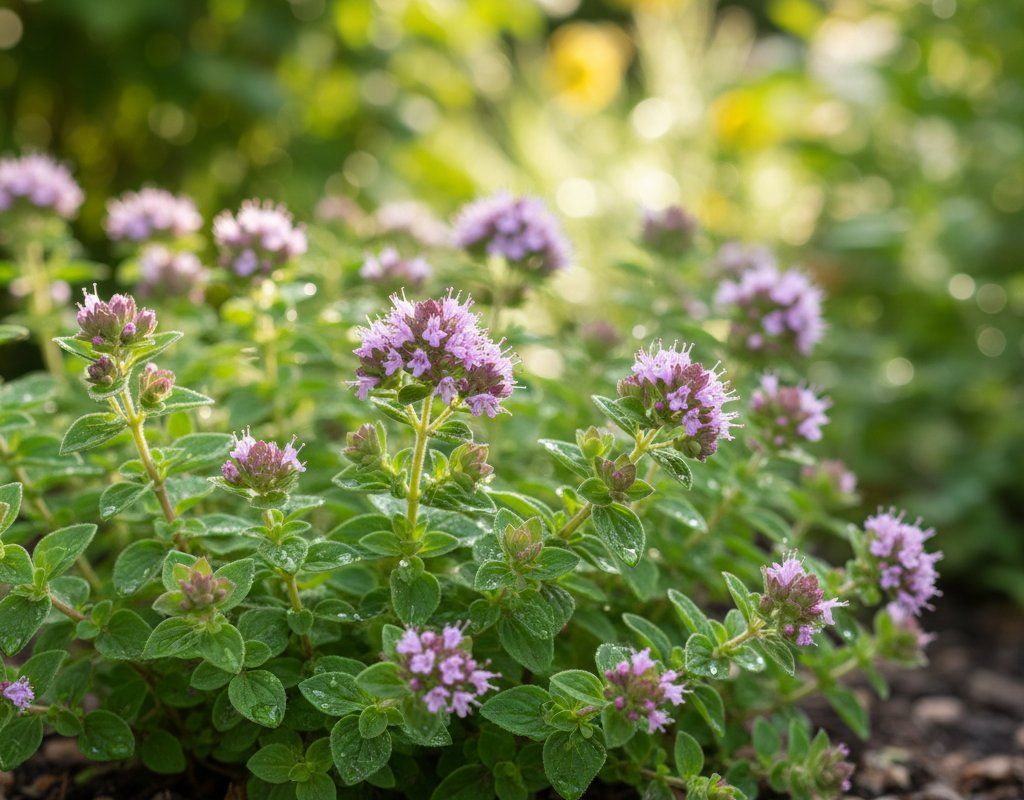
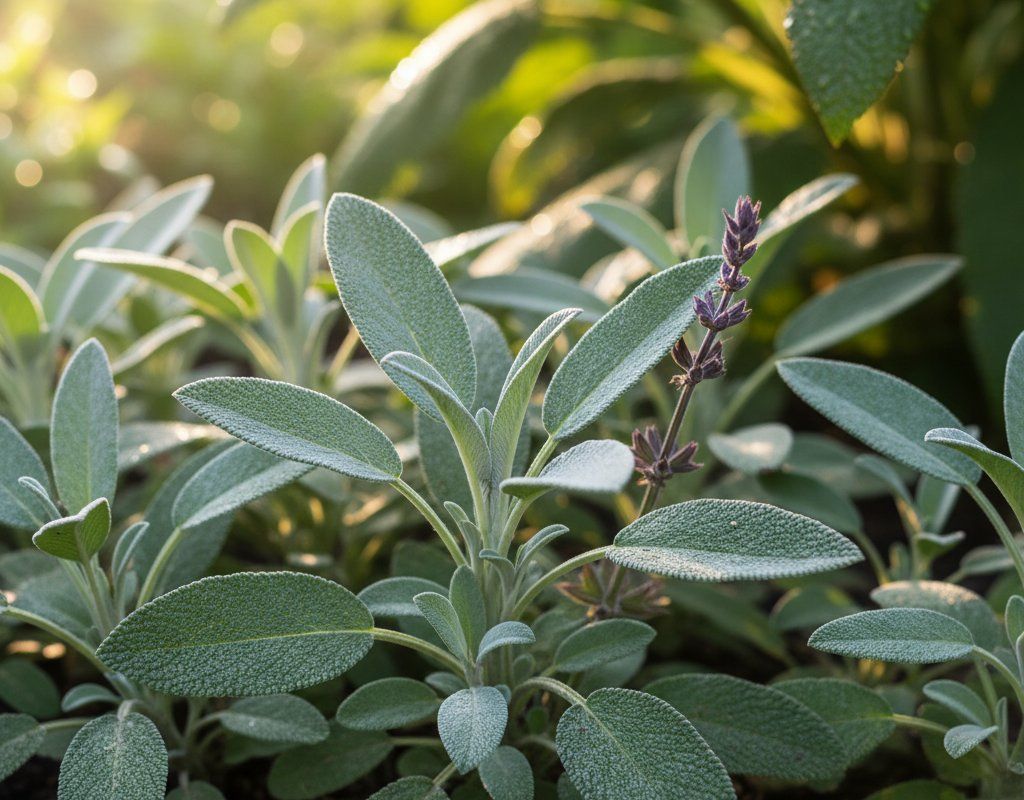
Oregano makes another excellent companion, creating a fragrant herb section that benefits from similar growing conditions and harvest timing. Avoid planting basil near sage or rue, which can inhibit basil's growth through allelopathic compounds. In our intense sun and alkaline soil, these competitive relationships become more pronounced, so stick with proven friendly combinations that support each other rather than compete for resources.
🌸Best Flowers to Plant with Basil
These flowers protect your Basil from pests and attract pollinators for better harvests.
For Pest Control




Get a Reminder When It's Time to Plant
We'll email you when key planting windows open for your zone.