
Basil in Zone 4B — Great Plains
Ocimum basilicum · Your Complete 2026 Planting Guide
Planning Ahead — Great!
You’re ahead of the season. Here’s when to start.
Mark Your Calendar
How to Plant Basil in Zone 4B — Great Plains
Here are all your options for getting basil in the ground, from the easiest method to more advanced approaches.
Direct Sow Seeds
RecommendedMid May through mid August
around May 19
Consider succession planting every 2-3 weeks for continuous harvest.
Can direct sow after soil is warm, but indoor start gives earlier harvest.
Start Seeds Indoors
RecommendedLate March through late April
around April 7
Then transplant: Mid May through late June
Start seeds 6-8 weeks before transplanting outdoors.
Buy Starts
Works WellMid May through late June
around May 19
Plant purchased starts after last frost (May 5).
Basil starts are widely available and inexpensive.
Transplant Outdoors
Timing InfoMid May through late June
around May 19
Wait until nighttime temperatures stay above 50°F.
You have a nice window — no need to rush.
Overview
Fresh basil transforms your Plains kitchen with its unmistakable aroma and flavor that no dried herb can match. In our Zone 4B climate, basil thrives during our intense summer sunshine, producing abundant harvests from mid-June through early October. The low disease pressure here means you'll have fewer pest problems than gardeners in humid regions, and your basil will develop concentrated flavors under our bright prairie skies.
Our 149-day growing season gives you plenty of time to enjoy multiple harvests, though basil's tender nature means timing matters with our variable spring weather and early fall frosts. The key is working with our temperature swings rather than fighting them – start seeds indoors when it's still cool, then transplant after soil warms consistently.
Starting Seeds Indoors
Starting basil indoors makes sense if you want the earliest possible harvest or prefer the control over germination. Begin seeds late March through late April, about 6 weeks before your planned transplant date. Our variable spring weather makes indoor starting a safer bet than direct seeding for your first crop.
Set up seed trays in a warm spot (70-75°F) with good light once seedlings emerge. Basil germinates quickly in 5-10 days but needs consistent warmth. Use bottom watering to keep soil evenly moist without creating the soggy conditions that lead to damping-off disease.
The main advantage here in the Plains is getting a jump on our relatively short season. However, basil starts are inexpensive and widely available at garden centers, so don't feel you must start from seed unless you want specific varieties.
Transplanting Outdoors
Transplant your basil seedlings outdoors from mid-May through late June, once nighttime temperatures stay consistently above 50°F. Basil is extremely cold-sensitive – even a brief dip to 40°F can damage or kill plants, so wait for stable warm weather rather than rushing.
Harden off seedlings gradually over a week, starting with 2-3 hours of morning sun and building up to full outdoor exposure. Space plants 12-18 inches apart to ensure good air circulation, which helps prevent disease in our sometimes humid summer evenings. Choose a spot with wind protection, as our constant Plains winds can stress young transplants.
Plant in well-draining soil enriched with compost. In our prairie soil, drainage is rarely an issue, but the organic matter helps retain moisture during hot spells. Water transplants deeply at planting and keep soil consistently moist for the first week while roots establish.
Direct Sowing
Direct sowing works well for basil once soil temperatures reach 65°F consistently, typically mid-May through mid-August. The advantage is avoiding transplant shock, and succession plantings every 2-3 weeks give you continuous harvests through fall. However, you'll get later harvests compared to transplants.
Prepare your planting area by working compost into the top 6 inches of soil. Sow seeds ¼ inch deep and space them 12-18 inches apart, or plant clusters of 2-3 seeds and thin to the strongest seedling. Keep soil consistently moist until germination, which takes 7-14 days depending on soil temperature.
Direct sowing works especially well for late-summer plantings when soil is already warm. A planting in early July will give you fresh basil right up to our first frost in early October, perfect for end-of-season preservation projects.
Watering Basil in Zone 4B (Great Plains)
Basil needs consistent moisture but never soggy conditions – think "evenly moist" rather than "wet." In our Plains climate with variable rainfall and hot summers, you'll need to water more frequently than gardeners in cooler, more humid regions. Plan on about 1 inch of water per week, including rainfall.
Check soil moisture using the finger test: stick your finger 2 inches down, and water when it feels dry at that depth. During our typical 93°F summer days with low-to-moderate humidity, you might need to water every 2-3 days. Always water at the base of plants rather than overhead – while our low humidity reduces disease pressure, wet foliage still invites problems.
Use room temperature water, never cold. Basil is extremely sensitive to cold water, which can shock the roots and cause temporary wilting even in well-watered soil. Collect rainwater in barrels or let hose water sit in containers to warm up before using.
Apply 2-3 inches of organic mulch around plants to conserve moisture and moderate soil temperature swings. In our windy conditions, choose heavier mulches like shredded bark rather than lightweight materials that blow around. Watch for dramatic wilting as your first sign of thirst – basil recovers quickly with water but the stress affects flavor.
Pruning & Maintaining Basil
Pinch off flower buds the moment you see them forming – flowering makes basil leaves bitter and reduces production. Look for small spikes forming at the center of branch tips, usually starting in mid to late summer as day length shortens. Remove these immediately by pinching just above the nearest set of leaves.
Harvest regularly from the top of the plant, cutting just above a pair of leaves to encourage branching. Never strip leaves from the bottom up – always work from top down, leaving the lower leaves to power continued growth. Take no more than one-third of the plant at any harvest to keep it productive.
As first frost approaches in early October, harvest heavily and consider bringing a few plants indoors in pots for winter growing. You can also let one plant go to flower and seed late in the season if you want to collect seeds for next year – just isolate it from your eating basil.
🧪Fertilizing Basil
Feeding Schedule
Organic Fertilizer Options
Harvest Time
Your first harvest begins about 30 days after transplanting or once plants have 3-4 sets of true leaves, typically mid-June for spring transplants. Cut stems just above a leaf pair rather than picking individual leaves – this encourages bushier growth and more production throughout the season.
Harvest in the morning after dew dries but before the day gets hot. Basil leaves have the strongest flavor and aroma early in the day, before the essential oils dissipate in heat. Always cut with clean scissors or pruners rather than tearing, which can damage the plant and invite disease.
Take what you need regularly rather than letting the plant get too large – frequent small harvests produce better flavor than occasional large ones. Each cut stimulates new growth, and a well-maintained plant will produce continuously from June through early October in our climate.
As first frost threatens in early October, harvest everything at once for drying, freezing, or making pesto. Basil plants die at the first touch of frost, so watch weather forecasts carefully in fall and plan your final harvest accordingly.
Common Problems in Zone 4B (Great Plains)
Downy Mildew Yellow patches appear on leaf tops with fuzzy gray-purple growth on undersides, progressing from bottom leaves upward. Our low-to-moderate humidity usually prevents this problem, but it can occur during extended periods of cool, damp weather in late summer or early fall.
Plant-specific oomycete pathogens spread via wind-carried spores and thrive in cool, humid conditions. Remove affected leaves immediately and improve air circulation around plants. Water at soil level only, never overhead, and consider copper-based fungicide sprays for prevention if the disease appears in your garden.
Fusarium Wilt One side of the plant wilts first, then the condition spreads to the entire plant. Leaves turn yellow starting on one side, and brown streaks appear inside the stem when cut open. This soil-borne fungus persists for years and enters through root systems.
Our warm prairie soils can favor fusarium development, especially in consistently moist conditions. No cure exists once plants are infected – remove and destroy affected plants immediately. Plant resistant varieties (marked with 'F' on seed packets), practice 4-year crop rotation, and maintain soil pH above 6.5 to discourage the fungus.
Aphids Clusters of tiny soft-bodied insects appear on stems and leaf undersides, leaving sticky honeydew residue and causing distorted new growth. These green, black, or white pests reproduce rapidly in warm weather and are often tended by ant colonies.
Our hot Plains summers can trigger aphid population explosions. Knock them off with strong water sprays, encourage natural predators like ladybugs, or use insecticidal soap for heavy infestations. Avoid excess nitrogen fertilizer, which creates the tender growth aphids prefer.
Great Plains Specific Challenges: Our intense sunshine and hot, windy conditions can stress basil if plants aren't adequately watered. Hail poses a constant threat during summer storms – row cover can protect plants during severe weather warnings. The combination of heat and low humidity means you'll water more frequently than gardeners in cooler or more humid regions.
Best Companions for Basil
Plant these nearby for healthier Basil and better harvests.
Keep Away From
Companion Planting Details
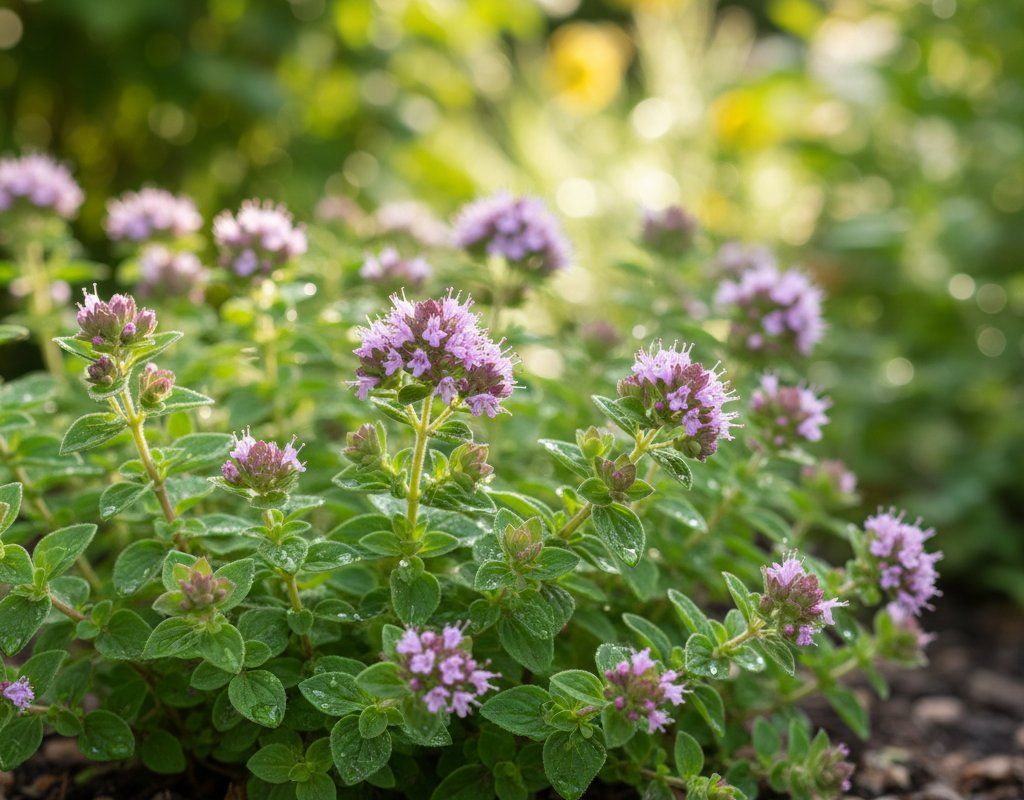
Plant basil near tomatoes and peppers – the combination isn't just culinary tradition but practical garden sense. Basil may help repel some pests that bother tomatoes, and all three crops share similar water and fertility needs, simplifying your garden management. Oregano makes another excellent neighbor, as both herbs prefer similar growing conditions and harvest timing.
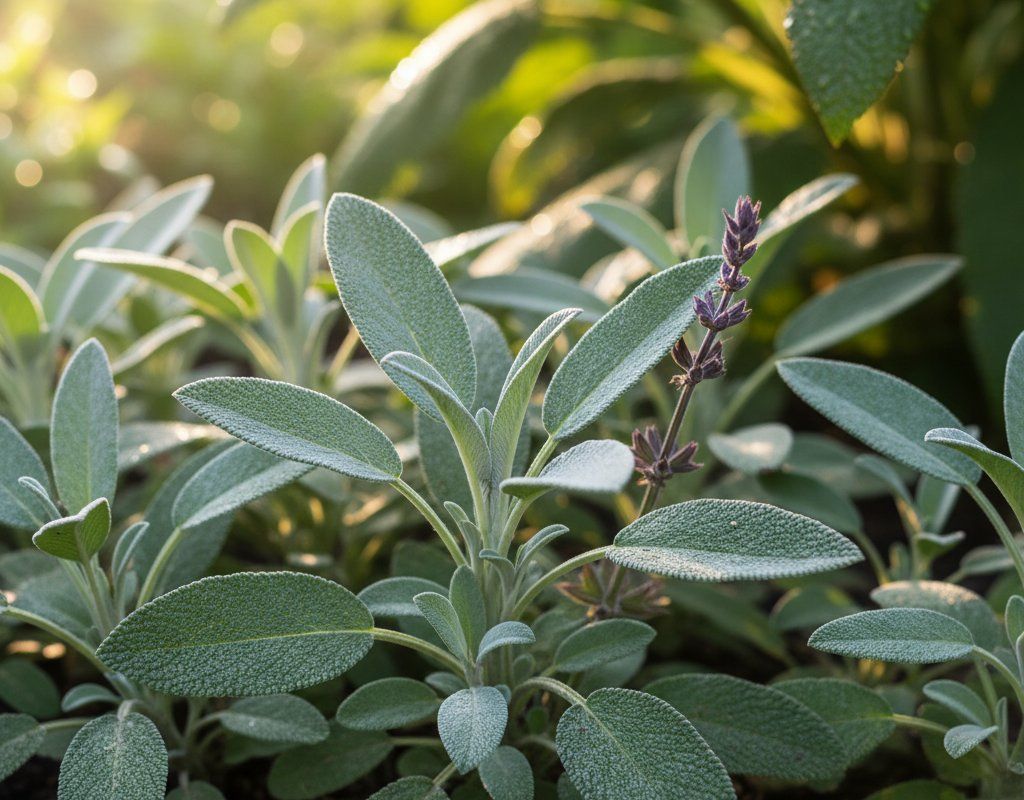
Avoid planting basil near sage or rue, which can inhibit basil's growth through natural compounds they release into the soil. In our windy Plains conditions, consider using larger companion plants like tomatoes to provide some wind protection for your basil, but ensure spacing still allows good air circulation around all plants.
🌸Best Flowers to Plant with Basil
These flowers protect your Basil from pests and attract pollinators for better harvests.
For Pest Control




Get a Reminder When It's Time to Plant
We'll email you when key planting windows open for your zone.