
Basil in Zone 7A — Desert Southwest
Ocimum basilicum · Your Complete 2026 Planting Guide
Last Call for Seed Starting!
Indoor seed starting window closes in 7 days.
Start Seeds This Week
Start seeds now for transplanting later.
Or Wait for Starts
If you don’t want to start seeds, starts will be available around April 8.
How to Plant Basil in Zone 7A — Desert Southwest
Here are all your options for getting basil in the ground, from the easiest method to more advanced approaches.
Direct Sow Seeds
RecommendedEarly April through late September
around April 8
Consider succession planting every 2-3 weeks for continuous harvest.
Can direct sow after soil is warm, but indoor start gives earlier harvest.
Start Seeds Indoors
RecommendedMid February through mid March
around February 25
Then transplant: Early April through mid May
Start seeds 6-8 weeks before transplanting outdoors.
Buy Starts
Works WellEarly April through mid May
around April 8
Plant purchased starts after last frost (March 25).
Basil starts are widely available and inexpensive.
Transplant Outdoors
Timing InfoEarly April through mid May
around April 8
Wait until nighttime temperatures stay above 50°F.
You have a nice window — no need to rush.
Overview
Basil transforms Desert Southwest kitchens with its aromatic leaves that outshine anything you'll find in stores. In our two growing seasons, you can harvest continuously from early spring through our first frost in early November, giving you months of fresh pesto, caprese salads, and Thai-inspired dishes. The intense desert sun actually concentrates basil's essential oils, creating more flavorful leaves than cooler climates produce.
Our 230-day growing season means you can enjoy fresh basil for most of the year, but the extreme heat and arid conditions require smart timing. Plant early in spring or wait for fall's second growing season, and basil will reward you with abundant harvests. The key is working with our climate patterns rather than fighting them.
Starting Seeds Indoors
Starting basil indoors makes sense if you want the earliest possible harvest, though it's not essential in our mild Desert Southwest winters. Start seeds in mid-February through mid-March, about six weeks before you plan to transplant outdoors. The timing gives you a head start on the very-early spring planting season we enjoy here.
Use seed trays with quality potting mix and keep them consistently warm - basil needs soil temperatures around 70°F to germinate well. Bottom watering works best to prevent damping off and keeps moisture levels steady without waterlogging the tiny seedlings. Place trays under grow lights or in your sunniest south-facing window.
Our mild winter conditions make indoor starting straightforward compared to colder regions, but remember that basil starts are widely available and inexpensive at local nurseries by early April. Unless you want specific varieties or enjoy the full growing process, buying starts often makes more practical sense.
Transplanting Outdoors
Transplant basil outdoors from early April through mid-May, once nighttime temperatures stay consistently above 50°F. Our very-early spring gives you a nice wide window for getting plants established before the extreme heat arrives. Space plants 12-18 inches apart to ensure good air circulation in our arid climate.
Harden off seedlings gradually over a week by exposing them to outdoor conditions for increasingly longer periods. Start with just an hour of morning sun and work up to full days. This process is especially important in the Desert Southwest since the transition from indoor conditions to our intense sun can shock tender plants.
Watch for late-season temperature swings during transplant time. Our spring weather can shift quickly, and while basil handles warm days well, it's extremely sensitive to even light frost. Keep row covers handy for unexpected cold snaps, though these become rare after mid-April in most Desert Southwest locations.
Direct Sowing
Direct sowing basil works well in the Desert Southwest from early April through late September, giving you flexibility for spring and fall plantings. Wait until soil temperatures reach at least 65°F consistently - cold soil will cause seeds to rot rather than germinate. Our long growing season means you can succession plant every few weeks for continuous harvests.
Prepare the planting area by working compost into the soil and ensuring good drainage. In areas with caliche, consider raised beds or containers. Sow seeds about ¼ inch deep and space them 12-18 inches apart, or plant more densely and thin later. Keep the soil consistently moist but not soggy during germination, which takes 7-14 days.
Direct sowing after mid-July through August can be challenging due to extreme heat, but becomes practical again in September for fall harvests. Fall-sown basil often grows more vigorously than spring plantings since it matures during our pleasant autumn weather rather than facing the summer heat stress.
Watering Basil in Zone 7A (Desert Southwest)
Basil needs consistent moisture but never soggy conditions, which makes watering strategy crucial in our arid Desert Southwest climate. During spring establishment, water deeply 2-3 times per week, providing about 1-1.5 inches total. The finger test works perfectly - stick your finger 2 inches into the soil, and if it's dry, it's time to water.
Summer watering increases dramatically due to our extreme heat and low humidity. You'll likely need to water daily once temperatures consistently hit 100°F, sometimes twice daily during peak summer. Always water at soil level rather than overhead - our arid air means foliar moisture evaporates quickly, but wet leaves in extreme heat can actually cause scalding. Use room temperature water since basil is surprisingly sensitive to cold water shock.
During monsoon season, adjust your watering schedule based on natural rainfall, but don't assume monsoon moisture is sufficient. Our brief, intense storms often run off rather than soaking in, especially on compacted soils. Monitor soil moisture levels rather than relying on recent rainfall appearances.
Basil wilts dramatically when thirsty but recovers quickly with proper watering. Under-watered plants show wilted, drooping leaves even in morning hours. Over-watered basil develops yellow, mushy leaves and stunted growth. A thin layer of organic mulch helps retain soil moisture in our dry air, but keep mulch away from plant stems to prevent fungal issues.
Pruning & Maintaining Basil
Pinch flower buds immediately as they appear to keep basil leaves tender and flavorful. Once basil flowers, the leaves become bitter and the plant stops producing new growth. Check plants every few days during active growing season, especially in late spring when longer days trigger flowering. Pinch or cut flower spikes right above the nearest leaf pair.
Harvest from the top to encourage bushy, branching growth rather than tall, spindly plants. Cut stems just above a leaf pair, and the plant will branch from that point, giving you double the harvest stems. Never take more than one-third of the plant at once - basil needs adequate foliage to photosynthesize and continue growing.
As our first frost approaches in early November, basil's growing season winds down naturally. You can harvest heavily in late October to preserve leaves for drying or pesto, since the plants won't survive frost anyway. This final harvest often provides enough basil to last through winter until next spring's planting season begins.
🧪Fertilizing Basil
Feeding Schedule
Organic Fertilizer Options
Harvest Time
Expect your first basil harvest in early May if you transplanted in early April, reaching full production by mid-May. Direct-sown basil typically provides first harvests about 30 days after planting. The long harvest window extends through early November, giving you nearly six months of fresh basil from spring plantings.
Begin harvesting once plants have 3-4 sets of true leaves, usually when they're 4-6 inches tall. Cut stems just above a leaf pair using clean scissors or your fingers - the plant will branch from that cut point and double your future harvest potential. Take stems from the top rather than pulling individual leaves, which weakens the plant.
Harvest in early morning after the dew evaporates but before the intense desert sun hits the plants. This timing ensures maximum essential oil content and prevents the wilting that occurs during our extreme afternoon heat. Fresh-cut basil wilts quickly in our arid air, so process or use it immediately after harvesting.
For continuous production, harvest regularly throughout the growing season - weekly during peak spring growth, and every few days during the milder fall months. The more you harvest (up to one-third at a time), the more the plant produces. As November frost approaches, make your final heavy harvest to preserve the season's bounty through drying, freezing, or pesto-making.
Common Problems in Zone 7A (Desert Southwest)
Downy Mildew Yellow patches appear on leaf tops with fuzzy gray-purple growth on undersides, spreading upward from the bottom of the plant. Leaves eventually brown and die, often during our milder spring or fall weather when humidity levels rise slightly. This fungal-like pathogen spreads through wind-carried spores and thrives in the cooler, more humid conditions that can occur during monsoon season or unexpected weather patterns. Remove affected leaves immediately and improve air circulation by proper spacing. Water only at soil level, never overhead, since our arid climate actually helps prevent this problem most of the year.
Fusarium Wilt Plants wilt on one side first, then spread to the entire plant, with yellowing leaves and brown streaks visible when you cut the stem open. This soil-borne fungus persists in Desert Southwest soils and enters through plant roots, especially thriving in our warm soil temperatures. Unfortunately, there's no cure once infection occurs - remove and destroy affected plants immediately. Prevention works best: choose resistant varieties marked with 'F' on seed packets, rotate planting locations yearly, and consider raising soil pH above 6.5 since our naturally alkaline soils sometimes help suppress this fungus.
Aphids Clusters of tiny green, black, or white soft-bodied insects appear on stems and leaf undersides, leaving behind sticky honeydew residue and causing new growth to curl or distort. These sap-sucking pests multiply rapidly in our warm weather, and their populations can explode during spring and fall growing seasons. Strong water sprays knock them off effectively, and encouraging beneficial insects like ladybugs helps control populations naturally. For heavy infestations, insecticidal soap works well, and neem oil provides systemic protection. Avoid excess nitrogen fertilization, which creates tender growth that attracts aphids.
Desert Southwest Specific Challenges Our extreme summer heat and intense UV radiation can cause leaf scald on basil, especially during afternoon hours when temperatures exceed 105°F. The arid conditions stress plants quickly when soil moisture drops, making consistent watering schedules essential. Monsoon humidity spikes can trigger fungal problems that rarely occur during our typical dry months, requiring extra vigilance during July through September rainfall periods.
Best Companions for Basil
Plant these nearby for healthier Basil and better harvests.
Keep Away From
Companion Planting Details
Basil pairs excellently with tomatoes and peppers in Desert Southwest gardens, creating natural pest management systems while maximizing space efficiency. The aromatic compounds in basil help repel common tomato pests like hornworms and whiteflies, while both crops share similar watering and sun requirements for our two growing seasons. Plant basil around pepper plants to potentially improve pepper flavor and provide natural pest deterrence during the long harvest period.
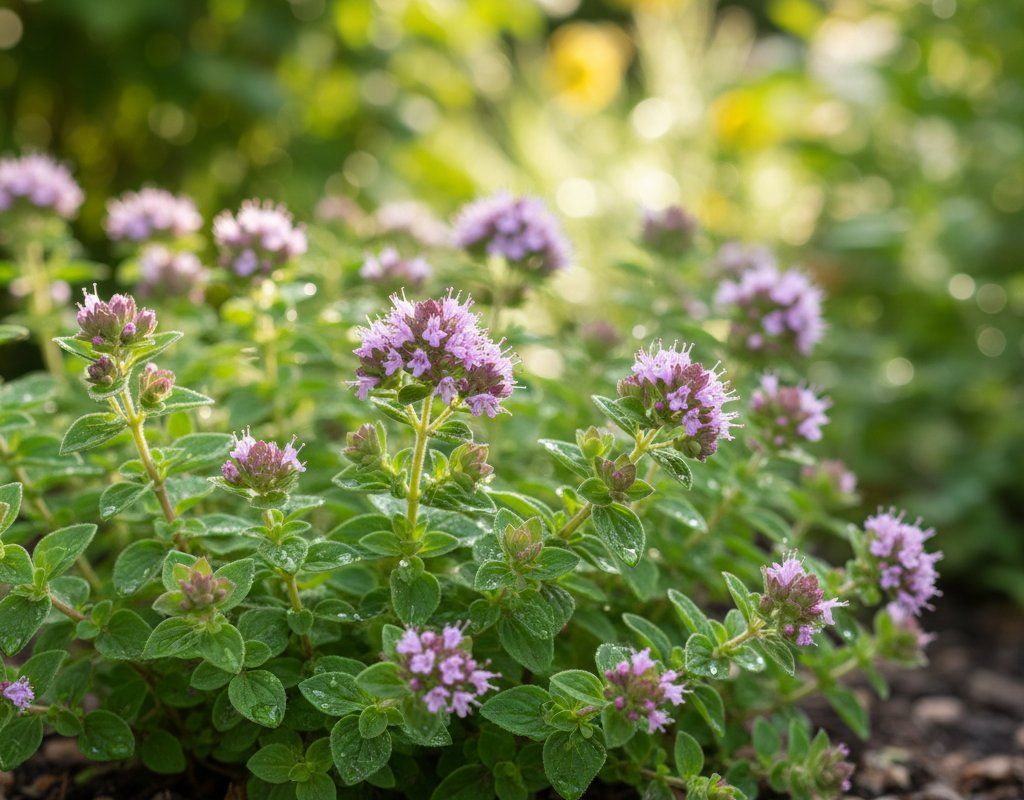
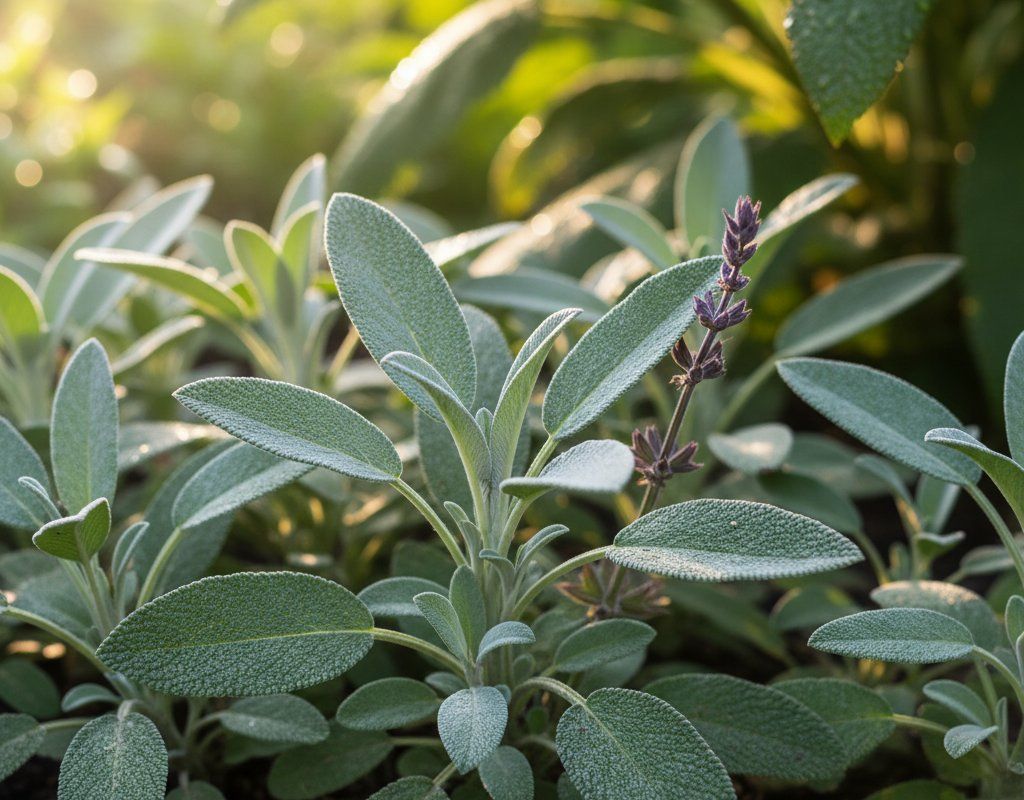
Oregano makes another excellent companion since both herbs thrive in similar conditions and their combined fragrances may help confuse pest insects. However, avoid planting basil near sage or rue, as these herbs can inhibit basil's growth through allelopathic compounds. In our intense desert conditions, companion planting also provides beneficial microclimates - larger pepper or tomato plants can offer afternoon shade protection for basil during extreme summer heat.
🌸Best Flowers to Plant with Basil
These flowers protect your Basil from pests and attract pollinators for better harvests.
For Pest Control




Get a Reminder When It's Time to Plant
We'll email you when key planting windows open for your zone.