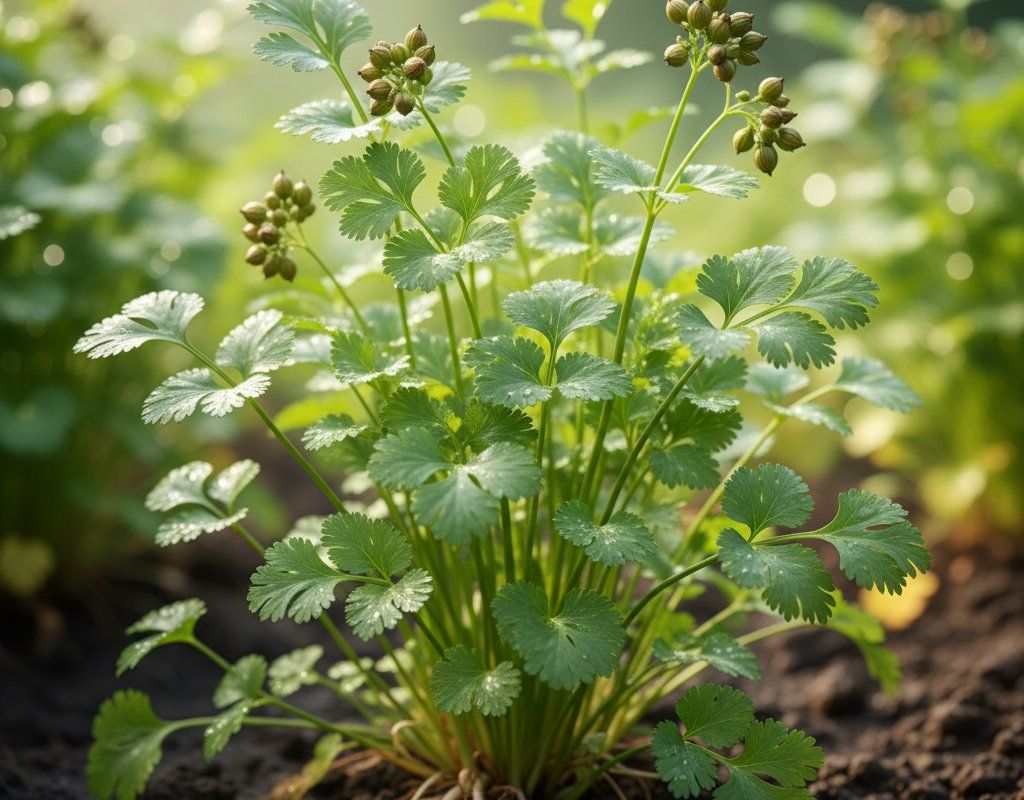
Cilantro in Zone 7A — Northern California
Coriandrum sativum · Your Complete 2026 Planting Guide
Last Call for Seed Starting!
Indoor seed starting window closes in 2 days.
Start Seeds This Week
Start seeds now for transplanting later.
Or Wait for Starts
If you don’t want to start seeds, starts will be available around March 20.
How to Plant Cilantro in Zone 7A — Northern California
Here are all your options for getting cilantro in the ground, from the easiest method to more advanced approaches.
Direct Sow Seeds
RecommendedEarly March through mid September
around March 6
Consider succession planting every 2-3 weeks for continuous harvest.
Cilantro bolts quickly in heat. Direct sow in cool weather for best results.
Start Seeds Indoors
RecommendedMid February through early March
around February 20
Then transplant: Mid March through early May
Start seeds 4-6 weeks before transplanting outdoors.
Buy Starts
Works WellMid March through early May
around March 20
Plant purchased starts after last frost (March 20).
Transplant Outdoors
Timing InfoMid March through early May
around March 20
Can tolerate light frost, but wait for soil to be workable.
You have a nice window — no need to rush.
Fall Planting
Mid September through mid October
September 29 ideal · Direct sow for fall harvest
Plant a second crop in mid-summer for fall harvest. Cilantro actually prefers the cooling temperatures of fall.
Overview
Cilantro thrives in our Northern California Mediterranean climate, offering fresh, bright flavor that store-bought bunches simply can't match. With our long 235-day growing season and mild winters, you can enjoy continuous harvests from early spring through late fall by succession planting every few weeks. The herb's cooling properties make it perfect for our warm summers, and it pairs beautifully with the peppers, tomatoes, and beans that flourish in our climate.
While cilantro can be fussy about heat and tends to bolt quickly during our dry summers, strategic timing and placement make it completely manageable. Your microclimates work to your advantage here – plant in morning sun with afternoon shade during warmer months, or take advantage of coastal fog if you're near the bay. The key is understanding when and where to plant for your specific spot.
Starting Seeds Indoors
Starting cilantro indoors makes sense if you want an early spring harvest or prefer more control over germination. Start seeds in mid-February through early March, about four weeks before you plan to transplant outdoors. Use seed trays filled with quality potting mix and keep them in a warm spot (65-70°F works well).
Bottom watering works best for cilantro seedlings – place your seed trays in a shallow pan of water and let the soil absorb moisture from below. This prevents the delicate seeds from washing away and reduces damping-off issues. Keep the soil consistently moist but not soggy.
With our early Northern California spring, you'll have plenty of warm days by mid-March for hardening off. Just be ready to protect seedlings if we get one of those unexpected late cold snaps that sometimes hit in early March.
Transplanting Outdoors
Transplant your cilantro seedlings outdoors from mid-March through early May, after our last frost risk passes. Space plants 6-8 inches apart to give them room to develop full, bushy growth. The cooler temperatures during this window help prevent immediate bolting.
Harden off seedlings gradually over a week before transplanting. Start with just an hour of morning sun, then increase exposure daily. Our March weather can swing from 45°F nights to 70°F days, so this gradual transition prevents shock.
Choose a spot with morning sun and afternoon shade, especially if you're transplanting later in the window. Our spring can heat up quickly, and cilantro transplanted into full sun during a warm April spell will bolt before you get much harvest.
Direct Sowing
Direct sowing works well for cilantro in our climate, especially for succession plantings. Sow seeds from early March through mid-September, though you'll get the best results during cooler periods. The soil should be workable and around 50-60°F – perfect conditions we typically see in early spring and again in fall.
Prepare your bed with loose, well-draining soil and plant seeds about ¼ inch deep, spacing them 6-8 inches apart. Seeds germinate in 7-14 days when soil temperatures are right. Direct-sown plants often develop stronger root systems and handle our heat better than transplants.
For summer sowings, wait until late August or early September when temperatures start cooling. Cilantro sown during our July and August heat will bolt within weeks, giving you little usable harvest. Time your succession plantings for every 2-3 weeks during favorable weather windows.
Watering Cilantro in Zone 7A (Northern California)
Cilantro needs consistent moisture to prevent bolting, which means staying on top of watering during our dry summers. Aim for about 1 inch of water per week, adjusting based on temperature and your specific microclimate. The finger test works well – stick your finger 2 inches into the soil, and water if it feels dry.
Water at the base of plants rather than overhead. Our low humidity means leaves dry quickly, but overhead watering wastes water and can splash soil onto leaves, potentially causing disease issues. Early morning watering gives plants time to absorb moisture before afternoon heat hits.
During hot spells (anything over 85°F), you may need to water every other day to keep soil consistently moist. Mulch around plants with a thin layer of straw or shredded leaves to help retain moisture and keep roots cool. This is especially important if you're dealing with water restrictions.
Watch for signs of stress: wilting during the day (even with adequate soil moisture) often means the plant is getting ready to bolt. Yellowing lower leaves or sudden flower stalk development means you've lost the watering battle – harvest what you can and start fresh plantings in a cooler spot.
🧪Fertilizing Cilantro
Feeding Schedule
Organic Fertilizer Options
Harvest Time
Expect your first cilantro harvest about 45 days after planting, typically starting in mid-April for early plantings. The leaves are ready when plants reach 6+ inches tall and have developed their characteristic serrated leaves. Don't wait too long – younger leaves have the best flavor.
Harvest by cutting outer stems at the base, leaving the center growing point intact for continued production. Take what you need and leave the rest growing. A single plant can provide several harvests if you keep it cool and well-watered. Cut stems in the morning when leaves are crisp and full of moisture.
Once you see a flower stalk starting to form in the center, harvest the entire plant immediately. The leaves become bitter and lose their fresh flavor once the plant shifts into flowering mode. This typically happens quickly during warm weather, sometimes seemingly overnight.
As our first frost approaches in early November, harvest entire plants and freeze leaves in olive oil, or let a few plants go to seed for coriander. The seeds are excellent for cooking and will self-sow in your garden for volunteer plants next spring.
Common Problems in Zone 7A (Northern California)
Bolting is cilantro's biggest challenge in Northern California. You'll see a thick flower stalk shooting up from the center of the plant, followed by small white umbrella-shaped flowers. Once this happens, the leaves turn bitter and the plant stops producing good foliage. Our long summer days and heat trigger this response, especially when soil dries out or temperatures spike above 80°F. Prevent bolting by planting during cooler months, providing afternoon shade during summer, and keeping soil consistently moist. Choose slow-bolt varieties like 'Slow Bolt' or 'Long Standing' for better heat tolerance.
Aphids appear as clusters of tiny green, black, or white insects on stems and leaf undersides, leaving sticky honeydew residue. New growth may curl or look distorted. Our warm, dry summers create perfect conditions for aphid population explosions, and they're particularly attracted to stressed plants. Knock them off with a strong water spray early in the morning. Encourage beneficial insects like ladybugs and lacewings by planting nearby flowers. For heavy infestations, use insecticidal soap or neem oil, but avoid these during the heat of the day.
Leaf spot shows up as small brown or black spots on leaves, sometimes with yellow halos around them. The spots may join together and cause leaves to yellow and drop. This fungal issue is more common during our rare humid periods or when overhead watering keeps leaves wet too long. Water at soil level rather than on leaves, ensure good air circulation between plants, and remove affected leaves immediately. Avoid working around wet plants to prevent spreading spores.
Northern California Specific Challenges: Our combination of moderate-to-hot summers, low humidity, and dry conditions creates a perfect storm for cilantro stress. The plant wants cool, consistent moisture, but our climate encourages rapid bolting. Plan succession plantings for early spring and fall, use microclimates to your advantage, and be prepared for shorter harvest windows during summer heat waves.
Best Companions for Cilantro
Plant these nearby for healthier Cilantro and better harvests.

Keep Away From

Companion Planting Details
Cilantro pairs beautifully with tomatoes, peppers, and beans in our Northern California gardens. Plant it near tomatoes and peppers – the cilantro's strong scent may help deter some pests, and you'll have perfect ingredients for fresh salsa growing side by side. The herbs also benefit from the partial shade that taller pepper and tomato plants provide during our hot afternoons. Spinach makes an excellent companion since both crops prefer similar cool, moist conditions and can share space during spring and fall plantings.
Avoid planting cilantro near fennel, as fennel can inhibit cilantro's growth and the two don't play well together in the garden. Keep beans and cilantro together though – beans fix nitrogen that cilantro can use, and cilantro's taproot helps break up soil for the beans' shallow root system. In our Mediterranean climate, these companion relationships help create beneficial microclimates that extend your growing seasons.
🌸Best Flowers to Plant with Cilantro
These flowers protect your Cilantro from pests and attract pollinators for better harvests.



Get a Reminder When It's Time to Plant
We'll email you when key planting windows open for your zone.