
Basil in Zone 8A — Florida
Ocimum basilicum · Your Complete 2026 Planting Guide
Missed Seed Starting? No Problem!
Wait for starts to become available.
What to Do
Starts will be available at nurseries in 7 days (around March 11).
How to Plant Basil in Zone 8A — Florida
Here are all your options for getting basil in the ground, from the easiest method to more advanced approaches.
Direct Sow Seeds
RecommendedMid March through late October
around March 11
Consider succession planting every 2-3 weeks for continuous harvest.
Can direct sow after soil is warm, but indoor start gives earlier harvest.
Start Seeds Indoors
RecommendedLate January through mid February
around January 28
Then transplant: Mid March through late April
Start seeds 6-8 weeks before transplanting outdoors.
Buy Starts
Works WellMid March through late April
around March 11
Plant purchased starts after last frost (February 25).
Basil starts are widely available and inexpensive.
Transplant Outdoors
Timing InfoMid March through late April
around March 11
Wait until nighttime temperatures stay above 50°F.
You have a nice window — no need to rush.
Overview
Basil thrives in Florida's Zone 8A climate, giving you nearly 10 months of fresh harvest potential in our long growing season. The heat-loving herb actually appreciates our warm temperatures and handles humidity better than many other culinary plants, producing aromatic leaves that taste infinitely better than anything you'll find in the store. You can grow multiple varieties here, from sweet Genovese for pesto to Thai basil for Asian dishes, taking advantage of our extended warm season.
Our extreme humidity and fungal pressure can challenge basil growers, but proper timing and spacing make all the difference. With a 283-day growing season, you have flexibility to plant multiple successions or try different varieties throughout the year. The key is working with Florida's reversed calendar - planting in spring for summer harvest, then again in fall for winter production.
Starting Seeds Indoors
Starting basil seeds indoors makes sense if you want an early spring harvest or better control over seedling conditions. Sow seeds from late January through mid-February, about 6 weeks before your planned transplant date. The warm, controlled environment helps seeds germinate faster than waiting for outdoor soil to warm up.
Use seed trays with quality potting mix and keep them consistently warm - around 70-75°F works perfectly. Bottom watering prevents fungal issues that our high humidity can encourage on seedling leaves. Provide bright light once seedlings emerge, either from a south-facing window or grow lights.
Indoor starting gives you a head start on the season, but honestly, basil starts are so inexpensive and widely available at Florida garden centers that many gardeners skip this step. The choice depends on whether you want specific varieties or enjoy the full seed-to-harvest experience.
Transplanting Outdoors
Transplant your basil seedlings outdoors from mid-March through late April, once nighttime temperatures consistently stay above 50°F. This timing avoids our occasional late winter cold snaps that can kill tender basil plants overnight. Space plants 12-18 inches apart to ensure good air circulation - crucial in our humid climate.
Harden off seedlings gradually over a week, starting with just an hour or two of morning sun and building up to full outdoor exposure. Our intense Florida sun can shock tender indoor-grown plants, so this step prevents transplant stress.
Choose a spot with morning sun and some afternoon protection if possible. While basil needs full sun, our brutal summer heat can stress young transplants. Plant after the soil warms but before temperatures regularly hit the 90s, giving plants time to establish before summer's intensity kicks in.
Direct Sowing
Direct sowing basil works well in Florida from mid-March through late October, though spring and fall sowings perform better than summer plantings. Wait until soil temperature reaches at least 60°F consistently - cold soil causes poor germination and potential rot in our humid conditions.
Prepare beds with compost or aged manure to improve drainage in our sandy soil. Sow seeds about ¼ inch deep and space them for your final plant spacing of 12-18 inches apart. You can always thin later, but proper spacing from the start prevents overcrowding issues.
Fall direct sowing often works better than spring in Florida since you avoid the hottest summer months. Seeds sown in late August through September establish quickly in warm soil and grow beautifully through our mild winters. Direct sowing gives you more plants for less money, but indoor starts provide earlier harvests.
Watering Basil in Zone 8A (Florida)
Basil needs consistent moisture but never soggy conditions - a tricky balance in Florida's wet summers and sandy soils. During our dry spring months (March through May), water deeply once or twice weekly, providing about 1 inch total including rainfall. Check soil moisture by sticking your finger 2 inches down - if it's dry, it's time to water.
Summer changes everything with our daily afternoon thunderstorms. You might not need to water at all during July and August, but watch for drainage issues. Basil hates sitting in waterlogged soil, which our heavy summer rains can create. If your garden tends to puddle, consider raised beds or containers.
Always water at the base of plants, never overhead. Our extreme humidity makes wet leaves an invitation for fungal diseases like downy mildew. Use room temperature water - basil is surprisingly sensitive to cold water shock, especially during cooler months. Mulch around plants with a light layer of straw or shredded leaves to maintain even soil moisture.
Watch for dramatic wilting as your first sign of thirst. Basil wilts theatrically when dry but bounces back quickly with water. Overwatered plants show yellowing lower leaves and stunted growth - back off watering immediately if you see these signs.
Pruning & Maintaining Basil
Pinch off flower buds the moment you see them forming - flowering makes basil leaves bitter and signals the plant to stop producing tender foliage. This becomes a weekly task as temperatures warm up, since Florida's heat encourages rapid flowering. Always pinch just above a pair of leaves to encourage branching from that point.
Harvest from the top down, cutting stems just above leaf pairs rather than picking individual leaves. This method encourages bushier growth and more leaf production. Never harvest more than one-third of the plant at once - basil needs enough leaves to photosynthesize and stay healthy.
As December approaches and first frost threatens, harvest heavily or take cuttings to root indoors. Basil won't survive even a light freeze, so plan to either preserve your harvest or bring plants into protection before early December in most Zone 8A Florida areas.
🧪Fertilizing Basil
Feeding Schedule
Organic Fertilizer Options
Harvest Time
Your first harvest comes surprisingly quickly - about 30 days after transplanting, typically in early April for spring plantings. Look for plants with at least 3-4 sets of true leaves before taking your first cuttings. Start conservatively with just the top growing tips until plants establish strong root systems.
Cut stems just above leaf pairs using sharp scissors or pinchers - never tear or break stems. Morning harvest gives you the most aromatic leaves since essential oils are strongest then. You can harvest continuously through early December in most years, making basil one of your longest-producing herbs.
Take larger harvests as plants mature, but stick to the one-third rule to keep plants productive. In Florida's long growing season, a single basil plant can provide dozens of harvests if you maintain it properly. The more you harvest, the more it produces - neglected plants get woody and bitter.
As winter approaches in early December, harvest everything before the first frost. Unlike some herbs, basil won't regrow from frozen stems, so preserve what you can't use fresh. Consider making large batches of pesto to freeze, or dry leaves for winter seasoning.
Common Problems in Zone 8A (Florida)
Downy Mildew Watch for yellow patches on leaf tops with fuzzy gray-purple growth on the undersides - this is Florida's most common basil problem. Leaves turn brown and die from the bottom up, often during our humid spring mornings or after extended cloudy weather. Our high humidity creates perfect conditions for this fungal disease to spread rapidly.
Remove affected leaves immediately and dispose of them in trash, not compost. Improve air circulation by spacing plants properly and avoiding overhead watering. Water only at the base, preferably in the morning so plants dry quickly. Copper-based fungicides can help prevent spread, but proper cultural practices work better long-term.
Fusarium Wilt Plants wilt on one side first, then the whole plant collapses despite adequate soil moisture. You'll see brown streaks inside stems when cut open, and yellowing leaves starting on one side. This soil-borne fungus loves our warm, sandy soils and can persist for years once established.
No cure exists once plants are infected - remove and destroy them completely. Look for fusarium-resistant varieties marked with 'F' on seed packets. Rotate basil to different garden areas on a 4-year cycle, and consider solarizing soil during our hottest summer months to kill fungal spores.
Aphids Tiny soft-bodied insects cluster on stems and leaf undersides, leaving sticky honeydew residue behind. Green, black, or white varieties all suck plant juices and cause distorted new growth. Florida's warm weather allows rapid population explosions, especially during spring and fall growing seasons.
Knock aphids off with a strong water spray early in the morning. Encourage beneficial insects like ladybugs and lacewings by planting diverse flowers nearby. For heavy infestations, insecticidal soap works well, or try neem oil for systemic control. Avoid high-nitrogen fertilizers which make plants more attractive to aphids.
Florida Specific Challenges: Our extreme humidity creates perfect conditions for fungal diseases, while warm temperatures accelerate pest reproduction cycles. The combination of afternoon thunderstorms and poor drainage in sandy soils often leads to root problems, making proper site selection and soil preparation crucial for basil success.
Best Companions for Basil
Plant these nearby for healthier Basil and better harvests.
Keep Away From
Companion Planting Details
Basil and tomatoes make perfect companions in Florida gardens - basil helps repel tomato hornworms while both plants enjoy similar growing conditions and timing. Plant basil around the edges of tomato beds or intersperse them throughout for natural pest control. Peppers also benefit from basil's pest-repelling properties, and both handle Florida's heat and humidity similarly.
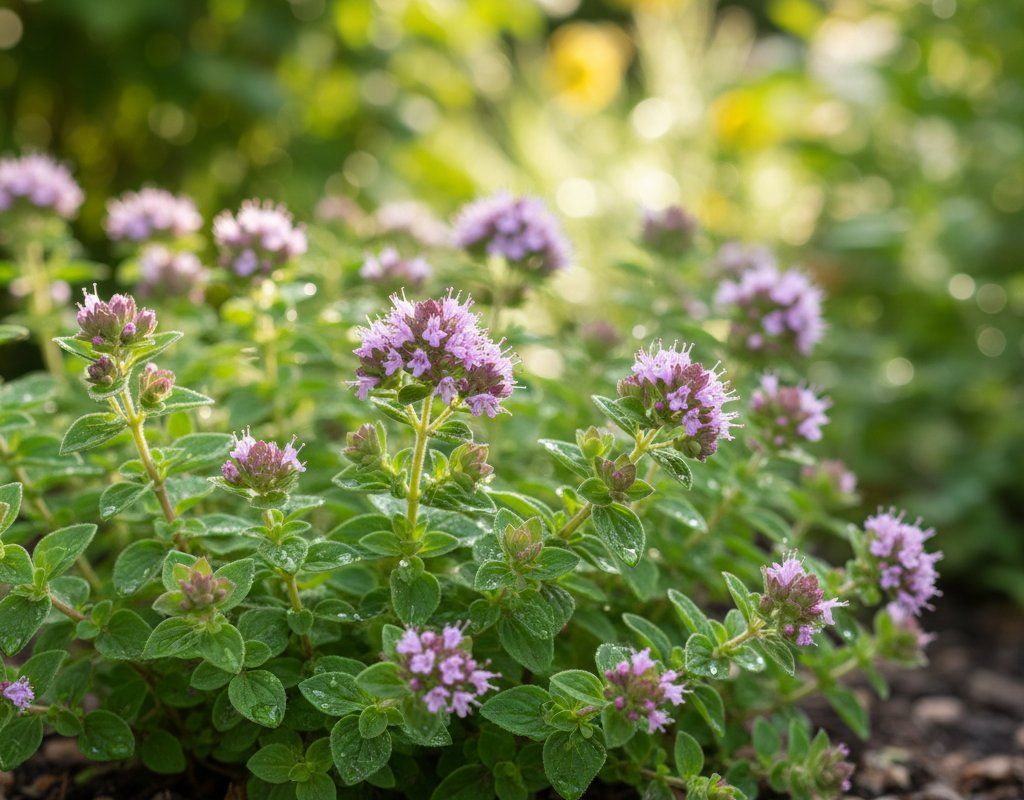
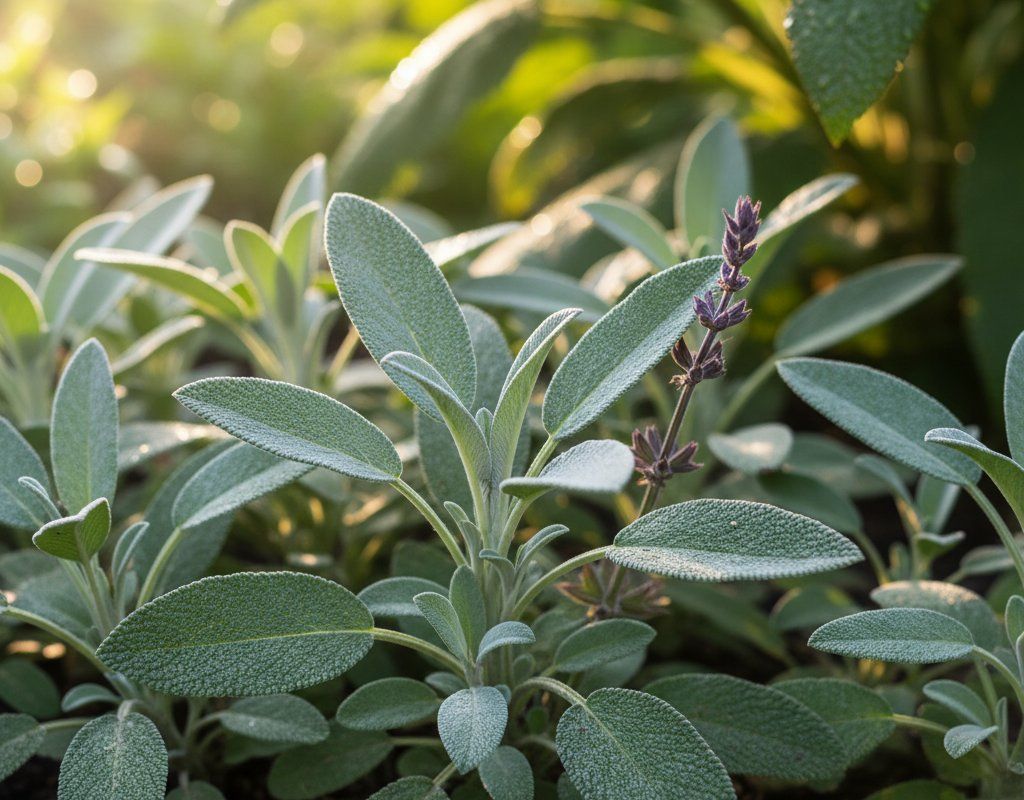
Oregano grows well alongside basil since both prefer well-draining soil and full sun. However, avoid planting basil near sage or rue - these herbs can inhibit basil's growth through allelopathic compounds in the soil. In Florida's intense growing conditions, giving basil compatible neighbors helps create a healthier microclimate and reduces pest pressure naturally.
🌸Best Flowers to Plant with Basil
These flowers protect your Basil from pests and attract pollinators for better harvests.
For Pest Control




Get a Reminder When It's Time to Plant
We'll email you when key planting windows open for your zone.