
Basil in Zone 9B — Florida
Ocimum basilicum · Your Complete 2026 Planting Guide
Time to Buy Starts!
Seed starting window passed, but starts are available now.
Buy Starts Now
Head to your local nursery, Home Depot, or farmers market for transplants.
- Look for stocky plants with dark green leaves
- Avoid leggy seedlings or plants already flowering
- Check that roots aren't circling the pot (rootbound)
How to Plant Basil in Zone 9B — Florida
Here are all your options for getting basil in the ground, from the easiest method to more advanced approaches.
Direct Sow Seeds
RecommendedEarly February through mid November
around February 3
Consider succession planting every 2-3 weeks for continuous harvest.
Can direct sow after soil is warm, but indoor start gives earlier harvest.
Start Seeds Indoors
RecommendedMid December through early January
around December 23
Then transplant: Early February through mid March
Start seeds 6-8 weeks before transplanting outdoors.
Buy Starts
Works WellEarly February through mid March
around February 3
Plant purchased starts after last frost (January 20).
Basil starts are widely available and inexpensive.
Transplant Outdoors
Timing InfoEarly February through mid March
around February 3
Wait until nighttime temperatures stay above 50°F.
You have a nice window — no need to rush.
Overview
Growing basil in Zone 9B Florida gives you something most gardeners can only dream of – fresh basil nearly year-round. Our 344-day growing season means you can harvest fragrant leaves from early March through late December, perfect for caprese salads, pesto, and those summer tomato dishes that define Florida cuisine. Unlike gardeners up north who squeeze basil into a short summer window, you have the luxury of succession planting every few weeks for continuous harvests.
Florida's intense humidity and fungal pressure can challenge basil, but proper timing makes all the difference. Plant in our cooler months when humidity is more manageable, and you'll avoid the worst disease issues while still enjoying that tropical warmth basil craves. The key is working with our reversed seasons rather than fighting them.
Starting Seeds Indoors
Starting basil seeds indoors makes sense if you want the earliest possible harvest or prefer specific varieties not available as transplants. Sow seeds in mid-December through early January, about six weeks before you plan to transplant outdoors in early spring. Use seed starting mix in shallow trays, keep soil consistently moist with bottom watering, and provide warmth – basil seeds germinate best around 70-75°F.
Set up grow lights or place trays in your brightest south-facing window, since our Florida winter sun can be surprisingly weak for seedlings. The main advantage here is getting a jump on the season, but honestly, basil transplants are so inexpensive and widely available at every garden center that most Florida gardeners skip this step. Save your indoor seed-starting energy for harder-to-find varieties or plants that truly benefit from the head start.
Transplanting Outdoors
Transplant your basil seedlings outdoors anytime from early February through mid-March, once nighttime temperatures stay consistently above 50°F. This timing works perfectly with Florida's reversed spring, giving plants time to establish before our summer heat hits. Space plants 12-18 inches apart – they'll fill in quickly in our warm climate.
Harden off seedlings gradually over a week, starting with just an hour or two of morning sun and building up to full exposure. Our February weather can still surprise you with cool snaps, so watch the forecast and be ready to protect young plants if needed. Once transplanted, basil takes off quickly in Florida's warmth, often doubling in size within two weeks.
Nursery transplants are your easiest option and give excellent results. Most garden centers stock multiple varieties from early February onward, and the plants are already hardened off for Florida conditions.
Direct Sowing
Direct sowing basil works well in Florida from early February through mid-November, though you'll want to avoid the peak summer heat for germination. Wait until soil temperatures reach at least 60°F – use a soil thermometer or just check that nighttime temps stay above 50°F consistently. Prepare your planting area with compost worked into our sandy soil, which helps retain the consistent moisture basil seeds need.
Sow seeds about 1/4 inch deep and space them 12-18 inches apart, or plant closer and thin later. Keep the soil evenly moist until germination, which usually takes 5-10 days in warm weather. The main downside to direct sowing is waiting longer for your first harvest compared to transplants.
Direct sowing works especially well for fall plantings when soil is still warm but air temperatures are becoming more reasonable. You can succession plant every 2-3 weeks through our long growing season for continuous fresh leaves.
Watering Basil in Zone 9B (Florida)
Basil needs consistent moisture but absolutely hates wet feet – a tricky balance in Florida's summer humidity and frequent afternoon storms. Water deeply when the top 2 inches of soil feel dry to your finger, which typically means every 2-3 days in spring and fall, possibly daily during our hottest summer months. Aim for about an inch of water per week, adjusting for our 50-65 inches of annual rainfall.
Always water at the base of the plant, never overhead. Florida's extreme humidity means wet leaves stay wet longer, creating perfect conditions for fungal diseases like downy mildew. Use soaker hoses or drip irrigation if possible, or just water slowly at soil level with a watering can. Never use ice-cold water straight from the hose – basil is extremely sensitive to cold water shock and will dramatically wilt.
During our wet summer months, you might barely need to water at all, but stay vigilant about drainage. If your plants look droopy despite moist soil, they're likely getting too much water rather than too little. Basil wilts dramatically when thirsty but recovers fast once watered, making it easy to read.
Apply 2-3 inches of mulch around plants to help regulate soil moisture and temperature, but keep it pulled back from the stems to prevent fungal issues in our humid climate.
Pruning & Maintaining Basil
Pinch off flower buds the moment you see them – flowering makes basil leaves bitter and signals the plant to stop producing tender new growth. Check your plants every few days during the growing season, especially as temperatures warm up, since Florida's heat encourages rapid flowering. Simply pinch or cut the flower spike just above the nearest set of leaves.
When harvesting, always cut just above a pair of leaves to encourage branching from that point. This "pinch and branch" method keeps plants bushy and productive rather than tall and spindly. Take no more than one-third of the plant at any harvest to keep it healthy and growing.
As your first frost approaches in late December, you can let a few plants flower and go to seed if you want to collect seeds for next year. Otherwise, harvest heavily before cold weather hits since basil won't survive even our mild Florida frosts.
🧪Fertilizing Basil
Feeding Schedule
Organic Fertilizer Options
Harvest Time
Your first basil harvest comes surprisingly early in Florida – expect to start picking leaves by early March if you transplanted in February, just 30 days from planting. Begin harvesting once plants have 3-4 sets of true leaves, cutting stems just above a leaf pair to encourage branching. Never strip more than one-third of the plant at once.
Look for leaves that are bright green and aromatic – they're ready to harvest at any size, though young leaves tend to be more tender. Morning harvest after the dew dries gives you the most flavorful leaves, before the day's heat starts breaking down the essential oils. Cut stems with sharp scissors or garden shears rather than tearing, which can damage the plant.
The beauty of Florida basil growing is the extended harvest season – you can keep picking fresh leaves from the same plants through late December if you protect them from our occasional cold snaps. Regular harvesting actually encourages more growth, so don't be shy about cutting what you need for cooking.
As first frost approaches in late December, harvest heavily and preserve what you can't use fresh. Make pesto, dry leaves for winter seasoning, or freeze whole leaves in olive oil – basil won't survive our brief winter cold, but you can keep that summer flavor going year-round.
Common Problems in Zone 9B (Florida)
Downy Mildew Yellow patches appear on leaf tops with fuzzy gray-purple growth on the undersides, eventually browning and killing leaves from the bottom up. Florida's extreme humidity creates perfect conditions for this disease, especially during our cooler months when morning dew lingers on leaves. Remove affected leaves immediately and improve air circulation around plants. Water only at the base, never overhead, and consider copper-based fungicides for prevention. Some varieties show better resistance, so look for those specifically bred for humid climates.
Fusarium Wilt Plants wilt on one side first, then the entire plant, with yellowing leaves and brown streaks visible when you cut open the stem. This soil-borne fungus thrives in Florida's warm, sandy soils and can persist for years once established. There's no cure once a plant is infected – remove and destroy it immediately. Plant resistant varieties marked with 'F' on seed packets, rotate crops yearly, and improve soil drainage since the fungus spreads faster in wet conditions.
Aphids Clusters of tiny green, black, or white insects appear on stems and leaf undersides, leaving sticky honeydew residue and causing curled, distorted growth. Florida's warm weather allows aphid populations to explode quickly, and they're often farmed by ants for their honeydew. Knock them off with a strong water spray, encourage beneficial insects like ladybugs, or use insecticidal soap for heavy infestations. Avoid over-fertilizing with nitrogen, which makes plants more attractive to aphids.
Florida Specific Challenges Our combination of extreme humidity, frequent summer storms, and sandy soil creates unique challenges for basil. The humidity promotes fungal diseases, while our wet summers can waterlog plants despite sandy soil's good drainage. Summer temperatures often climb too high for optimal growth, making spring and fall your prime basil seasons. Hurricane season can damage or destroy plants, so consider container growing for mobility during storms.
Best Companions for Basil
Plant these nearby for healthier Basil and better harvests.
Keep Away From
Companion Planting Details
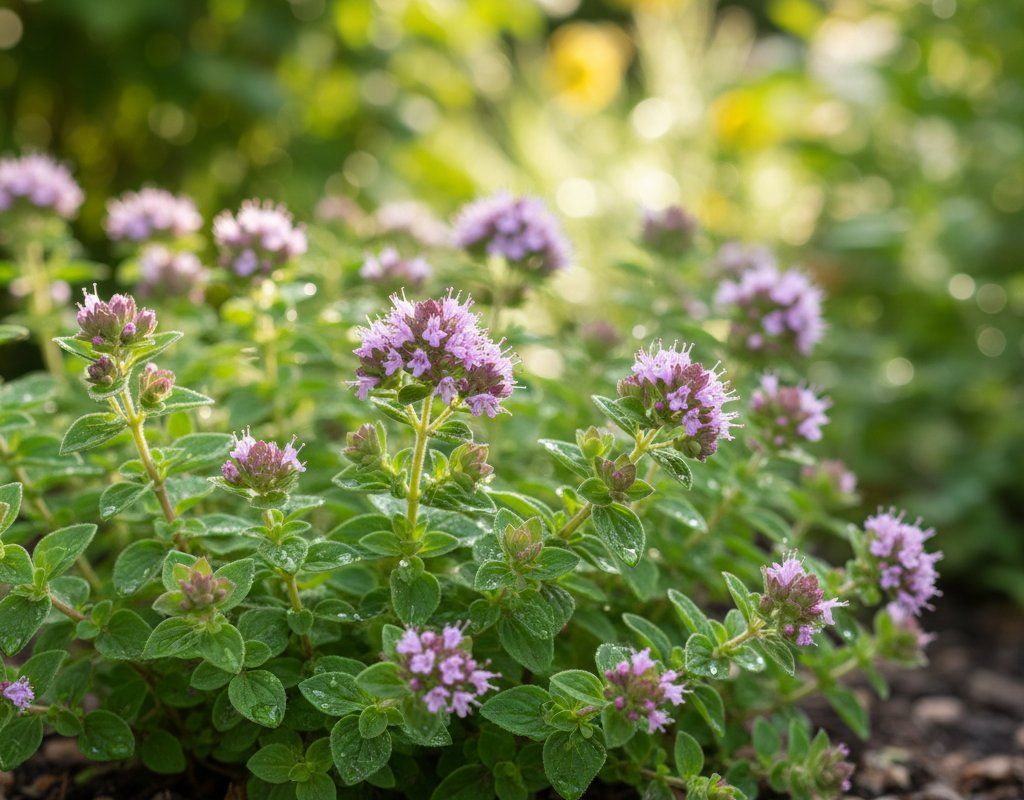
Plant basil near tomatoes and peppers – this classic combination works especially well in Florida since all three plants share similar water and spacing needs, and the basil's strong scent may help deter some pests that target nightshades. Oregano makes another excellent companion, creating a Mediterranean herb section that thrives in our warm climate while providing natural pest deterrence through aromatic oils.
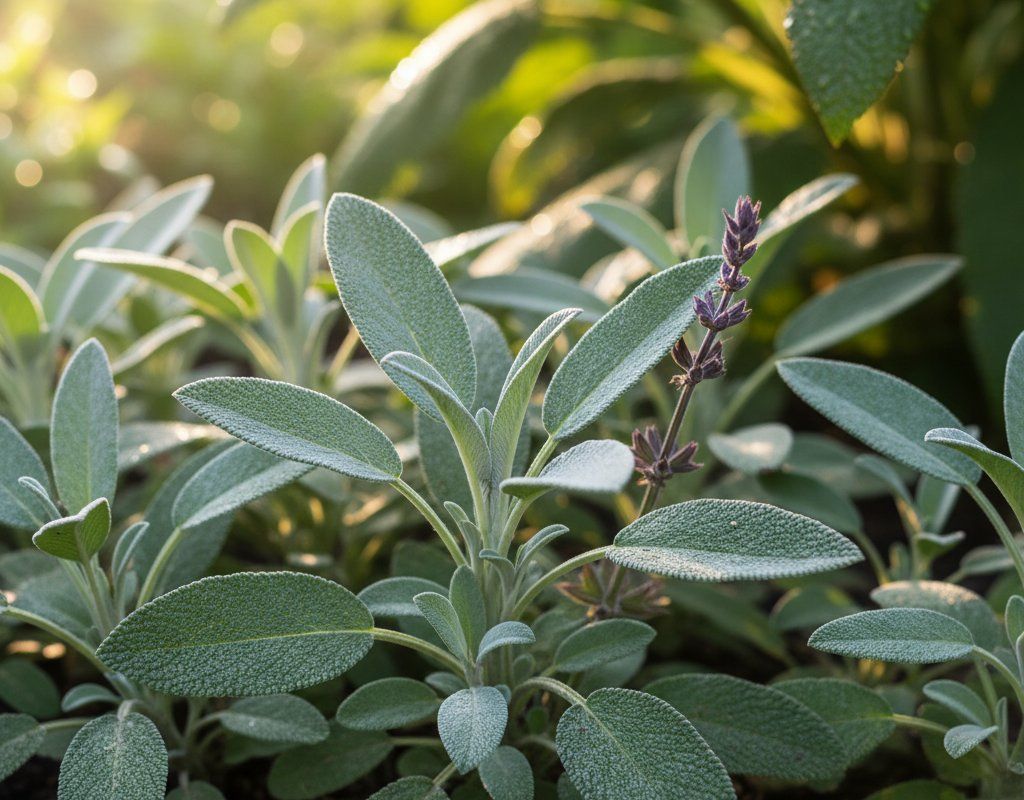
Avoid planting basil near sage or rue, which can inhibit basil's growth through allelopathic compounds. In Florida's intense growing conditions, you want to give basil every advantage possible, so stick with companions that support rather than compete with your plants.
🌸Best Flowers to Plant with Basil
These flowers protect your Basil from pests and attract pollinators for better harvests.
For Pest Control




Get a Reminder When It's Time to Plant
We'll email you when key planting windows open for your zone.