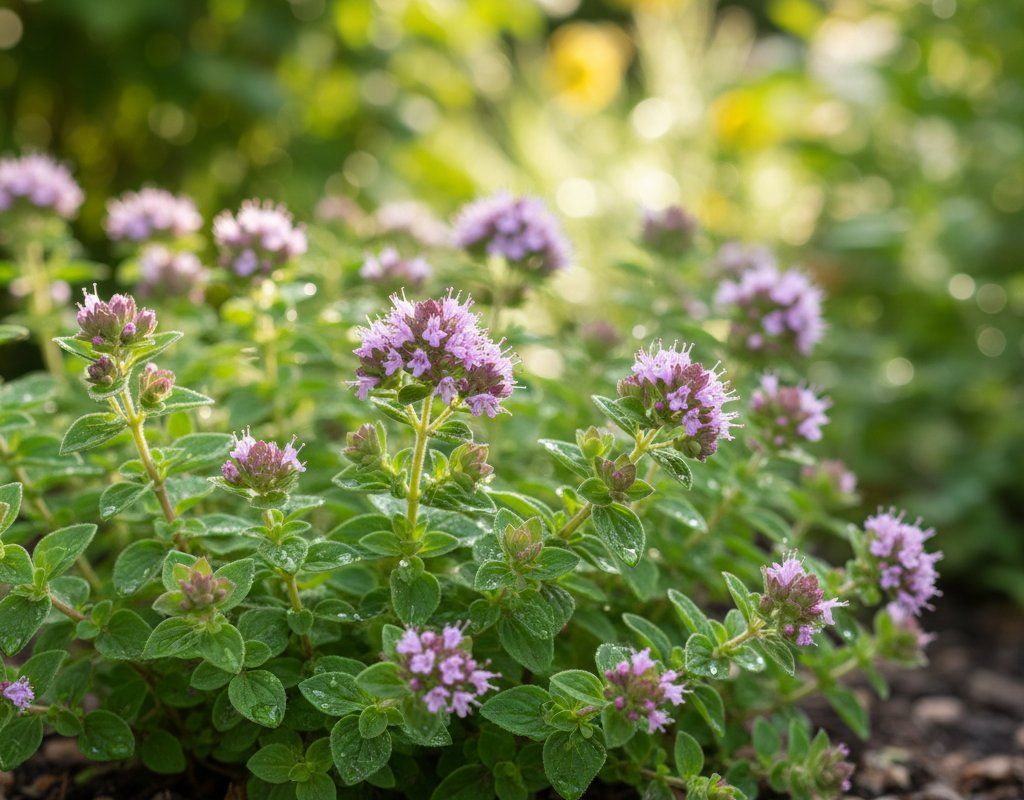
Oregano in Zone 9B — Florida
Origanum vulgare · Your Complete 2026 Planting Guide
You Can Still Sow!
Direct sowing window is open for Oregano.
Direct Sow Now
Plant seeds directly in prepared garden soil.
How to Plant Oregano in Zone 9B — Florida
Here are all your options for getting oregano in the ground, from the easiest method to more advanced approaches.
Buy Starts
RecommendedMid January through early March
around January 20
Plant purchased starts after last frost (January 20).
Easy from seed but slow. Starts give faster results.
Start Seeds Indoors
Works WellMid November through early December
around November 25
Then transplant: Mid January through early March
Start seeds 8-10 weeks before transplanting outdoors.
Direct Sow Seeds
Works WellMid January through early November
around January 20
Consider succession planting every 2-3 weeks for continuous harvest.
Transplant Outdoors
Timing InfoMid January through early March
around January 20
Can tolerate light frost, but wait for soil to be workable.
You have a nice window — no need to rush.
Overview
Oregano brings that authentic Mediterranean flavor to your Florida garden, and unlike its finicky European cousins, this hardy herb actually thrives in our subtropical climate. You'll harvest fragrant sprigs year-round for pizza sauce, Greek dishes, and herb blends while watching your neighbors struggle with store-bought oregano that tastes like cardboard. In Florida, oregano becomes a reliable perennial that gets stronger with age, giving you more flavor bang for your gardening buck.
Yes, our extreme humidity and summer heat create challenges that northern gardeners never face, but oregano's drought tolerance and heat resistance make it surprisingly well-suited to Florida conditions. With our 344-day growing season, you can plant oregano almost any time and keep harvesting through multiple seasons. The key is working with our reversed growing calendar and avoiding the most brutal summer months for establishment.
Starting Seeds Indoors
Starting oregano seeds indoors makes sense if you want precise timing or live in an area with heavy nematode pressure in your soil. Start seeds from mid-November through early December, about 8 weeks before you plan to transplant in late January or February. This timing lets you get strong transplants ready for Florida's prime growing window.
Set up your seed trays in a warm spot (70-75°F) with good light - a sunny south window or grow lights work well. Use bottom watering to keep the soil consistently moist without creating fungal problems that our humidity loves to encourage. The seeds are tiny and take 10-14 days to germinate, so be patient.
Remember that in Florida, spring planting happens in winter months, so indoor starting feels backward compared to northern gardening advice. But this timing works perfectly with our climate reality.
Transplanting Outdoors
Transplant your oregano seedlings outdoors from mid-January through early March, when nighttime temperatures stay consistently above 40°F. This gives plants time to establish before summer heat arrives. Spend about a week hardening off your seedlings - gradually increasing their outdoor exposure so they don't shock when you plant them permanently.
Space plants 12-18 inches apart since oregano spreads as it grows. In Florida's sandy soils, this spacing gives each plant room to develop a strong root system without competing for nutrients. The wider spacing also improves air circulation, which helps prevent fungal problems in our humid climate.
Watch for late cold snaps in January and February - while oregano handles light frost, newly transplanted seedlings are more vulnerable. Keep row cover handy for protection during unexpected temperature drops.
Direct Sowing
Direct sowing oregano works well in Florida from mid-January through early November, though spring and fall sowings give the best results. Skip summer direct sowing unless you can provide consistent irrigation - our 93°F heat and intense sun stress young seedlings before they develop deep roots.
Prepare your soil by working in compost to improve drainage in heavy clay areas, or adding organic matter to sandy soils to help retain some moisture. Oregano seeds need good soil contact but shouldn't be buried deep - just press them lightly into prepared soil and keep consistently moist until germination.
Space your sowings 12-18 inches apart and thin seedlings if they come up too thick. Direct-sown plants take longer to establish than transplants, but they often develop stronger root systems that handle our summer conditions better once mature.
Watering Oregano in Zone 9B (Florida)
Oregano's drought tolerance is a blessing in Florida's wet-summer climate because it means less risk of root rot during our heaviest rainfall months. Once established, oregano needs surprisingly little supplemental water - about 1/2 inch per week during dry periods. During summer's frequent afternoon thunderstorms, you might not water at all for weeks.
Use the finger test religiously: stick your finger 2 inches into the soil near the plant base. If it's dry at that depth, water deeply. If it's still moist, wait. Our very high humidity can make soil surface look dry while staying soggy underneath, leading to overwatering mistakes that weaken flavor and invite root problems.
Water at the base rather than overhead to keep foliage dry in our humid conditions. Wet leaves plus humidity equals fungal disease paradise. During summer's 50-65 inch rainfall season, focus on drainage rather than irrigation - oregano handles drought better than soggy roots.
Apply 2-3 inches of organic mulch around plants to regulate soil moisture and temperature, but keep mulch pulled back from plant stems to prevent collar rot in humid conditions. Pine straw works well in Florida since it doesn't hold moisture against plant crowns like heavier mulches do.
Pruning & Maintaining Oregano
Oregano needs minimal pruning, but strategic cuts keep plants productive and compact in Florida's long growing season. Cut back about one-third of each plant in midsummer (July-August) to encourage fresh growth and prevent woody stems. This summer pruning also removes any flower buds that would reduce leaf flavor.
Pinch off flower spikes as they appear throughout the growing season - you want the plant's energy going into flavorful leaves, not seeds. Regular harvesting serves as natural pruning, keeping plants bushy and productive.
Cut plants back to about 2 inches from ground level in late fall as our first frost approaches in late December. This dormancy pruning prepares plants for winter rest and encourages vigorous spring growth. Don't worry about being too aggressive - oregano bounces back stronger from hard cuts.
🧪Fertilizing Oregano
Feeding Schedule
Organic Fertilizer Options
Harvest Time
Your first oregano harvest starts in early March, about 45 days after transplanting late January starts. Once plants reach 4-6 inches tall, you can begin taking small sprigs for cooking. The beauty of oregano in Florida is continuous harvest - you'll be cutting fresh stems from March through January with only a brief winter dormancy period.
Harvest in the morning after dew dries but before afternoon heat intensifies flavor compounds. Cut stems just above a leaf pair to encourage branching and more harvests. Take no more than one-third of the plant at any harvest to keep it growing vigorously. The best flavor develops just before flowers form, so regular harvesting maintains peak taste.
For the strongest flavor, harvest oregano during dry periods rather than right after rain. Our frequent summer thunderstorms dilute essential oils temporarily, so wait 2-3 days after heavy rain for the most concentrated flavor. Store fresh-cut stems in water like flowers, or dry them in small bundles for year-round seasoning.
As late December frost approaches, harvest heavily and preserve what you can't use fresh. The plant will go dormant but return vigorously in late February or early March for another year of harvests.
Common Problems in Zone 9B (Florida)
Root Rot Yellowing leaves starting from the bottom, wilting despite moist soil, and black or brown mushy roots signal root rot. Florida's combination of heavy summer rains, high humidity, and poorly draining soils creates perfect conditions for this fungal problem. Improve soil drainage by working in coarse compost or planting in raised beds. Water only when the top 2 inches of soil feel dry, and ensure good air circulation around plants. Remove affected plants immediately to prevent spread.
Aphids Look for clusters of tiny green, black, or white soft-bodied insects on stems and leaf undersides, plus sticky honeydew residue and curled new growth. These sap-sucking pests reproduce rapidly in our warm weather, and ant colonies often farm them for their sweet secretions. Knock them off with strong water spray, encourage natural predators like ladybugs, or use insecticidal soap for heavy infestations. Avoid high-nitrogen fertilizers that make plants more attractive to aphids.
Spider Mites Fine stippling on leaves (tiny white dots), delicate webbing on leaf undersides, and bronze or yellowing foliage indicate spider mite damage. These tiny arachnids thrive in hot, dry conditions and multiply rapidly during drought stress despite our generally humid climate. Daily strong water sprays for a week disrupts their lifecycle effectively. Increase humidity around plants and avoid broad-spectrum pesticides that kill beneficial predatory insects.
Florida Specific Challenges Our extreme humidity and wet summers create a double-edged sword for oregano - while the plant handles heat well, the combination of moisture and warmth can trigger fungal problems that drier climates never see. Good spacing, proper drainage, and avoiding overhead watering become critical in our subtropical conditions.
Best Companions for Oregano
Plant these nearby for healthier Oregano and better harvests.

Keep Away From
Companion Planting Details
Oregano makes an excellent companion for warm-season crops that share its heat tolerance and moderate water needs. Plant it near peppers and tomatoes - oregano's strong scent helps deter aphids and other soft-bodied pests that plague these vegetables in Florida heat. The herb's spreading habit provides living mulch that helps conserve soil moisture around pepper plants while its flowers attract beneficial insects.
Beans and squash also benefit from oregano's pest-deterring properties, and their different root depths mean they won't compete for the same soil nutrients in our sandy soils. Avoid planting oregano near moisture-loving herbs like basil or parsley, since their different watering needs create management headaches in Florida's variable rainfall patterns. Oregano's drought tolerance means it thrives with other Mediterranean herbs that prefer the "dry feet" approach to irrigation.
🌸Best Flowers to Plant with Oregano
These flowers protect your Oregano from pests and attract pollinators for better harvests.
For Pest Control



Get a Reminder When It's Time to Plant
We'll email you when key planting windows open for your zone.