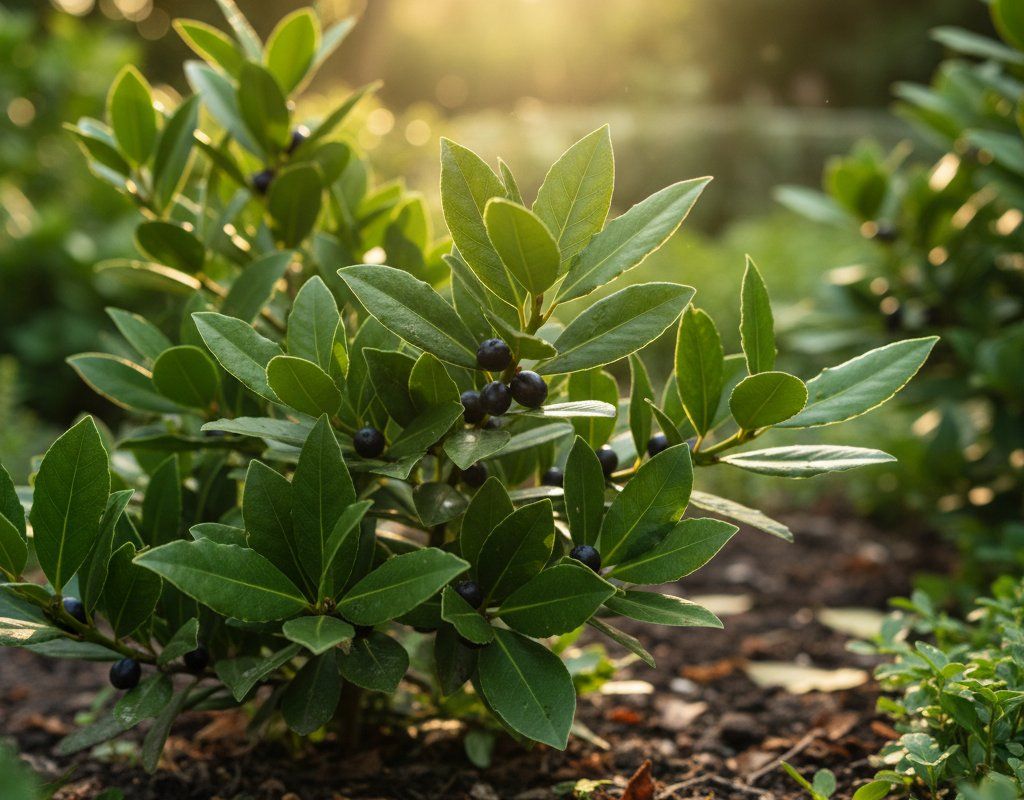
Bay Laurel in Zone 5B — Mountain West
Laurus nobilis · Your Complete 2026 Planting Guide
Too Late for Bay Laurel
Not enough growing season left (need 379 days, only 211 remain)
📊 See the math
How to Plant Bay Laurel in Zone 5B — Mountain West
Here are all your options for getting bay laurel in the ground, from the easiest method to more advanced approaches.
Buy Starts
RecommendedMid to late May
around May 19
Plant purchased starts after last frost (May 5).
Extremely slow from seed (years to reach usable size). Buy established plants.
Start Seeds Indoors
Works WellMid February through early March
around February 24
Then transplant: Mid to late May
Start seeds 12-14 weeks before transplanting outdoors.
Direct Sow Seeds
ChallengingDirect sowing is not typical for Bay Laurel.
Transplant Outdoors
Timing InfoMid to late May
around May 19
Can tolerate light frost, but wait for soil to be workable.
Timing is critical in your zone — don’t delay!
Overview
Bay Laurel, with its aromatic leaves, brings a touch of the Mediterranean to your Mountain West kitchen. Imagine flavoring your soups and stews with fresh bay leaves grown right in your backyard. Although Bay Laurel is not a typical choice for high altitude gardening, its unique flavor profile and culinary versatility make it worth the effort.
Our short growing season and intense sun present challenges, but with careful timing, you can successfully grow Bay Laurel here. Starting seeds indoors and providing adequate protection during our 149-day growing season are key. With some patience, you'll be harvesting fresh bay leaves from mid-May through mid-October.
Starting Seeds Indoors
Starting Bay Laurel from seed indoors is possible, but be aware that it's a slow process. If you're up for the challenge, begin in mid-February through early March, roughly 12 weeks before transplanting. This gives the seedlings a head start before our late spring arrives.
Use seed trays with a good quality seed-starting mix. Keep the soil consistently moist by bottom watering to prevent damping off, and provide a warm location with plenty of light. Remember, our spring can be quite late, so patience is key as you wait for the right time to transplant.
Transplanting Outdoors
Transplant your Bay Laurel outdoors in mid to late May after the risk of frost has passed. Before transplanting, harden off your seedlings by gradually exposing them to outdoor conditions for about a week. This helps them adjust to the intense sun and cool nights characteristic of our region.
Space your Bay Laurel plants 48-96 inches apart to allow for mature growth. Given how slowly Bay Laurel grows from seed, consider buying an established plant from a local nursery to jumpstart the process. This will save you significant time and increase your chances of success.
Watering Bay Laurel in Zone 5B (Mountain West)
Established Bay Laurel plants are moderately drought-tolerant, but consistent watering is still essential, especially in our dry climate. During the growing season, aim to water deeply about once a week, providing around 1 inch of water. Container plants will dry out faster and need more frequent watering.
Use the "finger test" to determine when to water. Stick your finger about 2 inches into the soil; if it feels dry, it's time to water. Water at the base of the plant rather than overhead to minimize water loss through evaporation in our low humidity.
Signs of underwatering include wilting leaves and slow growth. Overwatering, on the other hand, can lead to root rot, indicated by yellowing leaves. Mulching around the base of the plant with organic matter like wood chips helps retain moisture and regulate soil temperature, which is especially beneficial in our region's intense sun.
Pruning & Maintaining Bay Laurel
Bay Laurel requires minimal pruning, making it a low-maintenance addition to your garden. Prune primarily to maintain the desired shape and size of the plant. You can prune quite heavily without damaging the plant, so don't be afraid to shape it as needed.
The best time to prune is in the spring after the plant has started its new growth. Remove any dead, damaged, or crossing branches. As the first frost approaches around early October, avoid heavy pruning, as this can stimulate new growth that will be vulnerable to the cold.
🧪Fertilizing Bay Laurel
Feeding Schedule
Organic Fertilizer Options
Harvest Time
You can begin harvesting Bay Laurel leaves in mid-May and continue through mid-October. While technically you can harvest anytime, mature, dark green leaves have the strongest flavor, so aim for those. Bay Laurel can take up to a year to mature, so patience is key.
To harvest, simply clip off individual leaves as needed. Avoid stripping the entire plant at once to ensure continuous production. After harvesting, you can use the leaves fresh or dry them for later use.
As the first frost approaches in early October, harvest any remaining mature leaves and dry them for winter use. This ensures you get the most out of your Bay Laurel before the cold weather sets in.
Common Problems in Zone 5B (Mountain West)
Here are some common problems you might encounter with Bay Laurel in our Mountain West climate:
Scale Insects *What it looks like:* Small, immobile bumps on the leaves and stems, often brown or white. *What causes it:* These pests thrive in warm, dry conditions, which our region can experience, especially with intense UV exposure. *How to fix/prevent it:* Inspect your plant regularly. Remove scales by hand or use horticultural oil. Encourage beneficial insects like ladybugs.
Cold Damage *What it looks like:* Brown or black leaves, especially after a sudden temperature drop. *What causes it:* Bay Laurel is only semi-hardy and can suffer damage from our cold nights. *How to fix/prevent it:* Plant in a sheltered location. Cover the plant with burlap or a frost blanket during cold snaps. Consider growing in a container so you can move it indoors during the winter.
Slow Growth *What it looks like:* Minimal new growth, even with proper care. *What causes it:* Our short growing season, alkaline soil, and high altitude can all contribute to slow growth. *How to fix/prevent it:* Amend the soil with compost to improve drainage and nutrient availability. Provide adequate water and fertilizer. Be patient; Bay Laurel is naturally a slow grower, especially in our challenging climate.
Mountain West Specific Challenges: The moderate-at-altitude heat, low humidity, and dry rainfall of our region mean that consistent watering and protection from intense sun are crucial for Bay Laurel. Our alkaline soil can also hinder growth, so amending the soil with compost is essential.
Best Companions for Bay Laurel
Plant these nearby for healthier Bay Laurel and better harvests.
View Full Companion Planting Chart →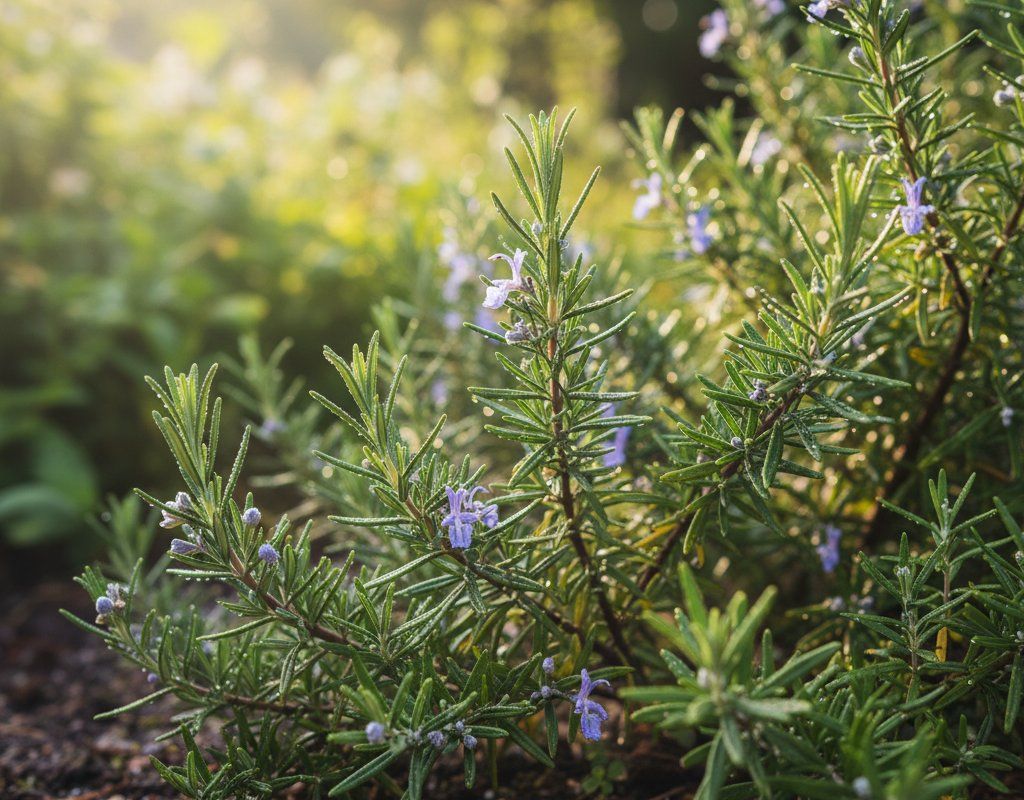
Companion Planting Details
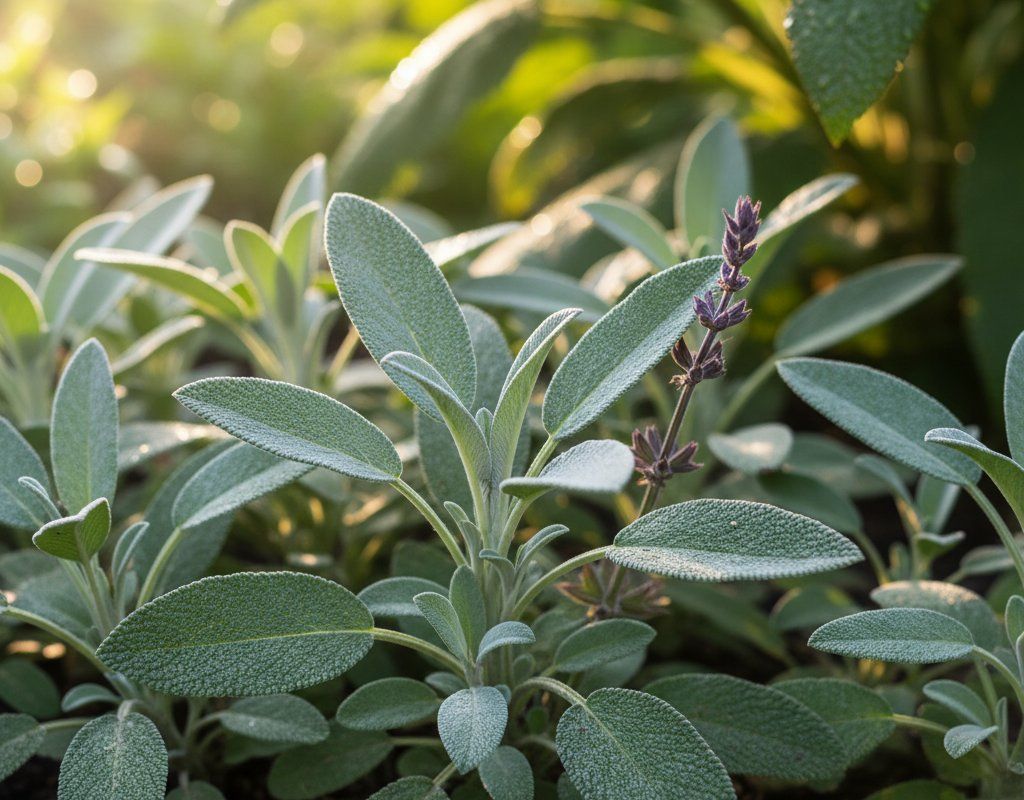
Companion planting can help your Bay Laurel thrive in the Mountain West. Green beans are good companions because they fix nitrogen in the soil, which benefits Bay Laurel's growth. Rosemary and sage also make good companions because they attract beneficial insects that can help control pests.
Avoid planting Bay Laurel near plants that require very different soil conditions or watering schedules. These plants can compete for resources and hinder Bay Laurel's growth.
🌸Best Flowers to Plant with Bay Laurel
These flowers protect your Bay Laurel from pests and attract pollinators for better harvests.
For Pest Control

For Pollinators

Get a Reminder When It's Time to Plant
We'll email you when key planting windows open for your zone.