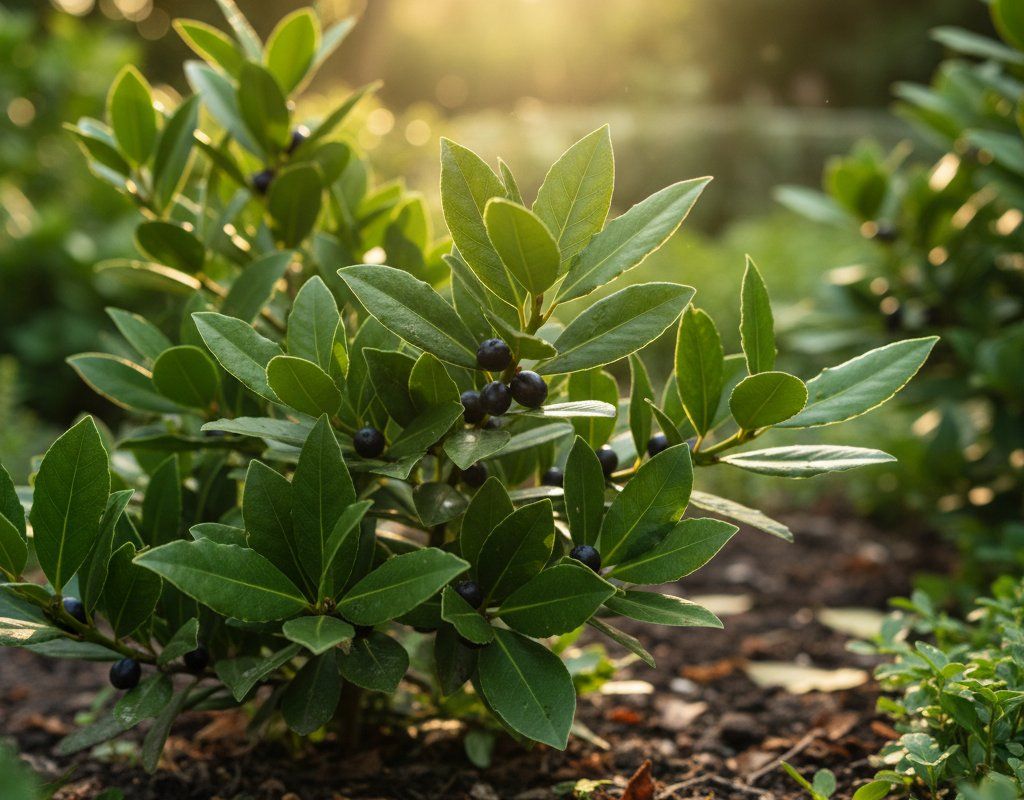
Bay Laurel in Zone 7A — Northern California
Laurus nobilis · Your Complete 2026 Planting Guide
Too Late for Bay Laurel
Not enough growing season left (need 379 days, only 251 remain)
📊 See the math
How to Plant Bay Laurel in Zone 7A — Northern California
Here are all your options for getting bay laurel in the ground, from the easiest method to more advanced approaches.
Buy Starts
RecommendedEarly April
around April 3
Plant purchased starts after last frost (March 20).
Extremely slow from seed (years to reach usable size). Buy established plants.
Start Seeds Indoors
Works WellEarly to late January
around January 9
Then transplant: Early April
Start seeds 12-14 weeks before transplanting outdoors.
Direct Sow Seeds
ChallengingDirect sowing is not typical for Bay Laurel.
Transplant Outdoors
Timing InfoEarly April
around April 3
Can tolerate light frost, but wait for soil to be workable.
Timing is critical in your zone — don’t delay!
Overview
Bay Laurel is a fantastic addition to any Northern California garden. Imagine stepping outside to snip a few fresh leaves for your favorite Mediterranean dish – the flavor is far superior to anything you can buy dried. Plus, Bay Laurel thrives in our long, warm, dry summers, adding a touch of evergreen beauty to your landscape.
While we deal with drought and occasional fire season concerns, Bay Laurel is surprisingly resilient. With our 235-day growing season and generally mild winters, you can enjoy fresh bay leaves almost year-round with a little care and attention.
Starting Seeds Indoors
Starting Bay Laurel from seed indoors is possible, but be warned: it's a *slow* process. You'll be looking at years before you have a substantial plant. If you're patient and enjoy a challenge, start seeds indoors from early to late January, about 12 weeks before transplanting.
Use seed trays with a well-draining seed starting mix and keep them consistently warm, around 70-75°F. A heat mat can be helpful. Provide ample light – a grow light is ideal, especially since our early springs can be cloudy. Bottom watering is a great way to keep the soil moist without disturbing the delicate seedlings. Honestly, unless you're a very patient gardener, it's usually better to buy an established plant from a local nursery.
Transplanting Outdoors
Transplant your Bay Laurel seedling, or better yet, a nursery-grown plant, outdoors in early April. Before you do, harden it off by gradually exposing it to outdoor conditions for about a week. This helps it adjust to the sun and wind.
Choose a spot with full sun to partial shade, and space plants 48-96 inches apart to allow for mature growth. Even in early April, we can still get unexpected temperature swings, so keep an eye on the forecast and be prepared to cover your young plant if frost threatens. Remember, Bay Laurel grows very slowly from seed, so starting with a larger plant will get you to harvestable leaves much faster.
Watering Bay Laurel in Zone 7A (Northern California)
Once established, Bay Laurel is quite drought-tolerant, which is a huge plus in Northern California. However, during our dry summers, it will appreciate regular watering, especially in its first few years. Container plants will dry out much faster than those in the ground.
A good rule of thumb is to check the soil moisture about 2 inches deep – the "finger test." If it feels dry, it's time to water. Aim for about 1 inch of water per week during the hottest months. Water deeply at the base of the plant, rather than overhead, to minimize water loss from evaporation in our low-humidity climate.
Pay attention to your plant's leaves. Drooping or yellowing leaves can indicate overwatering or underwatering. Adjust your watering schedule accordingly. A layer of mulch around the base of the plant will help retain moisture and suppress weeds, crucial for water-wise gardening in NorCal.
Pruning & Maintaining Bay Laurel
Bay Laurel doesn't require a lot of pruning, which is great for low-maintenance gardens. Primarily, you'll want to prune to maintain its shape and size. It can be pruned quite heavily without causing damage, so don't be afraid to give it a good trim.
The best time to shape your Bay Laurel is in the spring, after the threat of frost has passed. Remove any dead or crossing branches to improve air circulation. As fall approaches and our first frost looms around early November, you can give it a light trim to neaten it up before winter. Avoid heavy pruning in late fall, as new growth might not harden off in time for colder temperatures.
🧪Fertilizing Bay Laurel
Feeding Schedule
Organic Fertilizer Options
Harvest Time
You can start harvesting Bay Laurel leaves as early as early April and continue through late November, taking advantage of our long growing season. The most flavorful leaves are the mature, dark green ones. You can harvest individual leaves anytime you need them.
To harvest, simply snip off the leaves you need with clean pruning shears. Avoid stripping the plant bare, as this can weaken it. Regular harvesting encourages new growth, so don't be shy about using your bay leaves!
As we head into fall and approach our first frost, harvest any remaining mature leaves you want to dry for winter use. Simply spread them out in a single layer in a cool, dry place until they are brittle. Store them in an airtight container.
Common Problems in Zone 7A (Northern California)
Here are a few common problems you might encounter with Bay Laurel in Northern California:
Scale Insects
- What it looks like: Small, brown, shell-like bumps on the leaves and stems.
- What causes it: Scale insects thrive in warm, dry conditions, making them a common pest in our Mediterranean climate. They suck sap from the plant, weakening it.
- How to fix/prevent it: Regularly inspect your plant for scale. Scrape them off manually or use horticultural oil, especially in early spring. Encourage beneficial insects like ladybugs, which prey on scale.
Cold Damage Below Zone 8
- What it looks like: Brown, wilted, or blackened leaves, especially after a frost.
- What causes it: While Bay Laurel is semi-hardy, it can still suffer damage from prolonged cold snaps, especially in microclimates that experience colder temperatures.
- How to fix/prevent it: Plant in a sheltered location, especially if you're in a colder microclimate. Wrap the plant in burlap or horticultural fleece during extended periods of freezing temperatures. Container plants can be moved indoors or to a more protected location.
Slow Growth
- What it looks like: Minimal new growth, even after a year.
- What causes it: Bay Laurel is naturally a slow grower, but poor soil, inadequate watering, or lack of sunlight can exacerbate this issue.
- How to fix/prevent it: Ensure your plant is in well-draining soil and receives adequate sunlight (4-8 hours). Fertilize lightly in the spring with a balanced fertilizer. Avoid overwatering, which can stunt growth.
Northern California Specific Challenges: Our moderate-to-hot summers, low humidity, and dry-summer rainfall can stress Bay Laurel if not managed properly. Consistent watering during the hottest months and protection from extreme temperature swings are crucial for a healthy, productive plant. Water restrictions may require creative water-wise gardening techniques.
Best Companions for Bay Laurel
Plant these nearby for healthier Bay Laurel and better harvests.
View Full Companion Planting Chart →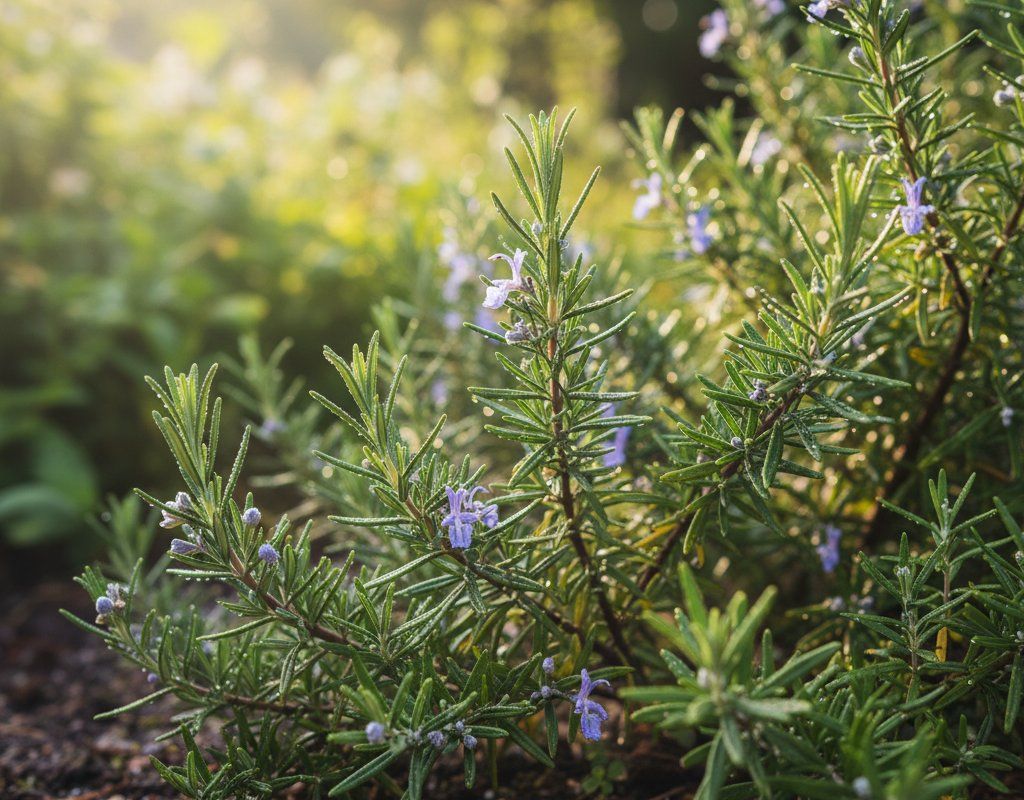
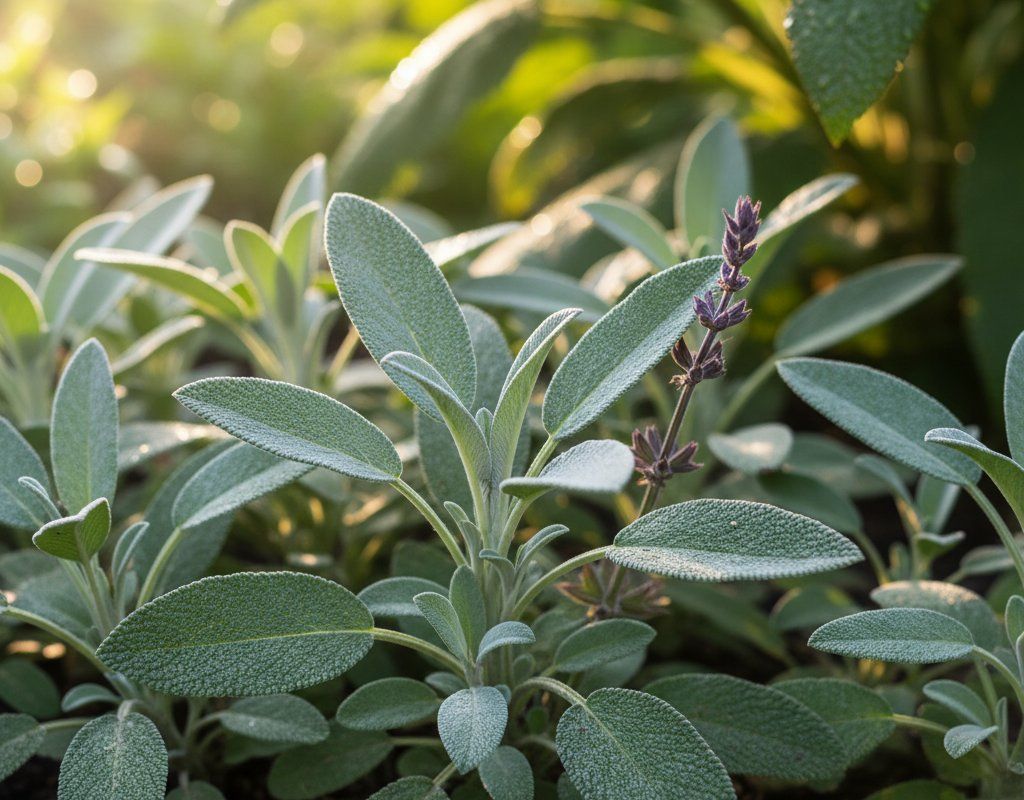
Companion Planting Details
Companion planting can help your Bay Laurel thrive in your Northern California garden.
Good companions include green beans, rosemary, and sage. Green beans fix nitrogen in the soil, which benefits the Bay Laurel. Rosemary and sage, both Mediterranean herbs, share similar growing requirements and can help deter pests with their strong scents.
Avoid planting Bay Laurel near aggressive, fast-growing plants that might compete for resources, especially water, which can be scarce during our dry summers.
🌸Best Flowers to Plant with Bay Laurel
These flowers protect your Bay Laurel from pests and attract pollinators for better harvests.
For Pest Control

For Pollinators

Get a Reminder When It's Time to Plant
We'll email you when key planting windows open for your zone.