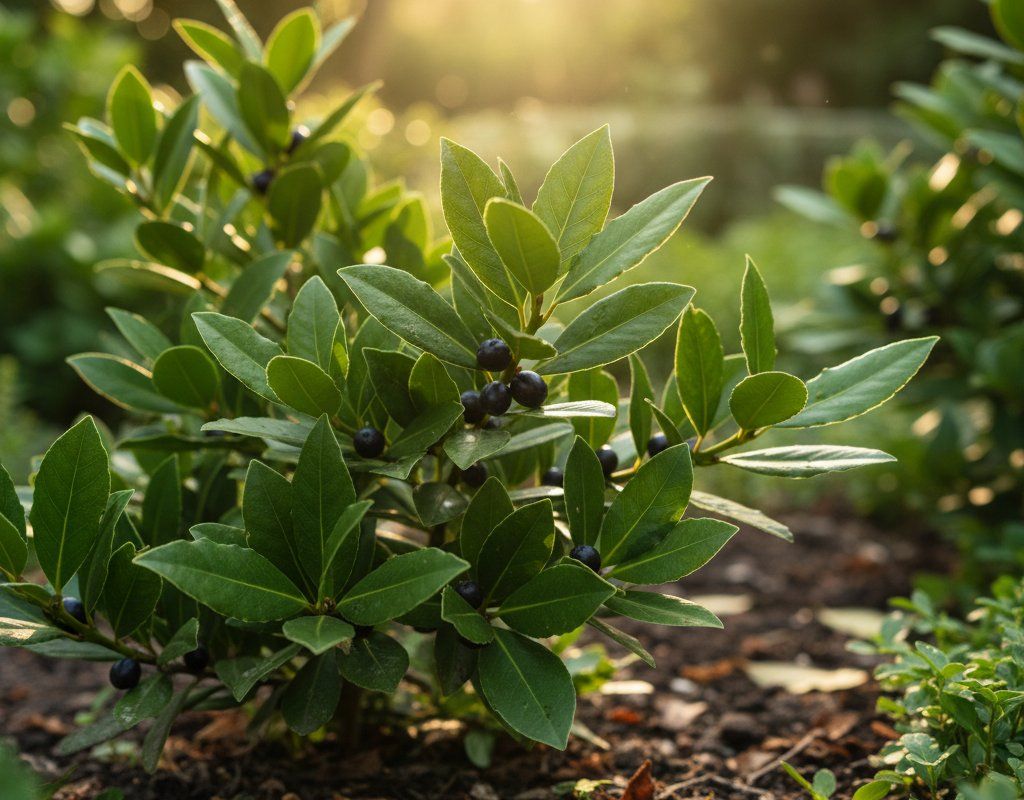
Bay Laurel in Zone 8A — Texas
Laurus nobilis · Your Complete 2026 Planting Guide
Too Late for Bay Laurel
Not enough growing season left (need 379 days, only 261 remain)
📊 See the math
How to Plant Bay Laurel in Zone 8A — Texas
Here are all your options for getting bay laurel in the ground, from the easiest method to more advanced approaches.
Buy Starts
RecommendedMid to late March
around March 19
Plant purchased starts after last frost (March 5).
Extremely slow from seed (years to reach usable size). Buy established plants.
Start Seeds Indoors
Works WellMid December through early January
around December 25
Then transplant: Mid to late March
Start seeds 12-14 weeks before transplanting outdoors.
Direct Sow Seeds
ChallengingDirect sowing is not typical for Bay Laurel.
Transplant Outdoors
Timing InfoMid to late March
around March 19
Can tolerate light frost, but wait for soil to be workable.
Timing is critical in your zone — don’t delay!
Overview
Bay Laurel is a fantastic addition to any Texas garden. Its aromatic leaves bring Mediterranean flavor to your cooking, and the plant itself adds a touch of elegance to your landscape. Imagine stepping outside to snip fresh bay leaves for your gumbo or chili – a true taste of home-grown satisfaction.
Our unpredictable Texas weather can be a challenge, but Bay Laurel is surprisingly resilient. With our long 260-day growing season, you have plenty of time to get it established and enjoy its bounty. Just be mindful of the occasional freeze.
Starting Seeds Indoors
Starting Bay Laurel from seed indoors is possible, but be prepared for a slow process. It can take years for a seedling to reach a usable size, so honestly, buying an established plant from a local nursery might be a better bet for most Texas gardeners. However, if you're up for the challenge, start your seeds indoors from mid December through early January, giving them about 12 weeks before transplanting.
Use seed trays with good drainage and a well-draining seed starting mix. Keep the soil consistently moist, using bottom watering to avoid disturbing the tiny seeds. Provide warmth and plenty of light – a sunny windowsill or grow lights work well. Remember our spring can come early here, so be ready to adjust your schedule if the weather warms up sooner than expected.
Transplanting Outdoors
Transplant your Bay Laurel outdoors from mid to late March, once the danger of a hard freeze has passed. Before planting, harden off your seedlings by gradually exposing them to outdoor conditions for about a week. This helps them adjust to the Texas sunshine and wind.
Choose a spot with full sun to partial shade, and space your plants 48-96 inches apart to allow for their mature size. Dig a hole twice as wide as the root ball and just as deep. Remember, Bay Laurel is slow-growing, especially from seed, so be patient! Consider amending the soil with compost to improve drainage, especially if you have heavy clay soil.
Watering Bay Laurel in Zone 8A (Texas)
Bay Laurel prefers moderate watering once established. It's also drought-tolerant, which is great for our unpredictable rainfall here in Texas. Container-grown plants will need more frequent watering than those in the ground, as they dry out faster in the Texas heat.
During the hottest part of the summer, when temperatures are consistently in the 90s, check the soil moisture regularly. Stick your finger about 2 inches deep into the soil. If it feels dry, it's time to water. Aim for about 1 inch of water per week, either from rainfall or irrigation. Water at the base of the plant to avoid wetting the leaves, which can encourage fungal diseases in our variable humidity.
Signs of underwatering include wilting or yellowing leaves. Overwatering can lead to root rot, so watch out for soggy soil and drooping leaves. A good layer of mulch around the base of the plant helps to retain moisture and suppress weeds. In our climate, organic mulches like shredded bark work well.
Pruning & Maintaining Bay Laurel
Bay Laurel requires minimal pruning. You can prune it to maintain its shape and size, and it can be heavily pruned without causing damage. The best time to shape your Bay Laurel is in the spring, after the last threat of frost has passed.
Remove any dead, damaged, or crossing branches. You can also thin out the plant to improve air circulation. Otherwise, leave the healthy growth alone. As the first frost approaches around mid- November, you don't need to do any special pruning, but you can harvest extra leaves to dry for winter use.
🧪Fertilizing Bay Laurel
Feeding Schedule
Organic Fertilizer Options
Harvest Time
You can expect your first harvest of Bay Laurel leaves about a year after planting, typically mid March through early December. Mature, dark green leaves have the strongest flavor. Harvest individual leaves as needed, or snip off entire branches to dry.
To harvest, simply use scissors or pruning shears to cut the leaves or branches from the plant. Be careful not to damage the main stem. Regular harvesting encourages new growth and keeps the plant productive.
As the first frost approaches in mid- November, harvest any remaining leaves that you want to dry for winter use. You can hang the branches upside down in a cool, dry place, or use a dehydrator to dry the leaves quickly.
Common Problems in Zone 8A (Texas)
Here are three common problems you might encounter with Bay Laurel in Texas:
Scale Insects
- What it looks like: Small, brown, shell-like bumps on the leaves and stems.
- What causes it: These pests suck sap from the plant, weakening it. They thrive in warm, humid conditions, which we often get here in Texas.
- How to fix/prevent it: Inspect your plant regularly. For small infestations, wipe the scales off with a cotton swab dipped in rubbing alcohol. For larger infestations, use horticultural oil or insecticidal soap, following the label instructions carefully.
Cold Damage Below Zone 8
- What it looks like: Brown or black leaves, especially after a freeze.
- What causes it: Bay Laurel is semi-hardy and can be damaged by temperatures below its tolerance. Unpredictable freezes can happen here, even in Zone 8A.
- How to fix/prevent it: Plant in a sheltered location, and wrap the plant with burlap or a blanket during hard freezes. Container plants can be moved indoors.
Slow Growth
- What it looks like: Minimal new growth, even after a year or more.
- What causes it: Bay Laurel is naturally slow-growing, but poor soil, lack of nutrients, or insufficient sunlight can exacerbate the problem.
- How to fix/prevent it: Amend the soil with compost before planting, and fertilize regularly with a balanced fertilizer. Make sure the plant is getting at least 4-6 hours of sunlight per day.
Texas Specific Challenges: The hot-to-extreme heat, variable humidity, and unpredictable rainfall in Texas can stress Bay Laurel plants. Ensure adequate watering during dry spells, provide shade during the hottest part of the day, and monitor for pests and diseases.
Best Companions for Bay Laurel
Plant these nearby for healthier Bay Laurel and better harvests.
View Full Companion Planting Chart →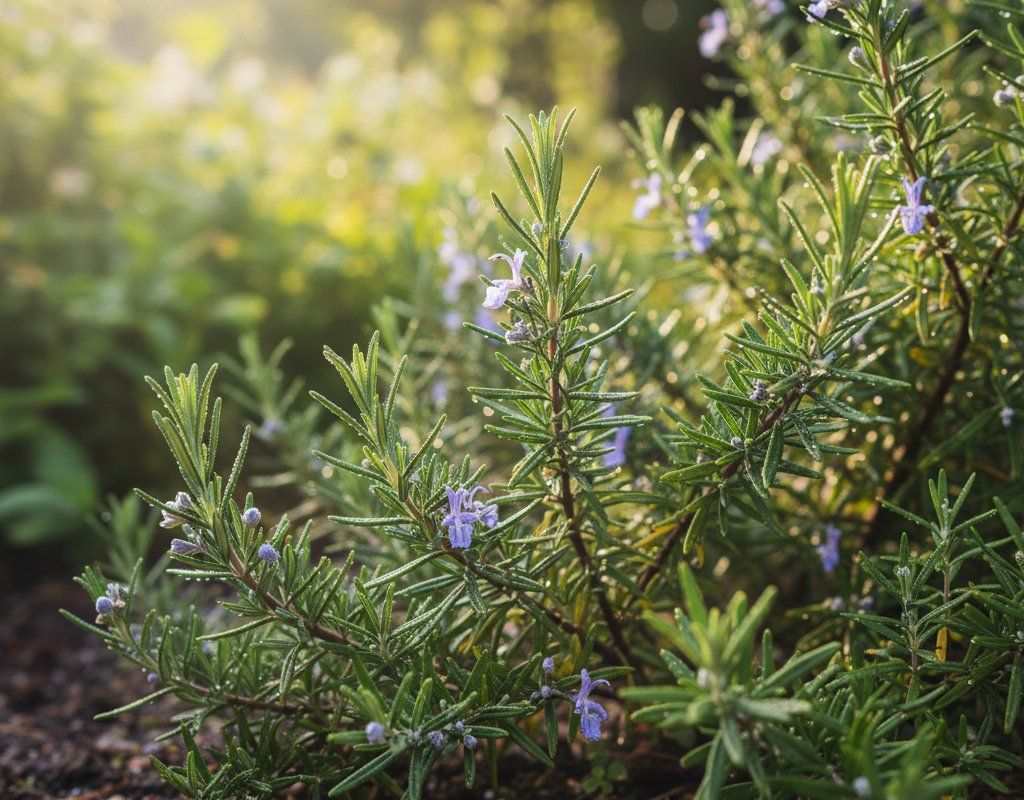
Companion Planting Details
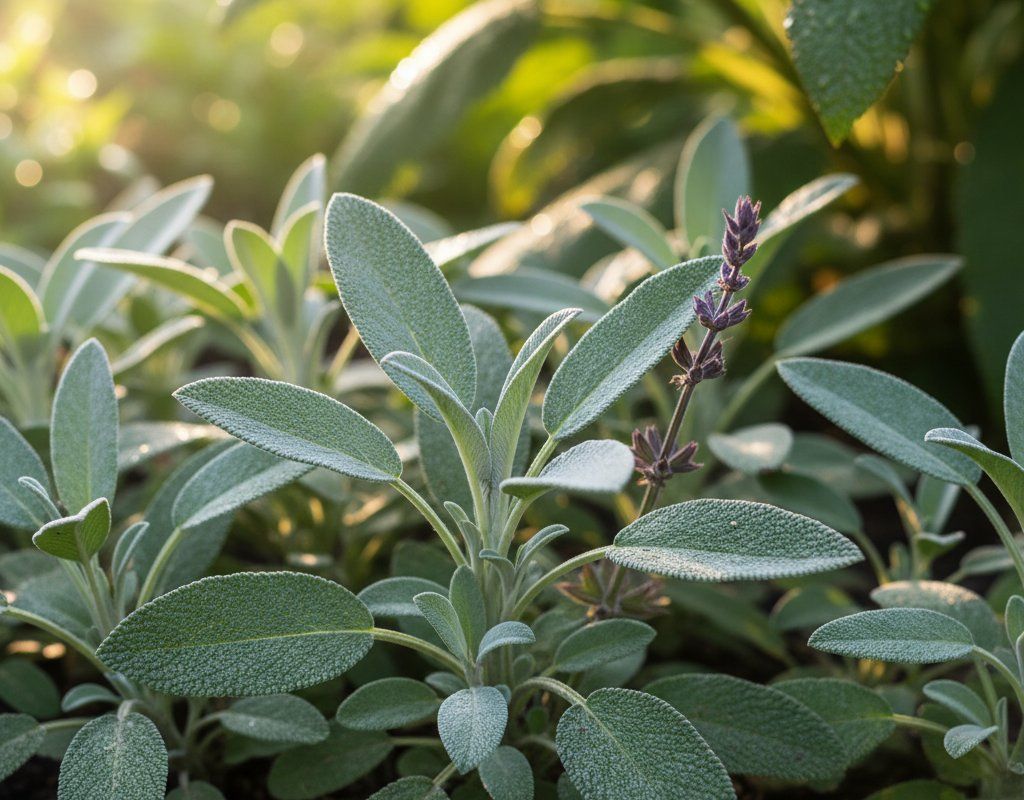
Good companions for Bay Laurel include green beans, rosemary, and sage. Green beans fix nitrogen in the soil, which benefits Bay Laurel's growth. Rosemary and sage deter pests with their strong scents, helping protect your Bay Laurel from unwanted visitors.
Avoid planting Bay Laurel near plants that require consistently moist soil, as Bay Laurel prefers moderate watering.
🌸Best Flowers to Plant with Bay Laurel
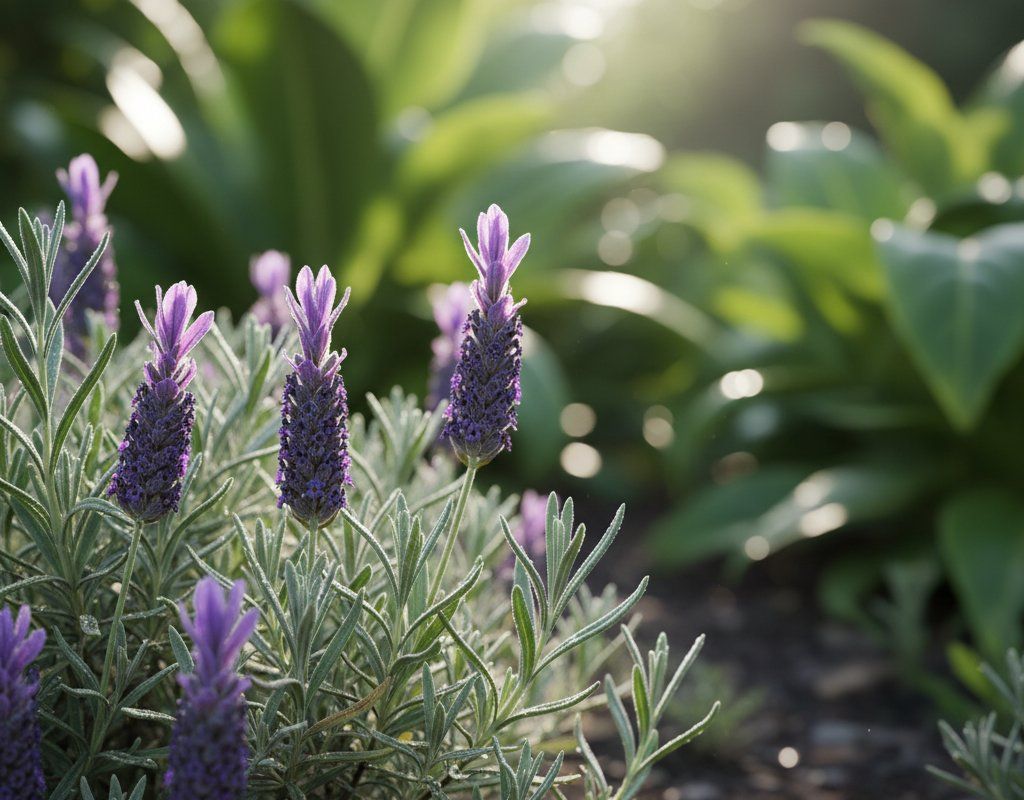
These flowers protect your Bay Laurel from pests and attract pollinators for better harvests.
For Pest Control
For Pollinators
Get a Reminder When It's Time to Plant
We'll email you when key planting windows open for your zone.