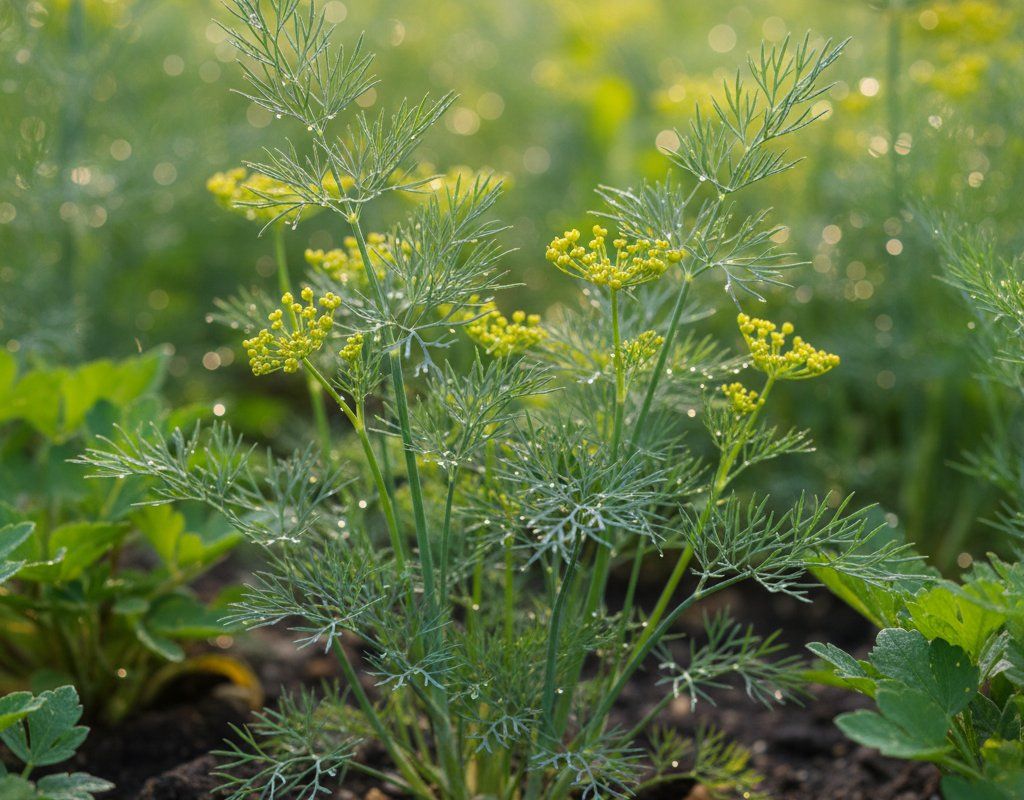
Dill in Zone 8A — Texas
Anethum graveolens · Your Complete 2026 Planting Guide
Missed Seed Starting? No Problem!
Wait for starts to become available.
What to Do
Starts will be available at nurseries in 8 days (around March 12).
How to Plant Dill in Zone 8A — Texas
Here are all your options for getting dill in the ground, from the easiest method to more advanced approaches.
Direct Sow Seeds
RecommendedEarly March through late September
around March 5
Consider succession planting every 2-3 weeks for continuous harvest.
Dill has a taproot and prefers direct sowing, but transplants work if handled carefully.
Start Seeds Indoors
RecommendedEarly to late February
around February 12
Then transplant: Mid March through late April
Start seeds 4-6 weeks before transplanting outdoors.
Buy Starts
Works WellMid March through late April
around March 12
Plant purchased starts after last frost (March 5).
Transplant Outdoors
Timing InfoMid March through late April
around March 12
Can tolerate light frost, but wait for soil to be workable.
You have a nice window — no need to rush.
Fall Planting
Late September through late October
October 9 ideal · Direct sow for fall harvest
Plant a second crop in mid-summer for fall harvest. Dill actually prefers the cooling temperatures of fall.
Overview
Dill brings that fresh, tangy flavor to your Texas kitchen that you just can't get from dried herbs at the store. In our Zone 8A climate, dill thrives during our mild winters and can give you two solid growing seasons if you time it right. The feathery leaves are perfect for pickles, potato salad, and fish dishes, while the seeds add depth to soups and breads.
Our Texas heat and unpredictable weather can be tough on dill, but with our 260-day growing season, you have plenty of opportunities to get it right. The key is working with our climate patterns rather than fighting them - plant early in spring before the brutal summer heat hits, then again in fall when temperatures start to moderate.
Starting Seeds Indoors
Starting dill indoors isn't the most common approach, but it makes sense if you want to get a jump on the season or have better control over germination. Start your seeds early to late February, about four weeks before you plan to transplant outside. Use seed trays filled with good seed-starting mix, and keep them warm - around 65-70°F works well.
Bottom watering works best for dill seedlings since they can be prone to damping off if the soil surface stays too wet. Place your seed trays in a shallow pan of water and let the soil soak up moisture from below. With our early spring weather in Texas, you'll want those seedlings ready to go outside by mid-March when conditions start to stabilize.
Keep in mind that dill has a long taproot and doesn't love being transplanted, so handle the seedlings gently and try not to disturb the roots too much when moving them to larger containers.
Transplanting Outdoors
If you started dill indoors, you can transplant outside from mid-March through late April, depending on how our unpredictable spring weather is behaving. Before moving your seedlings outside permanently, harden them off gradually over about a week - start with just a few hours outside in morning sun, then gradually increase their outdoor time.
Space your transplants 12 inches apart to give them room to develop their full, feathery growth. Our Texas weather can swing from mild to hot pretty quickly in spring, so keep an eye on forecasts and be ready to provide some afternoon shade if we get an early heat wave.
The biggest challenge with transplanting dill is that taproot - it doesn't like being disturbed. Plant them at the same depth they were growing in their containers and water them in gently. If you're careful with the roots, transplanted dill will establish well in our Zone 8A conditions.
Direct Sowing
Direct sowing is actually dill's preferred method since it avoids any root disturbance from transplanting. You can sow dill directly in the garden from early March through late September, which gives you lots of flexibility with our long growing season. The soil should be workable and not waterlogged - wait for any late winter rains to drain off before planting.
Plant seeds about 1/4 inch deep and space them 12 inches apart, or sow more thickly and thin later. Dill prefers soil temperatures around 60-70°F for best germination, which typically happens by early March in our area. The seeds usually germinate within 7-14 days if conditions are right.
For continuous harvests, succession plant every 2-3 weeks through spring, then start again in late summer for fall production. This keeps you in fresh dill without having all your plants bolt at once when our summer heat kicks in. Direct-sown dill develops a stronger root system and tends to be more heat-tolerant than transplants.
Watering Dill in Zone 8A (Texas)
Dill needs moderate water to stay productive, but it's not drought tolerant like some herbs. In our Texas climate with unpredictable rainfall, you'll need to stay on top of watering, especially during our hot, dry spells. Plan on about 1 inch of water per week, including rainfall - more during the peak summer heat if you're growing fall dill.
Use the finger test to check soil moisture: stick your finger 2 inches into the soil near the plants. If it's dry at that depth, it's time to water. Water at the base of the plants rather than overhead, especially during our humid periods when wet leaves can lead to disease problems. Variable humidity in Texas means some days you'll want to avoid getting the foliage wet.
During our brutal summer months, dill will bolt quickly if it gets stressed from heat and drought. This is why most Texas gardeners focus on spring and fall plantings when temperatures are more manageable. If you do grow summer dill, provide afternoon shade and keep the soil consistently moist.
Apply a light layer of mulch around your plants to help retain moisture and keep the roots cool. In our climate, organic mulch like compost or shredded leaves works well without holding too much moisture during our occasional heavy rains.
🧪Fertilizing Dill
Feeding Schedule
Organic Fertilizer Options
Harvest Time
Your first dill harvest typically starts mid-April if you planted early, and can continue through late November with succession plantings and fall crops. With dill's 40-day maturity, you'll see harvestable leaves pretty quickly once the weather warms up in spring. Start harvesting when plants are about 6-8 inches tall by cutting individual fronds near the base.
For fresh leaves, harvest in the morning after the dew dries but before the Texas heat gets intense. Cut the outer stems first, leaving the center to keep producing. The feathery leaves are best when young and tender - once the plant starts forming flower heads, the leaves can become tougher and more bitter.
If you want dill seed for pickling, let some plants go to flower and then wait until the flower heads turn brown and dry. This usually happens in late spring before the summer heat gets too intense, or in fall plantings. Cut the seed heads into a paper bag and shake to release the seeds.
Keep succession planting every few weeks during the growing season to maintain a continuous supply. As our first frost approaches in mid-November, harvest any remaining plants completely since dill won't survive our winter freezes, even though they're usually mild in Zone 8A.
Common Problems in Zone 8A (Texas)
Bolting Dill sends up a tall flower stalk prematurely, and the leaves become bitter and tough as the plant shifts energy to seed production. You'll notice the center of the plant shooting up with umbrella-like flower clusters. In Texas, this happens fast once our heat kicks in - sometimes seemingly overnight when temperatures jump from pleasant to sweltering.
Our intense Texas heat and long summer days trigger bolting quickly, especially if plants get drought stressed. The fix is timing your plantings right for our climate - focus on early spring and fall when temperatures stay moderate. Provide afternoon shade during heat waves and keep soil consistently moist. Choose slow-bolt varieties if available, and succession plant every few weeks rather than planting all at once.
Aphids Small, soft-bodied insects cluster on stems and under leaves, leaving behind sticky honeydew residue. You might see green, black, or white clusters that cause new growth to curl and distort. Fire ants in Texas often farm aphids for their honeydew, so if you see ant trails leading to your dill, check for aphids too.
Aphid populations explode in our warm Texas weather, especially during spring and fall when conditions are perfect for dill. A strong spray from the garden hose knocks most aphids off plants. Encourage beneficial insects like ladybugs and lacewings that eat aphids. For heavy infestations, insecticidal soap works well, and neem oil provides systemic control.
Caterpillars Various caterpillars chew holes in dill leaves, with parsley worms (black, green, and yellow striped) being particularly common since dill is in the same family as parsley. You'll see irregular holes in leaves and dark droppings on plants. The black swallowtail caterpillars are actually beneficial butterflies in their adult stage.
Hand-picking works well for small numbers of caterpillars. For the pretty swallowtail caterpillars, consider letting them finish their cycle since you'll get beautiful butterflies. Bt (Bacillus thuringiensis) spray targets caterpillars specifically without harming beneficial insects if you need stronger control.
Texas Specific Challenges Our hot-to-extreme heat and variable humidity create unique challenges for dill. The rapid temperature swings from mild spring weather to scorching summer heat can shock plants into bolting before you get much harvest. Focus on cool-season growing windows and be prepared to provide shade or move container plants during the worst heat.
Best Companions for Dill
Plant these nearby for healthier Dill and better harvests.


Keep Away From
Companion Planting Details
Dill makes an excellent companion for cabbage family plants, cucumbers, onions, and lettuce in your Texas garden. The strong scent helps repel cabbage worms from broccoli and cauliflower, while attracting beneficial insects that prey on cucumber beetles. Plant dill near your cucumber trellises to help with pest control, and the timing works well since both prefer our cooler spring and fall weather.
Avoid planting dill near carrots since they can cross-pollinate and affect flavor, and keep it away from tomatoes since dill can inhibit tomato growth. The timing doesn't work well anyway - tomatoes thrive in our summer heat when dill prefers to bolt. Stick with cool-season companions that share dill's preference for moderate temperatures and consistent moisture.
🌸Best Flowers to Plant with Dill
These flowers protect your Dill from pests and attract pollinators for better harvests.
For Pest Control




Get a Reminder When It's Time to Plant
We'll email you when key planting windows open for your zone.