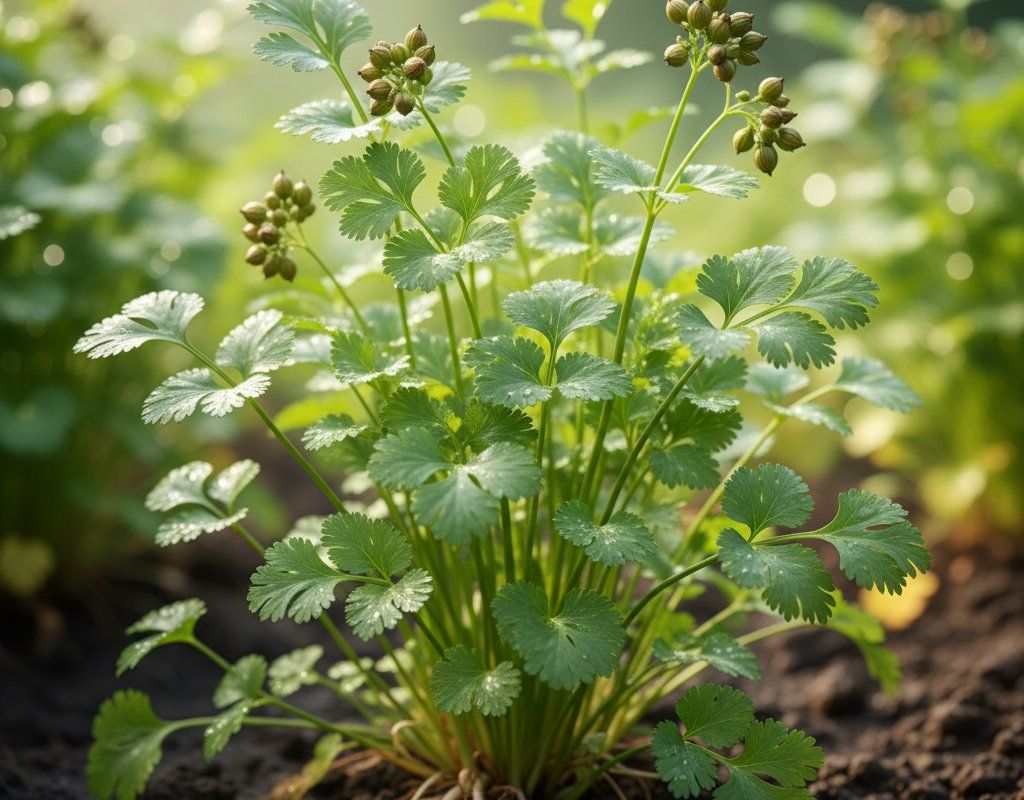
Cilantro in Zone 8A — Texas
Coriandrum sativum · Your Complete 2026 Planting Guide
Missed Seed Starting? No Problem!
Wait for starts to become available.
What to Do
Starts will be available at nurseries in 1 days (around March 5).
How to Plant Cilantro in Zone 8A — Texas
Here are all your options for getting cilantro in the ground, from the easiest method to more advanced approaches.
Direct Sow Seeds
RecommendedMid February through late September
around February 19
Consider succession planting every 2-3 weeks for continuous harvest.
Cilantro bolts quickly in heat. Direct sow in cool weather for best results.
Start Seeds Indoors
RecommendedLate January through mid February
around February 5
Then transplant: Early March through mid April
Start seeds 4-6 weeks before transplanting outdoors.
Buy Starts
Works WellEarly March through mid April
around March 5
Plant purchased starts after last frost (March 5).
Transplant Outdoors
Timing InfoEarly March through mid April
around March 5
Can tolerate light frost, but wait for soil to be workable.
You have a nice window — no need to rush.
Fall Planting
Late September through late October
October 9 ideal · Direct sow for fall harvest
Plant a second crop in mid-summer for fall harvest. Cilantro actually prefers the cooling temperatures of fall.
Overview
Cilantro brings fresh, distinctive flavor to your Texas kitchen that you simply can't get from the store. In our long growing season, you can enjoy continuous harvests from early spring through late fall, making it one of the most rewarding herbs for our climate. The leaves add that bright, citrusy punch to salsas, tacos, and cooling summer dishes that help beat the Texas heat.
While our unpredictable weather and intense summer temperatures can challenge cilantro's cool-season nature, smart timing turns these obstacles into opportunities. Your 260-day growing season means you can succession plant every few weeks from late winter through fall, ensuring fresh cilantro when you need it most. The key is working with our climate patterns rather than fighting them.
Starting Seeds Indoors
Starting cilantro indoors makes sense during our unpredictable late winter weather, especially if you want earlier harvests. Begin seeds in late January through mid-February, about four weeks before your last expected frost in early March. This gives you transplants ready to go out when conditions stabilize.
Use seed trays with good drainage and keep them warm (65-70°F) until germination, which typically takes 7-14 days. Bottom watering works best since cilantro seedlings are prone to damping off in overly wet surface soil. Once sprouted, they need bright light—a sunny south window or grow lights work well.
Since cilantro doesn't love root disturbance, consider starting seeds in biodegradable pots you can plant directly. This method gives you the control indoor starting provides while avoiding transplant shock that can trigger early bolting in our warming spring weather.
Transplanting Outdoors
Transplant your indoor-started cilantro seedlings from early March through mid-April, timing it with our typically mild spring weather. Start hardening them off about a week before transplanting by gradually exposing them to outdoor conditions—begin with a few hours of morning sun and work up to full days outside.
Space transplants 6-8 inches apart in well-draining soil that's been enriched with compost. Plant them at the same depth they were growing in their containers to avoid stem rot. Early spring transplants benefit from the cool, moist conditions before our intense heat arrives.
Watch for those late cold snaps that can surprise us in March—be ready to cover plants if temperatures drop unexpectedly. Row covers or even overturned buckets work well for protection during brief cold spells that are common during our transition to warmer weather.
Direct Sowing
Direct sowing works exceptionally well for cilantro in Texas, especially during our cooler months from mid-February through late September. The trick is timing your sowings to avoid the worst heat—plant early spring crops before the brutal summer arrives, then resume in late August for fall harvests.
Prepare your soil when it's workable but not soggy from winter rains. Cilantro seeds need consistent moisture to germinate, so work in some compost to help retain water. Sow seeds ¼ inch deep and space them 6-8 inches apart, or plant more densely and thin as they grow.
For continuous harvests, succession plant every 2-3 weeks during the cooler months. Skip midsummer sowings unless you can provide afternoon shade—cilantro bolts quickly when daytime temperatures consistently hit the 90s, which happens frequently here from June through August.
Watering Cilantro in Zone 8A (Texas)
Cilantro needs consistent moisture to prevent the quick bolting that plagues this crop in our Texas heat. Aim for about 1 inch of water per week, checking soil moisture with the finger test—stick your finger 2 inches down, and water when it feels dry at that depth. Never let the soil completely dry out.
During our unpredictable spring weather, natural rainfall often handles watering needs, but be prepared to supplement during dry spells. Summer cilantro (if you're brave enough to try it) needs daily attention since our typical 97°F days combined with variable humidity can stress plants quickly. Water at the base of plants early morning to avoid encouraging fungal issues.
Our intense heat means mulching becomes critical for cilantro success. A 2-inch layer of organic mulch helps retain soil moisture and keeps roots cooler during temperature spikes. When flash floods hit—and they will—ensure your cilantro beds have good drainage since waterlogged roots cause rapid plant decline.
Fall-planted cilantro is much more forgiving with water needs as temperatures moderate and natural rainfall typically increases. Still check soil moisture regularly, but you won't need the intensive watering schedule required during hot weather attempts.
🧪Fertilizing Cilantro
Feeding Schedule
Organic Fertilizer Options
Harvest Time
Your first cilantro harvest typically begins in early April and can continue through late November with successive plantings. Plants reach harvestable size about 45 days from seeding, when they're 6+ inches tall with several sets of true leaves developed.
Harvest by cutting outer stems at the base, leaving the center growing point intact for continued production. Take no more than one-third of the plant at a time to keep it productive. Fresh morning harvests taste best—the leaves have more oil content and better flavor before the day's heat concentrates their essence.
Once cilantro sends up its flower stalk (bolting), leaf production drops and flavor turns bitter. You can delay this by pinching flower buds, but in our Texas heat, bolting is inevitable. When it happens, harvest remaining good leaves quickly and start your next succession planting.
Plan your final plantings for late September through October to ensure harvests until our first frost in mid-November. Fall-grown cilantro often produces the best flavor since cooler weather keeps plants from rushing to seed, giving you weeks of prime harvest time.
Common Problems in Zone 8A (Texas)
Bolting Your cilantro suddenly sends up a tall flower stalk and leaves turn bitter or tough. This premature flowering shifts the plant's energy from producing the leaves you want to making seeds. In Texas, bolting happens fast once temperatures consistently hit the upper 80s and 90s.
Hot weather, long days, and drought stress all trigger bolting, which makes timing crucial here. Plant early enough to harvest before intense heat arrives, or wait until late summer for fall crops. Provide afternoon shade during warm spells and maintain consistent soil moisture. Choose heat-tolerant varieties when available, and succession plant every 2-3 weeks rather than relying on one large planting.
Aphids Tiny soft-bodied insects cluster on stems and leaf undersides, leaving sticky honeydew residue and causing new growth to curl or distort. These green, black, or white pests multiply rapidly in our warm weather, and fire ants often protect aphid colonies to harvest their sweet secretions.
Texas heat creates perfect conditions for aphid population explosions, especially on stressed plants. Strong water sprays knock them off effectively—use your hose early morning when it's cooler. Encourage natural predators like ladybugs and lacewings by planting diverse flowering plants nearby. For heavy infestations, insecticidal soap or neem oil works well, but avoid excess nitrogen fertilizer which attracts aphids.
Leaf Spot Brown or black spots appear on leaves, often with yellow halos, eventually causing leaves to drop. This fungal disease thrives in our variable humidity conditions, especially when plants stay wet from overhead watering or heavy dew during humid periods.
Poor air circulation and wet foliage create perfect conditions for leaf spot in Texas. Water at the base of plants rather than overhead, and space plants properly for good airflow. Remove affected leaves immediately and dispose of them away from your garden. Copper-based fungicides can help prevent spread, but good cultural practices matter more than treatments.
Texas Specific Challenges Our extreme heat combined with unpredictable rainfall creates unique stress for cilantro. The plant wants cool, consistent conditions but gets temperature swings, drought followed by flash floods, and humidity that can vary dramatically. Success comes from working with these patterns—plant during cooler windows, provide protection during heat waves, and maintain excellent drainage for those sudden deluges that characterize Texas weather.
Best Companions for Cilantro
Plant these nearby for healthier Cilantro and better harvests.

Keep Away From

Companion Planting Details
Plant cilantro alongside tomatoes, spinach, and peppers for natural pest control benefits. The strong scent of cilantro helps repel aphids and whiteflies that commonly attack tomatoes and peppers in our Texas heat, while its flowers attract beneficial insects when you let a few plants bolt. Spinach makes an excellent companion since both prefer cooler weather and similar watering schedules.
Beans also pair well with cilantro since the herb's taproot doesn't compete with beans' nitrogen-fixing nodules, and both benefit from the light shade beans can provide during hot Texas afternoons. However, keep cilantro far from fennel—these plants inhibit each other's growth and fennel can cause cilantro to bolt prematurely, which you're already fighting against in our challenging climate.
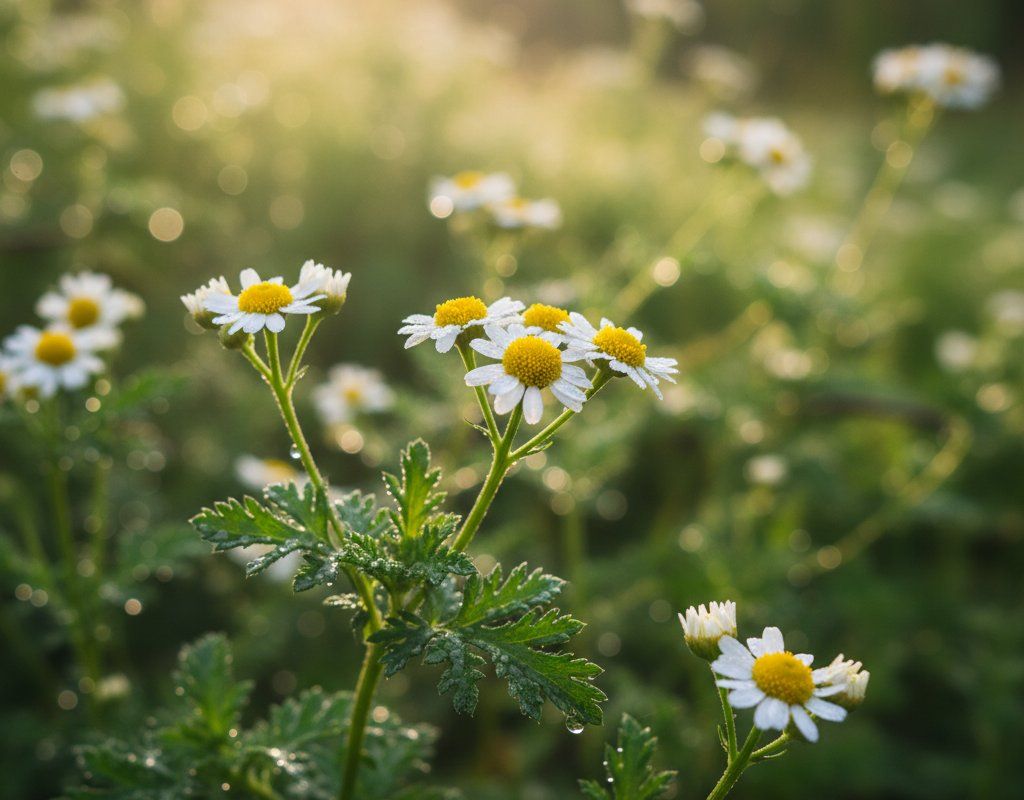
🌸Best Flowers to Plant with Cilantro
These flowers protect your Cilantro from pests and attract pollinators for better harvests.



Get a Reminder When It's Time to Plant
We'll email you when key planting windows open for your zone.