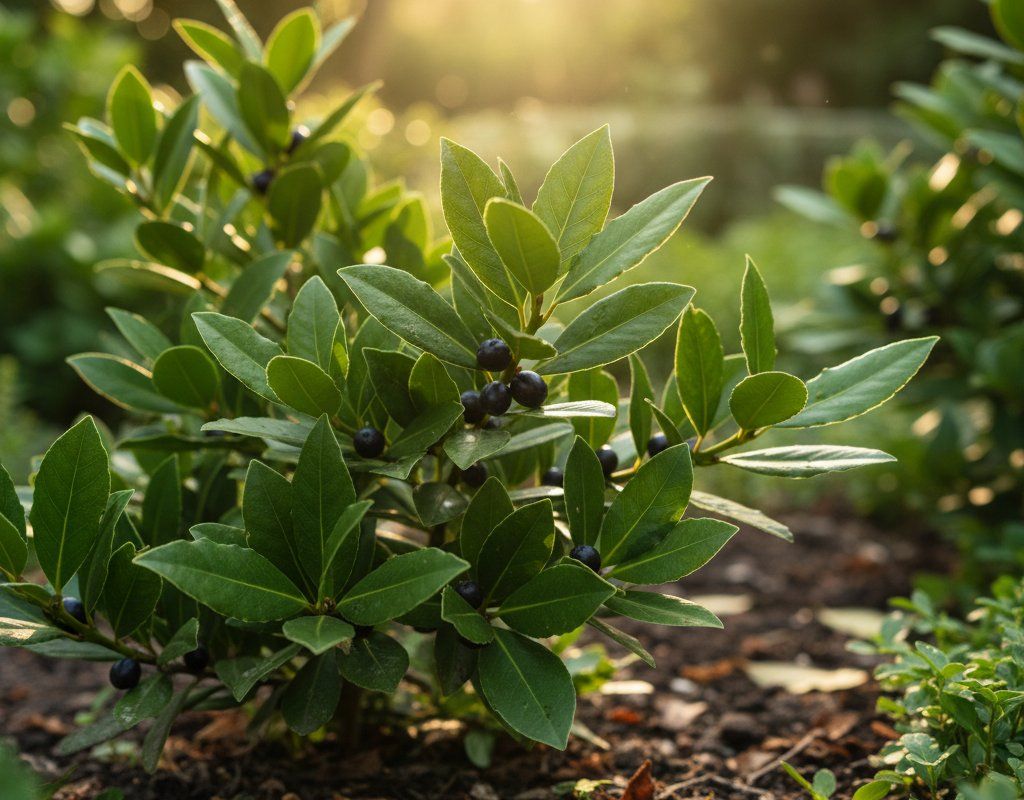
Bay Laurel in Zone 9A — Northern California
Laurus nobilis · Your Complete 2026 Planting Guide
Too Late for Bay Laurel
Not enough growing season left (need 379 days, only 276 remain)
📊 See the math
How to Plant Bay Laurel in Zone 9A — Northern California
Here are all your options for getting bay laurel in the ground, from the easiest method to more advanced approaches.
Buy Starts
RecommendedEarly to mid March
around March 6
Plant purchased starts after last frost (February 20).
Extremely slow from seed (years to reach usable size). Buy established plants.
Start Seeds Indoors
Works WellEarly to late December
around December 12
Then transplant: Early to mid March
Start seeds 12-14 weeks before transplanting outdoors.
Direct Sow Seeds
ChallengingDirect sowing is not typical for Bay Laurel.
Transplant Outdoors
Timing InfoEarly to mid March
around March 6
Can tolerate light frost, but wait for soil to be workable.
Timing is critical in your zone — don’t delay!
Overview
Bay Laurel is a fantastic addition to any Northern California garden. Its aromatic leaves elevate your cooking, bringing a taste of the Mediterranean right to your kitchen. Plus, it thrives in our mild winters and dry summers, adding beauty and fragrance to your landscape year-round.
While we face challenges like drought and occasional summer heat waves, Bay Laurel’s resilience makes it a worthwhile choice. Our long growing season, nearly 10 months, gives it plenty of time to establish and flourish. With a little care, you'll be harvesting fresh bay leaves from early March through mid December.
Starting Seeds Indoors
Starting Bay Laurel from seed indoors is possible, but honestly, it's a slow process that can take years to yield usable leaves. If you're patient and enjoy a challenge, start your seeds early to late December, giving them about 12 weeks indoors.
Use seed trays with a well-draining potting mix and provide consistent warmth, around 70-75°F. Bottom watering helps prevent damping-off and keeps the seedlings evenly moist. A grow light is beneficial, especially with our early spring character, ensuring they get enough light before transplanting.
Transplanting Outdoors
Transplant your Bay Laurel seedling outdoors in early to mid March. Before planting, harden off the seedling by gradually exposing it to outdoor conditions for about a week. This helps it adjust to the NorCal sunshine and cooler nighttime temperatures.
Choose a sunny spot with well-drained soil, spacing plants 48-96 inches apart to allow for mature growth. Given how slow they are to start from seed, consider buying an established plant from a local nursery instead. You'll get a head start and be harvesting sooner.
Watering Bay Laurel in Zone 9A (Northern California)
Established Bay Laurel trees are relatively drought-tolerant, which is a major plus for Northern California gardeners facing water restrictions. During our dry summers, however, young plants and those in containers will need more regular watering.
From late spring through summer, water deeply about once a week, providing about 1-2 inches of water. Use the "finger test" – stick your finger about 2 inches into the soil. If it feels dry, it's time to water. Water at the base of the plant to avoid wetting the leaves, which can encourage fungal diseases in our low-humidity environment.
Signs of underwatering include wilting leaves and slow growth. Overwatering can lead to root rot, indicated by yellowing leaves and a generally unhealthy appearance. Mulching around the base of the plant with wood chips or bark helps retain moisture and regulate soil temperature, a great practice here.
Pruning & Maintaining Bay Laurel
Bay Laurel requires minimal pruning, which is great for low-maintenance gardens. Focus on maintaining its shape and size, especially if you're growing it in a smaller space.
Prune any dead, damaged, or crossing branches in the spring. You can also lightly shape the plant at this time. Don't worry about heavy pruning; Bay Laurel tolerates it well. For end-of-season strategy, there is nothing special to do. Even with our first frost around early December, Bay Laurel handles it well.
🧪Fertilizing Bay Laurel
Feeding Schedule
Organic Fertilizer Options
Harvest Time
You can start harvesting bay leaves from your Bay Laurel as early as early March, and continue through mid December. However, the first year, let the plant establish itself first.
Look for mature, dark green leaves, as these have the strongest flavor. Simply snip off individual leaves as needed, being careful not to damage the surrounding branches. Regular harvesting encourages new growth and keeps your plant productive.
As our first frost approaches in early December, you can harvest a larger batch of leaves for drying and preserving for winter use. Simply hang them upside down in a cool, dry place until they are brittle.
Common Problems in Zone 9A (Northern California)
Here are a few common problems to watch out for with Bay Laurel in Northern California:
Scale Insects
- What it looks like: Small, brown, shell-like bumps on the leaves and stems.
- What causes it: These sap-sucking insects thrive in warm, dry conditions, which are common during our NorCal summers.
- How to fix/prevent it: Inspect your plant regularly. For small infestations, wipe them off with a damp cloth. For larger problems, use horticultural oil or insecticidal soap, following label instructions.
Cold Damage
- What it looks like: Brown or black leaves, especially on younger growth, after a frost.
- What causes it: Although Bay Laurel is semi-hardy, temperatures below zone 8 can cause damage, especially to young plants.
- How to fix/prevent it: Protect young plants with burlap or frost cloth during cold snaps. Established plants are generally more cold-tolerant. Choose a sheltered location when planting.
Slow Growth
- What it looks like: Minimal new growth, even with adequate watering and sunlight.
- What causes it: Bay Laurel is naturally a slow grower, but poor soil conditions or lack of nutrients can exacerbate the problem.
- How to fix/prevent it: Amend the soil with compost or other organic matter at planting time. Fertilize lightly in the spring with a balanced fertilizer.
Northern California Specific Challenges: Our moderate-to-hot summers, low humidity, and dry-summer rainfall create a unique environment for Bay Laurel. While the plant is drought-tolerant, consistent watering during the hottest months is crucial, especially for container plants. Monitor for pests like scale, which thrive in dry conditions. Mulching helps retain moisture and regulate soil temperature, mitigating the effects of our fluctuating climate.
Best Companions for Bay Laurel
Plant these nearby for healthier Bay Laurel and better harvests.
View Full Companion Planting Chart →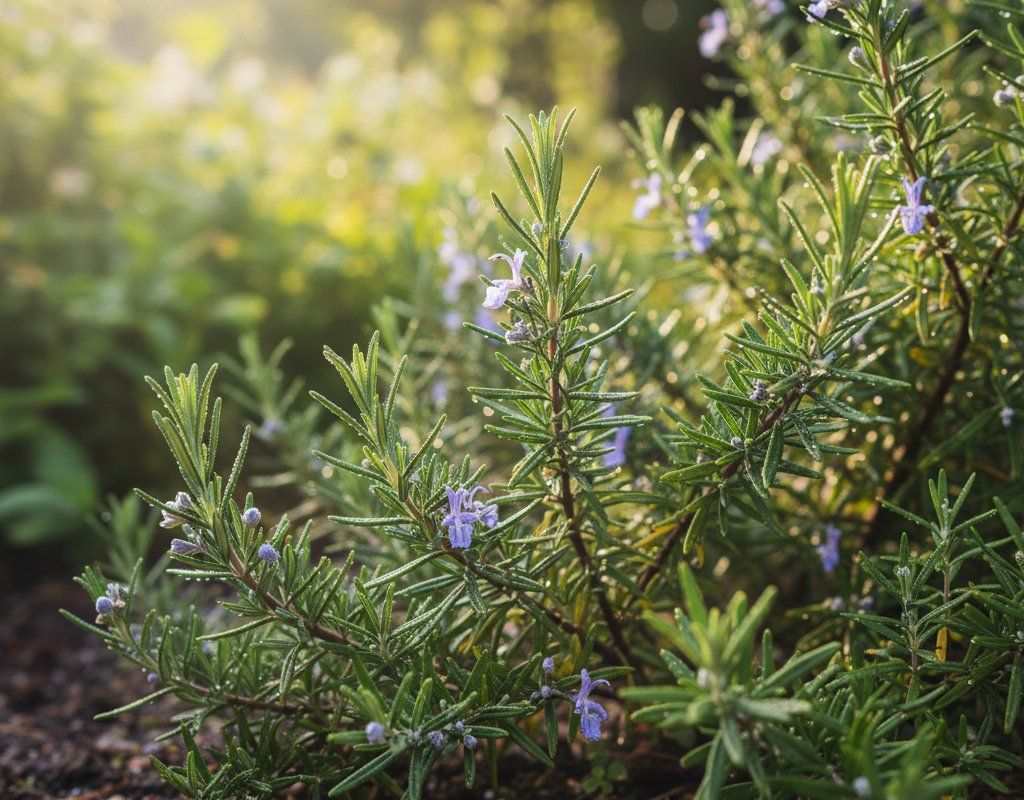
Companion Planting Details
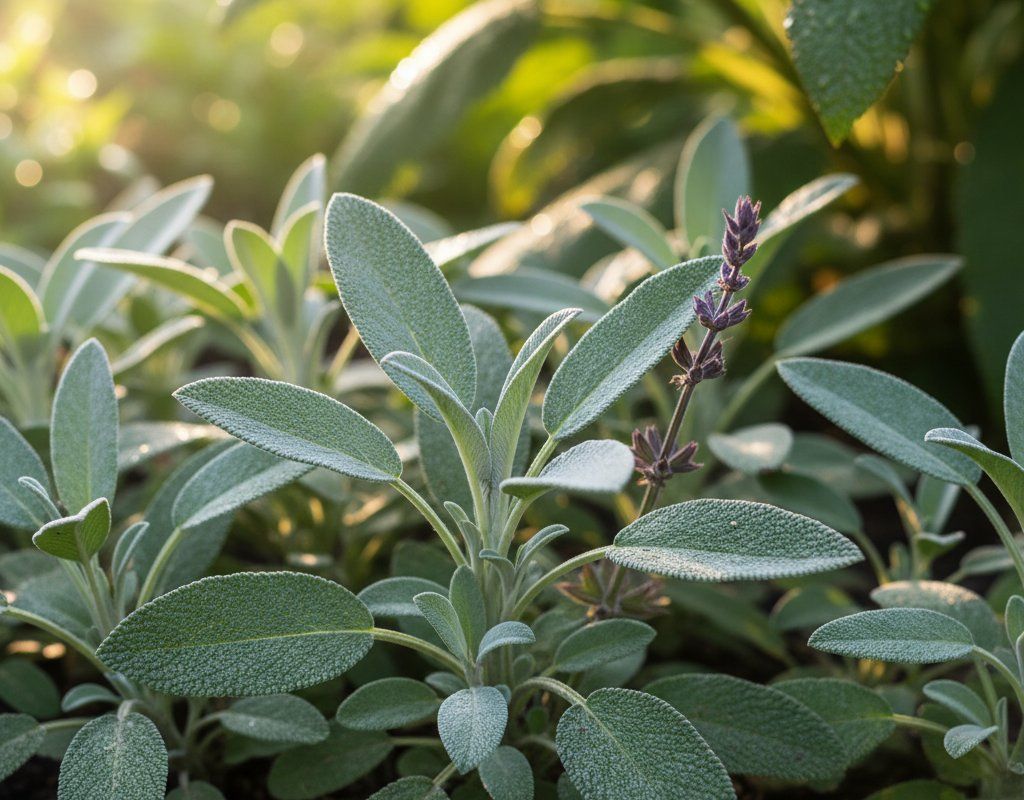
Bay Laurel benefits from companion planting in a Northern California garden. Green beans are a great choice because they fix nitrogen in the soil, enriching it for the Bay Laurel. Rosemary and sage also make excellent companions. Their strong scents deter pests that might bother your Bay Laurel.
Avoid planting Bay Laurel near aggressive, competitive plants that will steal water and nutrients. For example, mint is not a good companion because it spreads aggressively and can quickly take over a garden bed.
🌸Best Flowers to Plant with Bay Laurel
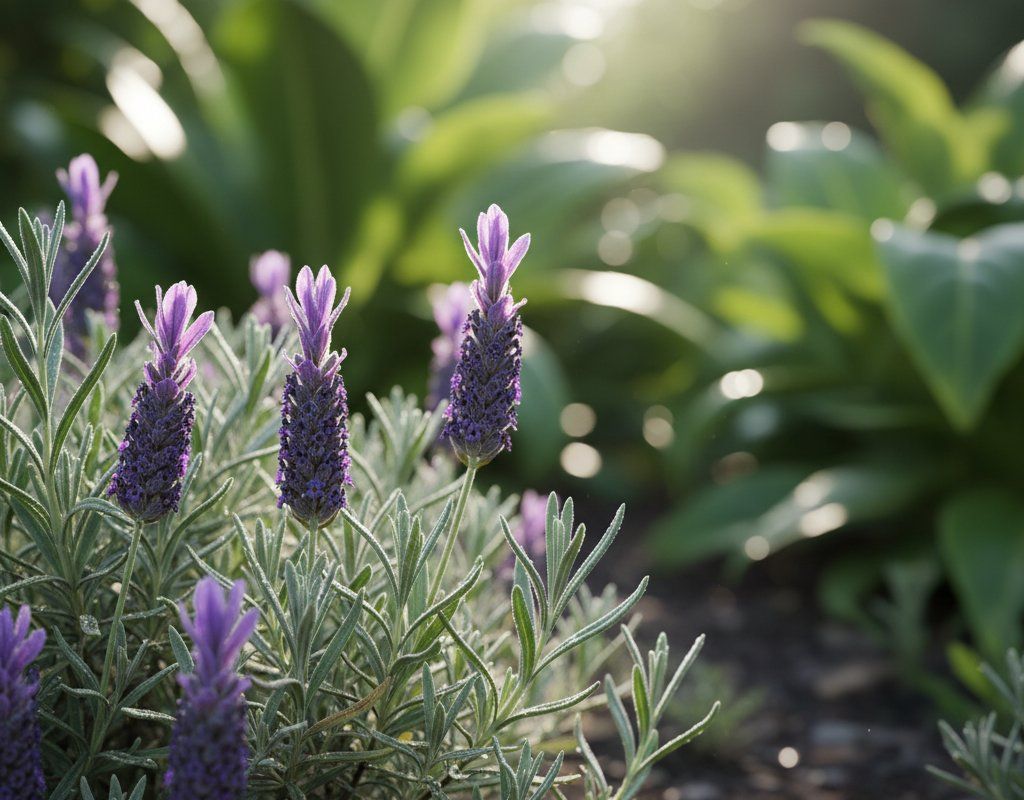
These flowers protect your Bay Laurel from pests and attract pollinators for better harvests.
For Pest Control
For Pollinators
Get a Reminder When It's Time to Plant
We'll email you when key planting windows open for your zone.