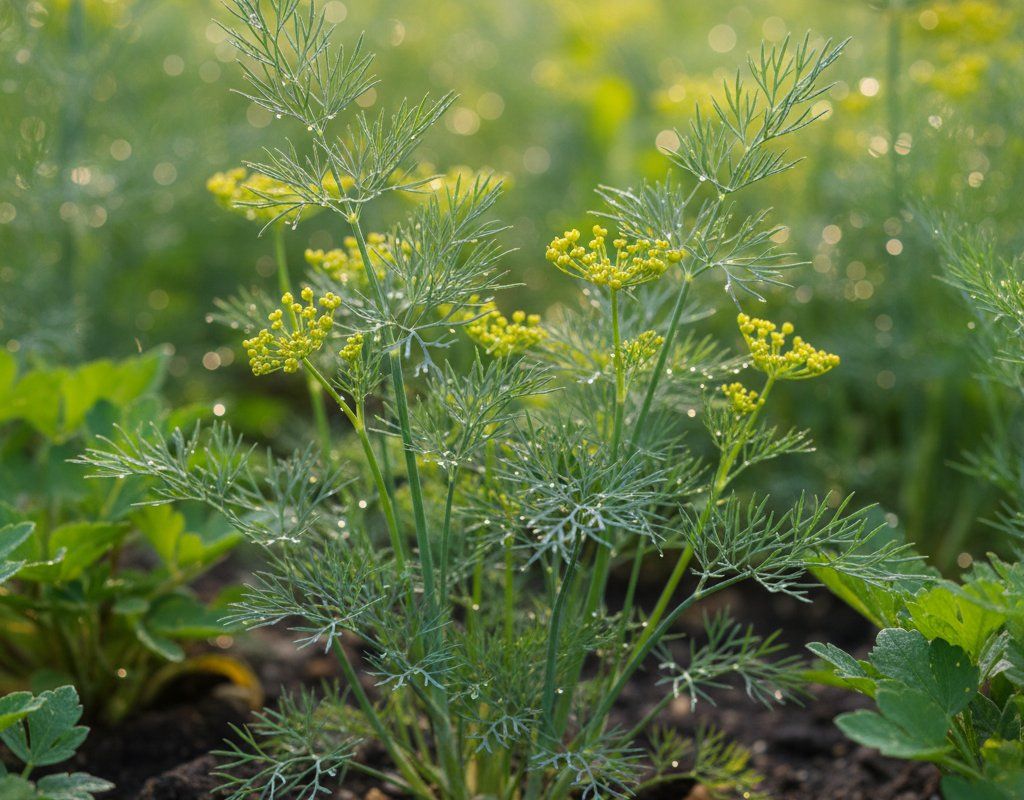
Dill in Zone 9A — Northern California
Anethum graveolens · Your Complete 2026 Planting Guide
Time to Buy Starts!
Seed starting window passed, but starts are available now.
Buy Starts Now
Head to your local nursery, Home Depot, or farmers market for transplants.
- Look for stocky plants with dark green leaves
- Avoid leggy seedlings or plants already flowering
- Check that roots aren't circling the pot (rootbound)
How to Plant Dill in Zone 9A — Northern California
Here are all your options for getting dill in the ground, from the easiest method to more advanced approaches.
Direct Sow Seeds
RecommendedMid February through mid October
around February 20
Consider succession planting every 2-3 weeks for continuous harvest.
Dill has a taproot and prefers direct sowing, but transplants work if handled carefully.
Start Seeds Indoors
RecommendedLate January through mid February
around January 30
Then transplant: Late February through early April
Start seeds 4-6 weeks before transplanting outdoors.
Buy Starts
Works WellLate February through early April
around February 27
Plant purchased starts after last frost (February 20).
Transplant Outdoors
Timing InfoLate February through early April
around February 27
Can tolerate light frost, but wait for soil to be workable.
You have a nice window — no need to rush.
Fall Planting
Early October through early November
October 24 ideal · Direct sow for fall harvest
Plant a second crop in mid-summer for fall harvest. Dill actually prefers the cooling temperatures of fall.
Overview
Dill thrives in Northern California's Mediterranean climate, giving you fresh, feathery herbs for pickling, fish dishes, and summer salads throughout our long growing season. The herb's delicate anise flavor is unmatched when harvested fresh from your garden, and it's particularly satisfying to grow your own dill for those famous NorCal farmers market-style pickled vegetables. Our mild winters and early spring allow for extended harvests that simply aren't possible in harsher climates.
While our dry summers and occasional heat waves can challenge dill's preference for consistent moisture, smart timing makes it completely manageable. With our generous 288-day growing season, you can succession plant dill from late winter through fall, avoiding the hottest months when it tends to bolt. The key is working with our climate patterns rather than against them.
Starting Seeds Indoors
Starting dill indoors isn't necessary in our mild Northern California climate, but it can give you a head start if you want early spring herbs. Sow seeds in seed trays from late January through mid-February, about four weeks before you plan to transplant outdoors. Dill seeds germinate best with bottom heat around 65-70°F, which is easy to achieve indoors during our cool winter months.
Use a standard seed-starting mix and keep it consistently moist with bottom watering - dill seeds are small and can wash away with overhead watering. Place trays under grow lights or in a sunny south-facing window. Since our springs arrive early compared to much of the country, you won't need to keep seedlings indoors for long.
Keep in mind that dill has a long taproot and doesn't love being transplanted, so direct sowing is often the better choice here in NorCal. Indoor starting makes most sense if you want very early herbs or if you're dealing with a particularly challenging microclimate in your garden.
Transplanting Outdoors
If you've started dill indoors, transplant seedlings outdoors from late February through early April, after our last frost risk passes. Our typically mild late winter makes this transition easier than in most regions, but you'll still want to harden off seedlings for about a week before transplanting. Gradually increase their outdoor exposure, starting with a few hours of morning sun.
Space transplants 12 inches apart in well-draining soil - closer spacing in our Mediterranean climate can lead to poor air circulation and moisture issues. Handle the seedlings gently since dill's taproot doesn't appreciate disturbance. Plant them at the same depth they were growing in their containers.
Watch for those variable early spring weather patterns we're known for - a warm spell followed by a cool snap can stress young transplants. Keep row cover handy for unexpected cold nights, though hard freezes are rare after mid-February in most NorCal areas.
Direct Sowing
Direct sowing is the preferred method for dill in Northern California since the herb's taproot develops best when undisturbed. Sow seeds directly in the garden from mid-February through mid-October, taking advantage of our extended growing season. The soil should be workable and not waterlogged from winter rains.
Prepare your planting area with compost worked into well-draining soil - our clay soils benefit from this amendment. Sow seeds about 1/4 inch deep and 12 inches apart, or scatter more thickly and thin later. Dill seeds germinate when soil temperatures reach about 60°F, which happens early in our region compared to colder climates.
For continuous harvest, succession plant every 2-3 weeks through spring and fall, skipping the hottest summer months when dill tends to bolt quickly. Our long, mild autumn is perfect for a final round of dill that will produce well into December in many NorCal microclimates.
Watering Dill in Zone 9A (Northern California)
Dill needs consistent but moderate moisture in our Northern California climate, where the combination of dry summers and low humidity means you'll be doing most of the watering yourself. Aim for about 1 inch of water per week, checking soil moisture with the finger test - stick your finger 2 inches into the soil, and water when it feels dry at that depth.
Water at the base of plants rather than overhead to prevent fungal issues in our low-humidity environment. Morning watering works well since our cool nights allow plants to recover from any heat stress. During our moderate-to-hot summer days (typically reaching 88°F), dill appreciates some afternoon shade and extra attention to soil moisture.
Watch for signs of stress in our dry climate: wilting during the day despite adequate soil moisture usually means the plant needs more water or shade. Overwatering shows up as yellowing lower leaves or stunted growth. Dill that's consistently under-watered will bolt to seed prematurely, ending your leaf harvest.
A 2-3 inch layer of organic mulch helps retain moisture during our rainless summers while keeping roots cool. This is especially important in inland areas where temperatures climb higher than the coast.
🧪Fertilizing Dill
Feeding Schedule
Organic Fertilizer Options
Harvest Time
You can start harvesting dill's feathery leaves about 40 days after sowing, which means early April harvests for late-winter plantings in Northern California. The beauty of our long growing season is that properly timed successions give you fresh dill from spring through mid-December in most years.
Cut individual fronds as needed, or harvest whole stems by cutting just above a leaf node to encourage new growth. For the best flavor, harvest in the morning after dew has dried but before the day heats up. Young, tender leaves have the most delicate flavor, while older foliage becomes stronger and more pungent.
If you want dill seeds for pickling, allow some plants to flower and develop seed heads. The seeds are ready when the flower heads turn brown and dry, typically 90 days from sowing. Cut the entire seed head and shake it into a paper bag to collect the seeds.
Since dill doesn't handle heat well, your summer plants will bolt quickly during hot spells. This actually works in your favor - let them go to seed for your spice collection, then start fresh plantings for fall harvest when our temperatures moderate in late September.
Common Problems in Zone 9A (Northern California)
Bolting is your biggest challenge with dill in Northern California's climate. You'll notice the plant suddenly sending up a central flower stalk, and the leaves become bitter and tough as the plant shifts energy to seed production. Our warm, dry summers and long daylight hours trigger this response, especially when plants experience drought stress. Prevent bolting by planting dill during cooler months, providing afternoon shade during hot spells, and keeping soil consistently moist. Choose your timing wisely - spring and fall plantings perform much better than summer ones.
Aphids appear as clusters of tiny green, black, or white insects on stems and leaf undersides, leaving behind sticky honeydew residue and causing new growth to curl. These sap-suckers multiply rapidly during warm weather, which means they can become problematic during our mild springs and falls when dill grows best. Blast them off with a strong water spray from your hose, encourage beneficial insects like ladybugs, or use insecticidal soap for heavy infestations. Avoid over-fertilizing with nitrogen, which creates tender growth that attracts aphids.
Caterpillars, particularly parsley worms (swallowtail butterfly larvae), can strip dill plants quickly since they're in the same plant family. These large, colorful caterpillars are actually beneficial butterfly larvae, so hand-picking and relocating them to wild fennel or other umbellifers is the most garden-friendly approach. For serious infestations, Bt (Bacillus thuringiensis) provides organic control.
Northern California Specific Challenges: Our moderate-to-hot, dry summers with low humidity mean dill struggles during peak summer months and requires more consistent watering than in naturally humid climates. The extreme microclimate variations across our region - from foggy coastal areas to hot inland valleys - mean you'll need to adjust timing and care based on your specific location.
Best Companions for Dill
Plant these nearby for healthier Dill and better harvests.


Keep Away From
Companion Planting Details
Dill makes an excellent companion for cabbage family crops, where it helps repel cabbage worms and other pests while the brassicas' broad leaves provide helpful afternoon shade during our warm weather. Plant dill near cucumbers, where it attracts beneficial insects that help with pollination and pest control - particularly valuable during our dry summers when beneficial insect populations can struggle. Onions and dill grow well together since onions' pest-repelling properties complement dill's attraction of beneficial insects.
Avoid planting dill near carrots, as they're closely related and can cross-pollinate, potentially affecting carrot flavor and dill seed quality. Keep dill away from tomatoes as well - the herbs can stunt tomato growth, and tomatoes' heat-loving nature conflicts with dill's preference for cooler conditions that work better with our Mediterranean climate patterns.
🌸Best Flowers to Plant with Dill
These flowers protect your Dill from pests and attract pollinators for better harvests.
For Pest Control




Get a Reminder When It's Time to Plant
We'll email you when key planting windows open for your zone.