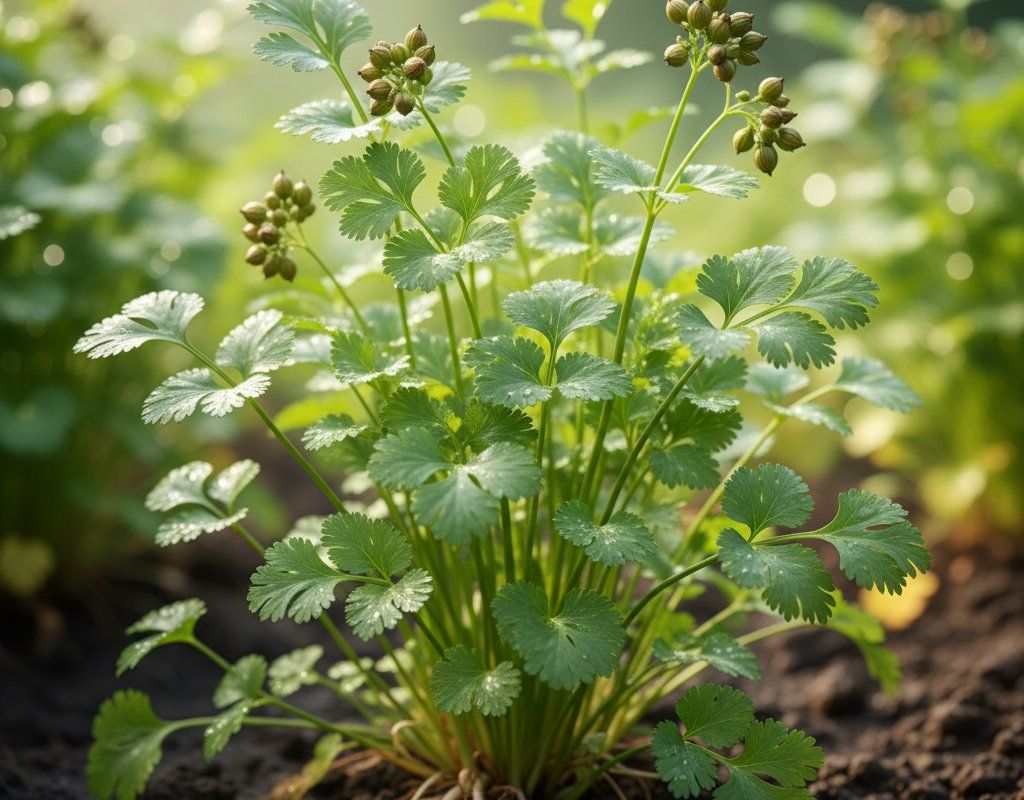
Cilantro in Zone 9A — Northern California
Coriandrum sativum · Your Complete 2026 Planting Guide
Time to Buy Starts!
Seed starting window passed, but starts are available now.
Buy Starts Now
Head to your local nursery, Home Depot, or farmers market for transplants.
- Look for stocky plants with dark green leaves
- Avoid leggy seedlings or plants already flowering
- Check that roots aren't circling the pot (rootbound)
How to Plant Cilantro in Zone 9A — Northern California
Here are all your options for getting cilantro in the ground, from the easiest method to more advanced approaches.
Direct Sow Seeds
RecommendedEarly February through early October
around February 6
Consider succession planting every 2-3 weeks for continuous harvest.
Cilantro bolts quickly in heat. Direct sow in cool weather for best results.
Start Seeds Indoors
RecommendedMid January through early February
around January 23
Then transplant: Mid February through early April
Start seeds 4-6 weeks before transplanting outdoors.
Buy Starts
Works WellMid February through early April
around February 20
Plant purchased starts after last frost (February 20).
Transplant Outdoors
Timing InfoMid February through early April
around February 20
Can tolerate light frost, but wait for soil to be workable.
You have a nice window — no need to rush.
Fall Planting
Early October through early November
October 24 ideal · Direct sow for fall harvest
Plant a second crop in mid-summer for fall harvest. Cilantro actually prefers the cooling temperatures of fall.
Overview
Cilantro thrives in Northern California's Mediterranean climate, giving you fresh, peppery leaves perfect for salsas, curries, and Vietnamese pho throughout our extended growing season. Our mild winters and early springs mean you can grow cilantro nearly year-round, succession planting every few weeks for a continuous harvest of this fast-growing herb that's so much more flavorful than store-bought.
While cilantro can bolt quickly in summer heat, our 288-day growing season gives you plenty of flexibility to time plantings during cooler months. The key is working with our seasonal patterns – taking advantage of our cool, wet winters and mild spring weather while being strategic about summer heat and our dry season challenges.
Starting Seeds Indoors
Starting cilantro seeds indoors makes sense during our coldest weeks in mid-January through early February, about 4 weeks before you plan to transplant outdoors. This gives you a head start on spring planting and ensures seedlings are ready when our early spring weather settles.
Use seed trays with quality potting mix and keep them in a warm spot (65-70°F). Cilantro seeds germinate in 7-14 days and prefer bottom watering to prevent damping off. A simple heat mat helps speed germination during our cooler winter months.
Since Northern California springs start early compared to other Zone 9A regions, you don't need to start seeds indoors for most of the year. Direct sowing works well from February onward, making indoor starting more of a convenience than a necessity here.
Transplanting Outdoors
Transplant your cilantro seedlings outdoors from mid-February through early April, after our last frost risk passes in mid-February. This timing takes advantage of our cool spring weather before summer heat triggers bolting.
Harden off seedlings gradually over a week, starting with 2-3 hours of morning sun and extending outdoor time daily. Our spring weather can swing between cool and warm, so watch for any late cold snaps that might stress young plants.
Space transplants 6-8 inches apart in an area that gets morning sun but afternoon shade – this is crucial in our climate where even spring afternoons can get surprisingly warm. Choose a spot protected from our occasional spring winds that can dry out tender seedlings quickly.
Direct Sowing
Direct sowing works exceptionally well for cilantro in Northern California from early February through early October. The key is timing your sowings for cooler weather, since cilantro bolts rapidly once temperatures consistently hit the mid-80s.
Prepare your soil by working in compost and ensuring good drainage – our heavy winter rains can make soil compacted by planting time. Sow seeds ¼ inch deep and 6-8 inches apart when soil temperature reaches 50°F, which typically happens by early February in most NorCal microclimates.
For continuous harvest, succession plant every 2-3 weeks from February through April, then again from September through early October. Skip direct sowing during our hottest months (July-August) unless you can provide significant afternoon shade and consistent moisture.
Watering Cilantro in Zone 9A (Northern California)
Cilantro needs consistent moisture but not soggy conditions – aim for about 1 inch of water per week during our dry season, adjusting for rainfall during winter months. The key in Northern California's low-humidity climate is maintaining steady soil moisture without overwatering, as cilantro is prone to root rot in poorly draining soil.
Use the finger test: stick your finger 2 inches into the soil near the plants. If it feels dry, it's time to water. During our hot, dry summers, this might mean watering every 2-3 days, while winter plantings may need water only weekly or less, depending on rainfall.
Water at the base of plants rather than overhead to minimize disease issues in our low-humidity environment. Early morning watering works best, giving plants time to absorb moisture before afternoon heat. Drip irrigation or soaker hoses work exceptionally well for cilantro beds.
Apply 2-3 inches of organic mulch around plants to retain soil moisture and keep roots cool during warm spells. This is especially important in Northern California where temperature swings can stress cilantro quickly. Watch for signs of underwatering (wilting, yellowing leaves) or overwatering (yellowing from the bottom up, soft stems).
🧪Fertilizing Cilantro
Feeding Schedule
Organic Fertilizer Options
Harvest Time
Expect your first cilantro harvest from late March through mid-December, depending on when you planted. Cilantro is ready to harvest when plants reach 6+ inches tall with several sets of true leaves, typically 45 days from seed but often sooner in our favorable climate.
Cut outer stems at the base using clean scissors or garden snips, leaving the center growing point intact for continued production. Harvest frequently – every 7-10 days during peak growing season – to encourage bushy growth and delay bolting. The more you cut, the more leaves you'll get.
Once cilantro sends up a central flower stalk, the leaves become bitter and the plant shifts energy to seed production. In Northern California's climate, this happens quickly once temperatures stay above 75°F consistently, so harvest heavily before summer heat sets in.
As our first frost approaches in early December, harvest remaining plants completely or cover with row covers for a few extra weeks of production. Cilantro handles light frost well, often surviving into January in protected spots or warmer microclimates throughout the region.
Common Problems in Zone 9A (Northern California)
Bolting What it looks like: The plant suddenly sends up a tall, thin flower stalk from the center, and leaves become bitter or lose flavor. You'll see small white flowers forming at the top. What causes it: Heat stress is the primary trigger in Northern California – once daytime temperatures consistently reach the mid-80s, cilantro shifts from leaf production to flowering. Long days and drought stress accelerate this process. How to fix/prevent it: Time plantings for cooler months, provide afternoon shade during warm spells, and keep soil consistently moist. Choose slow-bolt varieties like 'Slow Bolt' or 'Long Standing' for spring plantings that might face unexpected heat.
Aphids What it looks like: Clusters of tiny green, black, or white insects on stems and undersides of leaves, often with sticky honeydew residue. New growth may appear curled or distorted. What causes it: These sap-sucking insects multiply rapidly in warm weather, and our dry climate means fewer natural predators early in the season. Ants often farm aphid colonies, making the problem worse. How to fix/prevent it: Blast them off with a strong water spray in the morning. Encourage beneficial insects like ladybugs and lacewings by planting alyssum nearby. For heavy infestations, use insecticidal soap or neem oil, applying in early morning or evening to avoid leaf burn.
Leaf Spot What it looks like: Brown or black spots on leaves, often with yellow halos. Spots may merge and cause leaves to yellow and drop prematurely. What causes it: Fungal diseases thrive when leaves stay wet, often from overhead watering combined with our cool, humid mornings from marine fog in coastal areas. How to fix/prevent it: Water at soil level rather than overhead, ensure good air circulation between plants, and avoid working with wet plants. Remove affected leaves immediately and consider copper fungicide for severe cases.
Northern California Specific Challenges: Our moderate-to-hot summers and low humidity create the perfect storm for cilantro stress. The combination of hot afternoons, cool mornings, and drought conditions means timing is everything. Microclimates vary wildly here – coastal areas may grow cilantro through summer while inland valleys need to focus on spring and fall plantings.
Best Companions for Cilantro
Plant these nearby for healthier Cilantro and better harvests.

Keep Away From

Companion Planting Details
Cilantro pairs beautifully with tomatoes, peppers, and spinach in Northern California gardens. The herb's strong scent helps deter aphids and spider mites from tomatoes and peppers, while its quick growth cycle allows you to harvest cilantro before these heat-loving plants need the full space. Plant cilantro between pepper transplants in early spring – you'll harvest the cilantro just as peppers start spreading out.
Spinach and cilantro make excellent succession companions since they prefer similar cool conditions and can share space efficiently. Both bolt in heat, so you can plant them together in fall through spring, then replace with heat-tolerant herbs during summer. Avoid planting cilantro near fennel, as fennel inhibits the growth of most herbs and vegetables, including cilantro, while competing for similar soil nutrients.
🌸Best Flowers to Plant with Cilantro
These flowers protect your Cilantro from pests and attract pollinators for better harvests.



Get a Reminder When It's Time to Plant
We'll email you when key planting windows open for your zone.