
Green Beans in Zone 10A — Southern California
Phaseolus vulgaris · Your Complete 2026 Planting Guide
Still Time to Sow!
The sowing window is still open for Green Beans.
Sow Seeds Soon
Beans have sensitive roots and grow quickly. Direct sow after frost.
How to Plant Green Beans in Zone 10A — Southern California
Here are all your options for getting green beans in the ground, from the easiest method to more advanced approaches.
Direct Sow Seeds
RecommendedLate January through late October
around January 22
Consider succession planting every 2-3 weeks for continuous harvest.
Beans have sensitive roots and grow quickly. Direct sow after frost.
Buy Starts
Works WellLate January through mid February
around January 22
Plant purchased starts after last frost (January 15).
Start Seeds Indoors
ChallengingThis plant is typically not started indoors.
Transplant Outdoors
Timing InfoLate January through mid February
around January 22
Wait until nighttime temperatures stay above 50°F.
You have a nice window — no need to rush.
Overview
Green beans thrive in Southern California's generous 349-day growing season, giving you multiple successive plantings for fresh harvests from spring through late fall. Here in Zone 10A, you can enjoy tender, crisp pods picked at their peak rather than settling for store-bought beans that often lack flavor and snap. Our mild winters and long warm season create ideal conditions for these heat-loving plants, allowing you to grow both bush and pole varieties with excellent results.
While our hot summer heat inland and occasional water restrictions can challenge some crops, green beans are surprisingly manageable when you time them right. The key is working with our winter-wet, summer-dry climate pattern and avoiding the most intense heat periods. With proper timing and water-wise practices, you'll discover that beans are one of the most rewarding crops for Southern California gardens.
Transplanting Outdoors
Green beans can be transplanted outdoors from late January through mid-February, though direct sowing is typically preferred since beans develop sensitive root systems that don't appreciate disturbance. If you do choose to transplant, start seeds indoors about 2-3 weeks before your transplant date using biodegradable pots that can go directly into the ground.
Before transplanting, harden off your seedlings gradually over one week by placing them outside for increasing periods daily. This helps them adjust to our intense Southern California sun and occasional temperature swings during winter. Space transplants 4-6 inches apart in well-draining soil that's warmed to at least 60°F.
Watch for late January cold snaps that occasionally surprise us here in SoCal. Even though we rarely freeze, temperatures can dip into the high 30s, which will damage tender bean plants. Keep row covers handy for unexpected cold spells during this early planting window.
Direct Sowing
Direct sowing is the recommended method for green beans in Southern California, with a generous planting window from late January through late October. Our mild winters allow early sowings that wouldn't be possible in colder zones, while our extended warm season lets you plant successive crops well into fall.
Wait until soil temperature reaches at least 60°F - typically by late January in most SoCal areas. Prepare your soil by working in compost and ensuring good drainage, as beans prefer loose, well-draining conditions. Plant seeds 1-2 inches deep and 4-6 inches apart in rows or blocks. Our sandy soils in many areas actually benefit beans, as they prefer not to sit in heavy, moisture-retentive soil.
The beauty of our climate is the flexibility it offers. You can plant every 2-3 weeks from late winter through mid-fall for continuous harvests. Skip planting during the hottest inland periods (usually mid-July through August) unless you can provide afternoon shade, then resume with fall plantings once temperatures moderate in September.
Watering Green Beans in Zone 10A (Southern California)
Green beans need moderate, consistent moisture throughout their growing season, which requires careful attention to Southern California's distinct wet-winter, dry-summer pattern. During our rainy season (typically December through March), monitor soil moisture closely and reduce supplemental watering as natural rainfall may provide most of what your beans need.
Once our dry season begins, establish a regular watering schedule providing about 1-1.5 inches per week through deep, infrequent sessions. Always water at the base of plants rather than overhead - our low-to-moderate humidity means wet foliage doesn't dry quickly enough to prevent fungal diseases like bean rust. Use the finger test: if soil is dry 2 inches down, it's time to water.
During summer heat when temperatures hit the low 90s, beans may need water every 2-3 days rather than weekly. Watch for signs of water stress: wilting during the hottest part of the day (normal) versus wilting in early morning (needs water). Overwatering shows up as yellowing leaves and poor pod development, while underwatering causes flowers to drop and pods to become tough.
Apply a 2-3 inch layer of organic mulch around plants to conserve moisture and keep roots cool during our intense summer heat. This is especially important for inland gardens where temperatures can soar well above our typical 92°F average. Drip irrigation or soaker hoses work exceptionally well for beans and help you stay within water restriction guidelines while maintaining healthy plants.
🧪Fertilizing Green Beans
Feeding Schedule
Organic Fertilizer Options
Harvest Time
Your first green bean harvest typically begins 55 days after sowing, which translates to mid-March through late December depending on your planting timing. This extended harvest season is one of the major advantages of gardening in Southern California - you can enjoy fresh beans for most of the year with successive plantings.
Pick beans when pods are firm, crisp, and about pencil-thickness, before the seeds inside begin to bulge noticeably. Harvest every 2-3 days during peak production to encourage continued flowering and pod development. Use both hands when harvesting - hold the stem with one hand while pulling pods with the other to avoid damaging the plant or pulling up shallow roots.
Regular harvesting is crucial for continuous production, especially during our long warm season when plants can produce for months. Morning is the best time to harvest when pods are fully hydrated and at their crispest. If you miss a few pods and they become oversized, remove them promptly to redirect the plant's energy back into new pod production.
As first frost approaches around late December, harvest all remaining pods regardless of size. Even our mild winters will eventually slow production, though in protected microclimates near the coast, plants may continue producing sporadically through winter. Consider succession planting every 3-4 weeks during the growing season to ensure a steady supply of tender beans.
Common Problems in Zone 10A (Southern California)
Bean Beetles These copper-colored beetles with black spots appear on leaves along with their spiny yellow-orange larvae on leaf undersides, creating a skeletonized appearance where only leaf veins remain. Mexican bean beetles thrive in our warm Southern California climate and can produce multiple generations per season, making them particularly troublesome here.
Handpick adults and larvae in early morning when they're less active, and crush the distinctive yellow egg clusters found on leaf undersides. Row covers work well until plants begin flowering, then remove to allow pollination. Apply neem oil or pyrethrin spray in evening to avoid harming beneficial insects, and always remove crop residues after harvest to eliminate overwintering sites.
Rust Rusty orange, yellow, or brown pustules appear on leaves and stems, primarily on undersides, followed by premature yellowing and leaf drop. Our warm temperatures combined with morning dew or overhead watering create ideal conditions for various rust fungi to develop and spread through wind-borne spores.
Prevent rust by watering only at soil level - never overhead - and ensuring good air circulation between plants. Remove affected leaves immediately and dispose in trash, not compost. During humid periods or after rain, avoid working among wet plants to prevent spreading spores. Apply organic sulfur or copper fungicide as preventive treatment, especially during our occasional humid spells.
Mosaic Virus Plants display a distinctive mottled yellow and green pattern on leaves, often with stunted, distorted growth and reduced yields. Several viruses cause this condition, transmitted primarily by aphids or through contaminated tools and hands - there's no cure once plants are infected.
Remove and destroy infected plants immediately to prevent spread. Control aphid populations with beneficial insects or insecticidal soap, and avoid smoking near plants as tobacco mosaic virus can transfer from cigarettes. Always wash hands and sanitize tools between plants, especially when working with different varieties.
Southern California Specific Challenges Our hot, dry summers and Santa Ana winds create stress conditions that make bean plants more susceptible to pest problems. The combination of intense heat and low humidity can weaken plant defenses, while water restrictions may prevent optimal moisture levels that keep plants healthy. Focus on morning watering, adequate mulching, and choosing heat-tolerant varieties to minimize disease pressure during challenging weather periods.
Best Companions for Green Beans
Plant these nearby for healthier Green Beans and better harvests.
View Full Companion Planting Chart →




Companion Planting Details
Green beans work beautifully in Southern California's intensive growing systems when paired with the right companions. Plant them alongside corn and squash for the traditional "Three Sisters" combination - corn provides natural support for climbing varieties, while squash spreads below to suppress weeds and retain soil moisture during our dry summers. Carrots make excellent companions since their taproots don't compete with beans' shallow root systems, and carrots actually benefit from the nitrogen beans fix in the soil.
Avoid planting beans near onions, garlic, or fennel, as these plants can inhibit bean growth through natural compounds they release into the soil. This is particularly important in our intensive SoCal gardens where space is limited and plants grow in close proximity year-round. Celery pairs well with beans as both appreciate consistent moisture and can share irrigation zones, making water management easier during our dry season restrictions.
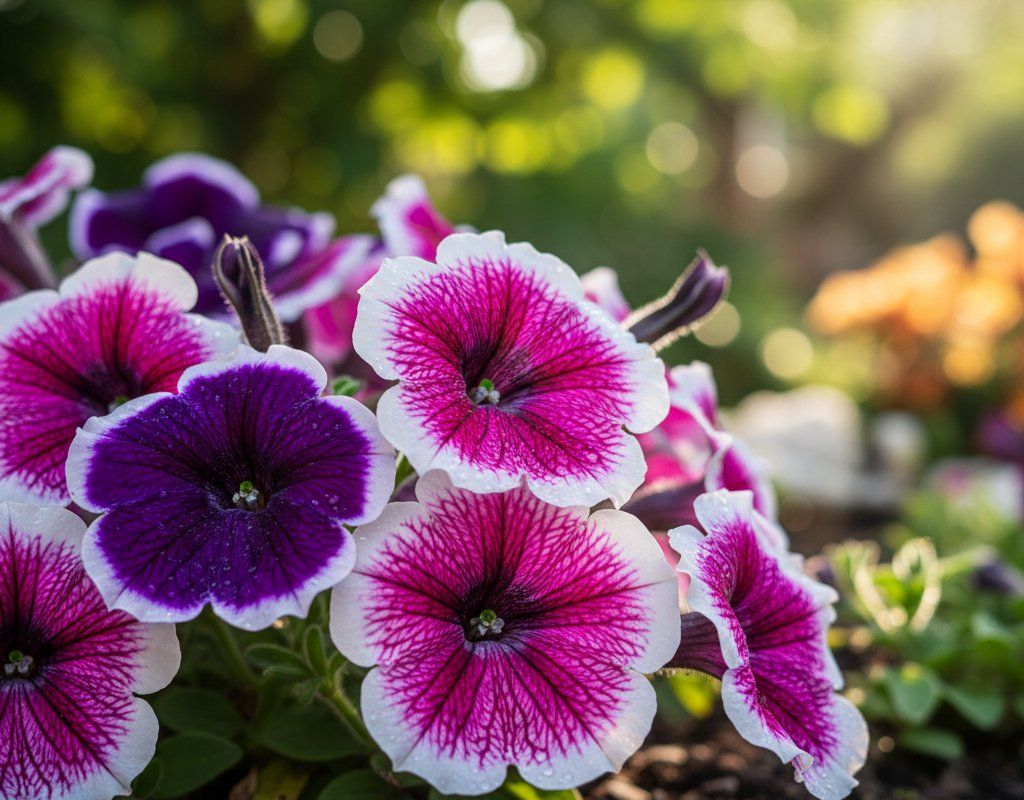
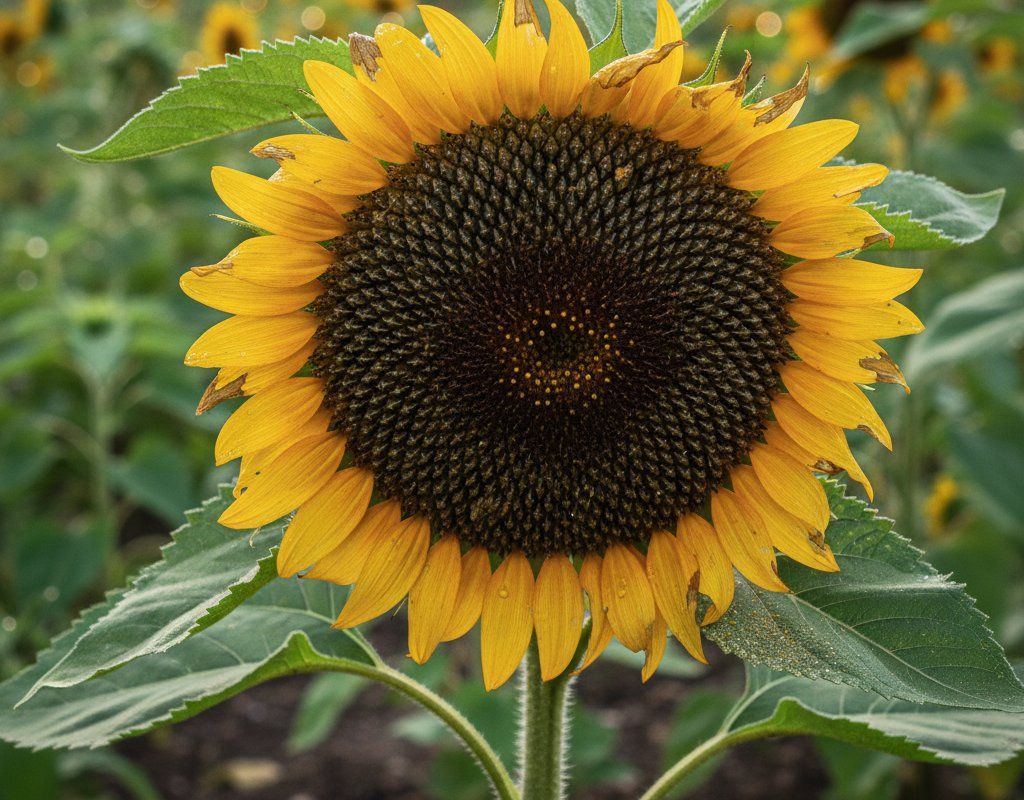
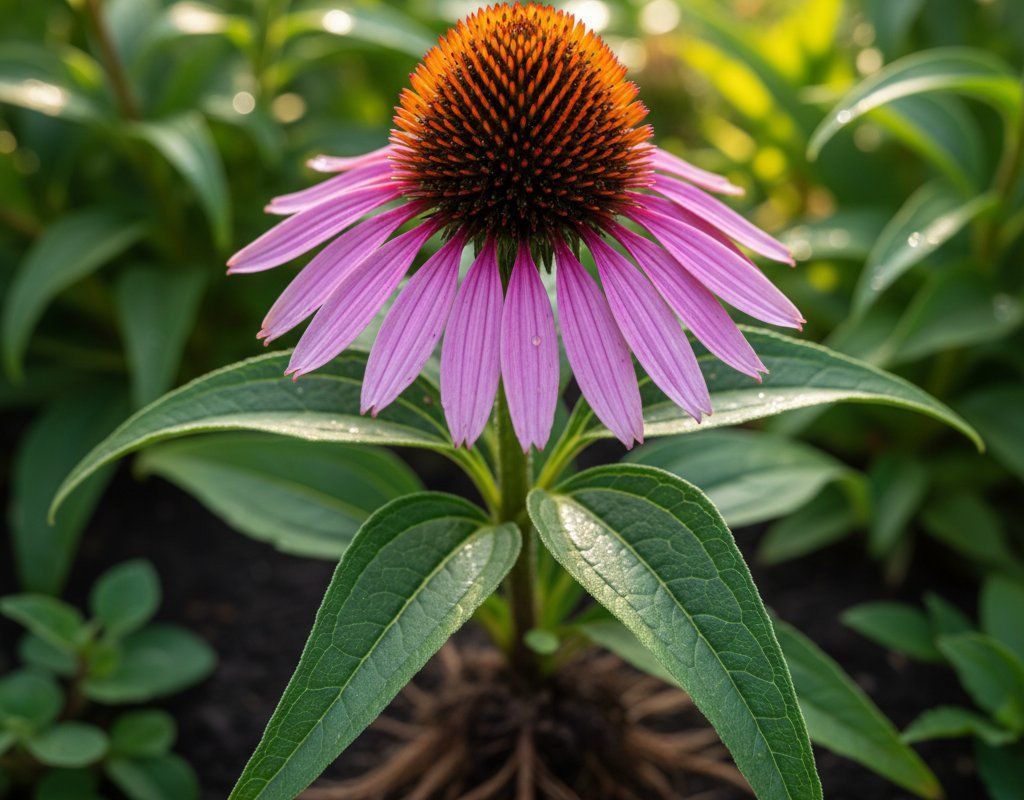
🌸Best Flowers to Plant with Green Beans
These flowers protect your Green Beans from pests and attract pollinators for better harvests.
For Pest Control





Get a Reminder When It's Time to Plant
We'll email you when key planting windows open for your zone.