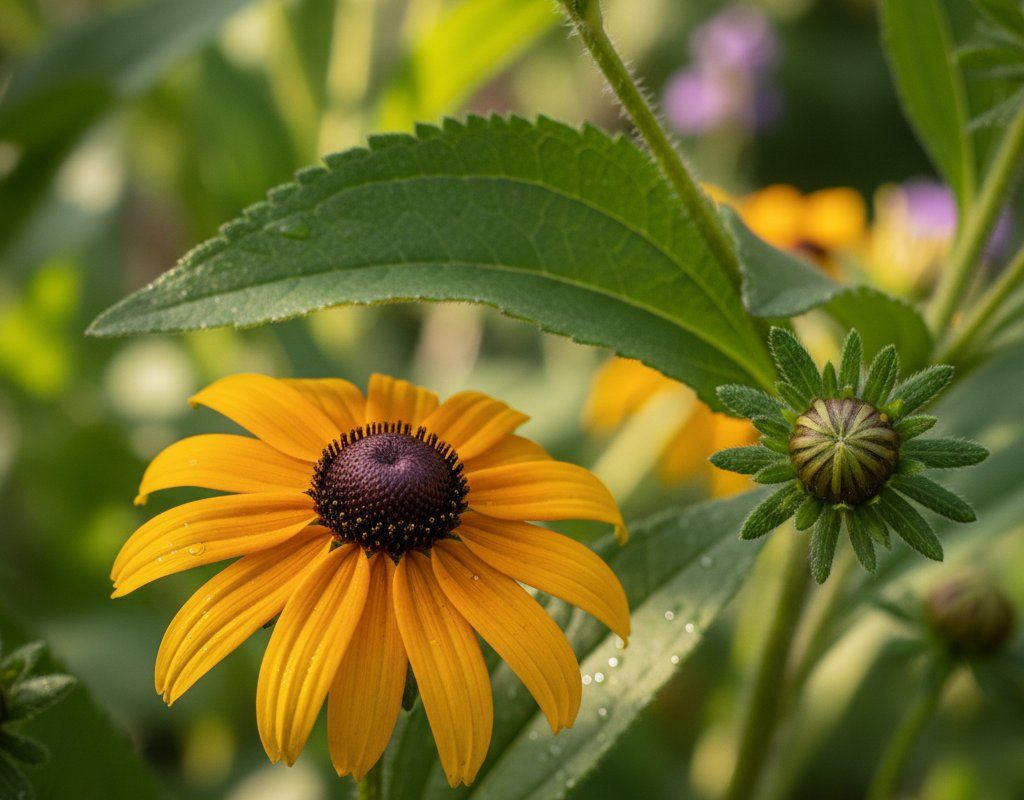
Black-Eyed Susan in Zone 7A — Mountain West
Rudbeckia hirta · Your Complete 2026 Planting Guide
Missed Seed Starting? No Problem!
Wait for starts to become available.
What to Do
Starts will be available at nurseries in 40 days (around April 13).
How to Plant Black-Eyed Susan in Zone 7A — Mountain West
Here are all your options for getting black-eyed susan in the ground, from the easiest method to more advanced approaches.
Buy Starts
RecommendedMid April through mid May
around April 13
Plant purchased starts after last frost (April 20).
Perennial. Buy starts for flowers the first year.
Start Seeds Indoors
Works WellEarly February through early March
around February 16
Then transplant: Mid April through mid May
Start seeds 8-10 weeks before transplanting outdoors.
Direct Sow Seeds
Works WellMid April through mid July
around April 20
Consider succession planting every 2-3 weeks for continuous harvest.
Transplant Outdoors
Timing InfoMid April through mid May
around April 13
Can tolerate light frost, but wait for soil to be workable.
You have a nice window — no need to rush.
Overview
Black-Eyed Susans are a ray of sunshine in our Mountain West gardens, bringing vibrant color that lasts from midsummer well into fall. Their cheerful blooms make excellent cut flowers, and they're tough enough to handle our intense sun and alkaline soil. Plus, the cool nights we get, even in summer, really bring out the best in their color.
Our high altitude and short growing season (around 173 days) mean we need to be smart about timing, but Black-Eyed Susans are surprisingly adaptable. Whether you start seeds indoors or sow directly, you can enjoy these beauties in your garden.
Starting Seeds Indoors
Starting Black-Eyed Susans indoors is an option if you're really eager for early blooms, but it's not strictly necessary in our Zone 7A Mountain climate. If you want a head start, sow seeds indoors from early February through early March, about eight weeks before you plan to transplant.
Use seed trays and a good seed-starting mix. Keep the soil consistently moist by bottom watering to avoid damping off, and provide plenty of light with a grow light or a sunny windowsill. Just remember, our spring can be late to arrive, so be prepared to protect your seedlings if a late frost threatens.
Transplanting Outdoors
Transplant your Black-Eyed Susan seedlings outdoors from mid April through mid May, once the danger of hard frost has passed. Before transplanting, harden them off by gradually exposing them to outdoor conditions for about a week. This helps them adjust to the intense sun and cool nights.
Space plants 12-18 inches apart to allow for good air circulation. Keep an eye on the weather forecast – those late spring snow flurries can still happen! Buying starts from a local nursery is a great way to get flowers the first year, since Black-Eyed Susans are perennials and will return year after year.
Direct Sowing
Direct sowing Black-Eyed Susan seeds is a perfectly viable option in our climate, and it saves you the hassle of starting them indoors. Sow seeds directly into the garden from mid April through mid July.
Prepare the soil by loosening it and removing any rocks or debris. Black-Eyed Susans aren't too picky about soil, but they do prefer well-draining soil. Sprinkle seeds lightly over the soil surface and gently press them in. Space plants 12-18 inches apart, thinning as needed once the seedlings emerge.
Watering Black-Eyed Susan in Zone 7A (Mountain West)
Black-Eyed Susans are very drought-tolerant once established, which makes them ideal for our dry Mountain West climate. These native prairie flowers thrive on minimal watering, truly making them low maintenance.
During the first few weeks after transplanting or direct sowing, water regularly to help the plants establish strong roots. After that, water only when the top two inches of soil feel dry to the touch – use the finger test. Typically, this means watering about once a week, providing about an inch of water each time. In the hottest parts of summer, you might need to water a bit more frequently, but avoid overwatering.
Water at the base of the plants to keep the foliage dry, minimizing the risk of fungal diseases in our low-humidity environment. Signs of underwatering include wilting leaves and stunted growth. Overwatering can lead to root rot, so be sure the soil drains well. A light layer of mulch around the base of the plants will help retain moisture and suppress weeds, especially useful in our intense sun.
Pruning & Maintaining Black-Eyed Susan
Deadheading Black-Eyed Susans is the key to encouraging a longer bloom period. Simply snip off the spent flowers just below the flower head. This prevents the plant from putting energy into seed production and encourages it to produce more blooms.
You can deadhead throughout the growing season, from early July through mid October. Alternatively, you can leave some of the seed heads on the plants in the fall to provide food for birds and allow for self-seeding. In late winter, cut the plants back to the ground to prepare them for new growth in the spring.
🧪Fertilizing Black-Eyed Susan
Feeding Schedule
Organic Fertilizer Options
Harvest Time
You can expect your first Black-Eyed Susan blooms from early July through mid October, about 75 days after planting. These flowers make excellent cut flowers, so don't hesitate to bring them indoors to enjoy their cheerful color.
Harvest the flowers when they are fully open but still fresh-looking. Cut the stems at an angle, leaving as much foliage on the plant as possible to encourage continued production. Black-Eyed Susans self-seed readily, so be prepared to find new plants popping up in your garden the following year. As the first frost approaches in early October, you can either leave the remaining seed heads on the plants for winter interest or cut them back to the ground.
Common Problems in Zone 7A (Mountain West)
Here are a few common problems you might encounter with Black-Eyed Susans in our Mountain West gardens:
Powdery Mildew
- What it looks like: A white or grayish powdery coating on leaves, stems, and sometimes flower buds. Leaves may curl, yellow, and eventually die.
- What causes it: Various fungi thrive in warm days, cool nights, and moderate humidity. Ironically, dry leaf surfaces favor it, which can happen even in our low-humidity climate.
- How to fix/prevent it: Improve air circulation by spacing plants properly and pruning if needed. Remove affected leaves promptly. Neem oil or potassium bicarbonate sprays can help. A milk spray (1 part milk to 9 parts water) is surprisingly effective.
Septoria Leaf Spot
- What it looks like: Small, circular spots on the leaves that start as dark brown or black and eventually develop a gray or tan center with a dark border. Severely affected leaves may drop off.
- What causes it: A fungal disease that spreads through splashing water and infected plant debris.
- How to fix/prevent it: Remove and destroy infected leaves. Avoid overhead watering, which can spread the fungus. Improve air circulation. Apply a fungicide if the problem is severe.
Aphids
- What it looks like: Clusters of tiny, soft-bodied insects (green, black, or white) on stems and the undersides of leaves. You might also notice sticky honeydew residue and curled or distorted new growth.
- What causes it: Rapidly reproducing sap-sucking insects. Populations can explode in warm weather. Ant colonies may "farm" them for their honeydew.
- How to fix/prevent it: Knock them off with a strong spray of water. Encourage natural predators like ladybugs and lacewings. Use insecticidal soap for heavy infestations. Neem oil works systemically.
Mountain West Specific Challenges: Our moderate-at-altitude summer heat and low humidity can actually help reduce the severity of some fungal diseases on Black-Eyed Susans, compared to more humid climates. However, the intense UV radiation can stress plants, making them more susceptible to problems if they're not properly watered and cared for.
Best Companions for Black-Eyed Susan
Plant these nearby for healthier Black-Eyed Susan and better harvests.
View Full Companion Planting Chart →

Companion Planting Details
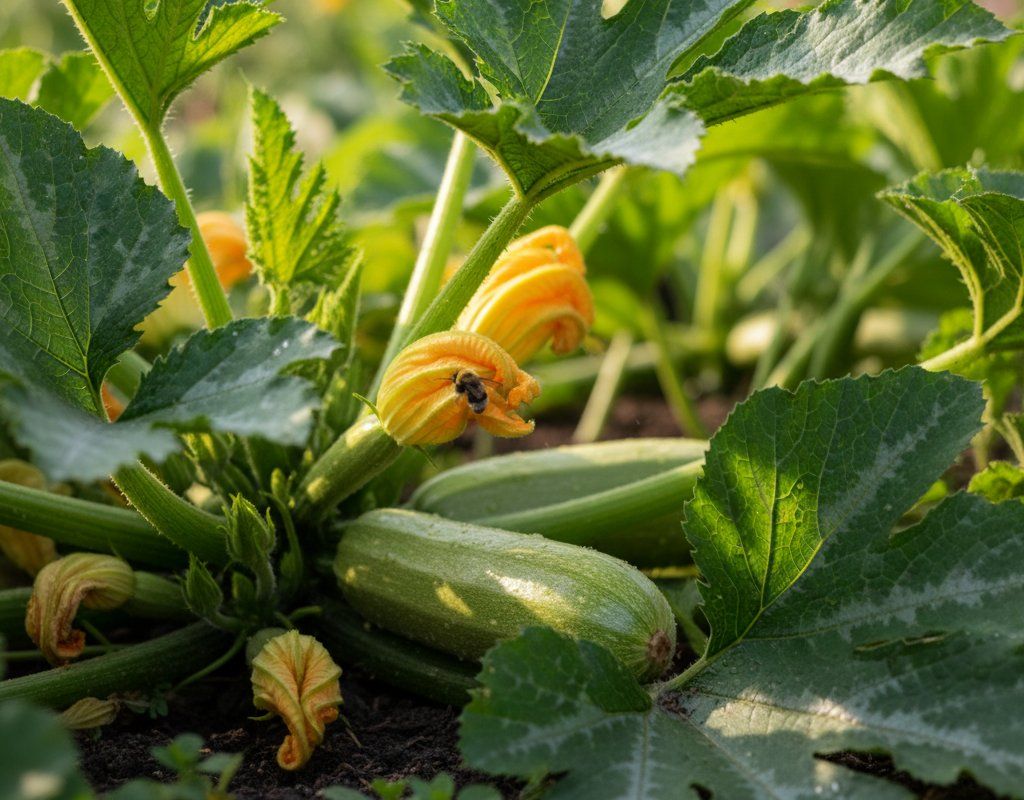
Black-Eyed Susans make great companions for several plants in our Mountain West gardens. Tomatoes benefit from the shade and protection that Black-Eyed Susans provide, especially from our intense sun. Squash also appreciates the shade and the added pollination from the bees that Black-Eyed Susans attract. Herbs like thyme and oregano are good companions as they help repel pests.
Avoid planting Black-Eyed Susans near plants that require very moist soil, as they prefer drier conditions.
🥬Best Vegetables to Pair With Black-Eyed Susan
Black-Eyed Susan benefits these vegetables through pest control, pollinator attraction, or improved garden health.




Get a Reminder When It's Time to Plant
We'll email you when key planting windows open for your zone.