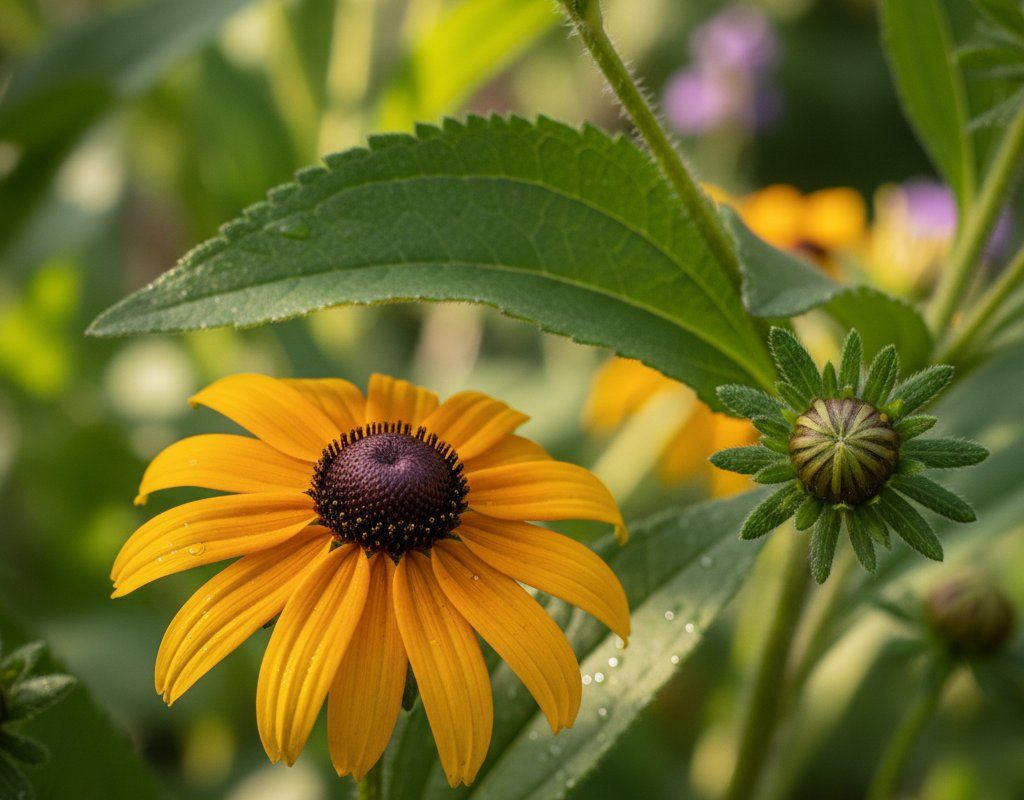
Black-Eyed Susan in Zone 8B — Pacific Northwest
Rudbeckia hirta · Your Complete 2026 Planting Guide
Missed Seed Starting? No Problem!
Wait for starts to become available.
What to Do
Starts will be available at nurseries in 25 days (around March 29).
How to Plant Black-Eyed Susan in Zone 8B — Pacific Northwest
Here are all your options for getting black-eyed susan in the ground, from the easiest method to more advanced approaches.
Buy Starts
RecommendedLate March through late April
around March 29
Plant purchased starts after last frost (April 5).
Perennial. Buy starts for flowers the first year.
Start Seeds Indoors
Works WellLate January through mid February
around February 1
Then transplant: Late March through late April
Start seeds 8-10 weeks before transplanting outdoors.
Direct Sow Seeds
Works WellEarly April through early August
around April 5
Consider succession planting every 2-3 weeks for continuous harvest.
Transplant Outdoors
Timing InfoLate March through late April
around March 29
Can tolerate light frost, but wait for soil to be workable.
You have a nice window — no need to rush.
Overview
Black-Eyed Susans are a ray of sunshine in the garden, bringing vibrant color to our mild summers and extending the bloom season well into fall. Their cheerful yellow petals are a welcome sight, and they're fantastic as cut flowers, adding a touch of wildflower beauty to any bouquet. Plus, they're incredibly easy to grow once established, making them perfect for the low-maintenance PNW gardener.
While we might not have the intense heat of other regions, Black-Eyed Susans thrive here with a little attention to timing. Our 210-day growing season is plenty long enough to enjoy their blooms, and by starting seeds at the right time, or buying starts, you can overcome any cool soil challenges.
Starting Seeds Indoors
Starting Black-Eyed Susans indoors isn't strictly necessary in our climate, but it can give you a head start, especially if you're eager for early blooms. Sow seeds indoors from late January through mid February, about eight weeks before you plan to transplant them.
Use seed trays with a good seed-starting mix. Keep the soil consistently moist by bottom watering to prevent damping off. Provide warmth and plenty of light – a grow light is ideal, given our often overcast spring days. Remember that our springs can be slow to warm up, so indoor starting helps guarantee you get those early blooms.
Transplanting Outdoors
Transplant your Black-Eyed Susan seedlings outdoors from late March through late April, after hardening them off for about a week. Gradually expose them to increasing amounts of outdoor sunlight and wind to toughen them up.
Choose a sunny spot with well-drained soil, spacing the plants 12-18 inches apart. Keep an eye on the weather forecast, as we can still get some chilly nights and late frosts around this time. Since Black-Eyed Susans are perennials, consider buying starts from a local nursery for flowers the first year.
Direct Sowing
Direct sowing Black-Eyed Susan seeds is a perfectly viable option here in the PNW. Sow seeds directly into the garden from early April through early August.
Prepare the soil by loosening it and removing any weeds. Black-Eyed Susans prefer soil temperatures around 70°F for optimal germination. Sow seeds about ¼ inch deep, spacing them 12-18 inches apart. Keep the soil consistently moist until the seedlings emerge.
Watering Black-Eyed Susan in Zone 8B (Pacific Northwest)
Black-Eyed Susans are surprisingly drought-tolerant once they're established, making them ideal for our dry-summer climate. During the wet springs, you likely won't need to water them at all.
During our mild summers, water deeply but infrequently. Use the "finger test" – if the top two inches of soil are dry, it's time to water. Aim for about one inch of water per week during dry spells. Water at the base of the plants to avoid wetting the foliage, which can help prevent fungal diseases in our region.
Signs of underwatering include wilting leaves and stunted growth. Overwatering, on the other hand, can lead to root rot, so be sure the soil is well-draining. A layer of mulch around the base of the plants will help retain moisture and suppress weeds, which is useful in our climate where we're trying to conserve water during the dry months.
Pruning & Maintaining Black-Eyed Susan
Deadheading Black-Eyed Susans will encourage them to produce more blooms throughout the season. Simply snip off the spent flowers just below the flower head.
If you want to attract birds to your garden or allow the plants to self-seed, leave some of the seed heads intact. In late winter or early spring, cut back the entire plant to a few inches above the ground to encourage fresh new growth. Our long mild fall means you can delay this longer than other climates.
🧪Fertilizing Black-Eyed Susan
Feeding Schedule
Organic Fertilizer Options
Harvest Time
You can expect your first Black-Eyed Susan blooms starting in mid June and continuing through early November. The flowers are ready to harvest when they are fully open and the petals are brightly colored.
Cut the stems at an angle just above a leaf node. Removing spent flower heads encourages the plant to produce more blooms, so harvesting regularly will keep your plants flowering for longer. As the first frost approaches in early November, you can either leave the remaining seed heads for the birds or cut them for dried arrangements.
Common Problems in Zone 8B (Pacific Northwest)
Powdery Mildew
- What it looks like: A white or grayish powdery coating on the leaves, stems, and sometimes flower buds. Leaves may curl, yellow, and eventually die.
- What causes it: Various fungi that thrive in warm days, cool nights, and moderate humidity. Surprisingly, dry leaf surfaces actually favor powdery mildew, which is good to know given our dry summer months.
- How to fix/prevent it: Improve air circulation by spacing plants adequately and pruning if needed. Remove affected leaves promptly. Neem oil or potassium bicarbonate sprays can help control the spread. A milk spray (1 part milk to 9 parts water) is also surprisingly effective.
Septoria Leaf Spot
- What it looks like:
- What causes it:
- How to fix/prevent it:
Aphids
- What it looks like: Clusters of tiny, soft-bodied insects (green, black, or white) on stems and the undersides of leaves. You might also notice a sticky honeydew residue or curled and distorted new growth.
- What causes it: These sap-sucking insects reproduce rapidly, and populations can explode during our warmer periods. Ant colonies often "farm" them for their honeydew.
- How to fix/prevent it: A strong spray of water can knock them off the plants. Encourage natural predators like ladybugs and lacewings. Insecticidal soap is effective for heavy infestations, and neem oil can work systemically. Avoid over-fertilizing with nitrogen, as it attracts aphids.
Pacific Northwest Specific Challenges: Our mild heat and dry-summer rainfall patterns can actually be beneficial for Black-Eyed Susans, as they are drought-tolerant and don't like overly humid conditions. However, be vigilant about powdery mildew, as our warm days and cool nights can create favorable conditions for it.
Best Companions for Black-Eyed Susan
Plant these nearby for healthier Black-Eyed Susan and better harvests.
View Full Companion Planting Chart →

Companion Planting Details
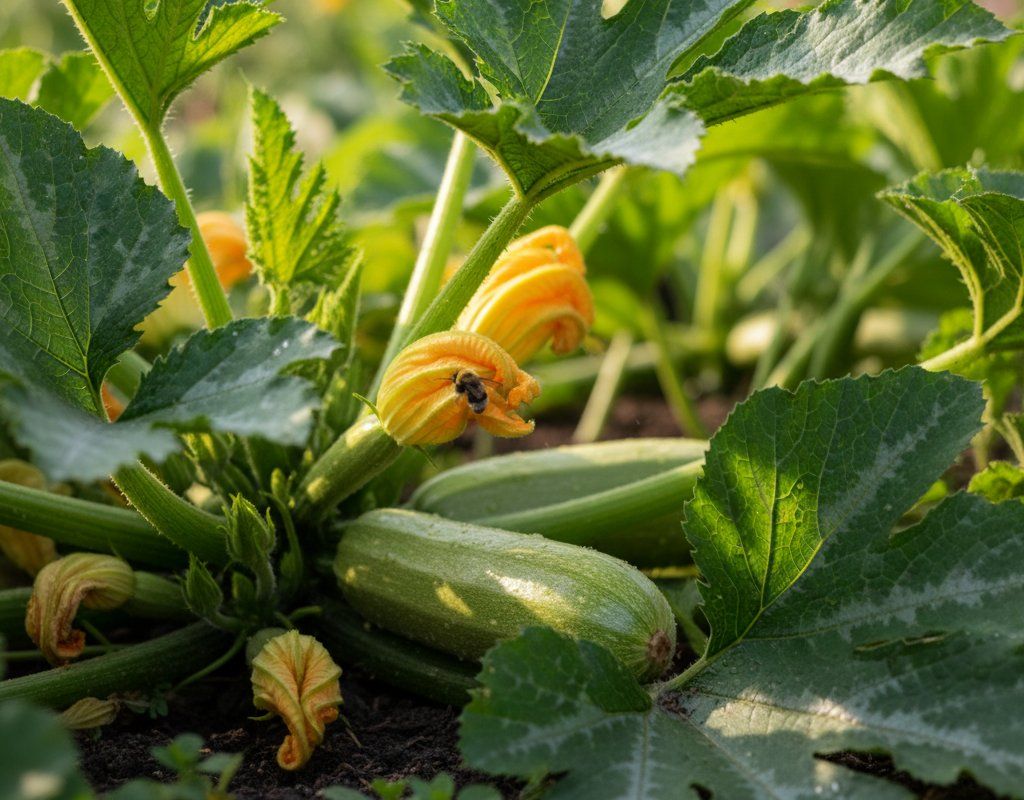
Black-Eyed Susans make excellent companions for tomatoes and squash. The bright flowers attract pollinators, which are essential for fruit production in both tomatoes and squash.
Avoid planting Black-Eyed Susans near anything that requires very rich soil and frequent watering, as they prefer drier conditions.
🥬Best Vegetables to Pair With Black-Eyed Susan
Black-Eyed Susan benefits these vegetables through pest control, pollinator attraction, or improved garden health.




Get a Reminder When It's Time to Plant
We'll email you when key planting windows open for your zone.