
Cucumber in Zone 8B — Pacific Northwest
Cucumis sativus · Your Complete 2026 Planting Guide
Planning Ahead — Great!
You’re ahead of the season. Here’s when to start.
Mark Your Calendar
How to Plant Cucumber in Zone 8B — Pacific Northwest
Here are all your options for getting cucumber in the ground, from the easiest method to more advanced approaches.
Direct Sow Seeds
RecommendedMid April through late August
around April 12
Consider succession planting every 2-3 weeks for continuous harvest.
Direct sowing is easiest. Start indoors only if you need a head start.
Buy Starts
Works WellMid April through mid May
around April 19
Plant purchased starts after last frost (April 5).
Start Seeds Indoors
Works WellLate March through mid April
around March 29
Then transplant: Mid April through mid May
Start seeds 3-5 weeks before transplanting outdoors.
Start only 3 weeks before transplant — cucumbers grow fast and get rootbound.
Transplant Outdoors
Timing InfoMid April through mid May
around April 19
Wait until nighttime temperatures stay above 50°F.
You have a nice window — no need to rush.
Overview
Cucumbers thrive in our mild Pacific Northwest summers, producing crisp, refreshing fruit without the stress that intense heat puts on these moisture-loving vines. Our cool nights help cucumbers develop excellent flavor and texture, while the long growing season gives you multiple succession plantings from late spring through late summer. The consistent moisture needs of cucumbers align well with our typical irrigation schedule during the dry summer months.
While cucumbers are heat-loving plants that can struggle with our cool spring soil and shorter heat accumulation compared to warmer regions, proper timing makes all the difference. Our 210-day growing season provides plenty of opportunity for multiple harvests, and starting when soil temperatures warm up ensures strong establishment before the productive summer months.
Starting Seeds Indoors
Starting cucumber seeds indoors can give you a 2-3 week head start, but it's not essential in our climate. If you choose this route, start seeds in late March through mid-April, about 3 weeks before your planned transplant date. Cucumbers grow quickly and become rootbound easily, so timing is crucial.
Use seed-starting trays with a quality potting mix and keep them warm (70-75°F) for quick germination. Bottom watering prevents damping-off issues that can occur during our overcast spring days. Provide bright light once seedlings emerge - a south-facing window or grow lights work well.
Our slow spring start means indoor sowing mainly benefits gardeners wanting extra-early harvests or those with particularly cool microclimates. Most PNW gardeners find direct sowing much simpler and just as effective.
Transplanting Outdoors
Transplant cucumber seedlings outdoors from mid-April through mid-May, after soil temperatures reach at least 60°F and nighttime temperatures stay above 50°F consistently. Our spring weather can be unpredictable, so watch for late cold snaps that might set back these tender plants.
Harden off seedlings over 7-10 days by gradually increasing their outdoor exposure. Start with a few hours of filtered light, then progress to full sun. This process is especially important in the Pacific Northwest where the transition from indoor warmth to cool spring conditions can shock plants.
Space transplants 36-60 inches apart depending on your support system - closer spacing works for trellised plants, while ground-grown cucumbers need the full distance. Handle roots gently during transplanting, as cucumbers resent root disturbance.
Direct Sowing
Direct sowing is the preferred method for cucumbers in the Pacific Northwest. Sow seeds from mid-April through late August, timing your plantings based on soil temperature rather than calendar dates. Wait until soil reaches 65°F for best germination - this typically happens 2-3 weeks after our average last frost.
Prepare your planting area with rich, well-draining soil amended with compost. Plant seeds 1 inch deep and space them 12 inches apart in rows, then thin to final spacing of 36-60 inches once seedlings are established. Our cool spring soil can slow germination, so consider using black plastic mulch or row covers to warm the soil faster.
For continuous harvests throughout our long growing season, make succession plantings every 2-3 weeks through late June. Later plantings in July and August often perform better than early ones since they avoid spring soil temperature challenges while still maturing before fall frosts.
Watering Cucumber in Zone 8B (Pacific Northwest)
Cucumbers need consistent, deep watering throughout the growing season since they're 95% water content. During our dry summer months, provide 1-2 inches of water per week, adjusting based on plant size and weather conditions. Deep, infrequent watering encourages strong root systems better than frequent shallow watering.
Check soil moisture by inserting your finger 2 inches deep near the base of plants. The soil should feel consistently moist but not waterlogged. Our dry summer air means you'll likely need to water 2-3 times per week once temperatures reach the 80s, even with our mild heat.
Water at the base of plants rather than overhead to keep foliage dry and reduce disease pressure. This is especially important during our cool, dewy mornings when wet leaves can encourage fungal problems. Drought stress causes bitter fruit and reduces production, so maintain steady soil moisture throughout the growing season.
Apply 2-3 inches of organic mulch around plants to conserve moisture and reduce watering frequency. In our dry summer climate, mulching can cut your watering needs by 30-40% while keeping soil temperatures more stable.
Supporting Your Cucumber
Trellising cucumbers improves air circulation, saves space, and produces straighter fruit - all particularly valuable in the Pacific Northwest where good air movement helps prevent disease issues. Install 6-8 foot tall sturdy supports at planting time, whether using A-frames, cattle panels, or wooden structures.
Train cucumber vines up supports weekly by gently wrapping tendrils around the structure. The plants will mostly climb on their own, but occasional guidance keeps growth directed upward. Trellised cucumbers also stay cleaner and are easier to harvest than those grown on the ground.
While you can grow cucumbers sprawling on the ground, vertical growing is usually preferable in our climate. Ground-grown plants need more space (the full 60-inch spacing) and better drainage to prevent rot during our wet spring conditions.
🧪Fertilizing Cucumber
Feeding Schedule
Organic Fertilizer Options
Harvest Time
Expect your first cucumbers in early June through early November, typically 55 days from seeding. Pick cucumbers when they're firm, dark green, and reach the appropriate size for your variety - usually 6-8 inches for slicing types and 2-4 inches for picklers. Harvest before any yellowing appears, as overripe cucumbers become bitter and seedy.
Check plants daily once production begins, as cucumbers grow quickly in warm weather. Use clean pruning shears or a sharp knife to cut the stem rather than pulling fruit, which can damage the vine. Harvest in early morning when fruits are cool and fully hydrated.
Regular picking encourages continued production throughout our long growing season. Even one overripe cucumber left on the vine can signal the plant to stop producing new fruit. During peak season in July and August, you may need to harvest every other day.
As fall approaches and temperatures drop below 50°F at night (typically early November), plants will slow production. Harvest all remaining fruit before the first frost, as cucumbers have no tolerance for freezing temperatures.
Common Problems in Zone 8B (Pacific Northwest)
Powdery Mildew White or grayish powdery coating appears on leaves, stems, and sometimes fruit. Leaves curl, yellow, and eventually die, reducing plant vigor and production. This fungal disease thrives in our climate's warm days, cool nights, and moderate humidity levels.
The fungi actually prefer dry leaf surfaces, making our dry summer conditions ideal for infection. Improve air circulation through proper plant spacing and pruning lower leaves. Remove affected foliage immediately and apply neem oil or potassium bicarbonate sprays. A milk spray (1 part milk to 9 parts water) applied weekly provides surprising effective prevention.
Cucumber Beetles Small yellow-green beetles with black spots or stripes feed on leaves and flowers, creating small holes throughout the foliage. More seriously, these beetles transmit bacterial wilt disease that causes plants to suddenly collapse and die.
Adult beetles overwinter in garden debris and emerge when cucumbers are planted. Use row covers until flowering begins, then remove for pollination. Hand-pick beetles in early morning when they're sluggish, and use yellow sticky traps nearby. Neem oil sprays and kaolin clay coatings provide additional protection.
Bitter Fruit Cucumbers develop an unpleasant bitter taste, especially near the stem end, even though they appear normal otherwise. This occurs when plants produce excess cucurbitacin compounds due to stress conditions.
Inconsistent watering, drought stress, and temperature extremes trigger bitterness. Our dry summer months make consistent irrigation crucial - never let soil dry completely. Harvest regularly to prevent oversized fruit, which tends toward bitterness. Choose "burpless" or bitter-free varieties for more reliable results.
Pacific Northwest Specific Challenges: Our region's combination of cool spring soil and modest summer heat can slow cucumber establishment and reduce overall production compared to hotter climates. However, the consistent dry conditions during summer months actually reduce many fungal disease pressures, while our cool nights improve fruit quality and extend the harvest window well into fall.
Best Companions for Cucumber
Plant these nearby for healthier Cucumber and better harvests.


Keep Away From
Companion Planting Details
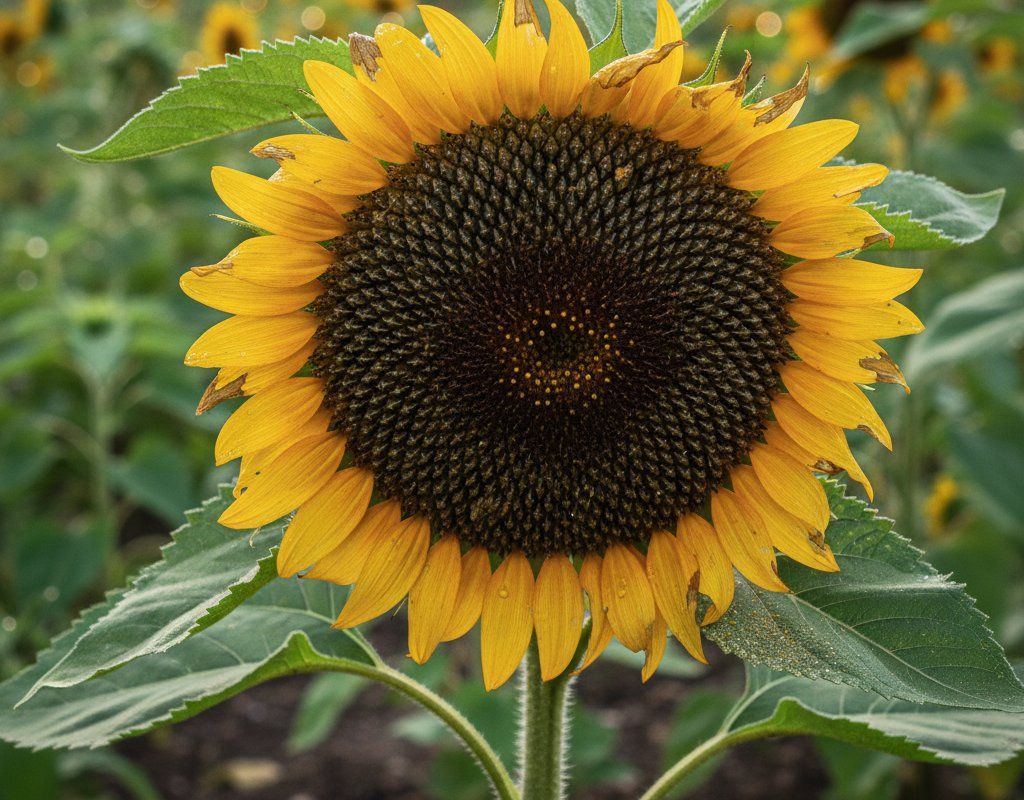
Plant cucumbers with beans, corn, and peas, which don't compete heavily for nutrients while providing some shade during the hottest part of our mild summers. Radishes planted nearby help deter cucumber beetles and mature quickly without interfering with cucumber growth. Sunflowers make excellent living trellises and attract beneficial insects that help with pest control.
Avoid planting cucumbers near potatoes, which can attract Colorado potato beetles that may also feed on cucumber foliage. Aromatic herbs like sage and oregano can actually inhibit cucumber growth, though basil planted at a distance (not directly adjacent) may help repel some pests while thriving in similar growing conditions.
🌸Best Flowers to Plant with Cucumber
These flowers protect your Cucumber from pests and attract pollinators for better harvests.
For Pest Control






Get a Reminder When It's Time to Plant
We'll email you when key planting windows open for your zone.