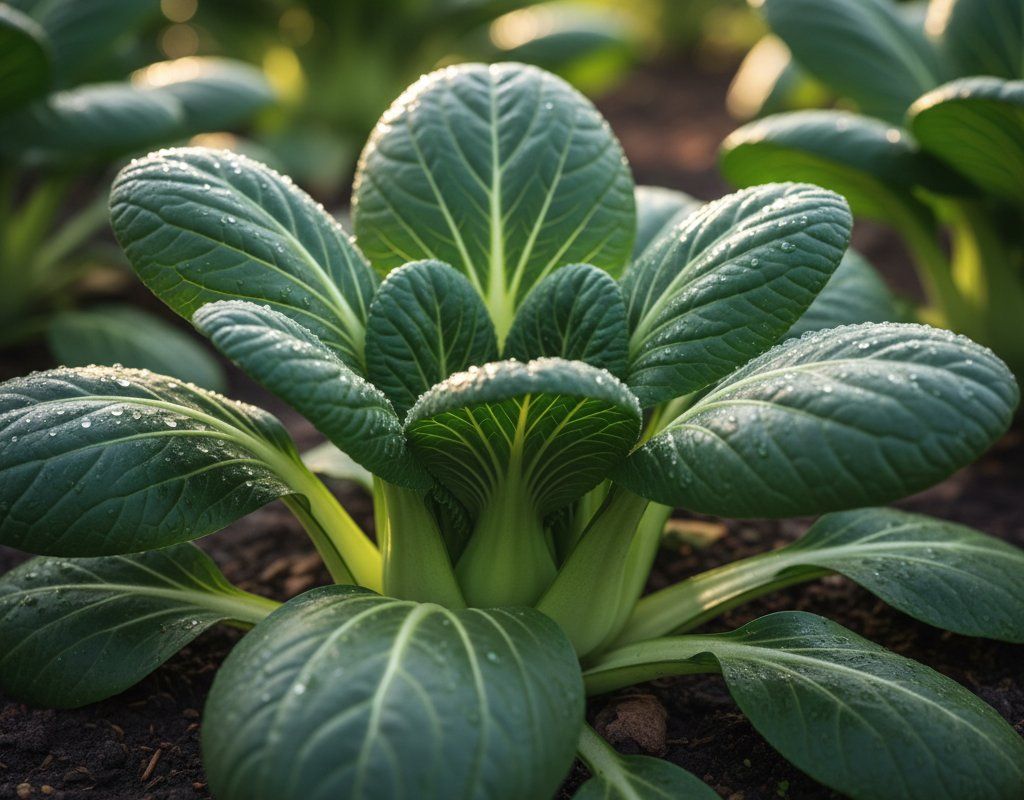
Bok Choy in Zone 9B — Florida
Brassica rapa subsp. chinensis · Your Complete 2026 Planting Guide
Harvest Time!
Your Bok Choy should be producing now!
Harvest Tips
Harvest when heads are firm and tight, before they start to loosen.
How to Plant Bok Choy in Zone 9B — Florida
Here are all your options for getting bok choy in the ground, from the easiest method to more advanced approaches.
Direct Sow Seeds
RecommendedEarly January through early November
around January 6
Consider succession planting every 2-3 weeks for continuous harvest.
Start Seeds Indoors
RecommendedMid December through early January
around December 23
Then transplant: Mid January through early March
Start seeds 4-6 weeks before transplanting outdoors.
Buy Starts
Works WellMid January through early March
around January 20
Plant purchased starts after last frost (January 20).
Transplant Outdoors
Timing InfoMid January through early March
around January 20
Can tolerate light frost, but wait for soil to be workable.
You have a nice window — no need to rush.
Fall Planting
Early November through early December
November 18 ideal · Direct sow for fall harvest
Plant a second crop in mid-summer for fall harvest. Bok Choy actually prefers the cooling temperatures of fall.
Overview
Bok choy is a fantastic addition to any Florida garden, offering a mild, slightly sweet flavor that’s perfect in stir-fries, soups, or even grilled. Its crisp texture holds up well in our warm climate, and you can enjoy a continuous harvest of fresh greens throughout the cooler months. Plus, it's incredibly satisfying to grow your own veggies right here in Zone 9B.
We know Florida gardening comes with its own set of challenges, like humidity and nematodes, but don't worry! With careful timing and the right techniques, you can easily enjoy a bountiful bok choy harvest. Our reversed growing season and 344-day growing season means you can get a jump start compared to other regions.
Starting Seeds Indoors
Starting bok choy indoors is an option, particularly if you want a head start on the season or are trying to dodge early pest pressure. Begin sowing seeds indoors from mid-December through early January, about four weeks before you plan to transplant them outside. This gives you a jump start before the weather really cools down.
Use seed trays with a good seed-starting mix. Keep the trays warm (around 70°F) and provide plenty of light, either from a sunny window or a grow light. Bottom watering can help prevent damping-off, a common problem in our humid Florida climate.
Transplanting Outdoors
Transplanting bok choy seedlings outdoors should happen from mid-January through early March. Before moving them permanently, harden them off by gradually exposing them to outdoor conditions for about a week. This helps them adjust to the Florida sunshine and fluctuating temperatures.
Space your bok choy plants 6-10 inches apart in well-drained soil. Keep an eye on the weather forecast; those late cold snaps can still happen! If a freeze is predicted, protect your young plants with row covers or blankets.
Direct Sowing
Direct sowing is a great way to grow bok choy, especially since our Florida gardening calendar is different and we can plant in fall, harvest in winter. Sow seeds directly into the garden from early January through early November. This gives you a wide window to work with.
Prepare the soil by loosening it and mixing in some compost or other organic matter. Make sure the soil temperature is consistently above 50°F for best germination. Space seeds 6-10 inches apart and keep the soil consistently moist until they sprout.
Watering Bok Choy in Zone 9B (Florida)
Watering is crucial for bok choy, especially here in Florida where the humidity can be a double-edged sword. While we get plenty of rainfall in the summer, our sandy soil drains quickly, and bok choy needs consistent moisture to thrive and prevent bolting. The key is to keep the soil consistently moist, but not waterlogged.
During the cooler months, when rainfall is less frequent, check the soil moisture regularly. Stick your finger about 2 inches deep into the soil; if it feels dry, it's time to water. Aim for about 1 inch of water per week, either from rainfall or irrigation. In the wet summer, keep an eye on drainage to prevent root rot.
Water at the base of the plants to avoid wetting the leaves, which can encourage fungal diseases in our humid climate. Overwatering can lead to yellowing leaves and root rot, while underwatering can cause the plants to wilt and bolt prematurely. A layer of mulch around the plants helps retain moisture and suppress weeds, which is especially helpful with our sandy soil.
🧪Fertilizing Bok Choy
Feeding Schedule
Organic Fertilizer Options
Harvest Time
Your first bok choy harvest can be expected from mid-February through early January, about 45 days after planting. You can harvest baby bok choy when the leaves are 6-8 inches tall for a more tender flavor, or wait until the plants reach full size (12-15 inches) for larger leaves.
To harvest, cut the entire plant above the base, leaving the roots intact. This allows the plant to regrow, giving you a continuous harvest of fresh leaves. As the first frost approaches in late December, harvest any remaining bok choy to enjoy before the cold weather sets in.
Common Problems in Zone 9B (Florida)
Here are some common issues you might encounter growing bok choy in Florida:
Flea Beetles
- What it looks like: Tiny round holes (shot-hole pattern) in leaves, especially on young seedlings. You might see small, dark beetles jumping when disturbed.
- What causes it: These small jumping beetles feed on the leaves, and they love young, tender plants. They thrive in warm, dry conditions.
- How to fix/prevent it: Use row covers to protect seedlings. Delay planting until plants are larger and more resilient. You can also try spraying with neem oil or interplanting with basil or catnip to deter them.
Cabbage Worms
- What it looks like: Smooth green caterpillars munching on leaves, leaving irregular holes. You might also see dark green droppings on the leaves and white butterflies fluttering around your plants.
- What causes it: These are the larvae of white cabbage butterflies, and they can go through multiple generations in our warm climate.
- How to fix/prevent it: Bt spray is very effective against cabbage worms. Floating row covers will prevent the butterflies from laying eggs on your plants. Handpicking the caterpillars is also an option. Encourage parasitic wasps, which prey on cabbage worms.
Slugs
- What it looks like: Irregular holes in leaves, especially on low-growing plants. Silvery slime trails are a telltale sign. Damage is usually worse at night and in wet weather.
- What causes it: Slugs are gastropods that feed at night in moist conditions. They love hiding under mulch and debris during the day.
- How to fix/prevent it: Beer traps (shallow dishes of beer sunk into the soil) can lure and drown slugs. Iron phosphate bait is another option that's pet-safe. Remove any hiding spots, water in the morning so the soil surface dries out by evening, and try using copper tape around your beds. Diatomaceous earth can also help.
Bolting in Heat
- What it looks like: The plant sends up a flower stalk, and the leaves become tough and bitter. The harvest quality declines rapidly.
- What causes it: Bok choy is a cool-season crop, and it bolts (goes to seed) when temperatures rise. This is especially common during our warm spells.
- How to fix/prevent it: Time your plantings for the cooler months (spring and fall). Choose bolt-resistant varieties. Provide shade during warm spells, and mulch to keep the soil cool. Harvest your bok choy before bolting progresses too far.
Florida Specific Challenges: Our extreme humidity can exacerbate fungal diseases, so make sure to provide good air circulation around your plants. The wet-summer rainfall can also lead to root rot if your soil doesn't drain well. Nematodes can be a problem in our sandy soil, so consider using nematode-resistant varieties or amending the soil with organic matter.
Best Companions for Bok Choy
Plant these nearby for healthier Bok Choy and better harvests.





Keep Away From

Companion Planting Details
Good companions for bok choy in Florida include garlic and onion. These alliums help to deter pests like aphids and cabbage moths. Beets are also good companions, as they don't compete for the same nutrients and can help improve soil structure. Lettuce and spinach make excellent ground cover around bok choy, helping to retain moisture and suppress weeds.
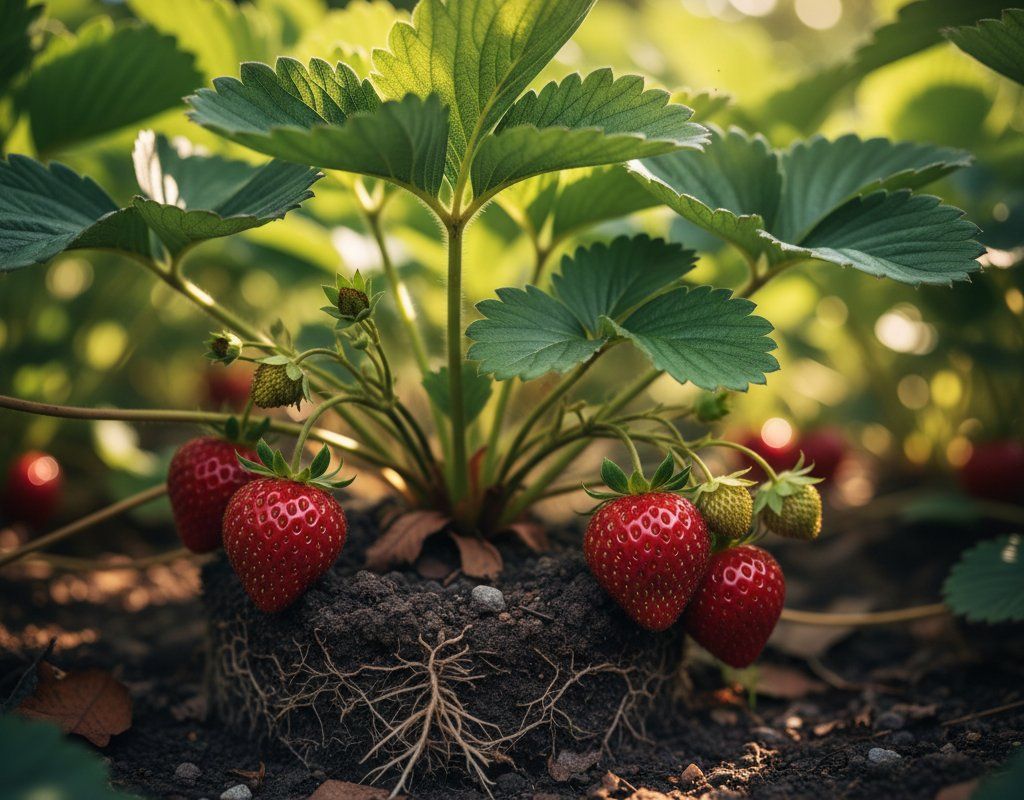
Avoid planting bok choy near strawberries or tomatoes. Strawberries are susceptible to some of the same fungal diseases as bok choy, and tomatoes can attract pests that also target bok choy.
🌸Best Flowers to Plant with Bok Choy
These flowers protect your Bok Choy from pests and attract pollinators for better harvests.


Get a Reminder When It's Time to Plant
We'll email you when key planting windows open for your zone.