
Cabbage in Zone 9A — Southern California
Brassica oleracea var. capitata · Your Complete 2026 Planting Guide
Check Planting Details Below
See the full planting guide for timing information.
How to Plant Cabbage in Zone 9A — Southern California
Here are all your options for getting cabbage in the ground, from the easiest method to more advanced approaches.
Start Seeds Indoors
RecommendedLate November through late December
around December 7
Then transplant: Mid January through mid February
Start seeds 6-8 weeks before transplanting outdoors.
Start indoors for spring harvest.
Buy Starts
Works WellMid January through mid February
around January 18
Plant purchased starts after last frost (February 1).
Direct Sow Seeds
ChallengingDirect sowing is not typical for Cabbage.
Transplant Outdoors
Timing InfoMid January through mid February
around January 18
Can tolerate light frost, but wait for soil to be workable.
You have a nice window — no need to rush.
Fall Planting
Early October through early November
October 18 ideal · Transplant for fall harvest
Plant a second crop in mid-summer for fall harvest. Cabbage actually prefers the cooling temperatures of fall.
Overview
Cabbage is a surprisingly rewarding crop for Southern California gardeners. Its crisp texture and mild flavor are fantastic in slaws, stir-fries, or even grilled, and there's nothing quite like the satisfaction of harvesting your own homegrown head. Plus, growing your own allows you to enjoy a year-round harvest, taking advantage of our mild winters that many other regions envy.
We definitely face some unique gardening hurdles here, like drought and the occasional heat spike, but with careful planning and attention to watering, cabbage thrives. Our long 322-day growing season gives you plenty of flexibility to get those heads just right.
Starting Seeds Indoors
To get a jump start on your spring cabbage harvest, start seeds indoors from late November through late December. This gives the seedlings enough time to mature before transplanting outdoors. Use seed trays filled with a good seed-starting mix, and keep them in a warm spot with plenty of light – a sunny windowsill or under grow lights works great.
Consistent moisture is key for germination. Bottom watering will help prevent damping off, which can be an issue in our sometimes-humid conditions. Simply set the tray in a shallow dish of water and let the soil absorb it from the bottom. Since our springs arrive very-early, this head-start will let you harvest before the full force of the summer heat inland arrives.
Transplanting Outdoors
Transplant your cabbage seedlings outdoors from mid January through mid February. Before planting, harden them off by gradually exposing them to outdoor conditions for about a week. This helps them adjust to the sun and wind, preventing transplant shock.
Space the seedlings 12-18 inches apart in well-drained soil. Even in January and February, we can get some warm days, so choose a cloudy day for transplanting if possible to minimize stress on the young plants.
Watering Cabbage in Zone 9A (Southern California)
Cabbage needs consistent moisture to form those dense, satisfying heads. But in Southern California, where water is precious, it's all about finding the right balance. During our winter-wet season, you might not need to water at all, relying on rainfall. However, once the rains taper off, switch to a regular watering schedule.
Stick your finger about 2 inches deep into the soil. If it feels dry, it's time to water. Aim for about 1-1.5 inches of water per week, delivered at the base of the plant to avoid wetting the leaves and creating conditions for fungal diseases in our low-to-moderate humidity.
Underwatering will result in stunted growth and loose heads. Overwatering, especially after a dry spell, can cause the heads to split. Signs of underwatering include wilting leaves, while yellowing leaves can indicate overwatering. Mulching around your cabbage plants with organic matter like compost or shredded leaves helps retain moisture and suppress weeds, which is crucial during our dry spells.
🧪Fertilizing Cabbage
Feeding Schedule
Organic Fertilizer Options
Harvest Time
You can expect your first cabbage harvest from late March through mid May, about 70 days after transplanting. The best way to tell if a cabbage head is ready to harvest is to give it a gentle squeeze. It should feel firm and solid, not soft or loose. Also, make sure it's reached the full size expected for its variety.
To harvest, use a sharp knife to cut the head off at the base of the plant. Leaving the outer leaves intact may encourage the plant to produce smaller side shoots for a later, albeit smaller, harvest. As our first frost approaches around mid- December, harvest any remaining heads, as they won't improve much after that.
Common Problems in Zone 9A (Southern California)
Cabbage can run into a few problems here in Southern California. Here's how to tackle them:
- Cabbage Worms
- What it looks like: Smooth green caterpillars on brassica leaves. Irregular holes chewed in leaves. Dark green droppings. White butterflies hovering around plants.
- What causes it: Larvae of white cabbage butterflies. Multiple generations per season in our warm climate.
- How to fix/prevent it: Bt spray is very effective. Floating row covers prevent egg laying. Handpick caterpillars. Interplant with aromatic herbs (thyme, sage). Encourage parasitic wasps.
- Cabbage Loopers
- What it looks like: Similar to cabbage worms, but loopers move in a distinctive inchworm fashion. They also chew holes in leaves.
- What causes it: Another type of caterpillar that thrives in our mild climate, especially during warmer months.
- How to fix/prevent it: Bt spray works well on loopers too. Handpicking is effective for small infestations. Encourage natural predators like birds.
- Splitting
- What it looks like: The cabbage head cracks open.
- What causes it: Inconsistent watering, especially heavy watering after a dry spell. The rapid uptake of water causes the head to swell faster than the outer leaves can expand.
- How to fix/prevent it: Maintain consistent soil moisture. Mulch around plants to retain moisture. Water deeply but less frequently. Harvest heads as soon as they are mature to prevent splitting.
- Clubroot
- What it looks like: Stunted growth, wilting in afternoon heat, yellowing leaves. Roots are swollen, distorted, and club-shaped when dug up.
- What causes it: Soil-borne pathogen (Plasmodiophora brassicae) that persists in soil for 10+ years. Favors acidic, wet soil.
- How to fix/prevent it: Raise soil pH to 7.0-7.2 with lime. Improve drainage. Rotate brassicas on a 7-year cycle. Remove and destroy infected plants (don't compost). Start transplants in sterile mix.
Southern California Specific Challenges: Our hot summers inland can stress cabbage plants and make them more susceptible to pests and diseases. Regular watering and providing afternoon shade during the hottest months can help. Also, Santa Ana winds can quickly dry out the soil, so monitor moisture levels closely during these events.
Best Companions for Cabbage
Plant these nearby for healthier Cabbage and better harvests.


Keep Away From



Companion Planting Details
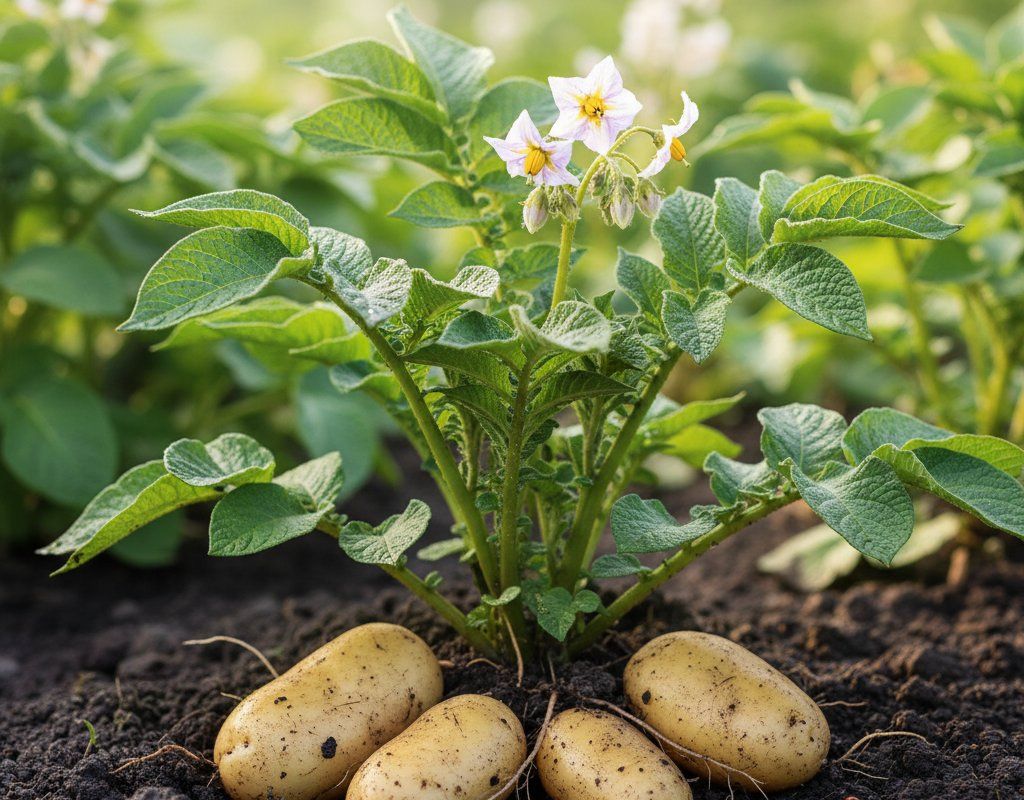
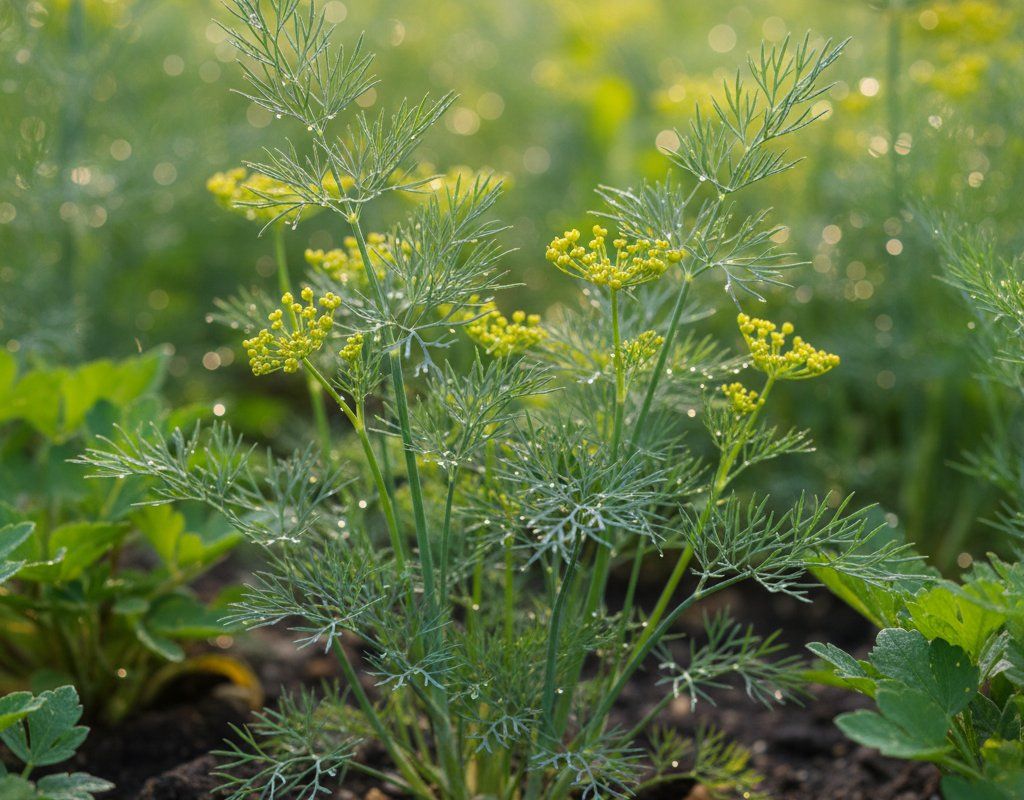
Companion planting can really boost your cabbage growing game. Green beans fix nitrogen in the soil, benefiting cabbage's leafy growth. Celery deters cabbage white butterflies. Onions repel many pests, including aphids. Potatoes don't directly help cabbage, but they don't compete for nutrients, and their different growth habits make them good neighbors. Dill attracts beneficial insects that prey on cabbage pests.
Avoid planting cabbage near tomatoes, strawberries, or peppers. Tomatoes and peppers compete for similar nutrients, and strawberries are susceptible to some of the same pests and diseases as cabbage.
🌸Best Flowers to Plant with Cabbage
These flowers protect your Cabbage from pests and attract pollinators for better harvests.
For Pest Control




Get a Reminder When It's Time to Plant
We'll email you when key planting windows open for your zone.