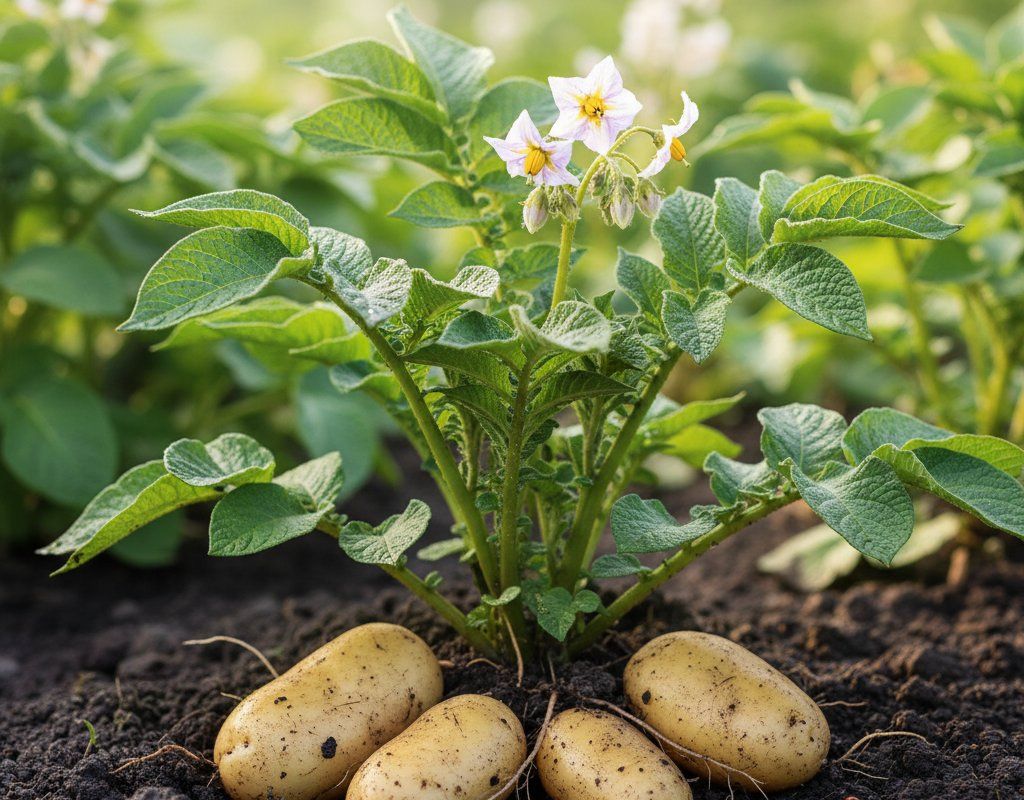
Potato in Zone 9A — Southern California
Solanum tuberosum · Your Complete 2026 Planting Guide
Still Time to Sow!
The sowing window is still open for Potato.
Sow Seeds Soon
Plant seed potatoes directly in the ground. Not grown from true seed.
How to Plant Potato in Zone 9A — Southern California
Here are all your options for getting potato in the ground, from the easiest method to more advanced approaches.
Direct Sow Seeds
RecommendedMid January through early September
around January 18
Consider succession planting every 2-3 weeks for continuous harvest.
Plant seed potatoes directly in the ground. Not grown from true seed.
Buy Starts
Works WellMid January through early February
around January 18
Plant purchased starts after last frost (February 1).
Start Seeds Indoors
ChallengingThis plant is typically not started indoors.
Transplant Outdoors
Timing InfoMid January through early February
around January 18
Can tolerate light frost, but wait for soil to be workable.
Plan to transplant within a few weeks of your target date.
Overview
Potatoes grown in your Southern California garden taste completely different from store-bought spuds—earthy, creamy, and with varieties you'll never find at the grocery store. Our year-round growing season and mild winters make it possible to grow two or even three potato crops annually, giving you fresh tubers from spring through late fall. Whether you're after buttery fingerlings, purple potatoes for roasting, or classic russets for baking, homegrown potatoes reward you with incredible flavor and the satisfaction of digging up buried treasure.
Your 322-day growing season means you can plant potatoes almost any time of year, though our hot inland summers and occasional water restrictions require some timing strategy. Plant early in the season to harvest before the intense summer heat hits, or wait until late summer for a fall crop that thrives in our mild autumn weather. With proper timing, you'll avoid the stress of trying to keep potatoes happy during those scorching July and August days.
Transplanting Outdoors
Transplanting potatoes isn't the typical approach since these crops grow from seed potatoes (tuber pieces) rather than seedlings, but if you've started seed potatoes indoors to get a jump on the season, you can transplant them outdoors from mid-January through early February. This timing takes advantage of our mild winter temperatures while avoiding any surprise cold snaps that could damage tender shoots.
Before transplanting, harden off your potato starts by gradually exposing them to outdoor conditions over a week. Start with a few hours of morning sun and work up to full outdoor exposure. Space your transplants 12 inches apart in rows, giving them room to spread their foliage and develop underground tubers.
Keep an eye on January weather patterns, as occasional cold fronts can bring unexpected chills to Southern California. If temperatures threaten to drop below 35°F, cover your newly transplanted potatoes with row covers or even old sheets for protection.
Direct Sowing
Direct sowing seed potatoes is the recommended method for Southern California gardens, and you have an incredibly long planting window from mid-January through early September. Plant certified seed potatoes (not grocery store potatoes, which are often treated to prevent sprouting) directly in prepared garden beds. Cut larger seed potatoes into pieces with at least two eyes each, letting the cut surfaces dry for 24-48 hours before planting.
Your soil should be loose, well-draining, and around 45-50°F for optimal sprouting. In our mild winter climate, you can often plant as early as mid-January, especially in coastal areas. Plant seed potato pieces 4 inches deep and 12 inches apart, covering them completely with soil. As shoots emerge and grow, gradually hill soil around the stems to keep developing tubers covered and prevent them from turning green.
For continuous harvests, plant small batches every 2-3 weeks through the growing season. Avoid planting during the hottest summer months (July-August) unless you're in coastal areas, as our inland heat can stress potato plants and reduce yields.
Watering Potato in Zone 9A (Southern California)
Potatoes need consistent, moderate moisture throughout their growing season, which requires careful attention in our semi-arid Southern California climate. Unlike our winter rains that can handle early-season watering needs, summer potato crops depend entirely on irrigation. Water deeply when the top 2 inches of soil feel dry to your finger—typically every 3-4 days during spring and fall, more frequently during hot summer stretches.
Provide about 1-1.5 inches of water per week, delivered slowly at the base of plants rather than overhead. Our low to moderate humidity means you don't need to worry as much about foliar diseases from wet leaves, but watering at soil level is still more efficient and reduces evaporation. During the critical tuber formation period (when plants begin flowering), maintain especially even moisture—inconsistent watering during this stage leads to oddly shaped or cracked potatoes.
Two weeks before harvest, reduce watering significantly to help tubers develop proper skin and prevent rot issues. Wet soil at harvest time creates storage problems and increases disease risk. Apply a 2-3 inch layer of mulch around plants to conserve moisture and regulate soil temperature during our hot summer days, but keep mulch a few inches away from plant stems to prevent pest issues.
Watch for signs of water stress: wilted leaves during the heat of the day (normal) versus wilted leaves in early morning or evening (needs water). Overwatered potatoes develop yellow leaves and may develop bacterial soft rot, especially problematic during our warm spring weather.
🧪Fertilizing Potato
Feeding Schedule
Organic Fertilizer Options
Harvest Time
Your first potato harvest typically begins in mid-April for early plantings, continuing through late December for succession crops—that's the beauty of Southern California's extended growing season. For new potatoes (small, thin-skinned), harvest when plants begin flowering, usually around 60-70 days from planting. These tender potatoes are perfect for roasting or steaming and don't store long, but they're incredibly flavorful.
For storage potatoes, wait until the foliage dies back completely, usually around 90-120 days depending on variety and planting time. The dying foliage signals that tubers have reached full maturity and developed proper skin for storage. Dig carefully with a garden fork, working from the side to avoid spearing potatoes, and brush off soil rather than washing them immediately.
Harvest on a dry day when soil isn't muddy, making the job easier and reducing disease risks. Check each tuber for damage—nicked or bruised potatoes should be used quickly rather than stored. After digging, let potatoes cure in a cool, dark, well-ventilated area for 7-10 days to toughen their skins for storage.
Since our first frost doesn't typically arrive until mid-December, you can often extend your potato harvest well into fall. Just watch weather forecasts and harvest before any predicted freezing temperatures, as frost will damage both foliage and any exposed tubers.
Common Problems in Zone 9A (Southern California)
Colorado Potato Beetle These distinctive yellow-orange beetles with black stripes appear on potato leaves along with their orange egg masses and dark red larvae. Adult beetles and larvae both chew holes in foliage, potentially defoliating entire plants if left unchecked. While less common in Southern California than other regions, they can still appear, especially during our mild spring weather when conditions favor their reproduction. Hand-pick adults and egg masses early in the season, dropping them into soapy water. For severe infestations, apply Bt (Bacillus thuringiensis) or spinosad-based organic insecticides.
Late Blight This devastating disease shows up as large, irregularly shaped dark green-gray water-soaked spots on leaves, often with white fuzzy growth on leaf undersides during humid conditions. While our typically low humidity helps prevent late blight, it can occur during unusually wet spring weather or when using overhead irrigation. The disease spreads rapidly and can destroy entire plantings within days. Remove and destroy affected plants immediately—bag them rather than composting. Apply copper-based fungicides preventatively, ensure excellent air circulation, and avoid overhead watering. Plant resistant varieties if late blight has been an issue in your area.
Common Scab Rough, corky, brown patches appear on potato surfaces, making tubers look unsightly though they're still edible after peeling. Scab thrives in alkaline soils with pH above 7.0, and our naturally alkaline Southern California soils can promote this problem. The disease also worsens during dry conditions followed by wet periods. Maintain soil pH between 5.8-6.2 by adding sulfur or organic matter, provide consistent moisture during tuber development, and rotate potato crops to different garden areas each year.
Southern California Specific Challenges: Our hot inland temperatures and low humidity actually help prevent many potato diseases common in other regions, but they create different challenges. Summer heat stress can reduce yields and quality, while our alkaline soils promote scab. Water restrictions during drought years force difficult choices between conservation and crop needs, making mulching and efficient irrigation systems especially important for potato success.
Best Companions for Potato
Plant these nearby for healthier Potato and better harvests.

Keep Away From

Companion Planting Details
Plant potatoes alongside beans and corn for a classic "three sisters plus one" combination—beans fix nitrogen that potatoes can use, while corn provides light shade during hot afternoons. Brassicas like cabbage, broccoli, and kale make excellent potato companions because they mature at different rates and have complementary root zones, plus their strong scents may help deter potato pests. Horseradish planted near potatoes reportedly improves their flavor and helps repel Colorado potato beetles, though you'll want to contain horseradish in buried containers since it spreads aggressively in our year-round growing climate.
Avoid planting potatoes near tomatoes, peppers, or eggplants since they're all nightshades sharing similar pests and diseases—rotating these crops to different garden areas each year prevents soil-borne problems from building up. Keep potatoes away from squash, cucumbers, and sunflowers, which compete heavily for space and nutrients while potentially harboring pests that can spread to potato plants. In Southern California's intensive growing environment where space is often limited, good companion planning helps maximize yields while minimizing pest and disease issues.
🌸Best Flowers to Plant with Potato
These flowers protect your Potato from pests and attract pollinators for better harvests.


Get a Reminder When It's Time to Plant
We'll email you when key planting windows open for your zone.