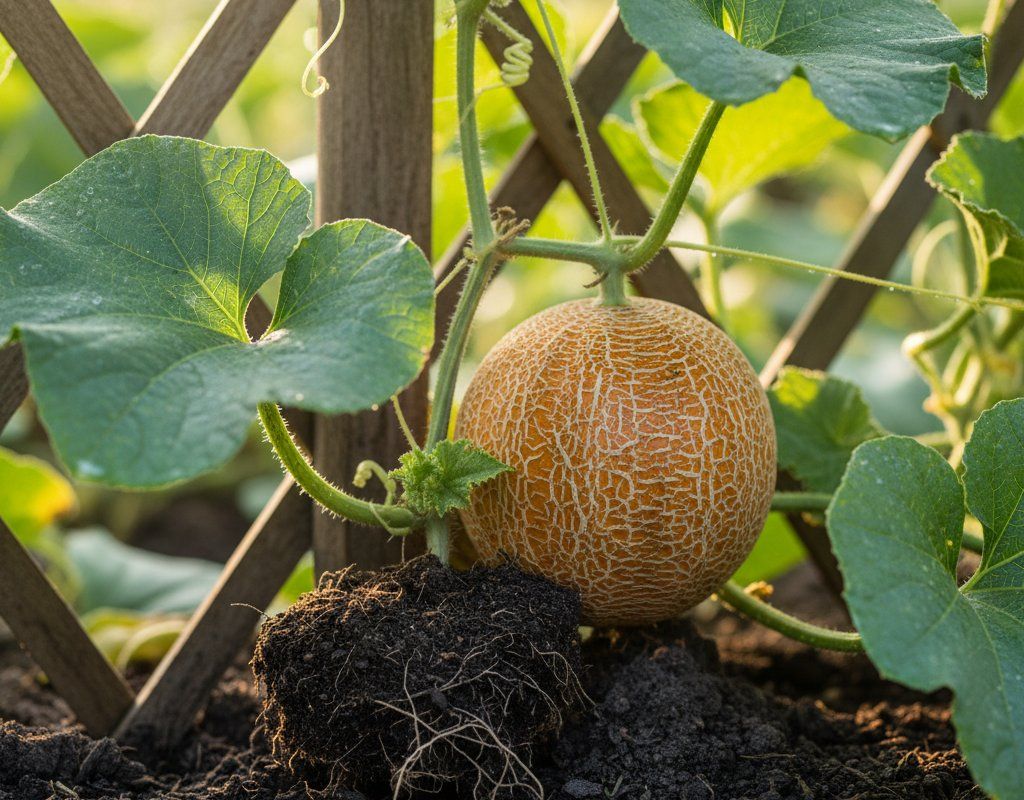
Cantaloupe in Zone 10B — Florida
Cucumis melo · Your Complete 2026 Planting Guide
Still Time to Sow!
The sowing window is still open for Cantaloupe.
Sow Seeds Soon
Same as watermelon — needs warm soil, direct sow works in most zones.
How to Plant Cantaloupe in Zone 10B — Florida
Here are all your options for getting cantaloupe in the ground, from the easiest method to more advanced approaches.
Direct Sow Seeds
RecommendedMid January through late September
around January 19
Consider succession planting every 2-3 weeks for continuous harvest.
Same as watermelon — needs warm soil, direct sow works in most zones.
Buy Starts
Works WellMid January through mid February
around January 19
Plant purchased starts after last frost (January 5).
Start Seeds Indoors
Works WellLate December through mid January
around December 29
Then transplant: Mid January through mid February
Start seeds 3-5 weeks before transplanting outdoors.
Transplant Outdoors
Timing InfoMid January through mid February
around January 19
Wait until nighttime temperatures stay above 50°F.
You have a nice window — no need to rush.
Overview
Growing cantaloupe in Zone 10B Florida opens up possibilities most gardeners only dream of - you can harvest sun-ripened, intensely sweet melons for nearly ten months of the year. Our tropical climate produces fruit with concentrated flavor that puts grocery store melons to shame, and there's nothing quite like cutting into a cantaloupe you've nurtured from seed in your own backyard. The satisfaction of timing everything perfectly with Florida's unique growing patterns makes each harvest feel like a small victory.
Florida's extreme humidity and sandy soils present real challenges for cantaloupe, but understanding our reversed seasons makes success entirely manageable. While other gardeners worry about short growing seasons, you have a full 360 days to work with - the key is knowing when to plant and when to let your garden rest during the brutal summer months.
Starting Seeds Indoors
Starting cantaloupe seeds indoors isn't the primary method here, but it makes sense if you want to get the earliest possible harvest or ensure germination during cooler January weather. You'll want to start seeds indoors from late December through mid-January, about three weeks before your planned transplant date.
Set up seed trays in a warm spot (75-80°F works well) with good light - a sunny south window or grow lights both work. Use bottom watering to keep the soil consistently moist without creating the surface wetness that invites fungal problems in our humid climate. Your seeds should germinate within 7-10 days in warm conditions.
The main advantage of starting indoors is getting ahead of Florida's unique spring timeline, where we plant while the rest of the country is still frozen. However, cantaloupe really prefers direct sowing, so only bother with indoor starts if you're pushing for the absolute earliest harvest.
Transplanting Outdoors
Transplant your indoor-started cantaloupe seedlings from mid-January through mid-February, once soil temperatures stay consistently above 65°F. This timing catches Florida's brief cool season before the heat becomes overwhelming for young plants.
Harden off seedlings gradually over a full week - start with just 2-3 hours outdoors in filtered light, then increase exposure daily. Florida's intense sun can shock transplants quickly, even in winter. Space plants 36-48 inches apart to allow for their sprawling vine habit and ensure good air circulation in our humid climate.
Watch for late cold snaps during transplant season, as cantaloupe is completely frost-tender. A simple row cover or even old bed sheets can protect transplants if temperatures threaten to dip below 40°F overnight.
Direct Sowing
Direct sowing is your best bet for cantaloupe in Florida - these plants hate root disturbance and establish much better when planted where they'll grow. You have an incredibly long window from mid-January through late September, though the sweet spot is January through March and again in September.
Wait until soil temperatures reach at least 65°F consistently - cold soil leads to poor germination and fungal problems. Work compost into your planting area since our sandy soils drain too quickly for these thirsty plants. Plant seeds 1 inch deep and space them 36-48 inches apart, or plant in hills with 3-4 seeds per hill.
The key with direct sowing in Florida is matching your planting to our climate patterns. Early plantings (January-March) give you spring harvests before summer heat, while late plantings (September) set you up for wonderful fall and winter melons when the humidity finally breaks.
Watering Cantaloupe in Zone 10B (Florida)
Cantaloupe demands consistent, deep watering throughout the growing season - these aren't drought-tolerant plants by any stretch. In Florida's sandy soils, you'll need about 1-2 inches per week, delivered slowly to reach the deep roots rather than running off the surface.
Use the finger test religiously: stick your finger 2 inches deep into the soil near the base of the plant. If it's dry at that depth, it's time to water deeply. Water at the base rather than overhead to avoid wet foliage in our already humid climate - wet leaves are an invitation for fungal diseases that thrive in Florida's conditions.
During our wet summers, you might think watering becomes unnecessary, but those afternoon thunderstorms often provide lots of drama and little deep moisture. Continue monitoring soil moisture even during rainy periods. However, stop watering completely about a week before harvest - this concentrates sugars and prevents watery, bland fruit.
Mulch around plants with organic material to retain moisture in our fast-draining sand, but keep mulch a few inches from plant stems to prevent pest and disease issues that love our warm, humid conditions.
🧪Fertilizing Cantaloupe
Feeding Schedule
Organic Fertilizer Options
Harvest Time
Your first cantaloupe harvest typically arrives from early April through late December, about 80 days after planting. This extended harvest season is one of the real advantages of Florida gardening - while northern gardeners get a brief summer harvest, you can enjoy fresh cantaloupe for most of the year.
Look for three key ripeness indicators: the netting pattern should be fully developed and raised, the stem should separate easily from the fruit with gentle pressure (called "slipping"), and you should smell that distinctive sweet cantaloupe aroma at the blossom end. Don't rely on color alone - Florida-grown melons often stay greener than you expect while fully ripe.
Harvest in the morning when temperatures are cooler and sugars are concentrated. Unlike some fruits, cantaloupe won't ripen further once picked, so wait for clear signs of maturity. Each vine typically produces 2-4 melons over several weeks.
As we approach our brief frost season in late December, harvest any remaining fruit before temperatures drop below 40°F. Even mature green melons won't survive frost, so plan your final plantings to finish harvest before winter's arrival.
Common Problems in Zone 10B (Florida)
Powdery Mildew This shows up as white or grayish powdery coating on leaves, stems, and sometimes the fruit itself. Leaves curl, turn yellow, and eventually die back, reducing your plant's vigor significantly. In Florida, powdery mildew thrives during our warm days and cooler nights, especially when humidity levels fluctuate. Improve air circulation by proper spacing and pruning lower leaves. Remove affected foliage immediately and try milk spray (1 part milk to 9 parts water) - it's surprisingly effective and safer than chemicals in our ecosystem.
Aphids Look for clusters of tiny, soft-bodied insects in green, black, or white colors congregating on stems and leaf undersides. They leave sticky honeydew residue and cause new growth to curl and distort. Florida's warm weather allows aphid populations to explode rapidly, and you'll often see ants farming them for their sweet secretions. Blast them off with a strong water spray or use insecticidal soap for heavy infestations. Encourage beneficial insects like ladybugs and lacewings, and avoid over-fertilizing with nitrogen, which makes plants irresistible to aphids.
Poor Sweetness Your melons look perfect but taste bland and watery instead of intensely sweet. This frustrating problem usually stems from overwatering near harvest time, insufficient heat accumulation, or picking too early. Stop watering completely 5-7 days before harvest to concentrate sugars, ensure your plants get full sun exposure, and wait for proper ripeness indicators - that easy slip from the vine tells you more than appearance alone.
Florida Specific Challenges: Our extreme humidity creates perfect conditions for fungal diseases, while sandy soils drain so quickly that maintaining consistent moisture becomes a constant challenge. Summer heat often becomes too intense even for heat-loving cantaloupe, making timing absolutely critical for success in our unique growing environment.
Best Companions for Cantaloupe
Plant these nearby for healthier Cantaloupe and better harvests.


Keep Away From
Companion Planting Details
Plant cantaloupe alongside corn and sunflowers for natural support and shade benefits. Corn stalks provide light afternoon shade during Florida's intense summer sun, while sunflowers attract beneficial insects that help with pollination and pest control. Lettuce works well as a living mulch early in the season, keeping soil cool and moist while the cantaloupe vines are establishing.
Avoid planting near potatoes, which compete for nutrients and attract similar pests, and keep cucumbers at a distance despite their family relationship - they share too many disease problems in Florida's humid climate, and growing them together just amplifies issues like powdery mildew and bacterial wilt. Space your cantaloupe where air circulation is excellent, as good airflow is your best defense against the fungal problems that love our climate.
🌸Best Flowers to Plant with Cantaloupe
These flowers protect your Cantaloupe from pests and attract pollinators for better harvests.


Get a Reminder When It's Time to Plant
We'll email you when key planting windows open for your zone.