
Lettuce in Zone 10B — Florida
Lactuca sativa · Your Complete 2026 Planting Guide
Harvest Time!
Your Lettuce should be producing now!
Harvest Tips
Harvest outer leaves for cut-and-come-again, or cut whole head.
How to Plant Lettuce in Zone 10B — Florida
Here are all your options for getting lettuce in the ground, from the easiest method to more advanced approaches.
Direct Sow Seeds
RecommendedEarly December through early November
around December 8
Consider succession planting every 2-3 weeks for continuous harvest.
Lettuce germinates easily in cool soil. Succession sow every 2-3 weeks.
Start Seeds Indoors
RecommendedMid November through early December
around November 24
Then transplant: Late December through early February
Start seeds 4-6 weeks before transplanting outdoors.
Starting indoors gives you an earlier harvest.
Buy Starts
Works WellLate December through early February
around December 22
Plant purchased starts after last frost (January 5).
Lettuce starts are inexpensive and widely available.
Transplant Outdoors
Timing InfoLate December through early February
around December 22
Can tolerate light frost, but wait for soil to be workable.
You have a nice window — no need to rush.
Fall Planting
Early November through early December
November 19 ideal · Direct sow for fall harvest
Plant a second crop in mid-summer for fall harvest. Lettuce actually prefers the cooling temperatures of fall.
Overview
Growing lettuce in Florida's Zone 10B gives you fresh, crisp greens when the rest of the country is buried under snow. Our reversed growing season means you'll be harvesting perfect heads and tender leaves from late December through early spring, when store-bought lettuce costs a fortune and tastes like cardboard. The satisfaction of cutting your own lettuce for winter salads while your northern friends dream of fresh greens makes this crop especially rewarding.
Our extreme humidity and summer heat that regularly hits 93°F means lettuce simply won't survive our brutal summers, but that's exactly why our 360-day growing season works so well. Plant in fall, harvest through winter - it's that simple. The key is embracing Florida's unique calendar instead of fighting it.
Starting Seeds Indoors
Starting lettuce seeds indoors isn't the most common approach here, but it makes sense if you want an earlier harvest or better control over germination. Start your seeds from mid-November through early December, about four weeks before you plan to transplant outside.
Set up seed trays with good potting mix and keep them in a bright, cool spot - around 60-70°F is perfect. Bottom watering works best for lettuce seeds since they're tiny and surface watering can wash them around. Our humidity actually helps prevent the soil from drying out too quickly during germination.
Since spring comes early in Florida (often by late December), indoor starting gives you a jump on the season. You'll have sturdy transplants ready to go out when nighttime temperatures settle into the 50s, which happens much earlier here than in traditional growing zones.
Transplanting Outdoors
Your lettuce transplants are ready to go outside from late December through early February, once our brief "winter" settles in. These timing windows work because our growing season runs opposite to most gardening advice you'll read.
Before transplanting, harden off your seedlings for about a week by gradually exposing them to outdoor conditions. Start with a few hours of morning sun, then work up to full days outside. Space your transplants 6-12 inches apart depending on variety - head lettuce needs the full 12 inches while leaf lettuce can handle closer spacing.
Watch for those unexpected warm spells that can hit even in January. If temperatures spike into the 80s during your transplant window, provide some afternoon shade with row cover or shade cloth. The good news is lettuce transplants are widely available and inexpensive at local nurseries if you'd rather skip the seed starting process entirely.
Direct Sowing
Direct sowing lettuce works beautifully in Florida's cool season, from early December through early November of the following year. Our sandy soil warms and cools quickly, which actually helps since lettuce seeds germinate best in soil temperatures around 60-65°F.
Prepare your planting area by working in some compost to help our sandy soil hold moisture better. Lettuce has shallow roots that dry out fast in our well-draining sand. Sow seeds about 1/4 inch deep and space them 6-12 inches apart, depending on whether you're growing leaf or head varieties.
The beauty of direct sowing here is succession planting - sow a new row every 2-3 weeks through the cool season for continuous harvests. Lettuce germinates easily in our winter conditions, and you'll avoid any transplant shock that can cause plants to bolt early when warm weather returns.
Watering Lettuce in Zone 10B (Florida)
Lettuce needs consistent moisture year-round, but Florida's extreme humidity and wet summers create unique watering challenges. During our growing season (fall through spring), you'll need to water about 1-1.5 inches per week, including rainfall. Use the finger test - stick your finger 2 inches into the soil, and if it's dry, it's time to water.
Our 50-65 inches of annual rainfall sounds like plenty, but most of it comes during summer when lettuce can't grow anyway. During the dry winter months when your lettuce is actively growing, you'll need to supplement regularly. Water at the base of plants rather than overhead - our very high humidity already creates perfect conditions for fungal diseases, and wet leaves make it worse.
Sandy soil drains fast, which means lettuce roots can go from moist to bone dry quickly. Mulch around plants with shredded leaves or straw to slow evaporation and keep soil temperatures cool. This is especially important as spring approaches and temperatures start climbing back toward summer heat.
Signs of underwatering include wilting during the heat of the day and bitter, tough leaves. Overwatering shows up as yellowing lower leaves and a generally soggy feeling to the soil. In our humid climate, overwatering can quickly lead to root rot, so finding that balance is crucial for healthy lettuce.
🧪Fertilizing Lettuce
Feeding Schedule
Organic Fertilizer Options
Harvest Time
Your first lettuce harvest will come in late December to early January, about 45 days after planting, just as the holidays wind down. This timing works perfectly since you'll have fresh greens for New Year's salads when store prices are at their highest.
For leaf lettuce varieties, start harvesting when leaves reach 4-6 inches long by cutting outer leaves and leaving the center to keep producing. Head lettuce is ready when heads feel firm and dense - give them a gentle squeeze test. Cut before the plant bolts, which you'll recognize by a tall center stalk shooting up quickly.
Keep harvesting regularly to encourage continued production. In Florida's climate, lettuce can keep producing new leaves for weeks if you harvest correctly and keep it well-watered. Cut in the early morning when leaves are crisp and full of moisture.
As late December approaches and our brief frost season arrives, harvest remaining heads completely. Florida lettuce plants won't survive even our light frosts, but the beauty of our climate is you can plant again in early fall for another round. The 360-day growing season means you're never more than a few months away from fresh homegrown lettuce.
Common Problems in Zone 10B (Florida)
Bolting shows up as a tall flower stalk shooting up from the center of your lettuce plant, making leaves bitter and tough. In Florida, this happens when temperatures start climbing back toward summer heat, typically by late February or March. Our intense spring sun and rapidly warming soil trigger this response. Prevent bolting by planting at the right time for our reversed seasons, providing afternoon shade as spring approaches, and choosing bolt-resistant varieties like 'Jericho' or 'Nevada'. Keep soil consistently moist since drought stress accelerates bolting.
Aphids appear as clusters of tiny green, black, or white insects on stems and leaf undersides, leaving sticky honeydew residue and causing curled growth. Florida's humidity creates perfect conditions for these sap-suckers to multiply rapidly. Knock them off with a strong water spray early in the morning, encourage natural predators like ladybugs, and use insecticidal soap for heavy infestations. Avoid high-nitrogen fertilizers which make plants more attractive to aphids.
Slugs create irregular holes in leaves and leave silvery slime trails, with damage worse during our frequent winter rains. They hide under mulch and debris during the day, then feed at night. Set beer traps (shallow dishes of beer sunk level with soil), use iron phosphate bait around plants, and water in the morning so soil surfaces dry by evening. Remove hiding spots like boards and excessive mulch.
Tip burn appears as brown, dried edges on inner lettuce leaves, similar to blossom end rot in tomatoes. This calcium uptake problem gets worse with inconsistent watering, which is common in our sandy soil that drains so quickly. Water consistently, ensure your soil has adequate calcium, and avoid fertilizers high in ammonium nitrogen. Provide shade during warm spells to reduce plant stress.
Florida's extreme humidity and frequent rainfall create additional challenges with fungal diseases, while our sandy soil makes consistent watering tricky. The combination of very high humidity and rapid soil drainage means you're constantly balancing between too wet and too dry conditions.
Best Companions for Lettuce
Plant these nearby for healthier Lettuce and better harvests.
View Full Companion Planting Chart →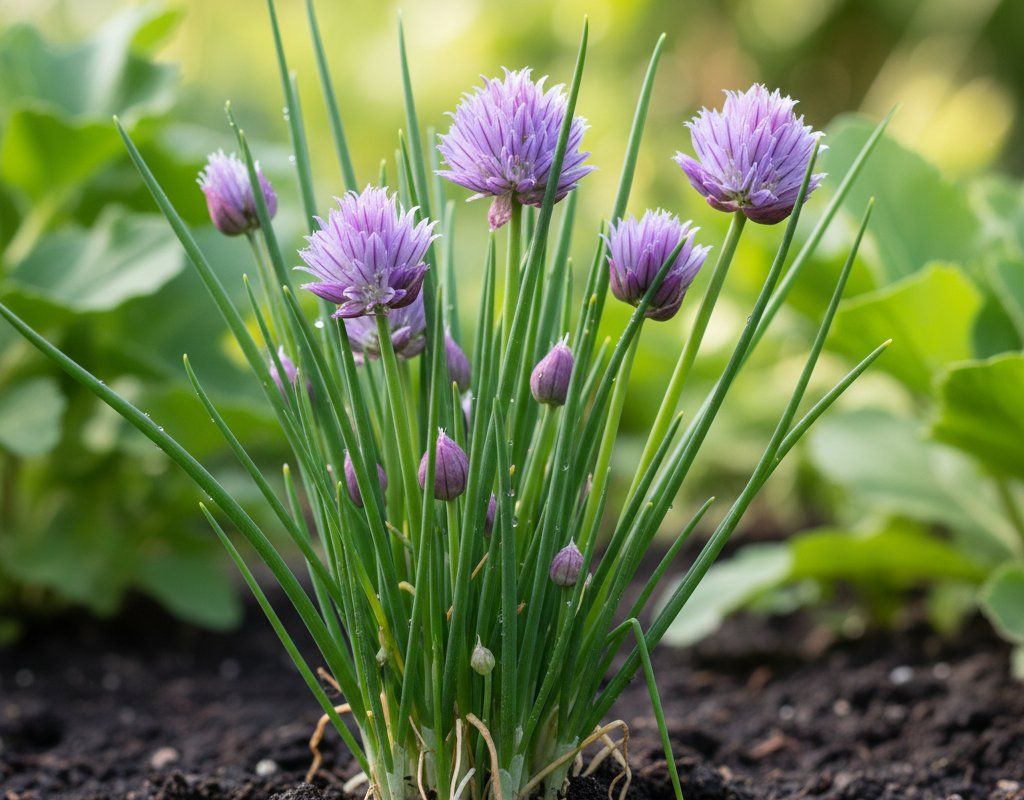


Companion Planting Details
Lettuce pairs beautifully with carrots and radishes in Florida gardens since they all thrive in our cool season and have similar watering needs. Carrots help break up our sandy soil with their taproots, while radishes mature quickly and can be harvested before they compete with slower-growing lettuce heads. Both root crops also help mark rows when direct seeding lettuce.
Strawberries make excellent neighbors since they provide natural ground cover and help retain moisture in our fast-draining sand, while chives planted nearby help deter aphids with their strong scent. Avoid planting lettuce near celery or parsley - they have similar nutritional needs and will compete for resources in our nutrient-poor sandy soil, plus they tend to harbor the same pests that love lettuce.
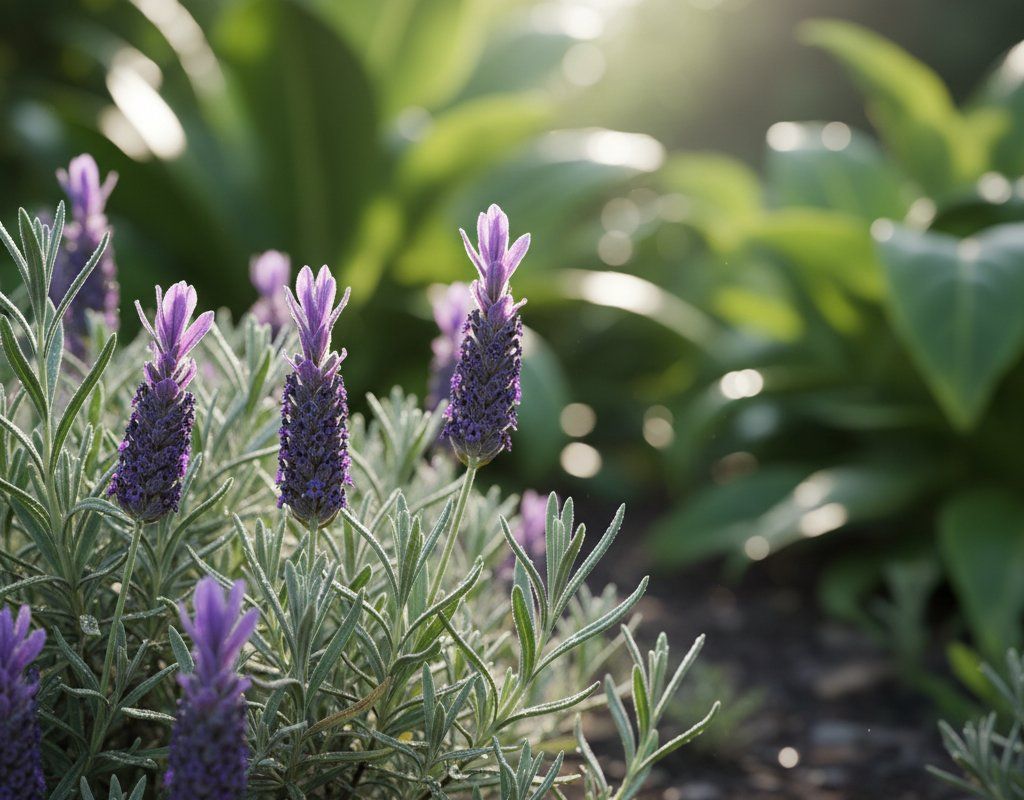
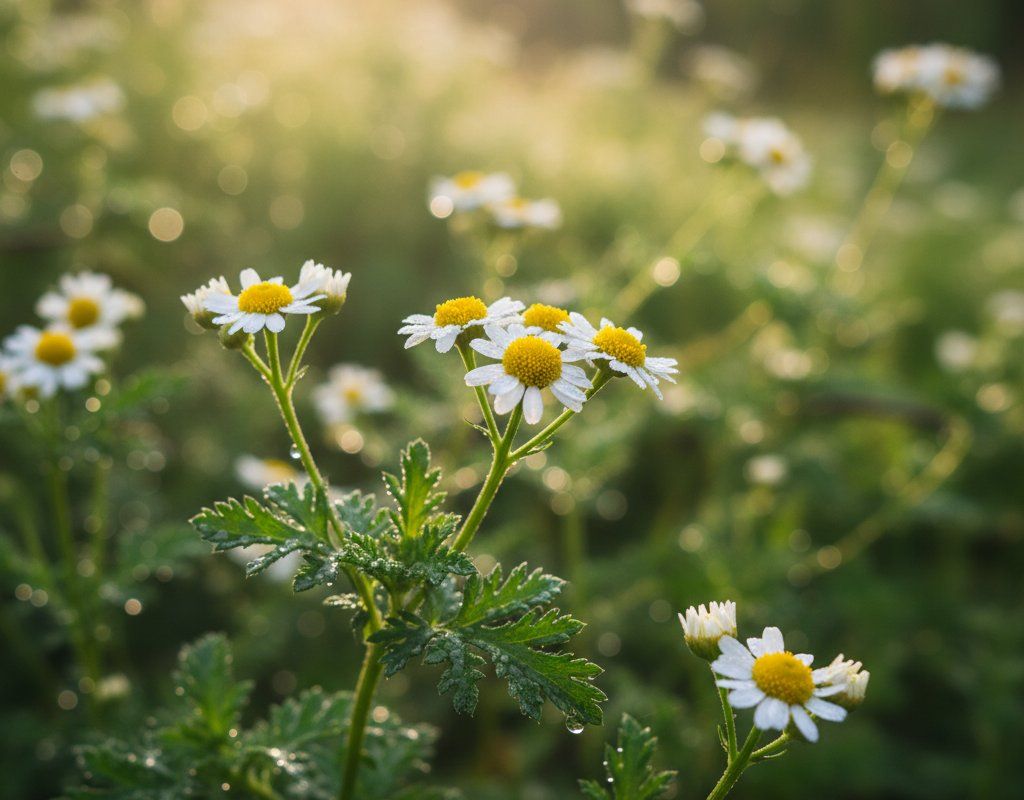
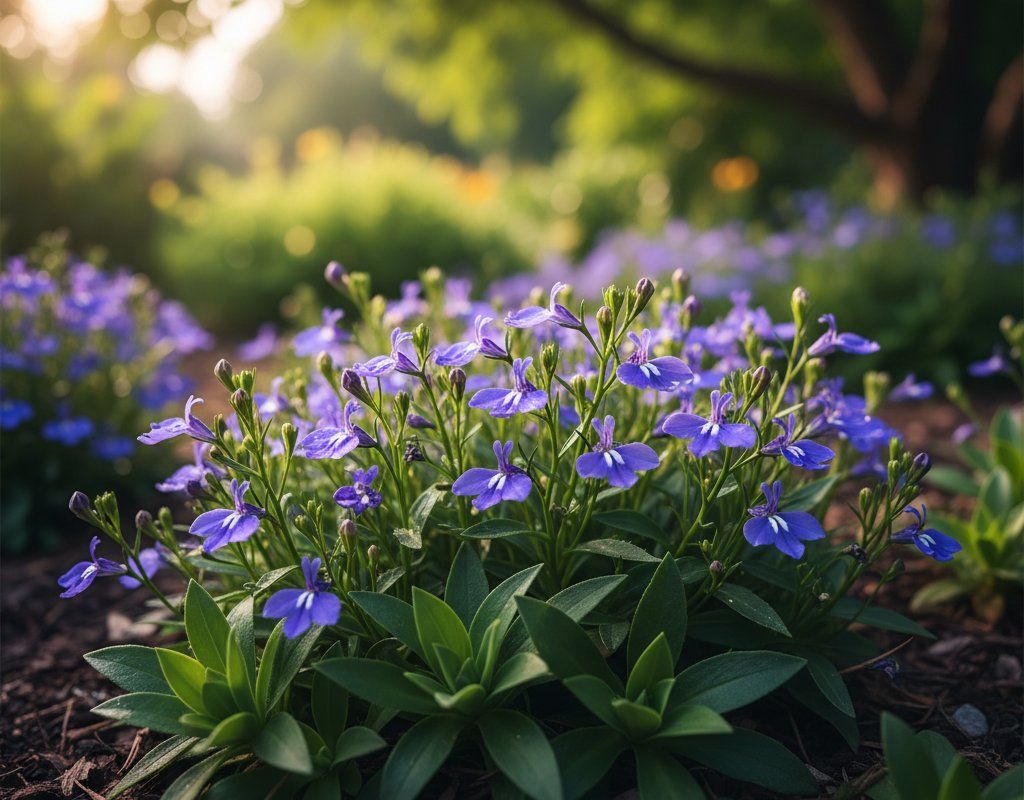
🌸Best Flowers to Plant with Lettuce
These flowers protect your Lettuce from pests and attract pollinators for better harvests.
For Pest Control



Get a Reminder When It's Time to Plant
We'll email you when key planting windows open for your zone.