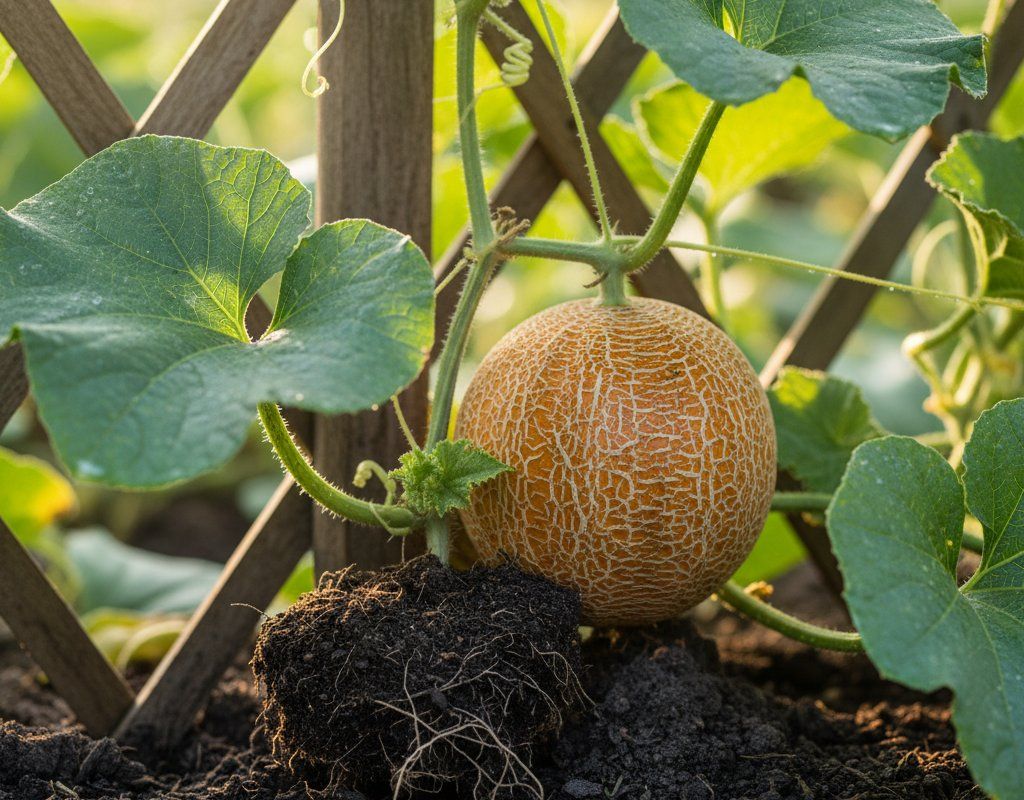
Cantaloupe in Zone 5B — Great Plains
Cucumis melo · Your Complete 2026 Planting Guide
Planning Ahead — Great!
You’re ahead of the season. Here’s when to start.
Mark Your Calendar
How to Plant Cantaloupe in Zone 5B — Great Plains
Here are all your options for getting cantaloupe in the ground, from the easiest method to more advanced approaches.
Direct Sow Seeds
RecommendedEarly May through mid July
around May 4
Consider succession planting every 2-3 weeks for continuous harvest.
Same as watermelon — needs warm soil, direct sow works in most zones.
Buy Starts
Works WellEarly May through early June
around May 4
Plant purchased starts after last frost (April 20).
Start Seeds Indoors
Works WellEarly to late April
around April 13
Then transplant: Early May through early June
Start seeds 3-5 weeks before transplanting outdoors.
Transplant Outdoors
Timing InfoEarly May through early June
around May 4
Wait until nighttime temperatures stay above 50°F.
You have a nice window — no need to rush.
Overview
Cantaloupe grown in your own prairie soil delivers a sweetness that store-bought melons can't match, especially when you let it ripen fully on the vine under our intense Plains sunshine. Our low disease pressure and fertile prairie soils create ideal conditions for these heat-loving vines, and there's nothing quite like slicing into a perfectly ripe cantaloupe that developed its sugars under our blazing summer sun.
While our extreme temperature swings and variable spring weather can make cantaloupe timing tricky, your 178-day growing season gives you plenty of room to work with once you get the timing right. The key is waiting for consistently warm soil and protecting young plants from our notorious wind until they establish themselves.
Starting Seeds Indoors
Starting cantaloupe seeds indoors makes sense when you want to maximize your growing season or if late spring cold snaps are common in your area. Start seeds early to late April, about three weeks before you plan to transplant outdoors, giving you more control over germination in our variable spring weather.
Use seed-starting trays filled with quality potting mix, keeping soil temperature around 70-75°F for best germination. Bottom watering works particularly well for cantaloupe seeds since it prevents damping off while maintaining consistent moisture. Place trays under grow lights or in your sunniest south-facing window.
Keep in mind that cantaloupe doesn't transplant as easily as tomatoes or peppers, so handle seedlings gently and transplant while they're still young. Many Plains gardeners find direct sowing more reliable once soil warms up.
Transplanting Outdoors
Transplant cantaloupe seedlings outdoors from early May through early June, but only after soil temperature reaches at least 65°F and nighttime temperatures stay consistently above 50°F. Your transplants need a full week of hardening off, gradually increasing their outdoor exposure to adjust to our intense Plains sun and wind.
Space transplants 36-48 inches apart in rows, giving each plant plenty of room to spread as the vines mature. Plant in a sheltered location if possible, as wind protection is essential for young cantaloupe plants - even a temporary row cover or tomato cages can help until they establish.
Choose your transplant timing carefully since late spring frost can still surprise us in the Plains. Have row covers ready if unexpected cold threatens your newly planted seedlings.
Direct Sowing
Direct sowing is the recommended method for cantaloupe in the Plains, eliminating transplant shock and giving you stronger root systems. Plant seeds from early May through mid-July, waiting until soil temperature reaches 65°F and stays warm - cold soil leads to poor germination and weak plants.
Prepare planting areas by working compost into our prairie soil, creating slightly raised mounds or hills that drain well and warm faster in spring. Plant 3-4 seeds per hill, spacing hills 36-48 inches apart to give vines room to spread without competing.
Once seedlings emerge and show their first true leaves, thin to the strongest plant per hill. Direct-sown cantaloupe develops deeper taproots that handle our summer heat and occasional drought stress better than transplanted seedlings.
Watering Cantaloupe in Zone 5B (Great Plains)
Cantaloupe requires consistent, deep watering throughout the growing season, needing about 1-2 inches per week including rainfall. In our hot Plains summers with variable precipitation, you'll likely need to supplement natural rainfall, especially during fruit development when plants are most thirsty.
Use the finger test to check soil moisture - stick your finger 2 inches deep near the plant base, and water when soil feels dry at that depth. Water at the base of plants rather than overhead to keep foliage dry and reduce disease risk, though our low-to-moderate humidity makes foliar diseases less problematic than in more humid regions.
Apply 2-3 inches of organic mulch around plants to conserve soil moisture and reduce watering frequency during our intense summer heat. Straw or grass clippings work well and help moderate soil temperature swings that can stress the shallow roots.
Stop watering completely one week before harvest for the sweetest fruit - this concentrates sugars and prevents diluted flavor. Watch for signs of water stress like wilted leaves in morning hours (normal afternoon wilting in 90°F+ heat is expected) or fruits that crack, indicating inconsistent moisture levels.
🧪Fertilizing Cantaloupe
Feeding Schedule
Organic Fertilizer Options
Harvest Time
Your first cantaloupes will be ready from late July through mid-October, typically 80 days after planting when grown in full Plains sunshine. A ripe cantaloupe develops full netting patterns across the skin, gives off a sweet, musky aroma at the blossom end, and most importantly, "slips" easily from the vine with gentle pressure.
Press gently where the stem attaches to the fruit - if it separates cleanly with minimal pressure, it's ready. The background color under the netting also changes from green to cream or yellow when ripe. Don't wait for the fruit to fall off naturally, as this usually means it's overripe.
Harvest in the morning when fruits are coolest for best flavor and storage life. Unlike some fruits, cantaloupe won't continue ripening once picked, so timing is crucial - check plants every day once fruits start showing maturity signs.
As first frost approaches in mid-October, harvest any remaining fruits that show decent size and netting, even if not fully ripe. These can be used for preserves or pickles, though they won't develop the sweetness of vine-ripened melons.
Common Problems in Zone 5B (Great Plains)
Powdery Mildew This fungal disease appears as white or grayish powdery coating on leaves, stems, and sometimes fruit, causing leaves to curl, yellow, and eventually die. In the Plains, our warm days and cooler nights create perfect conditions for powdery mildew, especially during late summer when humidity rises slightly. Improve air circulation by proper spacing and removing some lower leaves, then spray with neem oil or try the old milk spray trick - 1 part milk to 9 parts water works surprisingly well.
Aphids You'll find clusters of tiny green, black, or white soft-bodied insects on stem tips and leaf undersides, leaving behind sticky honeydew and causing new growth to curl and distort. Our warm Plains summers allow aphid populations to explode quickly, and they're often tended by ant colonies. Knock them off with a strong water spray in early morning, encourage beneficial insects like ladybugs, or use insecticidal soap for heavy infestations.
Poor Sweetness Nothing's more disappointing than a beautiful-looking cantaloupe that tastes like cardboard instead of the sweet treat you expected. This usually results from overwatering near harvest time, insufficient heat accumulation, or picking too early. Stop watering 5-7 days before harvest to concentrate sugars, ensure plants get full Plains sunshine, and wait for proper ripeness indicators - the fruit should slip easily from the vine when truly ready.
Great Plains Specific Challenges: Our intense summer heat actually benefits cantaloupe sweetness, but our variable rainfall patterns make consistent watering challenging. Wind protection is essential for young plants, and you'll need to watch for hail damage during severe weather season. The combination of hot days, cool nights, and low-to-moderate humidity can trigger powdery mildew just when fruits are sizing up.
Best Companions for Cantaloupe
Plant these nearby for healthier Cantaloupe and better harvests.


Keep Away From
Companion Planting Details
Corn makes an excellent companion for cantaloupe in the Plains, providing natural wind protection for the sprawling vines while the melons act as a living mulch that suppresses weeds around corn stalks. Sunflowers planted on the north side create additional windbreaks and attract beneficial insects that help with pollination and pest control - crucial in our windy environment.
Lettuce and other cool-season greens can be interplanted early in the season before cantaloupe vines spread, making efficient use of space and providing some ground cover. Avoid planting near potatoes, which can harbor similar pests, and keep away from cucumbers to prevent cross-contamination of diseases like bacterial wilt, though our dry Plains climate makes many cucumber diseases less problematic than in humid regions.
🌸Best Flowers to Plant with Cantaloupe
These flowers protect your Cantaloupe from pests and attract pollinators for better harvests.


Get a Reminder When It's Time to Plant
We'll email you when key planting windows open for your zone.