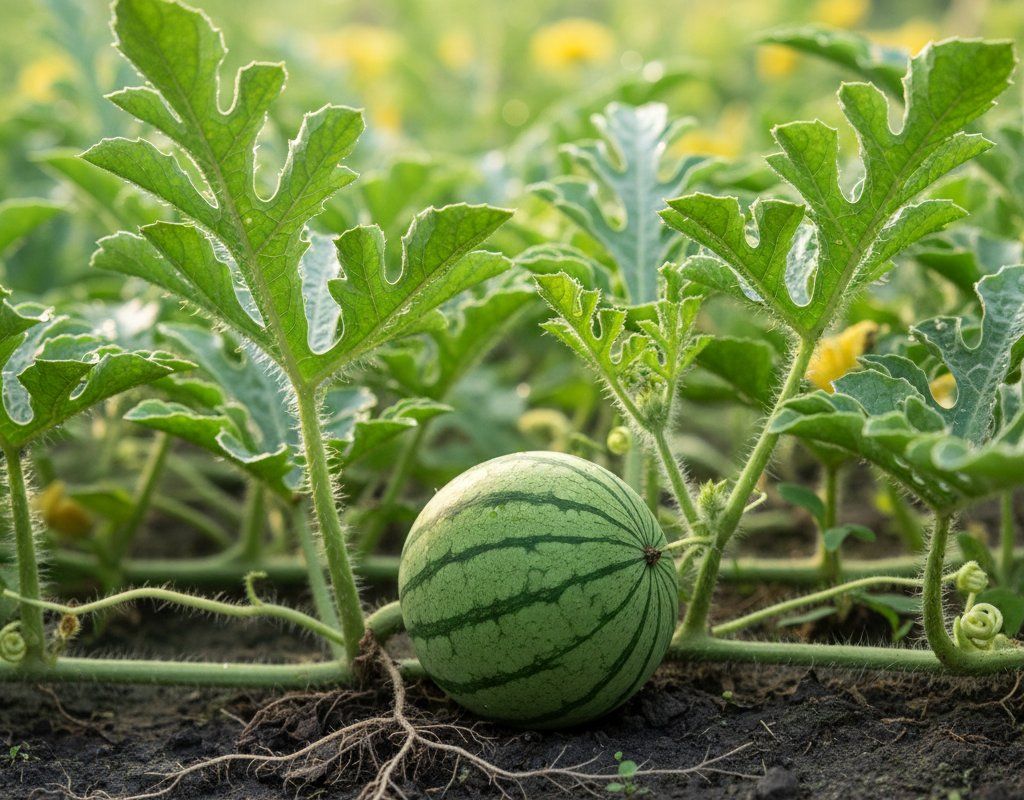
Watermelon in Zone 5B — Great Plains
Citrullus lanatus · Your Complete 2026 Planting Guide
Planning Ahead — Great!
You’re ahead of the season. Here’s when to start.
Mark Your Calendar
How to Plant Watermelon in Zone 5B — Great Plains
Here are all your options for getting watermelon in the ground, from the easiest method to more advanced approaches.
Direct Sow Seeds
RecommendedEarly May through early July
around May 4
Consider succession planting every 2-3 weeks for continuous harvest.
Needs warm soil. Direct sow works in zones 6+. Start indoors in colder zones.
Buy Starts
Works WellEarly May through early June
around May 4
Plant purchased starts after last frost (April 20).
Start Seeds Indoors
Works WellEarly to late April
around April 13
Then transplant: Early May through early June
Start seeds 3-5 weeks before transplanting outdoors.
Handle seedlings carefully — melons resent root disturbance.
Transplant Outdoors
Timing InfoEarly May through early June
around May 4
Wait until nighttime temperatures stay above 50°F.
You have a nice window — no need to rush.
Overview
Growing watermelons in Zone 5B's Great Plains gives you access to some of the sweetest, most flavorful melons you'll ever taste. Our intense prairie sunshine and hot summers create ideal conditions for developing those complex sugars that make store-bought watermelons pale in comparison. There's nothing quite like cutting into a sun-warmed melon you grew yourself on a scorching July afternoon.
The Plains present some challenges for watermelon growing — mainly our variable spring weather and the need to work within our 178-day growing season. But with proper timing and wind protection, you can absolutely succeed with these heat-loving vines. The key is understanding that watermelons need consistent warmth and protection from our notorious winds, but once established, they'll thrive in our prairie conditions.
Starting Seeds Indoors
Starting watermelon seeds indoors makes sense if you want to maximize your growing season or if you're dealing with a particularly unpredictable spring. Start seeds early to late April, about 3 weeks before your planned transplant date. This gives you a head start while avoiding the root disturbance that melons hate.
Use biodegradable peat pots or seed trays with good drainage, and keep soil temperature around 70-80°F for best germination. Bottom watering works well here — keep the soil consistently moist but not waterlogged. You'll need strong grow lights or a sunny south-facing window, as watermelon seedlings stretch quickly in low light.
Handle these seedlings like they're made of glass. Watermelons resent root disturbance more than most crops, so transplant the entire peat pot or be extremely gentle if using plastic cells. Given our variable spring weather in the Plains, indoor starting lets you control conditions during those critical first weeks.
Transplanting Outdoors
Transplant your watermelon seedlings outdoors from early May through early June, once soil temperatures consistently stay above 65°F and nighttime lows don't drop below 50°F. Space plants 6-8 feet apart in all directions — these vines need room to sprawl across your prairie soil.
Harden off seedlings gradually over a full week, starting with just an hour of morning sun and building up to full-day exposure. Our Plains winds can shock tender seedlings, so protect them with row covers or makeshift windbreaks during this transition period.
Plant on a calm day if possible, and water thoroughly after transplanting. Consider using black plastic mulch or landscape fabric to warm the soil and suppress weeds. The extra heat retention helps watermelons establish quickly in our sometimes-unpredictable late spring weather.
Direct Sowing
Direct sowing is your best bet for watermelons in the Plains — these vines prefer growing where they're planted rather than dealing with transplant shock. Sow seeds from early May through early July, once soil temperature reaches 65°F consistently. You can extend your season by starting new plantings every 2-3 weeks through early summer.
Prepare your soil well by working in plenty of compost or aged manure. Our prairie soils are naturally fertile, but watermelons are heavy feeders that appreciate rich, well-draining soil. Create small hills or mounds 6-8 feet apart, which improves drainage and helps soil warm faster in spring.
Plant 4-6 seeds per hill about 1 inch deep, then thin to the strongest 2 plants once they're established. This spacing gives each vine plenty of room to spread — mature watermelon plants can easily cover a 10-foot circle. The direct-sown roots establish better in our challenging Plains conditions, making plants more drought-tolerant once mature.
Watering Watermelon in Zone 5B (Great Plains)
Watermelons demand consistent, deep watering throughout the growing season, especially challenging given our variable Plains rainfall and hot, dry summers. These vines need about 1-2 inches of water weekly, but in our 93°F summer heat with frequent winds, you'll often need to supplement whatever nature provides.
Water deeply at soil level rather than overhead — our low-to-moderate humidity means leaves dry quickly, but fungal problems can still develop with constant leaf moisture. Use the finger test: stick your finger 2 inches into the soil near the base of the plant. If it's dry at that depth, it's time to water. During fruit development, increase watering to ensure proper sizing and prevent bitter flavors.
Apply a thick layer of straw or grass clipping mulch around plants to conserve moisture and moderate soil temperature swings. This is crucial in our extreme Plains weather — mulch can reduce your watering needs by 30-40% while protecting surface roots from temperature stress.
Reduce watering during the final 1-2 weeks before harvest to concentrate sugars and improve flavor. Watch for signs of stress: wilting during the heat of the day is normal, but if plants don't perk up by evening, they need more water. Overwatered plants show yellowing leaves and poor fruit development.
🧪Fertilizing Watermelon
Feeding Schedule
Organic Fertilizer Options
Harvest Time
Your first watermelons will be ready from late July through mid-October, typically 85 days after planting. In our Plains climate, you'll get the bulk of your harvest during August and September when consistent heat has had time to develop full sweetness. Early varieties work best for maximizing your harvest window.
Check for ripeness using three reliable indicators: the ground spot (where the melon rests) turns from white to creamy yellow, the curly tendril nearest the fruit attachment point turns brown and dry, and the melon sounds hollow when thumped with your knuckles. All three signs should align — don't rely on just one indicator.
Harvest in the morning when temperatures are cooler and fruits are fully hydrated. Cut the stem with sharp pruners rather than pulling or twisting, which can damage the vine and reduce subsequent fruit production. Handle carefully — even small drops can cause internal bruising.
As our first frost approaches in mid-October, harvest any remaining melons regardless of full ripeness. Unlike tomatoes, watermelons won't continue ripening off the vine, but partially ripe ones can still be used for pickles or preserves. Cover plants with row covers if you need to protect late-season fruits from an early light frost.
Common Problems in Zone 5B (Great Plains)
Fusarium Wilt This soil-borne fungal disease shows up as wilting on one side of the plant first, with yellowing leaves that start on one side and spread across the vine. If you cut into the stem, you'll see brown streaks running through the tissue. Our hot prairie soils create ideal conditions for this persistent pathogen.
Fusarium thrives in warm soil temperatures, making it particularly problematic during our intense Plains summers. The fungus persists in soil for years and enters through root wounds. Once infected, there's no cure — remove and destroy affected plants immediately. Plant resistant varieties marked with 'F' on seed packets, maintain a 4-year crop rotation, and keep soil pH above 6.5 to discourage the fungus.
Anthracnose Look for sunken, dark circular spots on fruits, stems, and leaves that may show pink or orange spore masses during humid periods. This fungal pathogen spreads through rain splash and thrives when our typical low humidity occasionally gives way to muggy conditions after thunderstorms.
Prevent anthracnose by avoiding overhead watering and removing infected plant debris promptly. Apply copper fungicide preventatively if you've had problems before, especially during our variable summer weather patterns. Choose disease-free seeds and maintain good air circulation around plants — this is where our constant Plains winds actually help.
Poor Pollination Fruits develop small, misshapen, or fail to develop at all when pollination fails. You might see flowers blooming and dropping off, or partially developed melons that grow unevenly. This often happens during extreme heat waves when temperatures exceed 95°F for several days.
Our windy Plains conditions can reduce bee activity, and extreme temperature swings affect both pollinator behavior and flower viability. Hand-pollinate using a small brush to transfer pollen from male to female flowers, especially during very hot or windy periods. Plant pollinator-friendly flowers nearby and avoid pesticide use during flowering.
Great Plains Specific Challenges: Our combination of intense heat, persistent winds, and variable rainfall creates unique stresses for watermelon vines. The constant wind increases water loss and can damage large leaves, while our extreme temperature swings stress plants and affect fruit development. Success depends on choosing heat-tolerant varieties, providing wind protection, and maintaining consistent soil moisture despite our unpredictable precipitation patterns.
Best Companions for Watermelon
Plant these nearby for healthier Watermelon and better harvests.

Keep Away From
Companion Planting Details
Corn makes an excellent companion for watermelons in Plains gardens, providing natural windbreaks that protect spreading vines from our constant prairie winds. Plant corn on the north or west side of your melon patch to create afternoon shade during the hottest part of summer. The corn's root system occupies different soil levels than the melons, reducing direct competition.
Radishes planted around young watermelon plants help break up compacted prairie soil and reportedly deter cucumber beetles and other pests. Sunflowers work well as living stakes and windbreaks while attracting beneficial pollinators during the critical flowering period. Avoid planting potatoes near watermelons — both crops compete for similar nutrients and space, and potatoes can harbor diseases that affect melon vines.
🌸Best Flowers to Plant with Watermelon
These flowers protect your Watermelon from pests and attract pollinators for better harvests.


Get a Reminder When It's Time to Plant
We'll email you when key planting windows open for your zone.